A loss felt across Ohio hockey
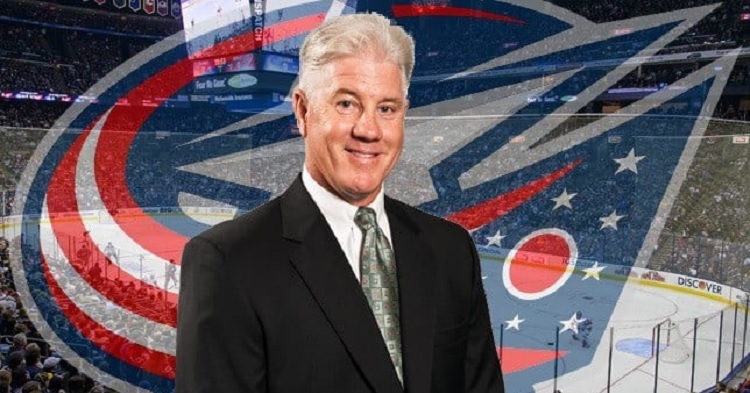
The hockey community in Ohio is saying goodbye to a familiar voice and a treasured friend. Bill Davidge, known to countless fans as the warm, energetic, and steadfast broadcaster for the Columbus Blue Jackets, has passed away at the age of 72. For many in Ohio, his voice didn’t just describe the action on the ice; it welcomed them into the game, connected neighbors and families, and turned ordinary nights into shared memories.
In living rooms, at kitchen tables with a small radio playing nearby, and in the stands at Nationwide Arena, Bill Davidge was more than a broadcaster. He was a steady companion who spoke with a deep respect for the sport and an equally deep affection for the people who love it. When he was on the call, fans felt included and informed, and they knew the game mattered to him just as much as it mattered to them.
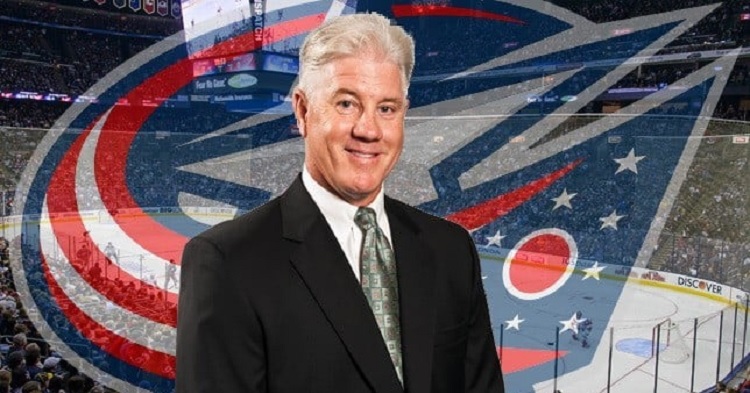
His passing has prompted heartfelt tributes from all corners of the hockey world, but nowhere is the loss felt more keenly than in Ohio. Former players, colleagues, and longtime listeners have shared memories of a man who took pride in doing things the right way and brought a rare kindness to a profession that can sometimes feel distant. Those who knew him, and those who simply knew his voice, are remembering a broadcaster who brought the game to life with a smile you could hear.
More than a broadcaster, a true ambassador
For generations of Blue Jackets fans, Davidge was more than an analyst breaking down plays. He was a tireless supporter of the team and a constant presence in the community. He greeted fans by name, shook hands in the concourse, and made time for conversations that had little to do with strategy or statistics. It was about connection. It was about making people feel welcome.
His colleagues often spoke of his warmth and reliability, the kind of person who brought calm and encouragement to busy broadcast nights. Whether he was preparing to go on air, chatting with ushers and arena staff, or speaking with a young fan who had just discovered hockey, his enthusiasm never wavered. He believed in the Blue Jackets, he believed in the sport, and he believed in the people who cheered alongside him.
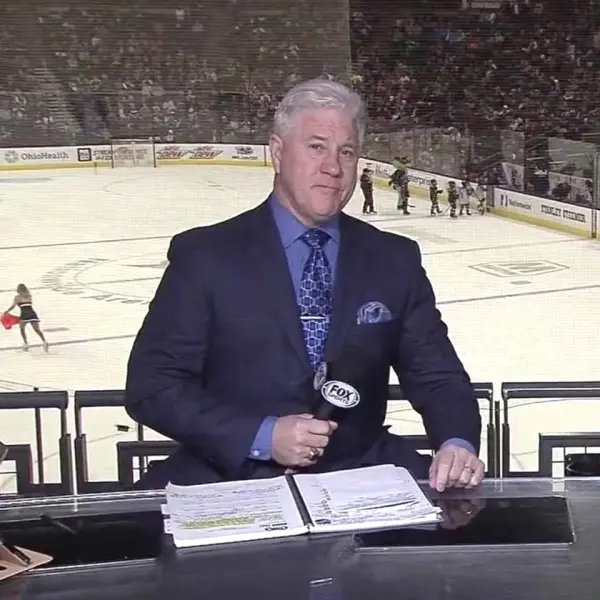
He was affectionately nicknamed “Dapper,” and the name fit. He took care to look the part—suit pressed, shoes shined, and hair neatly in place—because he understood that broadcasting is a craft and a privilege. Yet beneath the polished appearance was someone who cared deeply about the stories behind the game. He highlighted effort, teamwork, and perseverance, and he did it in a way that felt honest and unforced.
From the ice to the bench to the booth
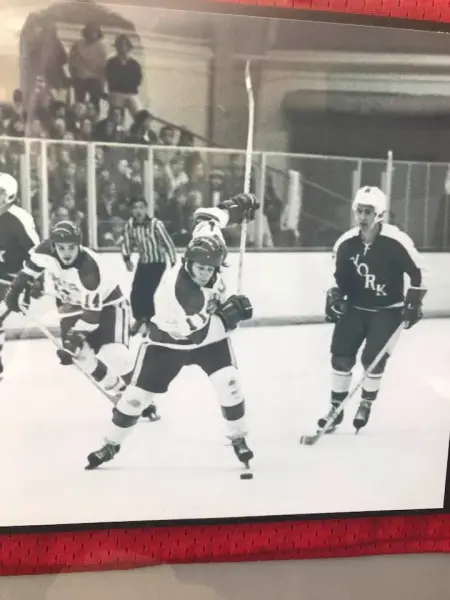
Davidge’s love for hockey began long before the Blue Jackets arrived. He played at Ohio State University, where he spent four seasons with the Buckeyes and captained the team during the 1976–77 campaign. That experience shaped the way he spoke about the sport for the rest of his life. He knew what it took to skate back after a hard shift, to absorb a tough loss, and to come together as a team.
His next step was behind the bench. After graduating, he joined the coaching ranks at Miami University of Ohio and later became head coach in 1985. Coaching sharpened his eye for detail. He could spot a good change on the fly, a smart read by a defenseman, a timely backcheck that kept a game from turning. It also deepened his appreciation for the people who make hockey work—from trainers and equipment managers to the parents and volunteers who keep young players on the ice.
These experiences gave his broadcasting a grounded quality. When he explained a play, listeners could tell he had lived it. When he praised a player’s positioning or grit, he did so with the respect of someone who understood the work behind every shift. His words carried weight because they came from a lifetime spent in and around the rink.
Helping build Columbus into an NHL home
When Columbus was awarded an NHL expansion franchise in 1997, Davidge joined the effort to help the team take its first steps, serving as an amateur scout as the organization took shape. From those early days, when nothing was guaranteed and everything had to be earned, he believed Columbus could be a true hockey town. He helped lay foundations—quietly, patiently, and with conviction—long before most fans knew how their team would look on the ice.
By the time the Blue Jackets played their first NHL season in 2000, Davidge had found the role that would define him publicly: color commentator. For nearly two decades, his voice filled homes across Ohio, blending knowledge, humor, and an unmistakable sense of joy. Fans grew to trust his perspective and to look forward to his familiar turns of phrase. And when the moment was right, he had a way of letting emotion shine through in a way that made everyone feel part of it.
“Oh baby, you better believe it!”
With every heart-racing goal and every well-earned win, he brought excitement without losing perspective. He never made the game about himself; he made it about the effort, the team, and the community cheering them on. And when a big play happened, he had a signature call that still echoes fondly in the minds of fans: “Oh baby, you better believe it!” It was pure Bill—brimming with delight, delivered with a smile, and instantly recognizable to those who tuned in night after night.

Davidge stood by the Blue Jackets through lean years and breakthroughs alike. He did not shy away from tough seasons, and he celebrated the bright spots along the way with sincerity. Many fans point to 2019 as a pinnacle, when Columbus shocked the hockey world by sweeping the Tampa Bay Lightning to win the franchise’s first playoff series. He shared that joy with the same people who had stuck through years of patience and hope, and it felt like the payoff belonged to everyone.
Even after retiring at 64 due to health concerns, his connection to the team and its fans never really faded. He remained present in spirit and conversation, still cheering, still encouraging, and still reminding people why the game mattered. In that way, he kept teaching—about resilience, gratitude, and the lasting power of community.
Tributes that tell a story
As news of his passing spread, memories surfaced quickly. Those who worked closely with him spoke of a colleague who made long days feel shorter and who approached each game with care and humility. Longtime broadcast partner George Matthews captured the essence of Davidge’s approach to life when he said, “Nobody enjoyed their time on this Earth more than Billy D. He lived each day tip to tip. He made the world a more enjoyable place.”
The Blue Jackets organization shared a message that reflected what many already knew in their hearts: “Our organization has never known a greater advocate or ambassador for our team and sport than Bill. There were no strangers in his world, only friends.” Those words describe more than a job well done. They describe a way of living—meeting people where they are, taking interest in their stories, and showing up with kindness.
At a time when sports broadcasting can sometimes feel distant or overly polished, Davidge brought something refreshingly genuine. He respected preparation and professionalism, but he never lost sight of the people tuning in. He spoke to them, not at them. He made the complex feel clear, and he made big moments feel shared rather than performed. That authenticity is hard to teach. It comes from loving what you do and caring about the audience on the other end of the line.
What his voice meant to fans
For many, listening to Davidge became a family tradition. Parents introduced their children to the Blue Jackets with his calls as the soundtrack. Friends gathered for game nights and found that his enthusiasm helped bring the room together. Even fans who followed along while cooking dinner or finishing a late shift could rely on the friendly cadence that made the highs brighter and the lows easier to take in stride.
Older fans, especially those who remember the team’s first seasons, often recall how he helped them learn the players and understand the rhythms of a full NHL schedule. He explained the little things that shape a game—the smart line change, the blocked shot that doesn’t make the highlight reel, the faceoff win that leads to a quick chance. He celebrated effort, and he helped people see the value in the details that define good hockey.
He also understood the heart of the fan experience. Whether a game was a nail-biter or a tough night on the scoreboard, he knew that people tuned in not just for results but for connection. He offered that in every broadcast, and he did it with a steady hand and a generous spirit.
The measure of a legacy
Legacies in sports are sometimes defined by championships and statistics. Davidge’s legacy lives in something broader and, in many ways, more lasting. It lives in the trust he earned, the community he helped nurture, and the generations of fans he welcomed to the game. It lives in small gestures—remembered names, kind words in the hallway, a few extra minutes after a broadcast to talk hockey with a fan who had waited to say hello.
He helped put a human face on a young franchise and, over time, became one of its most reliable voices. When Columbus took the ice, he was there to help people feel part of it. That sense of belonging doesn’t fade easily, and it will continue to echo every time the puck drops and someone in the stands hears his catchphrase in their memory.
Holding on to what matters
In remembering Bill Davidge, many will think of a line he returned to again and again—believing in the team, believing in the work, believing that good things are possible when people pull together. Those principles guided his approach as a player, a coach, a scout, a broadcaster, and a neighbor. They also made him an example for how to enjoy the game and appreciate the people around it.
There is comfort in the stories being shared now: the laughter replayed in press boxes, the handshakes remembered by fans, the sense that he made each person feel seen. In the end, that may be what stands out most—the way he turned a large, sometimes impersonal world into a smaller, friendlier one.
Farewell to a founding voice
Ohio hockey did not just lose a broadcaster. It lost a founding voice, one that helped carry the Blue Jackets from their earliest days to some of their proudest moments. The sorrow felt today is matched by gratitude for all the nights he helped transform into memories worth keeping.
As the seasons continue and new chapters are written, his influence will remain. It will be there in the way fans talk about the game with one another. It will be there in the stories parents pass down to children who are picking up a stick for the first time. And it will be there, most of all, in the sound that so many can still hear when the action quickens and hope rises.
Oh baby, you better believe it.