A night of big wins and even bigger laughs at the 98th Academy Awards

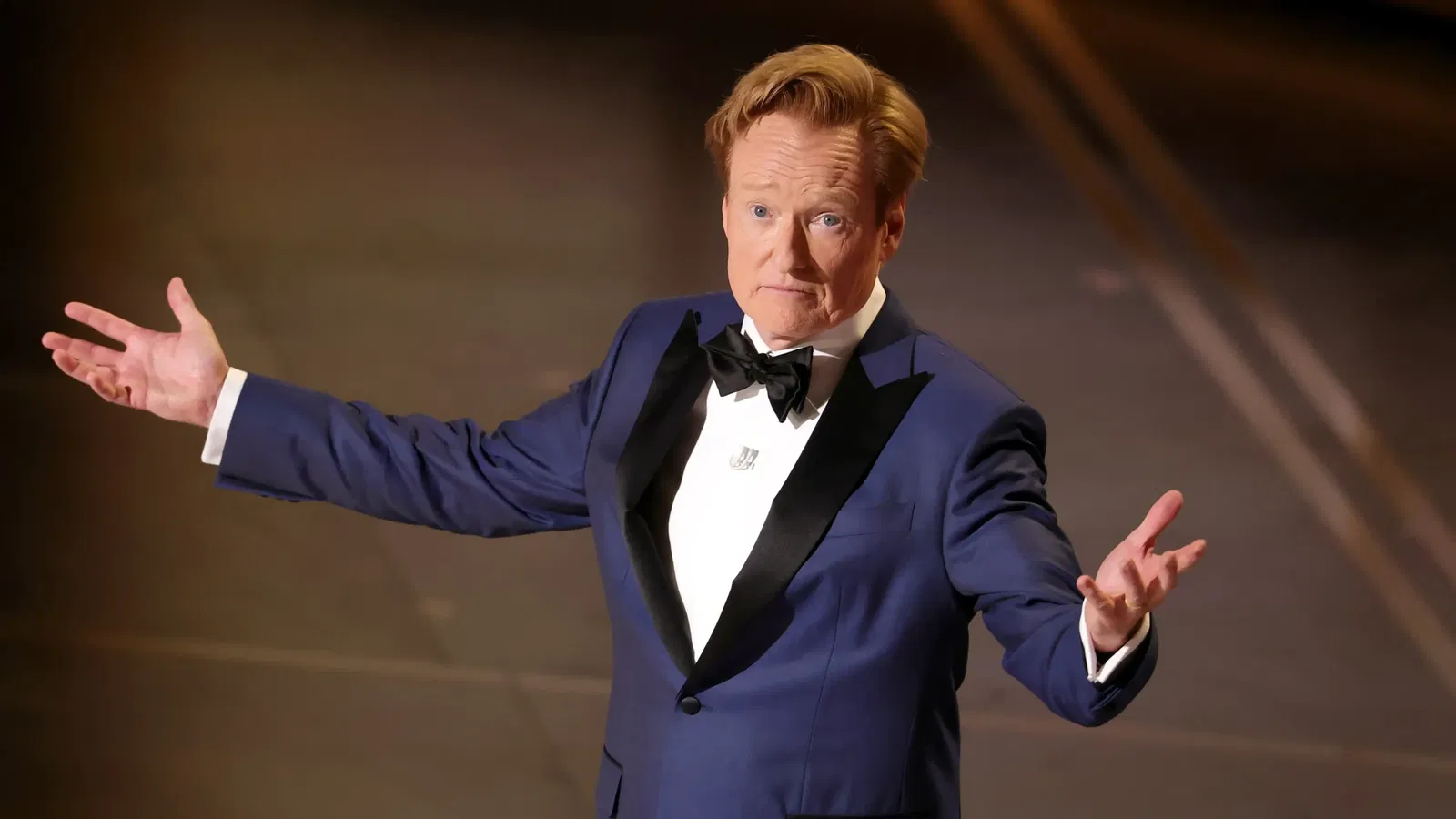
The 98th Academy Awards on March 15 delivered the kind of television many viewers look forward to each year: a polished celebration of movies, a little glamour, and a healthy dose of good-natured ribbing from a seasoned host. Conan O’Brien, stepping into the role at age 62 with the ease of a longtime late-night veteran, set a friendly, fast-moving tone. He teased a few famous faces, kept the show on schedule, and, with a single sharp aside, sent the internet buzzing and the room into loud laughter.
For film fans, the evening capped a long awards season with top honors for One Battle After Another, Jessie Buckley, and Michael B. Jordan. For comedy fans, it was a reminder that a well-timed joke can still command the spotlight, even in a room full of the world’s biggest stars. O’Brien’s blend of gentle roast and sly observation gave the show an old-school warmth, the kind some viewers may remember from earlier eras of awards hosting, while still feeling perfectly in step with today’s entertainment landscape.
As the show moved along, O’Brien’s monologue and interludes touched on familiar subjects: the scale of modern moviemaking, the quirks of celebrity, and a few nods to the year’s breakout names. He joked about Timothée Chalamet and Leonardo DiCaprio with a light hand, the way a good host keeps everyone included in the fun without letting the mood sour. It felt like a reunion with a clever friend who knows where the comic line is—and how to dance right up to it.
Then came the moment that started a flurry of conversations. Returning from a commercial break, O’Brien launched into a quick, pointed bit about the name of the venue. He did not call out any public figure directly, but the punch line was unmistakably cheeky. It was the kind of barb designed to get a big laugh in the room and an even larger reaction beyond it.
For context, the ceremony unfolded at the Dolby Theatre in Los Angeles, the Oscars’ longtime home. After a short pause for ads, O’Brien stepped back to the microphone and tossed off a line that became the night’s most replayed sound bite. He said, “Welcome back, we’re coming to you live from the ‘Has a Small Penis Theatre.’ Let’s see him put his name in front of that!” The jab was framed as a quip about rebranding a famous venue, but it left just enough room for viewers to connect the dots on their own.
Why many people thought the quip pointed to Trump
Although O’Brien never said Donald Trump’s name, the audience’s reaction was instant and loud, and many viewers at home took the comment as a deliberate sidestep with a very clear target. In the days leading up to the show, there had been widespread attention on a decision by the Kennedy Center Board of Trustees to add Trump’s name to the John F. Kennedy Center for the Performing Arts, creating a “Trump-Kennedy Center” designation. Supporters of the former president praised the move, while critics objected to altering the identity of a venue that has long served as a living memorial to President John F. Kennedy since it opened in 1964.
According to reports at the time, the board voted unanimously to include Trump’s name, and signage began to appear reflecting that change, with “The Donald Trump and” placed before the original Kennedy Center title. Not long after, the White House press secretary, Karoline Leavitt, affirmed that the venue would proceed with the updated name. In that atmosphere, a barbed joke about putting a name on a grand public space—then twisting the name into an embarrassing phrase—felt, to many, like a sharp aside about that ongoing naming debate.
The construction of the joke was part of what made it effective. O’Brien avoided direct accusation and, with a small turn of phrase, encouraged the audience to meet him halfway. In comedy, the laugh often comes from what is unsaid as much as from the words themselves. On that count, the host’s line checked all the boxes, leaving the room roaring and sparking immediate reaction online.
How the room and the internet reacted
Inside the Dolby Theatre, the immediate response was applause and cheers. Viewers could sense the quick burst of energy the moment created, cutting through the usual ceremony rhythm and reminding everyone that live television still has a few surprises up its sleeve. At home, social media lit up within minutes, with short clips circulating and comments piling up on every platform where highlights from the Oscars tend to appear.
Some reactions praised the daring of the line. One viewer wrote, “Conan hit max chaos mode tonight lol.” Another added, “He went full chaos.” A third person complimented the way the joke landed without naming anyone directly, a tactic that many longtime comedy fans appreciate because of the way it respects the audience’s intelligence. The common thread in the responses was simple: whether people loved the jab or disliked it, nearly everyone agreed it was the line they were going to remember in the morning.
It is worth noting that the phrase “lol,” which appeared in some of the reactions, is online shorthand for “laughing out loud.” The tone of that shorthand captured the general spirit of the moment. It was not a solemn political statement; it was a brisk, offhand zinger, the sort that only truly works in front of a live audience that is ready to laugh and move on.
How O’Brien explained his approach to hosting
In the aftermath, O’Brien addressed, in broad strokes, how he thinks about balancing celebration and comedy when helming a show with as much history and pressure as the Oscars. Speaking at a virtual press conference covered by News.com.au, he said that hosting requires a careful blend: honor the films and the people who made them, keep the room smiling, and avoid drifting too far into anger or heavy-handed politics. The goal, in his words, is to keep it funny while remembering that the evening belongs to the movies and the craftspeople behind them.
He shared a similar idea during an interview on The New Yorker Radio Hour, suggesting that Donald Trump has, in his view, become “bad for comedy.” The point he made was that, in recent years, reality has sometimes felt stranger and louder than satire, which can make wit harder to land if it turns into pure outrage. As he put it, when comedians are angry instead of clever, the jokes stop working the way they should. His Oscars performance reflected that mindset: brisk, light on its feet, and carefully calibrated to keep the show moving.
Not everyone appreciated the remark, of course. A White House spokesperson, Davis Ingle, dismissed the joke outright and waved away the opinions of what he described as “woke Hollywood celebrities,” saying that no one in their right mind cares about those views. That kind of back-and-forth is hardly new after a major awards broadcast, and it underscores a simple reality about live entertainment: a joke that pleases one group may aggravate another, and part of a host’s job is knowing how to steer through that with confidence.
Beyond the zinger: the year’s biggest film honors
While the one-liner grabbed headlines, the Oscars themselves remained the night’s real star. One Battle After Another claimed Best Picture, giving its team a crowning achievement at the end of months of campaigning, screenings, and critical discussion. It is always notable when a film connects with both industry voters and audiences, and this win suggested a broad base of appreciation for its storytelling and craftsmanship.
Michael B. Jordan won Best Actor for Sinners, a recognition that also marked an important personal milestone. Viewers who have followed Jordan’s work over the years likely saw this as the payoff of a sustained run of ambitious projects and on-screen range. Accepting an Oscar often reflects not just a single performance, but the momentum of years of dedicated work, and that sense of culmination hung in the air when his name was announced.
Jessie Buckley earned Best Actress for Hamnet, a victory that many considered one of the season’s most richly deserved. Buckley’s body of work has steadily grown in depth and visibility, and this award underscored how consistently she brings emotional clarity and intelligence to her roles. Her win fit neatly with the evening’s broader theme of celebrating performers who have built sturdy reputations through varied, thoughtful choices.
In the supporting categories, Sean Penn took home Best Supporting Actor, and Amy Madigan received Best Supporting Actress. Those wins highlighted how crucial these performances can be to the shape and rhythm of a film. Great supporting turns deepen a story, giving lead performers more to play against and helping the narrative feel fully lived-in. Recognizing them on Oscar night is a way of honoring the ensemble spirit that makes so many films resonate.
Paul Thomas Anderson won Best Director, reinforcing how central a filmmaker’s vision is to the success of a project. The director’s chair is where the disparate elements of a movie—acting, cinematography, production design, editing, music—find their focus. When that vision is strong, audiences can feel it in every frame, and voters respond to that unity of purpose.
In the international and animated fields, Sentimental Value was named Best International Feature, and KPop Demon Hunters earned Best Animated Feature. Those wins remind viewers that cinema is a global conversation and that extraordinary artistry can be expressed through many forms, including animation, which blends visual invention with narrative heart. Recognizing work from beyond Hollywood and across different formats keeps the Oscars true to their mission of celebrating the breadth of film.
Technical categories also spread the honors around, with films such as Frankenstein, Sinners, and F1 securing awards for the behind-the-scenes achievements that give movies their polish and power. These crafts—sound, visual effects, editing, costume, and more—may not always command headlines, but they shape what we see and hear every time we sit down in a theater or at home. When the credits roll, it is the combined labor of hundreds of artists and technicians that leaves the lasting impression.
Why moments like this matter at awards shows
Awards broadcasts have traditionally mixed celebration with satire. Longtime viewers may remember Johnny Carson’s droll asides, Billy Crystal’s movie medleys, or Whoopi Goldberg’s wry introductions. The common thread is that a good host invites the audience to relax, laugh, and appreciate the spectacle without losing sight of what the night is about. A single joke can crystallize the cultural moment, and when it hits, it becomes part of the ceremony’s shared memory.
O’Brien’s quip fit squarely in that tradition. It was brief, pointed, and built on wordplay, and it trusted the audience to follow the implication without a flashing arrow. For some, that kind of indirect humor is more satisfying than overt name-calling, because it leaves space for wit. For others, any dip into political territory feels off-putting at a celebration of film. The Oscars have always walked that line, and the conversation that follows each ceremony is a sign that the balance—however tricky—remains vital to the format.
Comedy, politics, and the thin line between the two
In today’s media environment, political figures and entertainment often share the same stage. News and satire bounce off each other in real time, and it can be hard to tell where one ends and the other begins. That is why hosts tend to rely on a few enduring principles: timing, restraint, and tone. A joke lands best when it feels clever rather than cruel, and when it releases tension instead of inflaming it. By hinting rather than hammering, a comedian can keep a broad audience engaged, even if not everyone agrees with the target of the humor.
O’Brien’s own comments about not letting anger drive the joke speak to that idea. He aimed for a light touch, recognizing that people tune in to the Oscars to celebrate life’s pleasures—great stories, beautiful images, memorable music—and to share a communal moment of recognition for the artists who made them. In that setting, a single zinger can add sparkle, but it should not dominate the program. Judging by the flow of the evening, the host and the production struck that balance, giving the movies top billing while letting a few unscripted laughs breathe.
What viewers will remember
Looking back, most people will recall the bright spots that define a satisfying awards night: the names inside the envelopes, the surprise wins, the standing ovations, and the glimpses of genuine emotion at the microphone. They will also remember that one eyebrow-raising line which felt, in the moment, like a release valve. The joke set off conversations across dinner tables and message threads, and it likely will be replayed whenever highlights of this year’s Oscars are discussed.
That endurance is part of the magic of a live show. Cameras capture a look, an intake of breath, the exact rhythm of a sentence, and the mix becomes an indelible memory. Whether one applauds O’Brien’s phrase or shakes a head at it, it was undeniably the night’s conversation starter. And when all was said and done, the focus returned—rightly—to the filmmakers and performers who shaped a memorable year at the movies.
A note on tone and taste
For some viewers, the crudeness of the phrase at the heart of the joke may have felt like a step too far. That is a fair reaction; taste is personal. Yet awards telecasts have long used playful provocation to keep audiences engaged, and television’s standards and practices teams are practiced at managing live moments. The line in question was a quick, tongue-in-cheek aside, and it passed as quickly as it arrived.
What remains, ultimately, is a strong, well-paced show hosted by a comedian who understands how to entertain a broad audience. The Oscars offered a parade of worthy winners and a reminder of why moviegoing still matters. People tune in for the craft and the glamour, yes, but also for the unpredictable spark of live performance. This year, that spark came from a single, audacious sentence that brought the house down, sent social media buzzing, and then graciously stepped aside for the main business of the night: honoring the films and artists who moved us.
As the cameras powered down and the after-parties began, it was clear that both halves of the broadcast—the celebration and the satire—had left their mark. One Battle After Another stood tall, Jessie Buckley and Michael B. Jordan earned career-defining recognition, and Conan O’Brien reminded everyone how a practiced host can keep millions of people smiling from one commercial break to the next. That combination is why the Oscars endure, year after year: they are grand, a little unpredictable, and, at their best, great fun to watch.