Donald Trump’s Bold WWII Claim
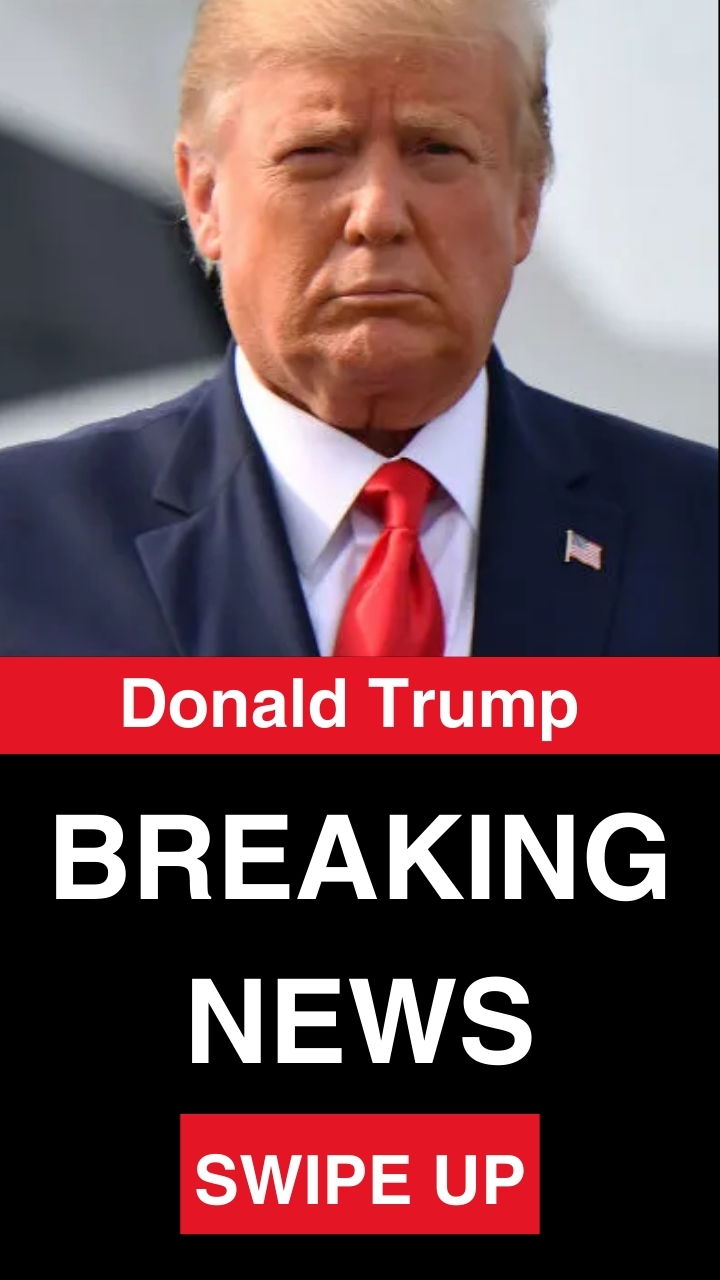
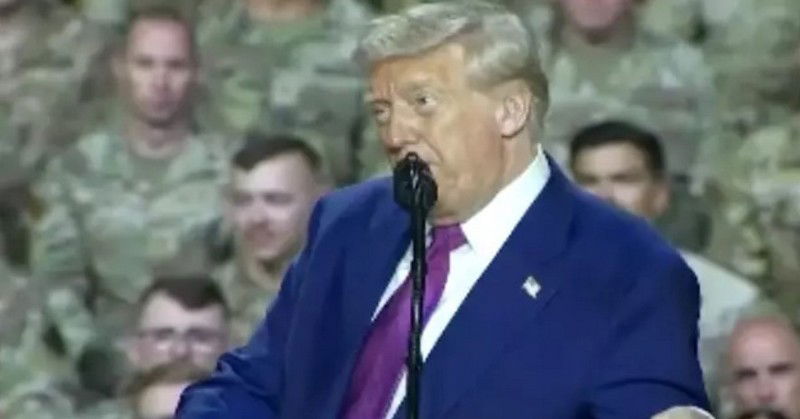
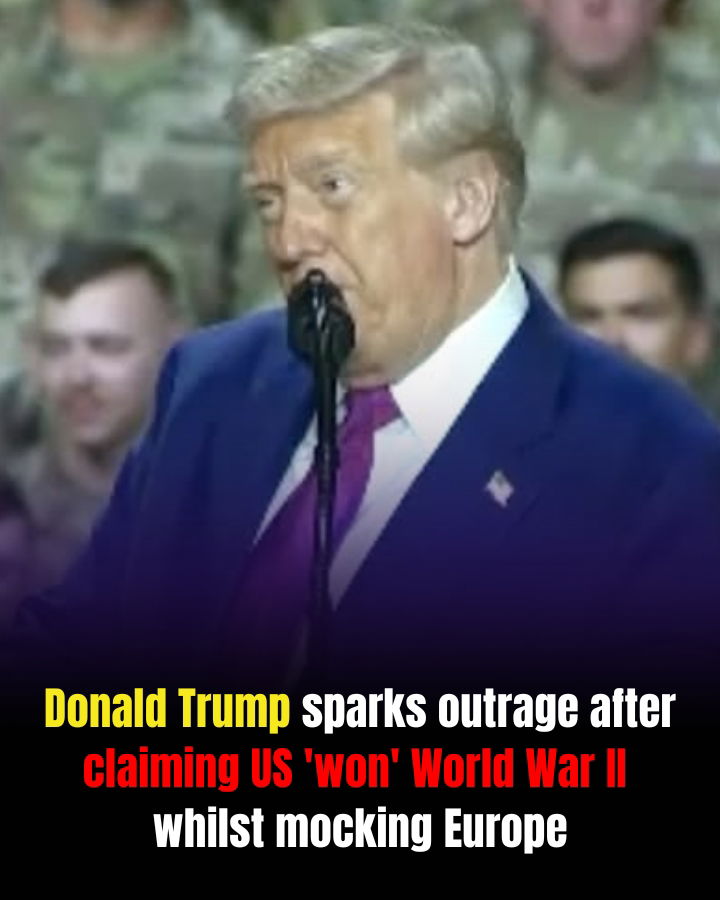
Donald Trump recently stirred the pot with his bold statement suggesting that Europe wouldn’t have succeeded without the United States in World War II. Speaking with confidence, he declared, “We’re the ones that won the war.”
Over the years, Trump has been known for his often contentious remarks—from jesting about creating English words to claiming he was the “father of IVF,” despite a female senator having to clarify the concept to him.
His latest assertion surfaced during a four-day visit to the Middle East. Addressing American troops at Al Udeid Air Base in Doha, Qatar, he used this platform to promote one of his executive orders—proposing May 8th be recognized as “Victory Day for World War II” in the U.S. This concept seemed to emerge after he noticed various nations celebrating VE Day, marking the Allied victory in Europe.
Trump explained that during multiple conversations with global heads of state, he found their countries held celebrations for World War II victories.
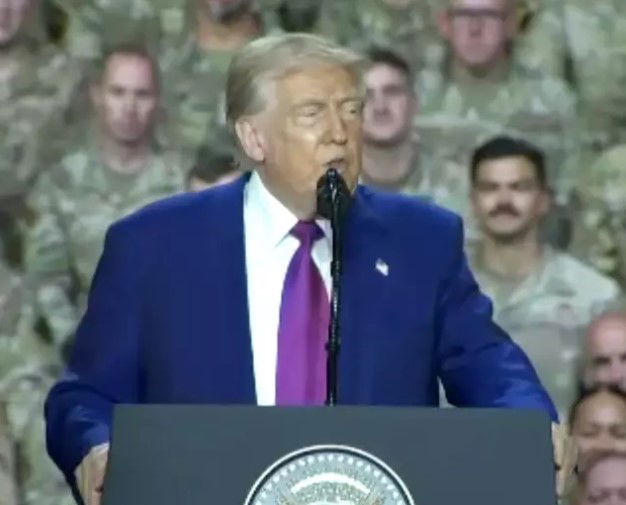
“I’d call up a country and they’d say, ‘Oh, we’re celebrating the victory of World War Two today, sir,’” Trump recounted. “Russia was celebrating, France was celebrating—everybody was celebrating but us. And yet, we’re the ones that won the war.”
Mocking Europe’s Contribution
He playfully mocked the contributions of other countries, particularly France, during his address. Adopting a pretend French accent, he impersonated French President Emmanuel Macron saying: “Donald, we are celebrating our victory over the Germans.” Trump humorously reported his confusion, stating: “What the hell? Every country I’ve talked to is celebrating the war but us. Isn’t that terrible?”
Trump further claimed that without U.S. involvement, “the whole world would be speaking German—perhaps even a bit of Japanese.”
It’s true that the U.S. played a crucial role in the Allied victory, but historical records indicate that America only entered the conflict in December 1941, after Japan attacked Pearl Harbor. Prior to this event, the U.S. government was hesitant about committing to global engagements, with Congress largely opposing overseas confrontations.
HistoryExtra highlights that this initial reluctance was due to America’s non-interventionist policy and extensive debates on whether to participate in another European conflict.
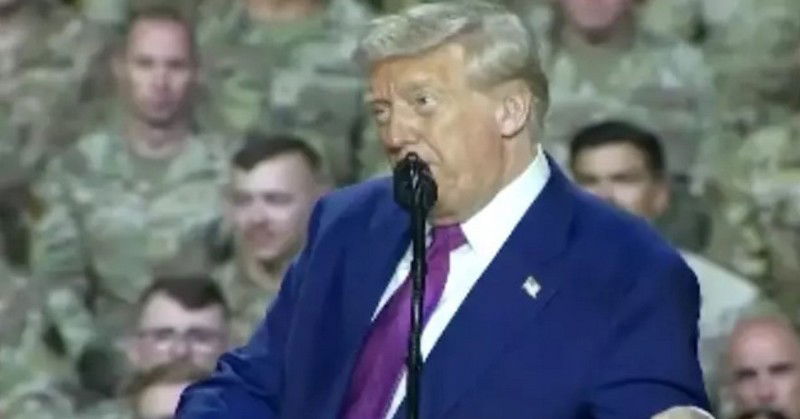
Global Backlash to Trump’s Words
Trump’s comments quickly attracted significant criti.cism from many quarters. Numerous critics pointed out that the U.S. was among the last major powers to align with the Allies, with one commentator noting, “The U.S. was the last country to show up. Shame on Trump.” Others remarked, “This dishonors the memory of all who sacrificed defending their homeland.”
An American social media observer was straightforward: “We were the very last country to join the Allied forces in World War II, making us the least involved among the big players.”
The U.S.’s pivotal role in turning the war’s outcome is undeniable, yet Trump’s narrative of the U.S. single-handedly winning the war has largely been dismissed as exaggerated and self-serving.