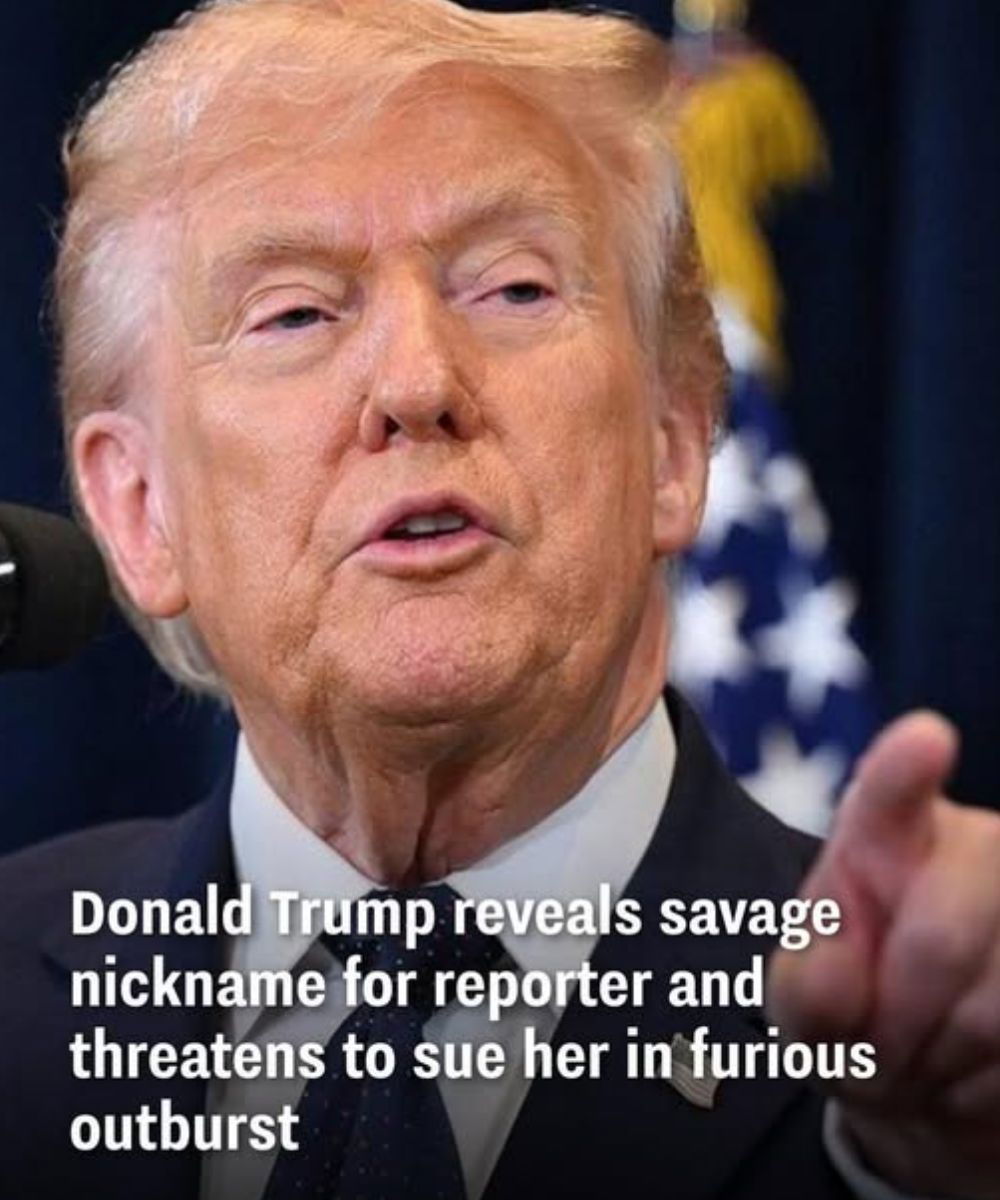
Trump targets veteran reporter Maggie Haberman in a sharply worded Truth Social post
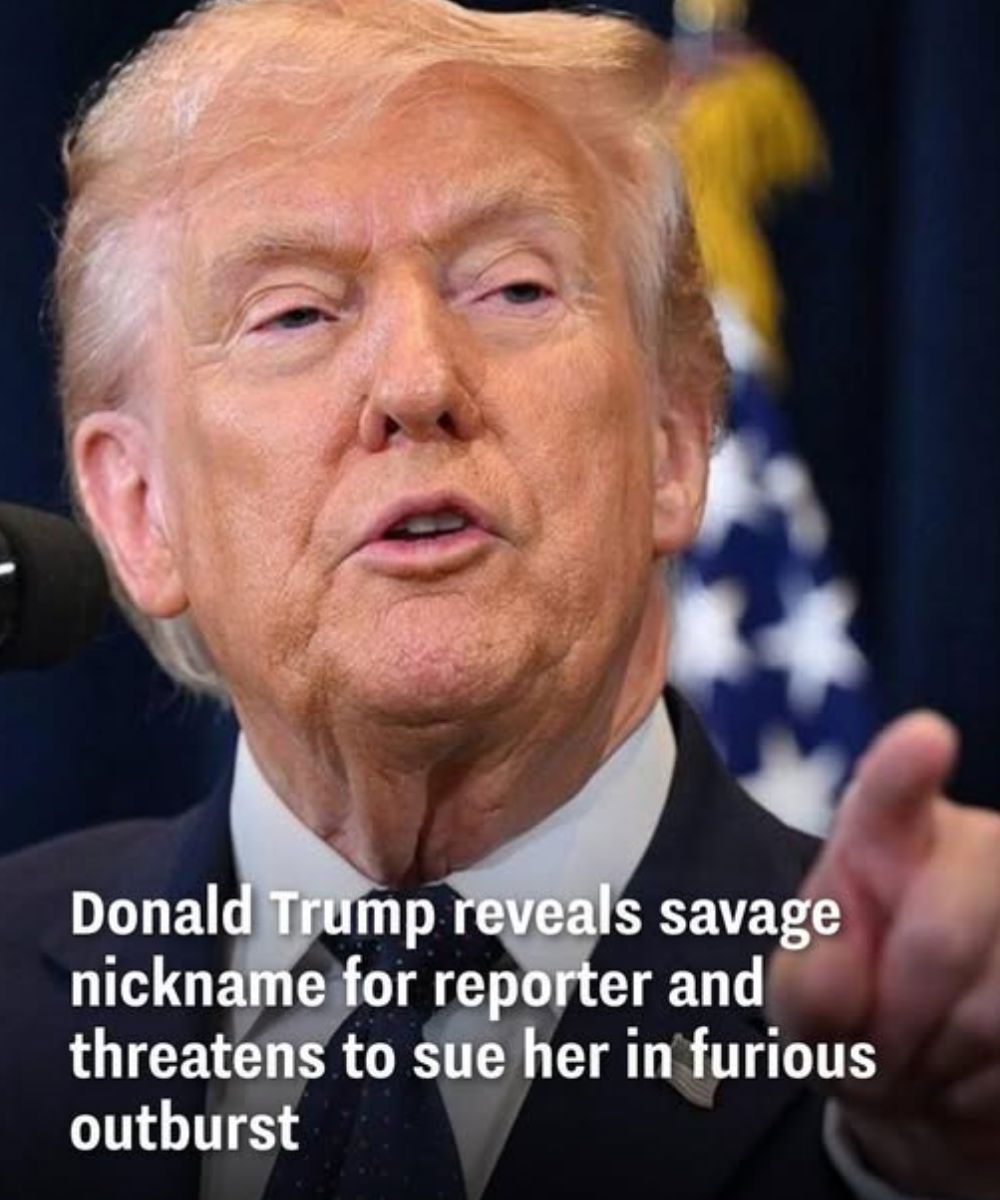
Former President Donald Trump has once again clashed publicly with the press, this time directing his anger at New York Times journalist Maggie Haberman. In a heated post on his social media platform, Truth Social, he attached a derisive nickname to her and suggested he might take legal action. The remarks continued a long-running and very public feud between Trump and reporters who cover him closely, especially those who have written extensively about his political rise, business dealings, and time in the White House.
Haberman is a well-known figure in American political journalism. She shared a Pulitzer Prize in 2018 for reporting on ties between Trump’s associates and Russia, and she is the author of the 2022 bestseller Confidence Man: The Making of Donald Trump and the Breaking of America. Her work, which draws on years of reporting and numerous sources inside Trump’s orbit, has often put her at the center of debates about the former president’s actions, statements, and influence within the Republican Party.
In his Truth Social post, Trump accused Haberman of spreading falsehoods and described her work as dishonest. He did not make clear what, specifically, sparked the outburst, though her ongoing coverage and frequent television commentary regularly place her in the national spotlight. Whether it was a recent article, a televised analysis, or broader reporting about his political and legal outlook, Trump’s message was unmistakable: he believes she misrepresents him, and he wanted to make that point forcefully and publicly.
For many readers who have followed this back-and-forth over the years, the tone of the comments will feel familiar. Trump’s criticisms of reporters, at times deeply personal, are a hallmark of his communication style. He has often argued that much of the mainstream press treats him unfairly and that certain journalists write with an agenda rather than a commitment to straightforward facts. Haberman, because of her prominence and the depth of her reporting on Trump, has frequently been singled out.
At the same time, it is worth noting that Haberman’s reporting has repeatedly been supported by documents, interviews, and corroboration across respected newsrooms. Her book and news stories have been widely discussed by journalists across the political spectrum, and her analyses are often featured on television, where she is asked to interpret what Trump is saying and what it might mean for the political landscape. That visibility likely contributes to why she draws so much attention from Trump and his supporters.
Trump’s post included a mocking label for Haberman and a broader attack on her credibility as a New York Times reporter. While his language was unusually sharp even by his standards, it fit a pattern seen during both his presidential campaigns and his White House years, when he regularly dismissed unfriendly coverage as misleading or untrue. By turning his critiques into simple, memorable phrases, he keeps the focus on personalities rather than the details of the stories, and that approach often resonates strongly with his most loyal followers.
It remains unclear whether this latest exchange was triggered by a single article, a television segment, or the ongoing narrative of Trump’s court battles and campaign moves. What is clear is that Haberman’s work continues to track developments surrounding Trump and his political plans, and she remains one of the reporters most closely identified with reporting on his inner circle. That dynamic, built over years, means that even routine coverage can become a flashpoint when the subject of the reporting chooses to respond forcefully online.

Trump hints he could add Haberman to an existing lawsuit and expand his legal fight with the New York Times
Beyond criticism, Trump also suggested he might take legal steps. In his post, he hinted that he could add Haberman, and possibly other journalists, to an ongoing lawsuit in Florida against the New York Times. The idea of expanding that case underscores how Trump often pairs public messaging with legal threats, combining a communications strategy with actions in court to keep pressure on news outlets he says are unfair to him.
For readers who may not track the legal back-and-forth closely, it can be useful to remember that defamation cases involving public figures carry a high bar in the United States. Public figures must typically show not only that a report was false, but also that it was published with actual malice—that is, with knowledge that it was false or with reckless disregard for whether it was true. This standard, developed through decades of case law, is designed to protect robust public debate and allow journalists to question powerful people without fear of being easily silenced.
Trump has long argued that these protections give the press too much leeway, and he has sometimes promised to “open up” libel laws. Journalists and First Amendment advocates, on the other hand, view the current legal standard as essential for a healthy democracy. They argue that investigative reporting—even when it angers the subjects of that reporting—is one of the ways citizens learn about how leaders make decisions and how power is exercised behind the scenes.
A familiar pattern of tense exchanges between Trump and members of the press
The sharp words toward Haberman follow a series of tense moments with other reporters. In a recent exchange with PBS correspondent Liz Landers, for example, Trump reacted sharply to a question related to the FBI’s actions regarding election records in Arizona. When Landers noted that there was no credible evidence of widespread fraud, he dismissed her as a “rotten reporter.” Moments like that, where a tough question draws a biting response, are part of a consistent pattern from his years on the public stage.
Other journalists have been on the receiving end of similar rebukes. Bloomberg’s Catherine Lucey, CBS News’ Nancy Cordes, and the New York Times’ Katie Rogers have all experienced pointed comments from Trump, and he has even critiqued the on-air demeanor of CNN’s Kaitlan Collins, commenting at one point that she did not smile enough. While the specific targets and phrasing vary, the overall message tends to be the same: Trump believes some journalists approach him with hostility, and he doesn’t hesitate to say so.
To supporters, this combative approach can feel refreshing, a way to push back against what they see as slanted coverage. To critics, it reads as an effort to discredit legitimate reporting and avoid accountability. Regardless of where one stands, it has become a core part of his public identity, shaping how news is discussed and how interviews are conducted when he is the subject.
Who Maggie Haberman is, and why her reporting gets so much attention
For those who don’t follow the ins and outs of political journalism every day, it’s helpful to understand Haberman’s unique role. She has covered Trump in one form or another for years, from his business life in New York to his political rise and the daily rhythms of his White House. Her reporting has been cited by colleagues across major networks and newspapers, not only for scoops but also for the steady context she brings to what can be fast-moving and confusing events.
Her book Confidence Man explored how Trump operates, the people he relies on, and how his style shaped the presidency. Whether readers agree with her analysis or not, the book’s impact is undeniable, and it helps explain why Trump views her as a central figure in how the public understands him. That visibility makes her a frequent target of his strongest pushback, including in moments like this when he applies a belittling nickname and questions her integrity.
Haberman, as of the time of this writing, had not publicly responded to the latest remarks. Often, journalists allow the reporting itself to stand as their response, trusting that readers will judge the work on its merits. Newsrooms also have formal processes for handling legal threats, and those processes usually unfold quietly, through editors and attorneys, rather than on social media.
Understanding the role of social media in high-profile disputes
Truth Social has become a central outlet for Trump to speak directly to supporters without the filters of an editor or a newsroom. Posts there can move quickly into the broader media conversation, appearing on television and being quoted in articles within minutes. That speed amplifies every message, especially when it includes a personal jab or a legal threat. For the subject of a post, it can make a single comment feel like a national headline almost instantly.
Because so much of today’s political news spreads online, the tone of these posts matters. A cutting phrase or a striking nickname can overshadow the substance of any underlying dispute. It can also set the terms for how a story is discussed on talk shows and in opinion columns for days afterward. That is part of why these social media statements—from Trump and from his critics—often become focal points, even when the original question was a policy issue or a factual disagreement over a piece of reporting.
What a lawsuit could mean and what to watch for next
If Trump follows through on his suggestion of adding Haberman to an existing lawsuit, the case would still have to clear a number of legal hurdles. Judges evaluate whether claims meet the legal standard for defamation, and news organizations typically defend their reporting by pointing to sources, documents, and fact-checking. Many such suits are resolved before trial, either dismissed or settled, though high-profile cases sometimes proceed further and draw intense public interest.
From a reader’s perspective, the practical question is what evidence each side can present. If a claim in a story is backed by corroboration and careful sourcing, that typically strengthens a newsroom’s position. If a public figure demonstrates that a falsehood was published recklessly, that can bolster a defamation claim. These are not quick or simple disputes, and it can take months, or even years, to see them through.
How to follow complex political stories without getting lost
For many people, especially those who closely follow national news, stories like this can feel exhausting. There are accusations and counter-accusations, and the volume of information is high. A practical approach is to focus on a few trusted outlets, look for clear sourcing in articles, and pay attention to direct quotes and official documents. When a claim is important, reputable newsrooms typically explain how they know what they know, and that transparency helps readers make up their own minds.
It is also useful to separate tone from substance. A harsh nickname or a heated phrase might draw headlines, but the underlying questions—what happened, what was reported, and how it was verified—are what ultimately matter. In that way, even a loud dispute can become a chance to understand the facts more clearly.
The bigger picture and why this moment matters
Trump’s remarks about Maggie Haberman are not an isolated incident. They are part of a larger pattern in which major political figures and national news organizations regularly clash over coverage. That push and pull has always existed in American life, but social media and 24-hour news cycles mean the debates now unfold faster and more publicly than ever before. The result is a steady stream of dramatic moments—and, for readers, a steady need to sort through what is said and what is substantiated.
Whether one sees Trump’s approach as an overdue reckoning with media bias or as an effort to discredit independent reporting, it continues to shape the political conversation. His willingness to threaten lawsuits, apply cutting nicknames, and spotlight individual journalists sets a tone that others often follow. Meanwhile, reporters like Haberman, known for dogged work and deep sourcing, keep publishing new stories and context, which in turn keeps the cycle going.
Where this leaves things now
For the moment, the latest flashpoint has two parts. First, Trump has sharply criticized Maggie Haberman, calling her credibility into question and attaching a demeaning nickname to her name in front of millions of followers. Second, he has floated the possibility of legal action, suggesting he might add her and colleagues to a Florida lawsuit involving the New York Times. Neither development is final, and both could evolve quickly, but together they illustrate the tense relationship between a former president and one of the reporters who knows his world best.
As new reporting emerges and as Trump continues to post, more details will likely become clear about what prompted his outburst and whether a legal challenge actually materializes. Until then, readers can expect the familiar rhythm to continue: a high-profile statement online, a rapid wave of reaction, and a search for the underlying facts that explain how and why it all began.
For those seeking clarity, the best approach is steady and simple. Watch for carefully sourced reporting, read beyond a single headline, and consider how each side presents its case. The noise will always be there, but so will the facts—and with a little patience, they tend to come into focus.