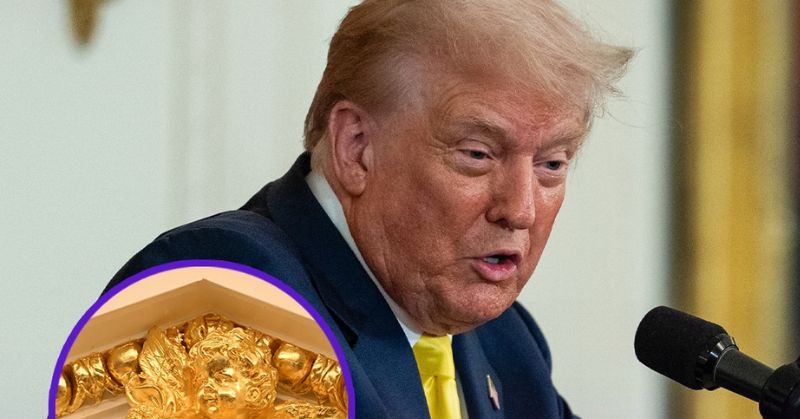
The White House Goes Gold
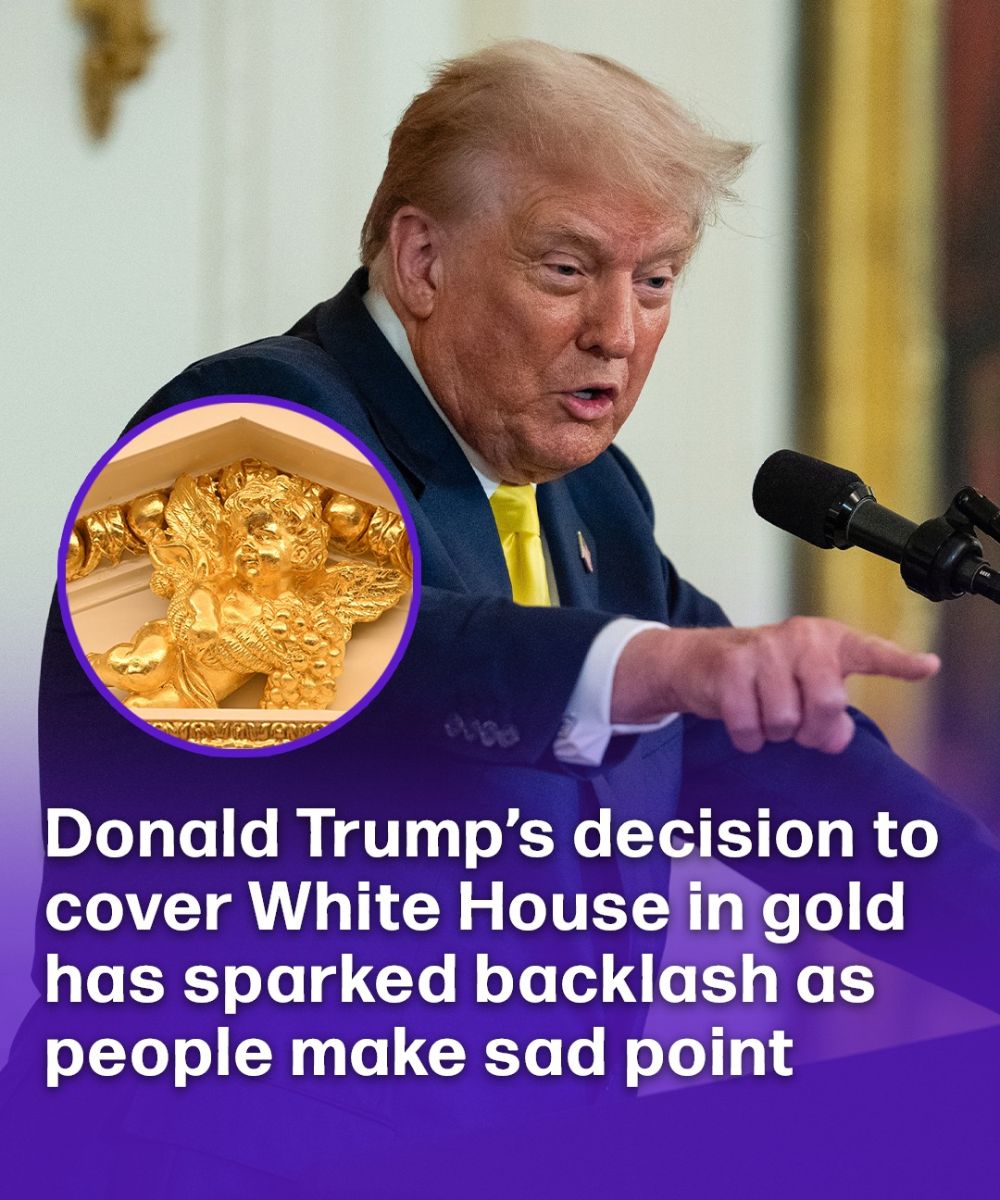
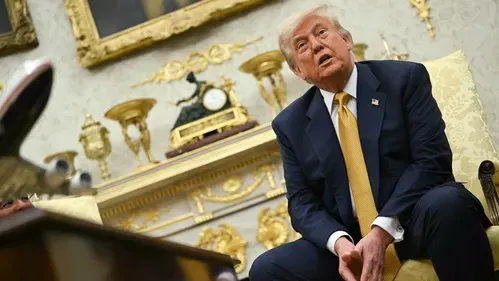
In a recent move that has raised more than a few eyebrows, President Donald Trump announced a grand plan to give certain parts of the White House a golden touch. This decision, part of a broader $200 million (£150 million) renovation project, has stirred quite a discussion.
To begin with, the newly proposed ballroom emerges as a central feature of this project. According to the announcement made on 31st July, this grand addition is intended to handle major functions and honor global leaders without resorting to temporary tents.
Plated in Opulence
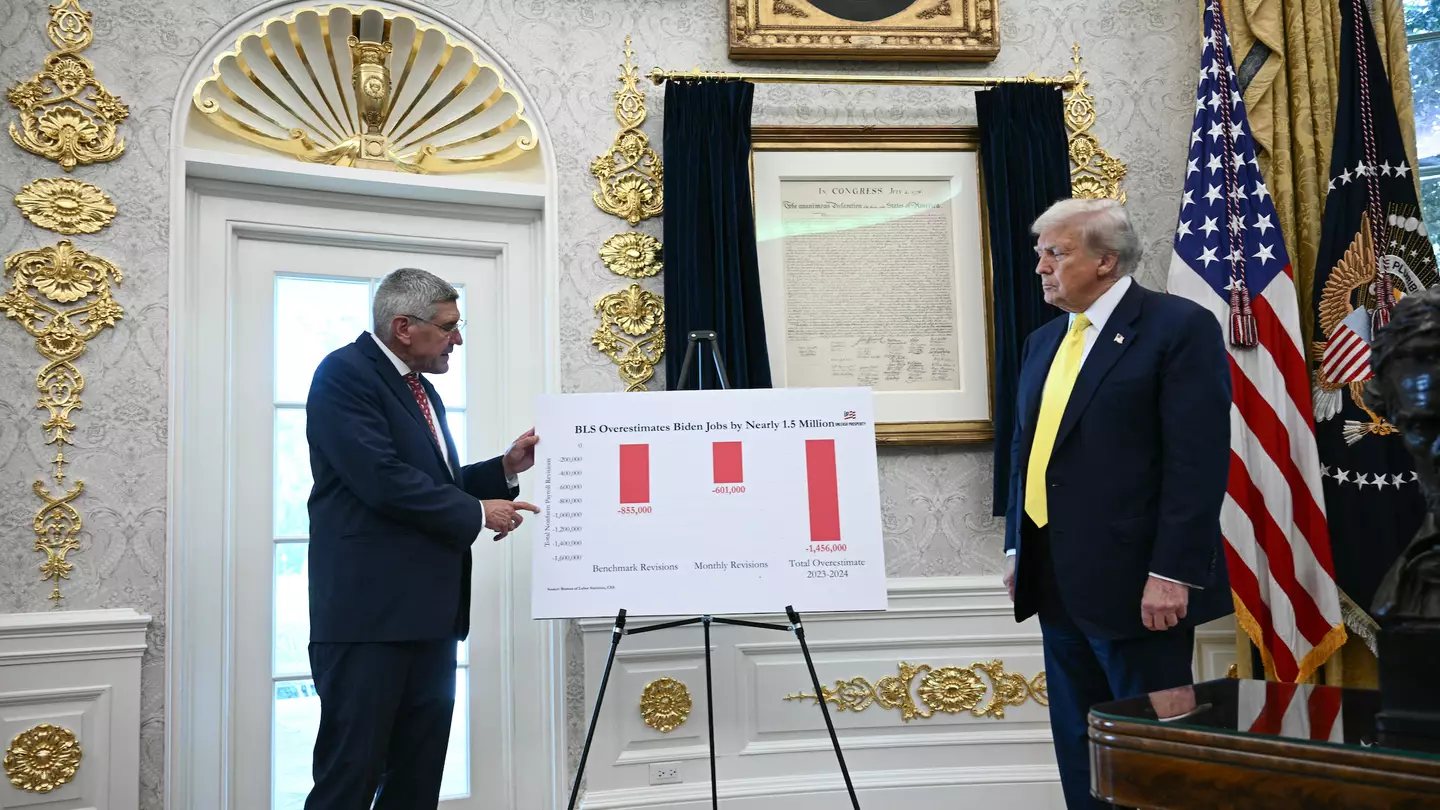
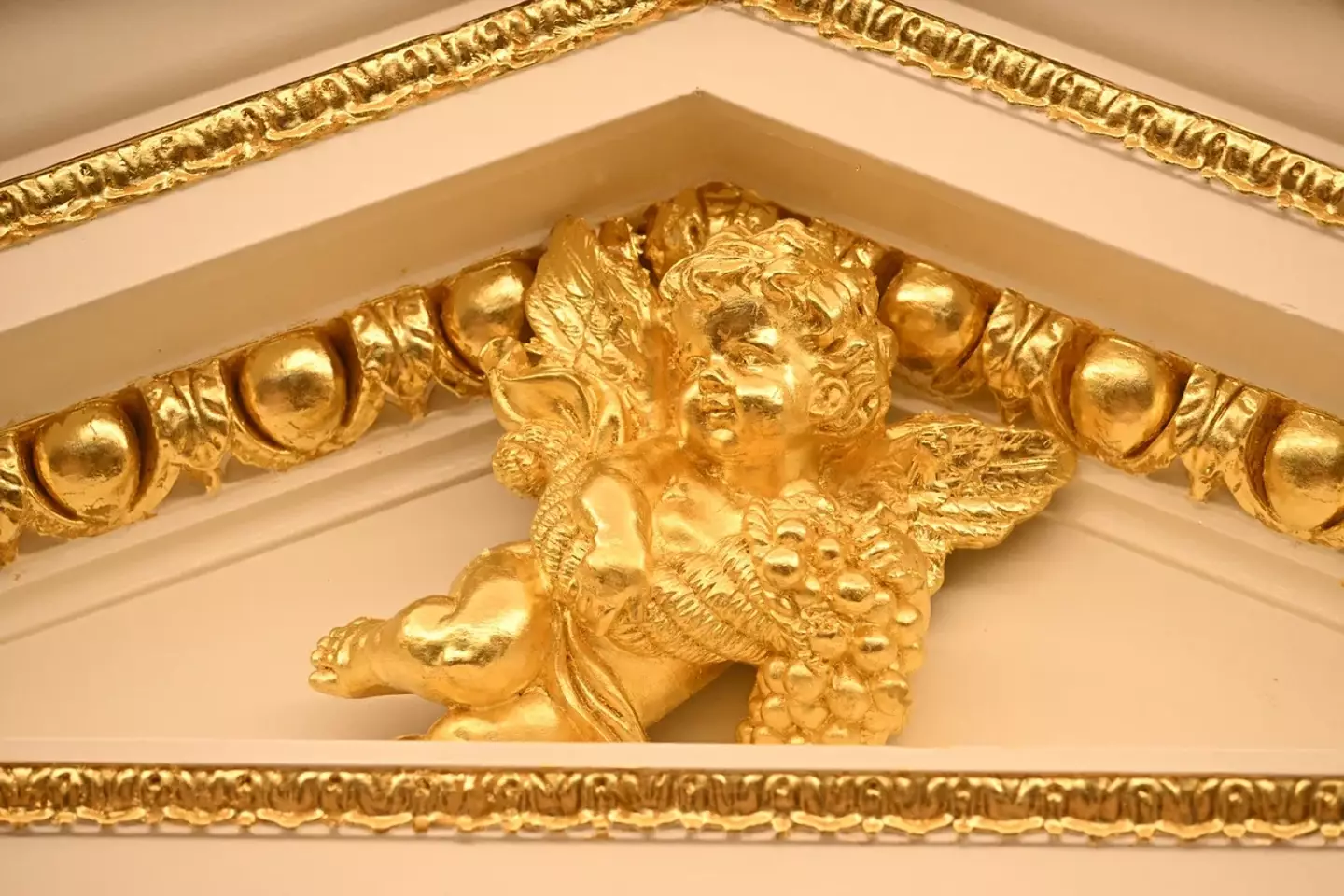
As reported by CNN, the President, aged 79, has been enhancing areas of the White House with elements of gold. These updates include tiny gold cherubs ornamenting the entrance of the Oval Office, adding a touch of the ornate style reminiscent of his private clubs. Journalist Kevin Liptak shared via an Instagram video that some decorations were even imported from Mar-a-Lago.
This ambitious redecorating strategy has led some to speculate whether President Trump is setting the stage to extend his stay in the presidency into a third term. The financial dedication to such lavish refurbishments has been met with surprise and criticism, given the current economic landscape.
Criticism from the Public
Critics took to social media, formerly known as Twitter (now X), to express their frustration. Concerns were voiced about the juxtaposition of such lavish spending against the backdrop of cuts to essential programs. One user commented on the disconnect between the White House’s new gold sheen and significant reductions in funding for cancer research and the Meals on Wheels program.
Questions were asked such as, “How do you justify this when cutting back on essential health and nutrition support for vulnerable children?” The sentiment was echoed by many who likened the extravagance to practices seen in regimes far different from that of the United States.
Broad disapproval has been noted over the prioritization of a $200 million golden ballroom while essential services like school meals and Medicaid face cuts. This widescale critique highlights a significant concern that governmental priorities may not align with public welfare.
Impacts on Social Programs
According to CNBC, alarm over the administration’s plans arises partly from recent decisions to scale back the Supplemental Nutrition Assistance Program (SNAP), crucial for providing food to families in need. This scaling back, made clear in last month’s policy announcements, paints a stark picture—22.3 million families could see their benefits diminish or vanish entirely.
The New York Times suggests this could stand as the most significant cut to food assistance since its establishment in 1939. Through these policy changes, the President’s financial strategies have inadvertently ignited passionate discussions about the values and priorities currently at play in American governance.
Ultimately, this decision marks another chapter in the ongoing narrative of how resources and aesthetics balance—or clash—within the fabric of national identity and administrative governance. Whether viewed as modernization or extravagance, it unquestionably beckons a closer inspection of what such financial decisions convey about leadership in these pivotal times.