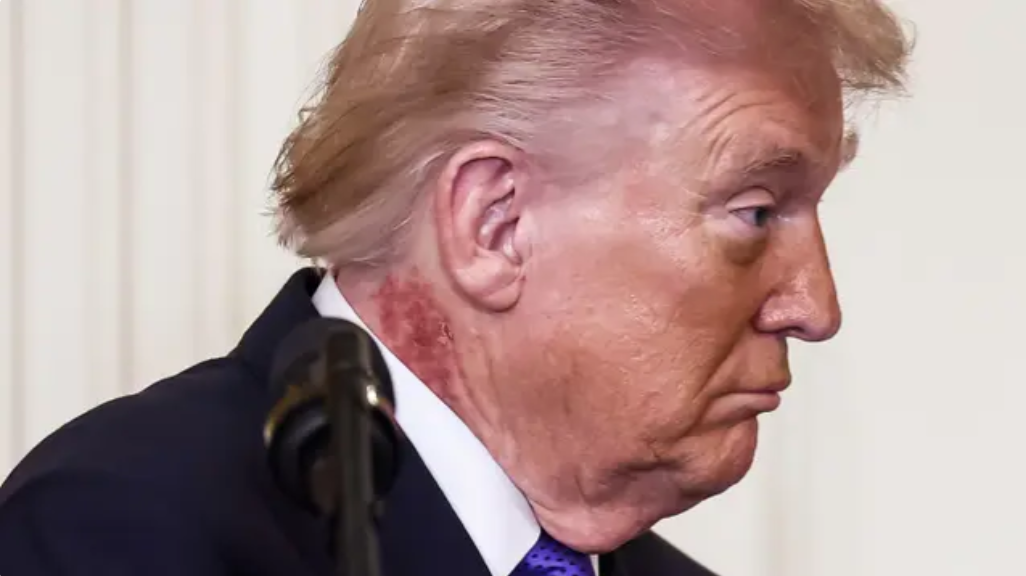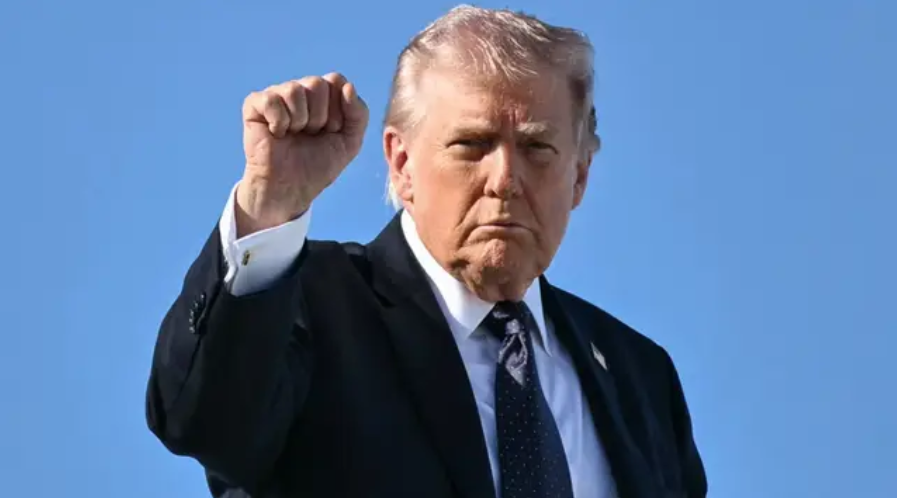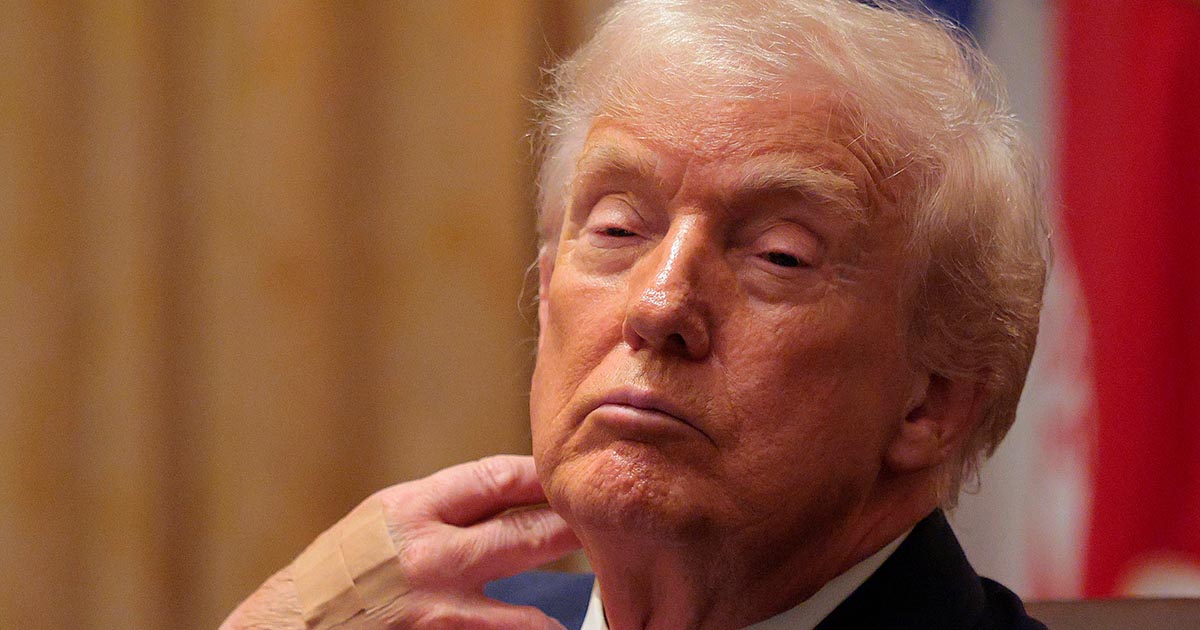
In recent events, former President Donald Trump has again shown his fiery temperament, particularly when dealing with the press. Known for his often contentious relationships with journalists, Trump has frequently found himself in verbal skirmishes with members of the media, especially female journalists. A recent incident shined the spotlight once again on his tendency to lash out during press engagements.
Over the past month alone, Trump has made headlines for such exchanges. One particularly publicized moment involved him calling a Bloomberg journalist “piggy” and later “a terrible reporter” while aboard Air Force One. Another incident saw him labeling CNN’s Caitlin Collins “nasty” and “stupid.” These instances underscore a pattern in Trump’s interactions with journalists who question him critically.
The latest confrontation unfolded during a Q&A session with ABC News Senior Political Correspondent Rachel Scott. Her query focused on Trump’s assurance to release footage related to a strike on a suspected drug trafficking vessel off the coast of Venezuela. Trump’s remarks during this exchange were notably harsh, emphasizing his disdain for the line of questioning he was facing.
A Clash Over Footage
This specific altercation arose when Rachel Scott inquired about Trump’s previous claims, wherein he expressed no objections to making the said footage public. This exchange came after a second strike was ordered by Secretary of War Pete Hegseth, resulting in casualties of two survivors from the initial attack. The journalist sought clarity on Trump’s stance, questioning if he intended to stay true to his earlier words.
However, Trump’s response was to flatly deny both the claim and the intent to release any footage, branding Scott as “the most obnoxious reporter in the whole place.” His remarks continued to criticize her as being “a terrible reporter,” and he reiterated his support for whatever actions Pete Hegseth deemed necessary.
This interaction captured significant media attention, particularly because it highlighted Trump’s recurring theme of discontent with the press and his method of redirecting critical questions by attacking the questioner’s character instead of the content of the inquiry.
Escalating Tension
In the face of the confrontational tone, Rachel Scott pushed back, asking if Trump would indeed release the video footage he had previously indicated he was open to sharing. Again, Trump’s retort was sharp, restating his earlier comments dismissively: “Didn’t I just tell you that? You’re the most obnoxious reporter in the whole place.”
Despite Rachel Scott’s probing questions, Trump’s stance appeared unyielding, leading to further speculation and discussion in media circles about his adversarial approach to journalists, especially those who persist in challenging him on contentious issues.
Previously, at the Reagan National Defense Forum, Trump had mentioned that the issue of releasing the footage was under review, showcasing a different tone compared to his later interaction with Scott. This variance in communication further fuels discussions about his unpredictability in media dealings.
The Larger Picture
Incidents like these drive public and media interest not only in the content of Trump’s statements but also in his handling of media inquiries. Public reactions are often split, with some defending his straightforwardness and others criticizing what they perceive as bullying tactics toward the press.
The question of whether or not the footage from the Venezuelan strike will become publicly available remains unanswered, leaving many wondering about the implications of decisions made behind closed doors regarding sensitive military operations and international incidents.
As discussions continue in various public forums concerning Trump’s latest media interaction and its context, individuals and experts alike are analyzing the potential impacts on journalistic integrity and the freedom of the press.
These incidents serve as a reminder of the challenges faced by journalists in holding public figures accountable while navigating the unpredictable dynamics of political discourse.
While Donald Trump’s presidency might have ended, his influence and confrontational style continue to shape dialogues within political and media landscapes, offering an ongoing subject of discussion and analysis for audiences everywhere.