Paying attention to your health gets more important as the years go by. Many cancers are easier to treat when found early, and small, steady changes in how you feel can sometimes be the first clue that something needs a closer look. The goal here is not to alarm you, but to give you a clear, friendly guide to the kinds of symptoms that, if they linger, deserve a conversation with your healthcare professional.

Think of this as a practical checklist you can hold in your mind. Most of the time, these symptoms have other, far more common causes. But if something feels off to you and it is not getting better, it is wise to get it checked. You know your body best, and noticing what is new or unusual is a powerful skill.
Why early signs matter
Cancer often starts quietly. In its earliest stages, it may not cause strong pain or obvious problems. That is why noticing subtle changes—especially ones that persist—can make a real difference. When cancer is found early, treatment options are often simpler, recovery can be easier, and outcomes can be better. Listening to your body is not about worrying; it is about being informed and proactive.
How to think about symptoms
There are three helpful questions to ask yourself. First, is this symptom new for me? Second, is it sticking around longer than I would expect? Third, is it getting worse or happening more often? A symptom that shows up once and disappears may not mean much. A symptom that lingers for several weeks, or keeps returning without a clear reason, is worth a call to your clinician.
Unexplained weight loss or changes in appetite
Weight can go up and down for many reasons, from diet changes to stress. But losing weight without trying, especially a noticeable amount over a short period of time, deserves attention. Changes in appetite, feeling full quickly, or a lasting dislike for foods you used to enjoy can also be signals that something in your body needs review. If your clothes are suddenly looser and nothing else in your routine explains it, make a note and mention it at your next appointment.
Lasting tiredness that rest does not fix
Everyone feels tired now and then, and a busy week can leave anyone worn out. The kind of tiredness that raises a flag is a deep, ongoing fatigue that does not improve with sleep or time off. If you notice you are more short of breath than usual doing normal activities, or you are needing naps you never needed before, track how long it lasts and whether it is getting worse. Persistent fatigue can have many causes, including anemia, thyroid issues, sleep problems, and sometimes cancer.
Pain that lingers or changes
Pain is common as we age, whether from joints, past injuries, or muscle strain. What stands out is pain that is new and does not fade, or pain that gradually intensifies without a clear reason. Persistent headaches, back pain that is different from your usual aches, or bone pain at night can be clues that you should talk with your doctor. Pain does not always mean cancer, but when pain behaves in a new or stubborn way, it is worth investigating.
Skin changes and sores that do not heal
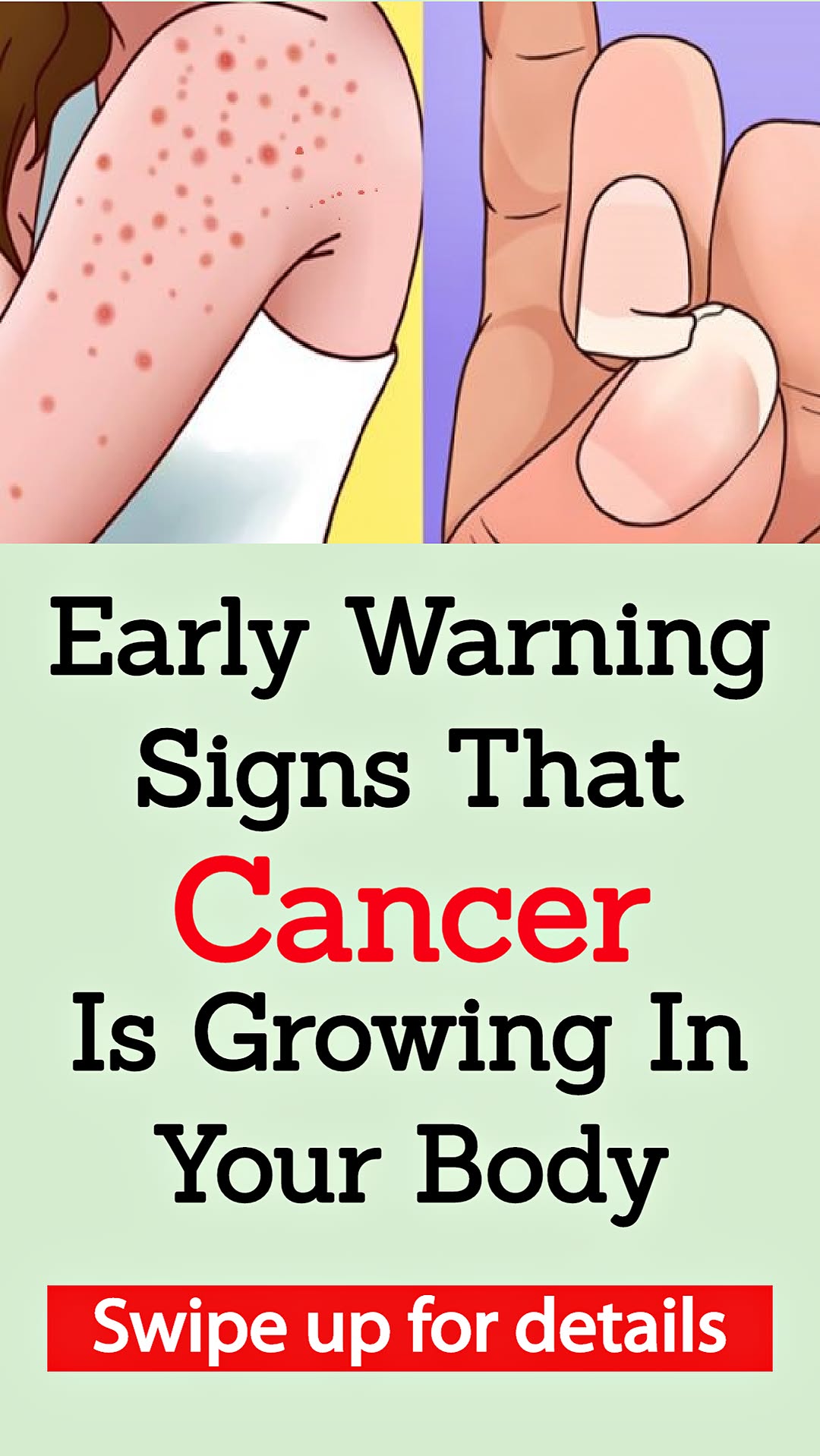
Your skin can offer early hints. A sore that does not heal after a few weeks, a scab that keeps returning, or a patch of skin that becomes darker, redder, or scaly can be important to mention. Moles that change in size, color, or shape also deserve a quick check. Sometimes, a new streak under a fingernail or toenail, or a persistent itch or bleed on a spot, can be a tip-off. If something on your skin looks different to you and it is not settling, take a picture and share it with your clinician.
Lumps, bumps, or swelling
Finding a new lump can be unsettling. Most lumps are benign, but a new or growing lump, or an area that feels thicker than the surrounding tissue, should be examined. Pay attention to your neck, underarms, breasts, testicles, and groin. Swelling in the neck or jaw that does not go away, or a lump that is firm and fixed, is a reason to schedule a visit. In the breast, any new lump, skin dimpling, or nipple discharge is a signal to check in promptly.
Changes in bowel habits
Your digestive system has its own rhythm, and you know what is normal for you. A lasting change in bowel movements—such as ongoing constipation, frequent diarrhea, thinner stools, or the feeling that you cannot fully empty—should be noted. Seeing blood in or on the stool is also an important reason to get checked, even if you think it might be from hemorrhoids. Many noncancerous conditions cause these symptoms, but your clinician can help sort it out and decide if more testing is needed.
Changes in bladder habits
Getting up once or twice at night can be part of aging, and urinary changes can come from many benign causes. Pay attention to blood in the urine, pain during urination, or a sudden, persistent change in how often you need to go. If these symptoms last more than a couple of weeks or worsen, bring them up with your healthcare professional. Simple urine tests can provide helpful answers.
Persistent cough, hoarseness, or shortness of breath
Colds and allergies can leave a cough hanging around for a week or two. A cough that sticks around longer, a hoarse voice that does not improve, or shortness of breath that is new for you deserves attention. Coughing up blood, even a small amount, is a clear sign to call your doctor. These symptoms can have many causes, including infections, reflux, or issues with the lungs or throat. Early evaluation can make all the difference.
Indigestion or difficulty swallowing that does not ease up
Heartburn after a big meal happens to many people. What is more concerning is ongoing indigestion that does not respond to your usual remedies, food getting stuck, or pain when you swallow. If swallowing feels different or harder than before, or you are needing to change your diet to softer foods because of it, make an appointment. Your clinician can decide whether quick treatments are enough or whether you should see a specialist.
Unusual bleeding or discharge
Bleeding that is out of the ordinary should always be discussed. This includes blood in the stool or urine, coughing up blood, unusual vaginal bleeding, especially after menopause, or bleeding between periods. Nipple discharge that is not related to breastfeeding or discharge with an unusual appearance from any body area should also be checked. While infections and other causes are common, ruling out something more serious brings peace of mind.
Changes in the mouth
Sores in the mouth usually heal within a couple of weeks. White or red patches that persist, a sore that does not heal, bleeding gums without a dental cause, or a change in how your dentures fit can be warning signs. People who use tobacco or drink alcohol heavily have a higher risk of mouth and throat cancers, so regular dental and medical checkups are especially important. If something in your mouth is not healing, get it looked at.
Fevers or night sweats without a clear reason
A low-grade fever or night sweats can appear with infections, menopause, and even certain medicines. If you experience fevers that come and go for weeks, or drenching night sweats that are new for you and not explained by a known cause, let your clinician know. Combined with other symptoms like weight loss or fatigue, these can be important clues that guide testing.
Frequent infections or slow healing
Getting sick more often than usual, taking longer to recover, or noticing that cuts and scrapes heal more slowly can point to many possible issues. These include diabetes, nutritional concerns, or changes in your immune system. Rarely, certain cancers can play a role. It is worth a check if you notice a pattern that does not match your usual experience.
Who is more at risk
Age is one of the biggest risk factors for many cancers, which is why paying attention in midlife and beyond is so valuable. Family history can also matter. If close relatives have had cancers such as breast, ovarian, colon, or prostate cancer, your clinician may recommend starting screenings earlier or doing them more often. Lifestyle factors such as tobacco use, heavy alcohol intake, limited physical activity, obesity, certain infections, and long-term sun exposure can increase risk too. None of these guarantee you will develop cancer, but they can shape a smart plan for screening and prevention.
When to call your clinician
If a symptom is new, lasts longer than two to three weeks, keeps returning, or is getting worse, it is reasonable to schedule a visit. Trust your instincts; if something does not feel right, you are not overreacting by asking for help. If you experience chest pain, severe shortness of breath, sudden weakness on one side, or heavy bleeding, seek urgent care immediately. For everything else, a timely appointment can bring clarity and relief.
Screenings that save lives
Screening tests look for cancer before symptoms appear, and they are one of the best tools we have. For many adults between 45 and 65, colon cancer screening is recommended, using methods such as colonoscopy or stool-based tests on a regular schedule. Mammograms can help find breast cancer early, often before a lump can be felt. Cervical cancer screening with Pap and HPV tests remains important for many women through age 65, depending on past results. People with a long history of smoking may be candidates for a yearly low-dose CT scan to screen for lung cancer. Talk with your clinician about which tests are right for you and how often to have them, based on your personal and family history.
Preparing for your appointment
A little preparation can make your time with your healthcare professional more productive. Jot down your symptoms, when they started, how often they happen, and what makes them better or worse. If you have noticed weight changes, take note of your recent numbers. Bring a list of medications and supplements, including doses. If you have photos of skin changes or swelling, bring those too. Consider inviting a family member or friend to come along; an extra set of ears can help you remember details and feel supported.
What to expect at the visit
Your clinician will likely ask questions about your health history and perform a physical exam. Depending on your symptoms, basic tests such as blood work, urine tests, or imaging may be ordered. Sometimes, watching and waiting with a scheduled follow-up is the right approach; other times, a quick referral to a specialist is best. Do not hesitate to ask why a test is being done, what it might show, and what the next steps could be. Clear communication is part of good care.
Taking care of yourself every day
While not every cancer can be prevented, everyday choices can lower risk and strengthen your body. Staying tobacco-free is one of the most powerful steps. Limiting alcohol, moving your body most days, and choosing a balanced diet rich in fruits, vegetables, whole grains, and lean proteins all help. Protecting your skin from the sun, keeping up with vaccinations as advised by your clinician, and maintaining a healthy weight contribute too. Sleep, stress management, and regular checkups round out a well-built plan.
Balancing vigilance with peace of mind
It is natural to feel uneasy when your body does something unexpected. The key is balance. You do not need to examine every sensation with a magnifying glass, but you also do not have to ignore changes that persist. Paying calm, steady attention, and reaching out for medical advice when something seems off, is a wise way to care for yourself. Most of the time, you will get reassuring news and practical steps to feel better. And when something more serious is found early, you give yourself the best chance for effective treatment.
A friendly reminder
This guide offers general information to help you notice potential warning signs. It is not a diagnosis and it is not a substitute for a conversation with your healthcare professional. If a symptom is worrying you, reach out. You deserve answers, and you deserve care that meets you where you are. Your health journey is personal, and paying attention to early signs is a thoughtful, empowering part of it.
The bottom line
Your body often whispers before it raises its voice. Unexplained weight changes, lasting fatigue, stubborn pain, skin or mouth changes, new lumps, changes in bowel or bladder habits, persistent cough or hoarseness, trouble swallowing, unusual bleeding, fevers, or night sweats can all be early hints that warrant a closer look. By tuning in, keeping up with recommended screenings, and partnering with a trusted clinician, you can act early and confidently. Small steps today can protect your tomorrows.