What Sparked This Latest War of Words
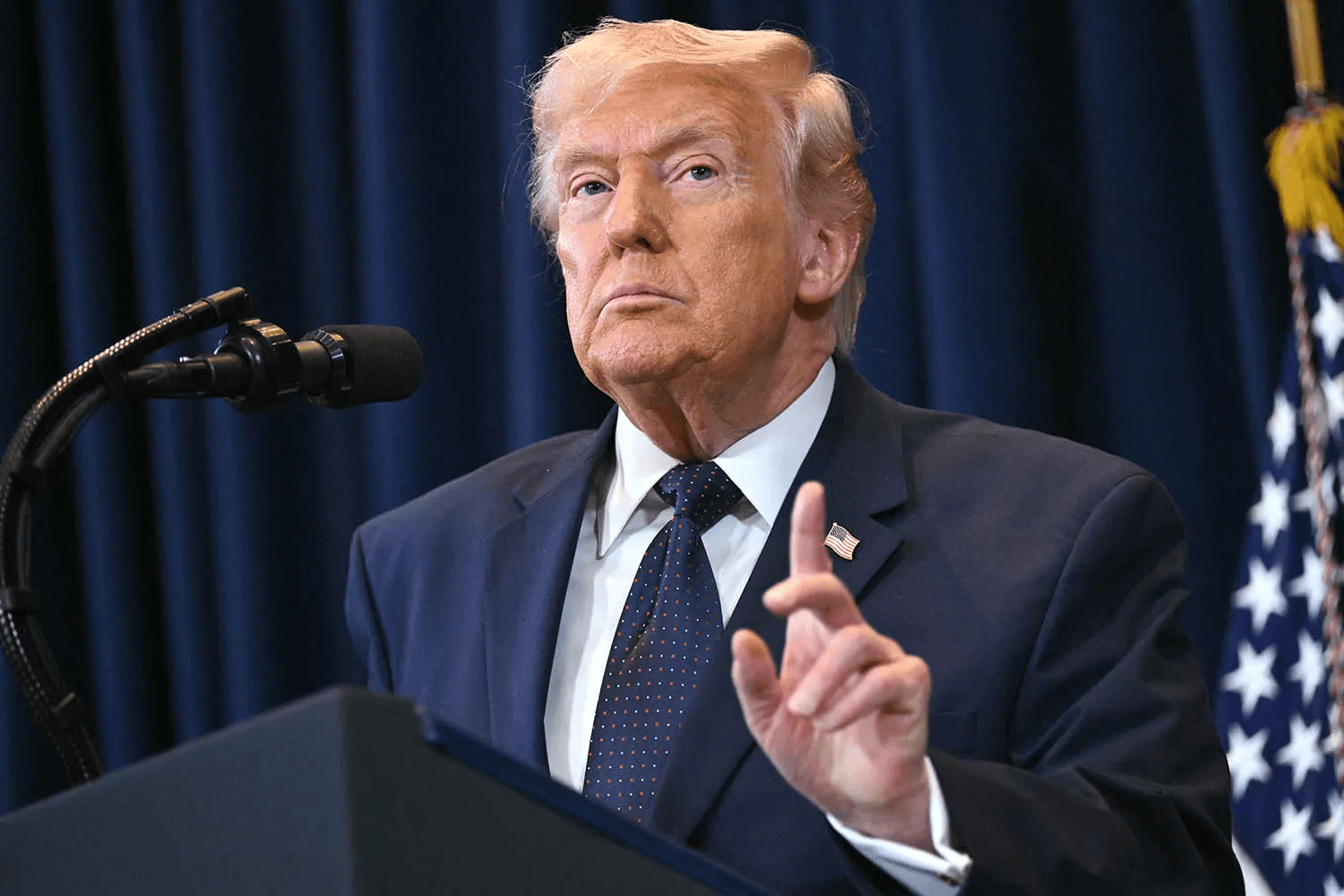
The long-running rivalry between Donald Trump and California Governor Gavin Newsom flared up again after a set of blunt remarks from Trump in the Oval Office. The conversation centered on Newsom’s recent public reflections about growing up with dyslexia and his self-described lower SAT score. Newsom had been speaking openly on the topic while promoting his memoir, aiming to connect with people who struggle with learning differences and to show that such challenges do not define a person’s potential.
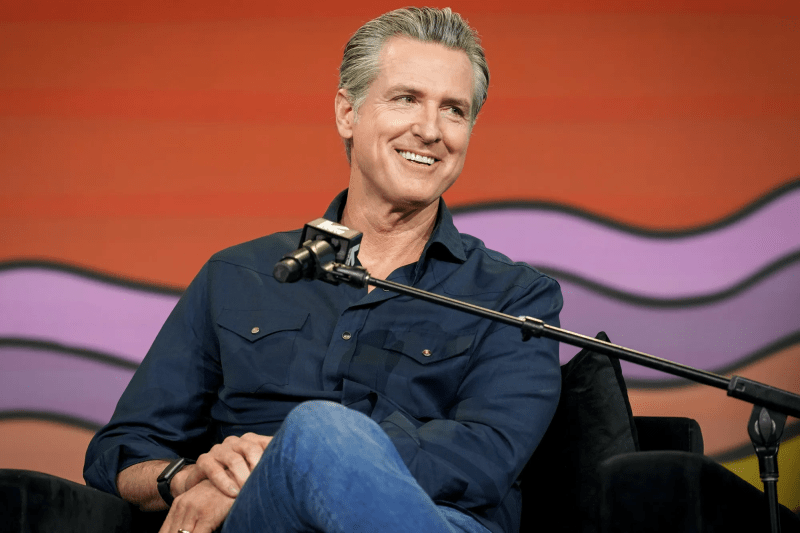
For months, Newsom has been positioning himself as a prominent voice in national politics, and talk of a possible 2028 presidential run has followed him around the country. During a stop in Atlanta, he referred to himself in plain terms, sharing that standardized tests were not his strong suit and that reading directly from a prepared speech can still be tough. He framed these experiences as everyday realities that many Americans, young and old, can relate to.
What Trump Said and Why It Stood Out
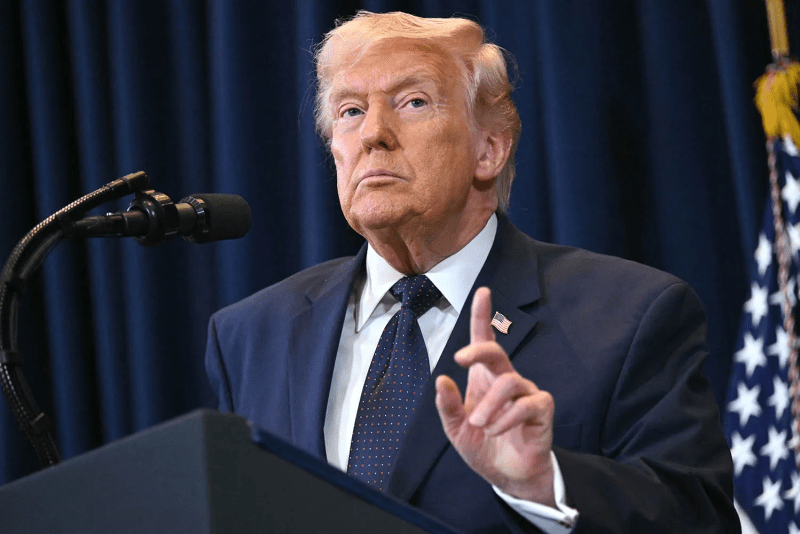
Trump reacted sharply. He argued that a president should not have a learning disability, suggesting that such a condition would be disqualifying. He also resorted to a disparaging nickname and declared that “everything about him is dumb,” a sweeping put-down aimed squarely at Newsom’s abilities and character. Trump highlighted Newsom’s mention of a lower SAT score and difficulty reading speeches aloud, and he pushed the idea that these admissions, while perhaps fine for others, should not be present in the person leading the nation.
His comments drew immediate attention, not only because they took aim at a common learning difference but also because they revived a broader debate about what qualities are most important in a president. Trump’s framing presented dyslexia as a weakness rather than a difference. That perspective landed with a thud for many families who have navigated the realities of learning challenges, often wisely and successfully, for decades.
Newsom’s Message: Strength Through Struggle
Newsom answered quickly on social media, addressing young people and adults who live with learning differences. His message was direct: do not let anyone, not even the president, bully you. He called dyslexia a source of strength, not a barrier. Coming from a sitting governor who has spoken openly about the extra effort it takes to communicate in a world built around fast reading and on-the-spot fluency, the response felt personal and encouraging to many.
His wife, Jennifer Siebel Newsom, followed with a strongly worded video response. She called Trump’s remarks uninformed and hurtful, emphasizing that dyslexia is not a measure of intelligence or capability. She pointed out that many highly accomplished people—including leaders in business, the arts, and public service, and even some former presidents—have had to work around similar challenges. She also spoke from a family perspective, noting that children who learn differently often push twice as hard to keep pace, developing a deep well of resilience that can serve them for life. Her comments flipped the conversation from insult to insight, highlighting the everyday grit that many families know well.
The Political Back-and-Forth We Have Come to Expect
This exchange is the latest chapter in a rivalry that has played out in speeches, interviews, and social media for years. Newsom has frequently criticized Trump’s leadership style and policy choices, and Trump has rarely passed up a chance to return fire. Following Trump’s latest remarks, Newsom’s team responded with tongue-in-cheek posts that imagined what a “dyslexic president” might do in office, turning the criticism into satirical policy points meant to underscore that learning differences have nothing to do with leadership potential.
Political sparring like this is not new. It is part of a broader American tradition in which personalities clash, sharp words are exchanged, and each side tries to energize supporters. What makes this moment feel different to some is the focus on a common learning difference that touches many households. For those who have walked with a child or grandchild through reading challenges, speech therapy, or extra tutoring, the language used here feels close to home. The debate is not only about tone. It is also about what we consider strength, savvy, and capability in our leaders.
Understanding Dyslexia in Plain Terms
For many families, dyslexia is familiar territory. It is a difference in how the brain processes language, especially written words. People with dyslexia may read more slowly or find it harder to decode text on the page, but that does not mean they are less smart. In fact, plenty of people with dyslexia excel in problem solving, big-picture thinking, creativity, and verbal storytelling. Many describe it as a different path to the same destination, requiring more patience, practice, and support along the way.
Parents and grandparents know this firsthand. They have seen the extra effort, the tutoring sessions, the trial and error with learning tools, and the boost that comes from a teacher who understands. When a public conversation reduces those experiences to an insult, it can feel dismissive of the work that families do every day. When a leader instead recognizes the determination behind those efforts, it can be a powerful reminder that perseverance is often a better predictor of success than any single score or label.
About Those SAT Remarks
Newsom’s reference to his own SAT score was not unusual in the world of political storytelling. Public figures often share personal shortcomings to show humility and to relate to people whose paths were also not perfectly straight. The SAT has changed formats and scoring scales over the years, and most adults remember it as a test that felt high-stakes at the time. Even so, life outcomes are shaped by far more than a number from a Saturday morning decades ago.
For many readers, that is an easy truth to accept. Careers are built through hard work, mentorship, and determination. Families are strengthened by patience and love. Communities are formed through service and trust. An old test score tells very little about how someone will lead under pressure, listen to experts, or make hard choices with the country’s well-being in mind. For voters, especially those with years of life experience, character and judgment overshadow almost any academic metric.
Leadership, Communication, and What Really Matters
Trump’s comments reopened a familiar debate about leadership qualifications. Should the measure of a president be fluency with a teleprompter and mastery of rapidly scanning written remarks? Or is it something else—judgment, steadiness, empathy, and the willingness to make decisions based on careful advice and real-world facts? Reasonable people can disagree, and often do. But dismissing a learning difference as a disqualifier narrows the conversation in a way that leaves out many capable Americans.
Modern leadership is a team effort. Presidents lean on advisors, subject-matter experts, and experienced staff. They prepare for major speeches. They review policy briefs in the formats that help them absorb information best, whether that is by reading, listening, or asking probing questions in briefings. A leader who knows how they learn best, and who hires well, can succeed while managing personal challenges—just as millions of workers and parents do every day.
Why This Exchange Hit a Nerve
The heat in this moment comes from more than partisan rivalry. It is about dignity. Families who have backed a child through a learning challenge know the courage it takes to speak up and keep going. Adults who did not receive early support decades ago remember the frustration and the hard-won progress. For them, pointing at dyslexia and calling it disqualifying feels like a return to a time when such differences were misunderstood and too often mocked.
On the other side, some voters respond when politicians project toughness, even if it means sharp elbows in public. They see blunt talk as authenticity. American politics has always included a mix of brass and grace, humor and edge. But when the target is a learning difference, many feel the line has been crossed, not because leaders must be shielded from criticism, but because the insult lands on millions of everyday people who share that experience.
The California–Washington Dynamic
There is also a larger storyline at work: the ongoing tension between California’s political identity and national conservative leadership. Newsom has cast himself as a foil to Trump-era policies on climate, health care access, reproductive rights, and social issues. Trump, in turn, has made California a punchline in rallies and interviews, often pointing to the state’s high cost of living and public safety concerns. Each benefits when the other serves as a convenient opponent in front of their own audiences.
That is why clashes like this are unlikely to fade. They capture attention, raise money, and help define the political brand of both men. Even so, the specific focus of this episode—dyslexia and a long-ago test score—has broadened the conversation in living rooms and kitchen tables, where people are not thinking about political strategy but about their children, grandchildren, and their own school memories.
How Voters May Read This Moment
For voters in midlife and beyond, the takeaway may be less about a single provocative quote and more about what it reveals. Some will see a lack of empathy in Trump’s comments and question whether that tone reflects the kind of leadership they want. Others will see a willingness to speak without filters, which they may equate with directness. Meanwhile, Newsom’s candid talk about personal struggles will resonate with voters who value openness, while critics may dismiss it as calculated storytelling.
As the years roll toward another presidential cycle, these impressions matter. They add up. Younger voters often respond to authenticity and mental health awareness, while older voters tend to weigh steadiness, effectiveness, and results. Bridging those priorities requires a kind of communication that respects people’s lives and experiences, and that recognizes the strength in working through challenges, not just bragging about triumphs.
A Note to Readers Who Know This Terrain
If you or someone you love has navigated dyslexia or another learning difference, this moment is a reminder that your effort counts. The hours spent sounding out words, seeking the right teacher, or finding alternative ways to learn are not a detour from success—they are a path to it. Many accomplished people have moved through life with these same challenges and found ways to turn them into sources of creativity and insight. The skills learned along the way—persistence, patience, and problem solving—are not just academic. They are life skills.
When public talk grows loud and coarse, it helps to return to the basics. Respect matters. Facts matter. Results matter. When voters assess leaders, they can ask whether a person listens, whether they gather strong teams, whether they accept responsibility, and whether they treat people with dignity. Those qualities do not depend on a test score from youth or a reading difference that persists into adulthood. They depend on character.
Where This Leaves the Feud
Neither Trump nor Newsom seems likely to back down. Each sees benefit in the contrast. Trump presents strength through blunt criticism and attack lines that energize his base. Newsom presents resilience, leaning into personal history to argue that setbacks and differences can build strength. Their back-and-forth will likely continue as both men seek to shape national conversations and keep their names in the headlines.
Still, there is an opening here for something better. The country can talk about what we really want in leaders without dragging millions of ordinary people into an insult. That means focusing on plans, records, and the qualities that help a president navigate crises, weigh complex information, and make decisions for the common good. Whether you favor Trump, lean toward Newsom, or prefer someone else entirely, that is a conversation worth having.
The Bigger Picture
America’s story is full of people who succeeded by finding new routes around old obstacles. That is as true in public life as it is in business, community service, and family. When a public figure frames a learning difference as a flaw too big to overcome, it misses the heart of that story. When another public figure uses a personal challenge to connect with others, it can feel honest, even inspiring, but it also invites fair scrutiny about broader qualifications. Voters can hold both ideas at once: compassion for the person and clear-eyed standards for the office.
In the weeks ahead, expect both camps to continue shaping their messages. Trump will likely stick with the tough talk that has characterized his public persona for years. Newsom will likely keep emphasizing resilience and contrasting styles of leadership. Whether this exchange changes minds is an open question. But for many families who know what it means to push through a challenge day after day, the hope is simple: that our public talk will value effort and dignity, and that our leaders—present and future—will do the same.
Closing Thoughts
This dustup began with a memoir stop and a personal admission, grew into a national headline, and landed in a place that is deeply human. Learning differences are part of many lives. They shape how people read, write, and absorb information, but they do not fix a limit on what any person can do. A president is not measured by a childhood test or a single skill. A president is measured by how they serve, who they include, and whether they bring out the best in the country they lead.
That is a standard that invites everyone into the conversation—parents who have coached a child through a hard school year, grandparents who have seen grandkids thrive with the right support, and adults who have quietly carried their own challenges into boardrooms, classrooms, and public service. However this particular feud evolves, that standard remains. It is not about scoring points in a loud moment; it is about who we are together, and the respect we show for one another on the way forward.