
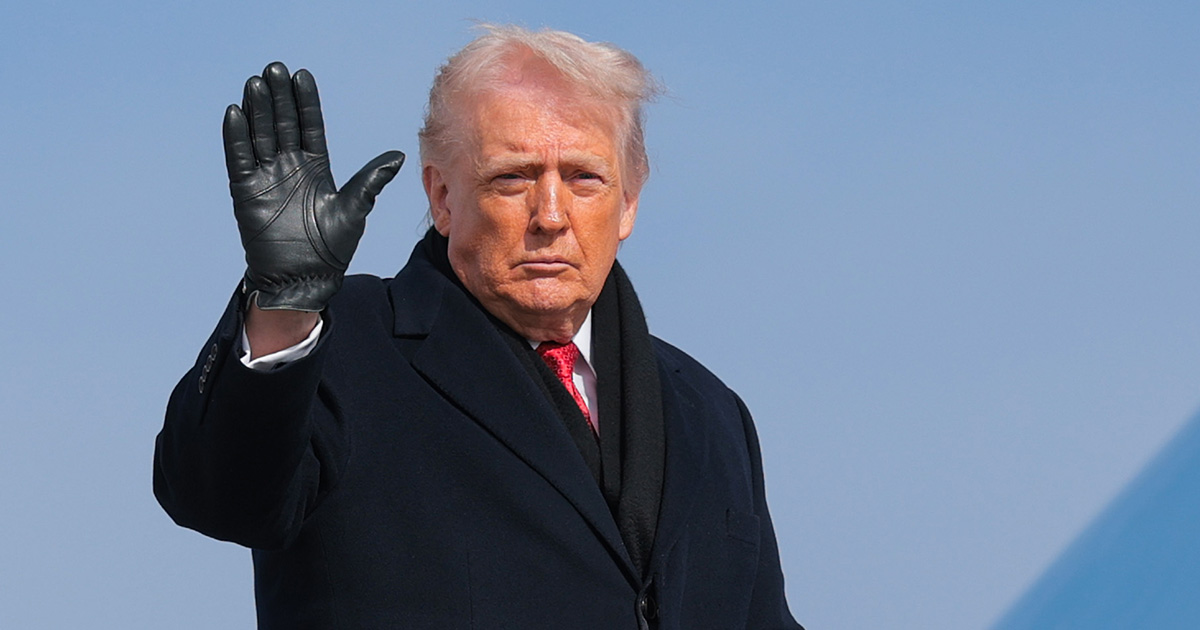
Donald Trump is keenly interested in acquiring Greenland.
But what fuels this intrigue? That’s the question confounding politicians, analysts, and critics alike, prompting a wave of speculation.
A former CIA officer is now stepping into the debate.
The focus is on Donald Trump’s persistent efforts to take control of Greenland, a geopolitical situation that has bewildered many. This includes even hinting at using military force, making it one of the most unexpected international narratives in recent memory.
Andrew Bustamante, a former U.S. Air Force officer turned CIA operative, reveals that Trump’s attraction to the vast Arctic island extends beyond known public discussions, with his true intentions possibly hiding in plain sight.
The Implications of Trump’s Tariff Threats
The Greenland controversy reached a new height when Trump threatened tariffs against the United Kingdom and several European countries unless the U.S. was allowed to purchase Greenland, currently under Danish governance.
UK Prime Minister Keir Starmer publicly criticized the tariff threats, emphasizing that only Greenland and Denmark should determine the fate of Greenland.
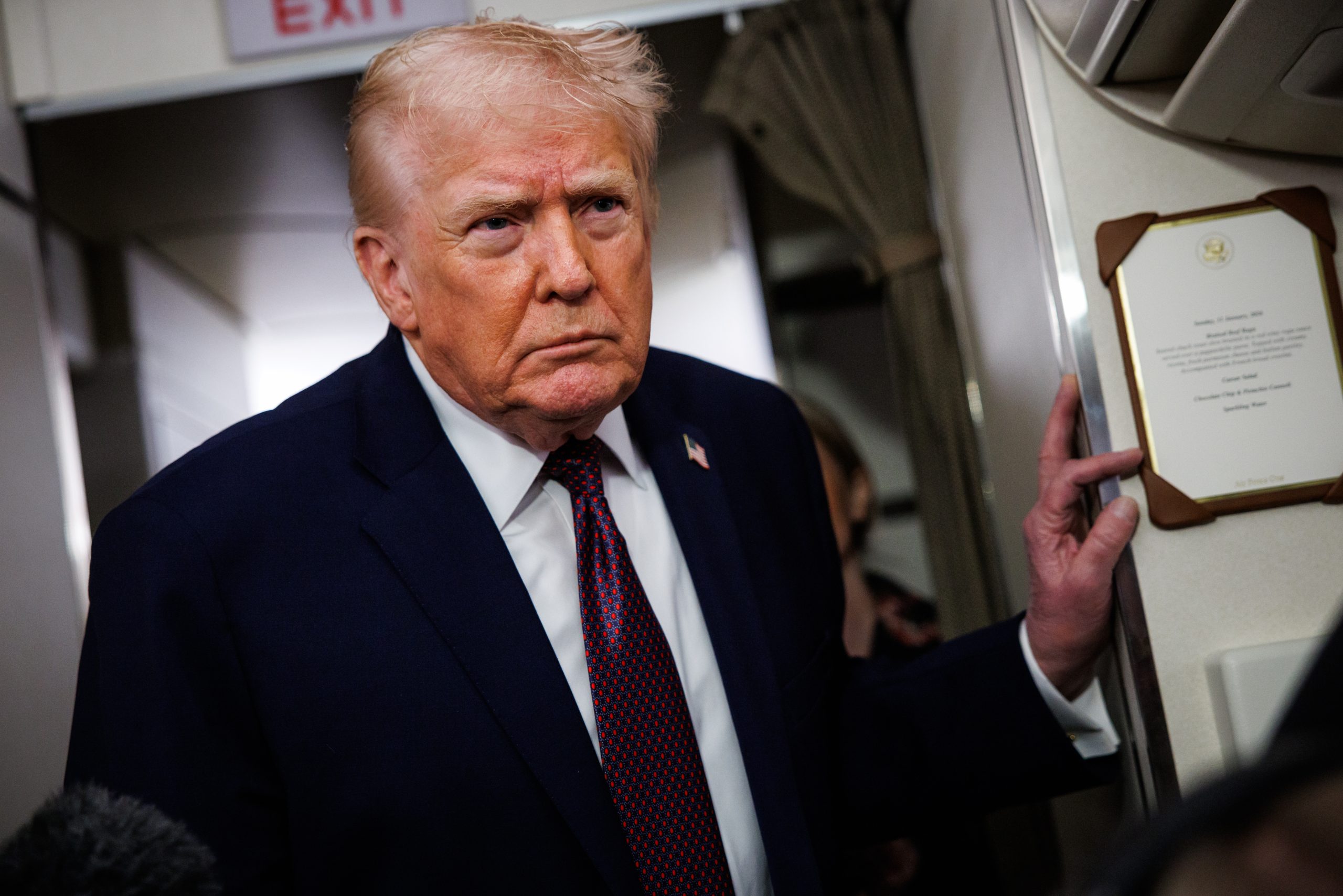
Undeterred, Trump insists Greenland is crucial for “national security,” implying the U.S. could obtain it “the easy way” or “the hard way,” a statement that has caused tension across NATO.
Greenland’s residents have already voiced disinterest in joining the U.S., and only a small fraction of Americans back Trump’s Greenland pursuit, based on a new Reuters/Ipsos survey.
The Insights of a Former CIA Officer
Speaking to The Express, Andrew Bustamante shares what he believes truly fuels Trump’s focus on Greenland. It’s all about dominance, resources, and the future of the Arctic.
He explained how dominating the Arctic is vital for maintaining American superiority. The urgency underscores the push for economic independence through access to essential minerals found in Greenland, which have become more reachable due to global warming.
Such resources not only spur economic growth but are also pivotal for military advancements. There’s a significant U.S. interest in securing some influence over Greenland’s resources, although legal precedence for a forceful takeover is absent even by American standards.
An economic arrangement with factions in Greenland craving independence seems likely, according to Bustamante.
An Alternative Approach?
Rather than an overt military showdown, Bustamante suggests a more subtle U.S. approach that might bypass Danish authority altogether.
He theorizes that the U.S. might seize segments of Greenland peacefully, ensuring Denmark’s dissatisfaction but potentially increasing Greenlanders’ contentment. The exact manner and timing remain unpredictable, though.

Any forceful attempt to acquire Greenland could demolish U.S. commitments to NATO, although mere uncertainty might still align with Trump’s strategies.
The Strategic Importance of Greenland
Positioned strategically between North America and the Arctic, Greenland is ideal for missile detection systems and maritime surveillance.
However, it’s the resources beneath Greenland’s icy surface—abundant uranium, iron, rare earth minerals, and potential oil and gas—that draw significant attention. Such resources could influence the global balance of power for years.
Despite these claims, Trump asserts that his interest in Greenland isn’t mineral-driven but is purely a matter of “national security.”
This year saw JD Vance visit a U.S. military base in Greenland, adding to speculation about possible long-term plans.
Why the Issue Might Subside
Bustamante thinks Trump skillfully manipulates media cycles and may expect the Greenland narrative to fade from the spotlight, especially if negotiations unfold discreetly.
In Bustamante’s view, Trump might leverage strategic ambiguity to strengthen his influence, making others question if they should comply with his Greenland ambitions.