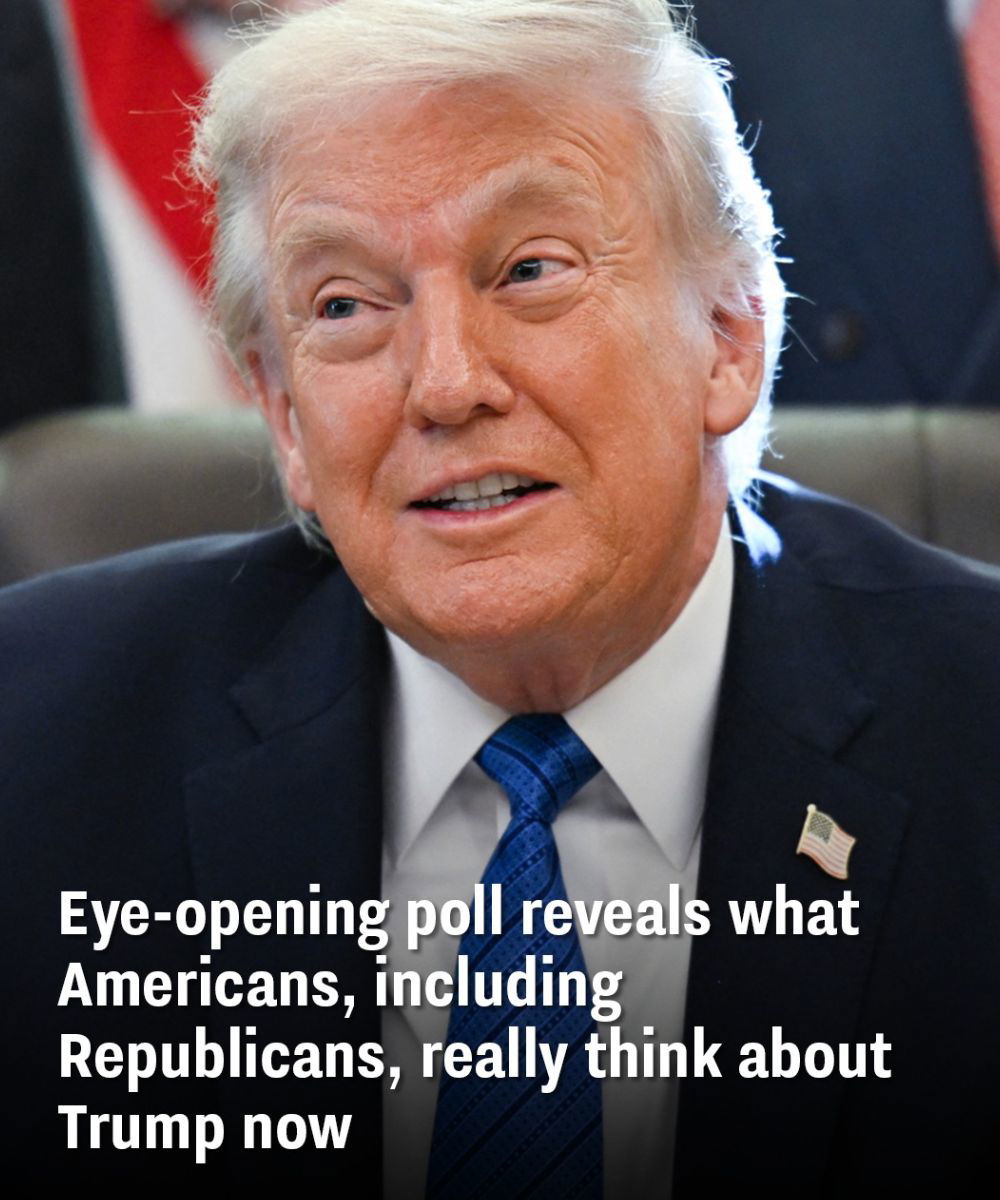
After Donald Trump began his second term in office, many assumed his approval ratings would rise, driven by longtime supporters who have backed him for nearly ten years. Instead, the latest numbers have caught many by surprise.
Since returning to the White House, Trump’s approval ratings have taken a turn that few anticipated. Recent polls have unveiled unexpected shifts in public sentiment, showing surprising changes in attitudes towards his leadership.
Regardless of initial support, it’s clear from these findings that many Americans are reevaluating his performance compared to their expectations before he resumed office.
The Pew Research Center conducted a detailed survey to gauge confidence in Trump’s leadership. The results revealed that currently, only 34 percent of Americans have strong confidence in his abilities as president.
The research surveyed 8,512 adults from various political backgrounds between January 20 and January 26, focusing on six key traits they consider essential for any president.
Interestingly, the data indicates a drop in confidence across all six traits, a trend particularly noticeable among Republican respondents.
At this point, Trump’s overall approval rating is at 37 percent, a slight decline from the 40 percent recorded last fall.
When respondents were asked to match his performance with their initial expectations, half reported disappointment, stating he did worse than expected, while just 21 percent felt he exceeded their expectations.
Support for Trump’s policy decisions has waned, dropping from 35 percent to 27 percent.
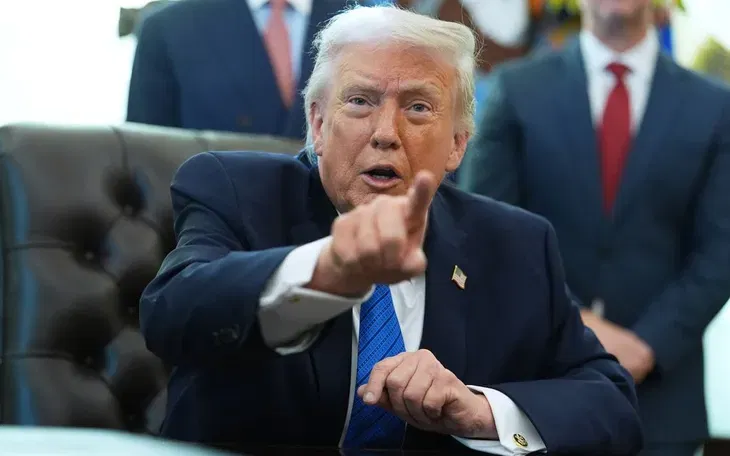
The survey dug deeper, uncovering that 51 percent of participants were not confident in Trump’s leadership at all. Only a small fraction, 14 percent, considered themselves somewhat confident in his capabilities. Questions about his fitness for office persist, with 52 percent doubting his mental faculties and 50 percent questioning his physical aptitude for the presidency.
Beyond this, confidence in his understanding of governmental functions is low. Only a quarter of the participants were confident in Trump’s grasp of U.S. democratic principles, and the same number thought he chose competent advisers.
A noteworthy observation from the survey was the significant number of Republicans reassessing their views on Trump’s competence during this term.
In the early days of this term, 55 percent of Republicans and Republican-leaning independents trusted his ethical conduct. But a different AP-NORC poll this month shows a majority, 61 percent, disapproved of his handling of immigration issues.
The New York Times and Siena University joined the conversation with a January 22 survey, noting that 49 percent of Americans felt the country was in a worse state under Trump’s presidency.
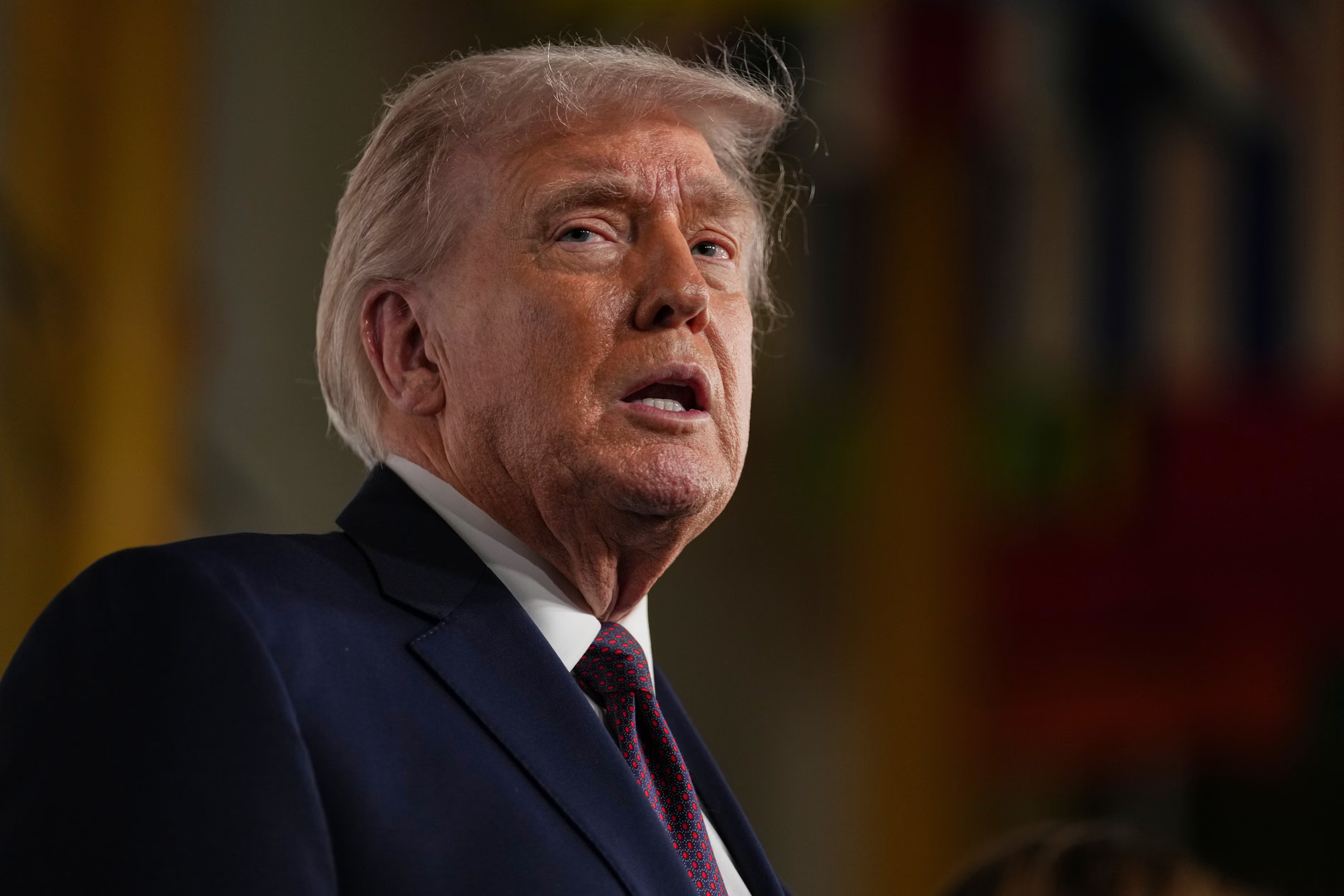
Trump responded to these findings with visible anger, deeming them illegitimate.
He accused certain media outlets of using these polls strategically to mislead the public during the 2020 election, claiming an effort to sway voter opinion. Trump reiterated his belief that he won by a significant margin, asserting victory in the popular vote and across crucial states.
His criticism spanned several media giants, pointing fingers at organizations like The New York Times, ABC, NBC, CBS, CNN, and MSNBC, blaming them for relying on inaccurate polling methods that don’t reflect actual election results. Trump also took a jab at Fox News and The Wall Street Journal for what he perceives as consistently poor polling records, calling for accountability for what he described as deceptive practices in polling.