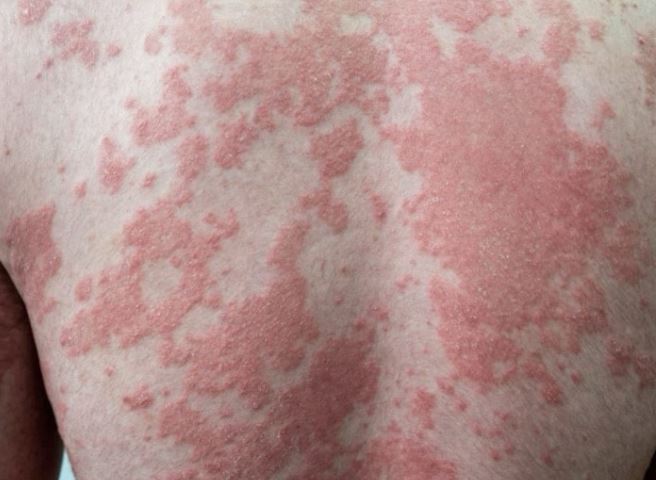
Psoriasis is a persistent skin condition affecting millions worldwide. While it’s not something you can catch from someone else, recognizing the early signs is vital for effective management. Understanding the different forms, potential causes, and treatment is crucial. Let’s delve deeper into these aspects, which are essential for managing this condition effectively.
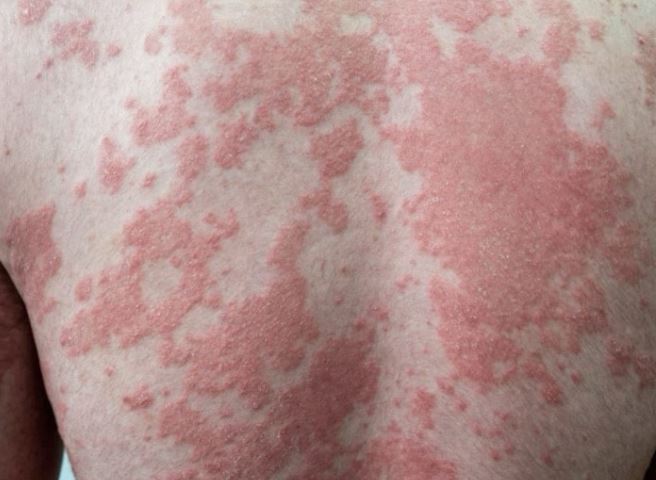
Psoriasis can present itself in various ways, each with specific characteristics:
Plaque Psoriasis
This is the most common form, appearing as red spots covered with silvery scales. These patches can be itchy and sometimes painful, significantly affecting daily life.
Guttate Psoriasis
Often following infections like strep throat, guttate psoriasis is marked by small, drop-shaped spots on the skin. This type is more frequent in younger individuals.
Pustular Psoriasis
Characterized by pus-filled blisters on top of red, inflamed skin, pustular psoriasis can be particularly distressing. It’s crucial to seek medical attention if you notice these symptoms.
Inverse Psoriasis
Causing smooth, red lesions in moist areas such as skin folds, inverse psoriasis is often aggravated by rubbing and sweating. Managing moisture in these areas becomes paramount.
Understanding these different manifestations can lead to quicker identification and treatment. The first step is always recognizing the signs your body is giving you. Let’s further explore why these symptoms should not be ignored.