What Viewers Saw During the Oval Office Event
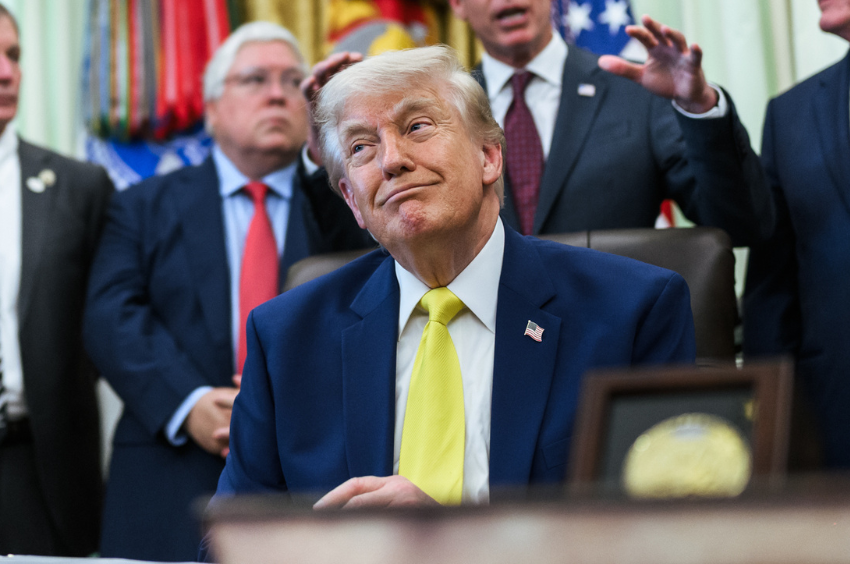
During a televised appearance from the White House, cameras captured President Donald Trump seated at the Resolute Desk as a policy briefing unfolded. At one point, viewers noticed the president leaning back and appearing to rest his eyes while other officials spoke. The moment drew quick attention on social media, and Fox News briefly moved away from the live shot, returning to its regular programming flow before continuing broader coverage.
The shift on air was brief, but it became a focal point online, where short clips and still images circulated within minutes. To many watching at home, it looked like the president might have dozed off. Others argued it was a simple pause with closed eyes during a lengthy, highly technical discussion. As with so many moments in modern politics, a few seconds of video turned into a lively debate about what had really happened.
How the Briefing Unfolded Inside the Oval Office
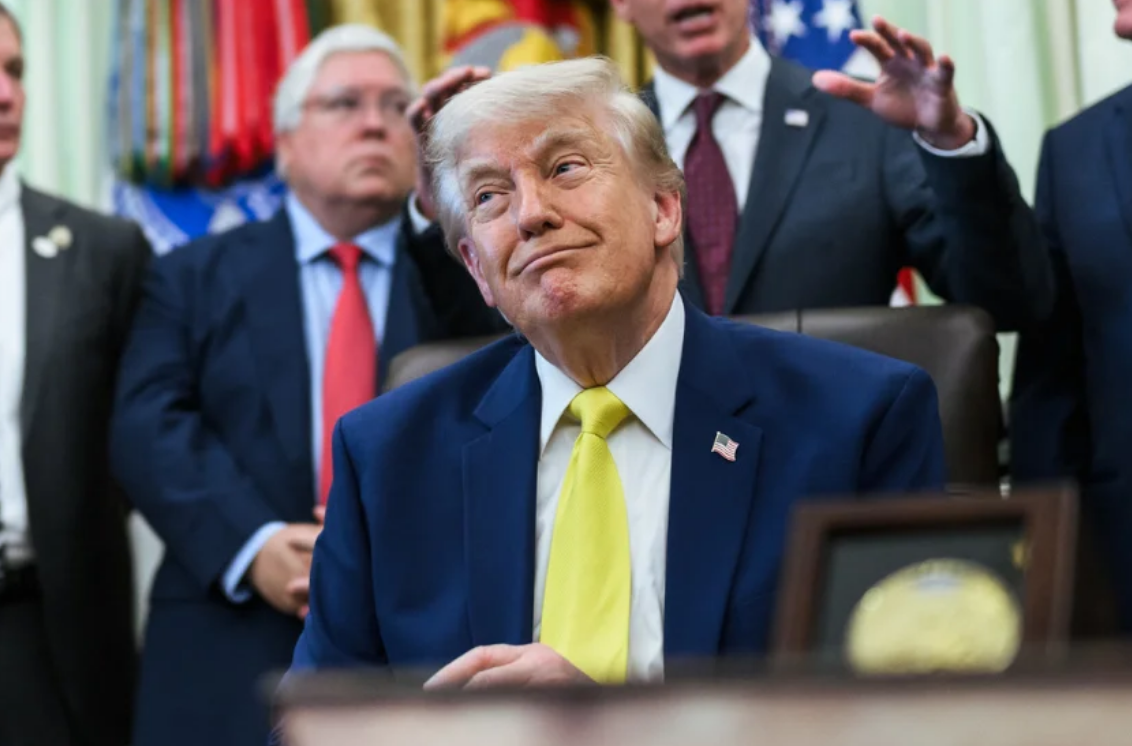
The Oval Office setting was familiar: dignified, restrained, and packed with cameras. After making initial remarks, President Trump passed the microphone to Environmental Protection Agency Administrator Lee Zeldin and Interior Secretary Doug Burgum, who took the lead on the discussion. Their focus was energy and regulatory policy, including rules affecting coal and other traditional sources of power. They also offered pointed criticism of prior Democratic administrations, framing the current approach as a course correction intended to support energy production while balancing economic needs.
As Zeldin spoke at length, the president remained at the desk, listening as aides and Cabinet officials outlined their positions. Viewers noticed several moments when Trump leaned back, closed his eyes, and stayed still. Because the shot held on his face and upper body, small movements were easy to spot, and each pause looked more pronounced on television than it might have felt in the room. From there, the interpretation split: some saw a routine pause during a long briefing; others saw signs of fatigue.
Celebrating results for some of the most loyal, hardworking patriots, AMERICA'S FARMERS! 🇺🇸
— The White House (@WhiteHouse) June 6, 2026
"Biden & the Radical Left Dumocrats in Congress crushed farmers with brutal restrictions, crippled you with the worst inflation… by contrast, in my first year back in the Oval Office,… pic.twitter.com/csjgmH36pf
Why Networks Sometimes Cut Away From a Live Feed
For those who wondered why the network briefly cut away, it helps to understand how live news is produced. Producers constantly make fast decisions about what to show to keep broadcasts informative and visually engaging. If a scene grows static—for instance, a long stretch of a single person listening without speaking—control rooms may switch to a wide shot, move to a different camera, or pivot to a studio anchor for context. This is not unusual. It does not necessarily signal anything dramatic behind the scenes. It is often about pacing, clarity, and moving the story forward for viewers at home.
In this case, the move away from the direct close-up aligned with that general practice. The cut did not end coverage of the event; rather, it paused the close shot that had prompted so much chatter online. Producers regularly manage such moments, especially when the news value lies as much in the broader policy discussion as in the facial expressions or posture of any single participant.
How Social Media Reacted Within Minutes
The clip raced through social platforms almost immediately, where it was edited, repeated, and re-captioned many times. Some critics framed the clip as evidence that the president had nodded off. Others used it to make jokes at the administration’s expense. One prominent New York political press account tied to Gov. Kathy Hochul’s orbit leaned into sarcasm, suggesting that sleeping might be preferable to listening to the policy rundown. That tone resonated with detractors who were already inclined to view the moment as a sign of disengagement.
Supporters fired back, arguing the shot was being exaggerated and taken out of context. They pointed out that public officials sometimes close their eyes to concentrate, especially during lengthy indoor events with bright lighting, packed schedules, and very little margin for rest. They also noted that brief still images can mislead, implying motion—like a blink or a long pause—that looks different once you see it in full video.
President Trump is taking historic action to bring down the price of energy & cost of living for ALL Americans with the power of clean, beautiful coal.
— The White House (@WhiteHouse) June 5, 2026
The investment will result in:
✅ 14 plants saved
✅ New plants built
✅ 14k + jobs
✅ $50B saved for American families pic.twitter.com/dNq1YMZcWc
What the White House Said in Response
The White House rejected the idea that the president had fallen asleep. Officials emphasized that he remained attentive to the speakers and was fully engaged throughout the discussion. They cautioned against drawing conclusions from a handful of seconds and reminded reporters that a short clip can strip away important context, such as the exact point in the briefing, the pacing of remarks, or what was happening immediately before and after the close-up shot.
White House spokesperson David Ingle defended the president’s stamina, pointing to a workload that includes early mornings, late nights, and frequent briefings. According to Ingle, the president not only participates in daily decision-making but also reviews materials and communicates with aides outside standard business hours. That schedule, he suggested, speaks to sustained engagement and a high level of involvement in the details of governing.
Additional Pushback From Senior Officials
Secretary of State Marco Rubio also responded to the speculation, saying it did not match his direct experience in meetings with the president. In his view, the president is more engaged than critics suggest, often reaching out to senior officials at unconventional hours and expecting quick, substantive updates. Rubio described the president’s style as active and demanding, emphasizing that a quiet moment in a formal setting should not be mistaken for lack of attention.
These comments were part of a broader push from the administration to reframe the viral clip as a misunderstanding. The message was clear: a few seconds from one angle cannot stand in for the context of a full meeting, let alone an entire day’s work.
Why These Moments Go Viral So Quickly
Short videos thrive online because they are fast, simple, and instantly shareable. They also trigger strong reactions. People are inclined to read intent into every expression and posture, especially when they already hold firm views about the person on screen. A brief close-up—whether it shows a blink, a long pause, or a neutral expression—can invite narratives that fit a viewer’s prior assumptions. That is part of why clips like this take off so fast and why they spark such heated debate.
Television images also compress time and space. A shot that lingers on someone’s face for ten seconds may feel much longer to the audience. Viewers who watch on mobile devices experience clips on small screens, which narrows attention even further. If the backdrop is static and the subject is quiet, the impression can be stronger than the reality in the room, where there are side glances, paper shuffles, and small sounds that give a sense of motion. Without those cues, a still image feels frozen, and meaning rushes in to fill the silence.
Marco Rubio yesterday: “I have never seen Trump fall asleep.” https://t.co/Zhc9geWsdO
— No Lie with Brian Tyler Cohen (@NoLieWithBTC) June 4, 2026
Comparisons to Earlier Viral Clips
This was not the first time a similar moment fueled online speculation. In recent months, critics have circulated photos and short videos that supposedly showed the president with his eyes closed during long events. In earlier instances, administration officials pushed back and pointed to fuller footage that they said depicted a different story when watched from start to finish. They argued that isolated stills often ignore the rest of the sequence, from minutes of active engagement before the close-up to immediate follow-up comments made by the president or his aides.
Whether one accepts that explanation or not, the pattern has become familiar. An image or a few seconds of video emerge, a wave of reaction follows, and competing interpretations harden along political lines. The latest Oval Office moment fit neatly into that pattern, becoming another tile in a larger mosaic of partisan argument about public demeanor and energy.
Why The Reactions Were So Divided
Reactions split for reasons that go beyond this single event. Supporters tend to see a president handling a grueling schedule and absorbing detailed briefings that would test anyone’s focus. They emphasize how, in high-level meetings, participants sometimes close their eyes to listen more closely, eliminate distractions, or collect thoughts before speaking. Detractors, on the other hand, see signs of fatigue and interpret quiet moments as a lack of attention. When the same few seconds serve as evidence for two very different stories, the divide is bound to widen.
It is also a matter of trust. People who trust an administration are more likely to accept its explanations for what a brief clip shows. Those who distrust it are more inclined to doubt any official statements and adopt the most skeptical reading of the same footage. That dynamic is not new, but social media’s speed and reach make the swings bigger, faster, and more public than ever.
What To Keep in Mind When Watching Live Events
For viewers, especially those who have followed decades of public life on television, a few reminders can help put moments like this in perspective. Live events are long, bright, and scripted for cameras that catch everything. A close-up that feels dramatic in your living room may simply reflect a camera operator holding a tight frame, or a producer choosing a static shot while another speaker takes the floor. The person on screen may be listening intently, checking notes, or simply pausing between remarks.
It can also help to distinguish among still photos, short video loops, and full clips. A still can freeze a blink and make it look like something else. A six-second loop can stretch a pause into a pattern. A full clip can show the lead-up and the aftermath, often telling a more complete story. While no single format is perfect, watching more than one view can ground your impression in a broader context.
Finally, remember that pacing decisions in newsrooms are routine. When a shot turns static, broadcasters often step back to an anchor who can summarize key points and frame what the audience is seeing. The choice to cut away briefly does not, by itself, confirm or deny anything about the subject’s alertness. It is primarily about helping viewers follow the substance of the event.
The Broader Stakes Behind a Small Clip
Why does a few seconds of video matter so much? Because public perception is powerful. Presidents are judged not only on policies and outcomes but also on presence. A single image can become a stand-in for broader debates about vigor, attention, and leadership style. Supporters who see a hardworking executive worry that a split-second can overshadow months of effort. Critics who see a careless moment believe it reflects a deeper pattern. The tension is not likely to disappear. In the age of clips and captions, every appearance is also a performance, whether anyone intends it to be or not.
The administration’s response suggests it understands that dynamic. By stressing schedule, engagement, and late-night work, officials tried to move the conversation from a single image to a portrait of daily activity. Opponents, seizing on the same image, framed it as part of a pattern that fits their concerns. Neither side is likely to persuade the other in the short term. The clip will be filed alongside many others, ready to be replayed the next time a new moment sparks the same debate.
Where Things Stand After the Briefing
As the video continues to circulate, Fox News and other outlets are likely to keep covering the policy issues that started the event in the first place. The regulatory topics at the heart of the briefing—energy, coal, and the balance between economic growth and environmental standards—remain complex and consequential. For many viewers, those questions will be more significant over time than a fleeting moment on camera. Yet the viral clip has already done its work. It shaped a day of conversation and added another talking point to a long-running discussion about public performance.
Inside the West Wing, officials maintain that the incident is a case study in how modern media can compress and distort reality. Outside, critics argue it exposes something real about the demands of the job and the person holding it. Between those views lies the everyday experience of government work: long hours, many meetings, and occasional pauses that look different depending on where you sit and what you expect to see.
The Takeaway for Viewers at Home
For those watching from home, especially longtime news consumers, the best approach may be both patient and practical. When a clip like this surfaces, consider the setting, the length of the event, and who was speaking at the time. Ask whether the moment looks different in a wider shot or a longer segment. And keep an eye on what officials say afterward, not because their word should end the conversation, but because it adds context to the picture. The truth in these situations is often found in the whole, not the snippet.
As for this particular Oval Office briefing, the network’s brief cutaway, the divided online reaction, and the firm White House pushback all fit a familiar pattern. It is a reminder that in today’s media environment, even a few seconds can loom large. Yet the daily work of governing carries on, with long meetings, dense briefings, and decisions that affect people far from the cameras. That day-to-day grind, more than any single frame, is where the real story usually lives.