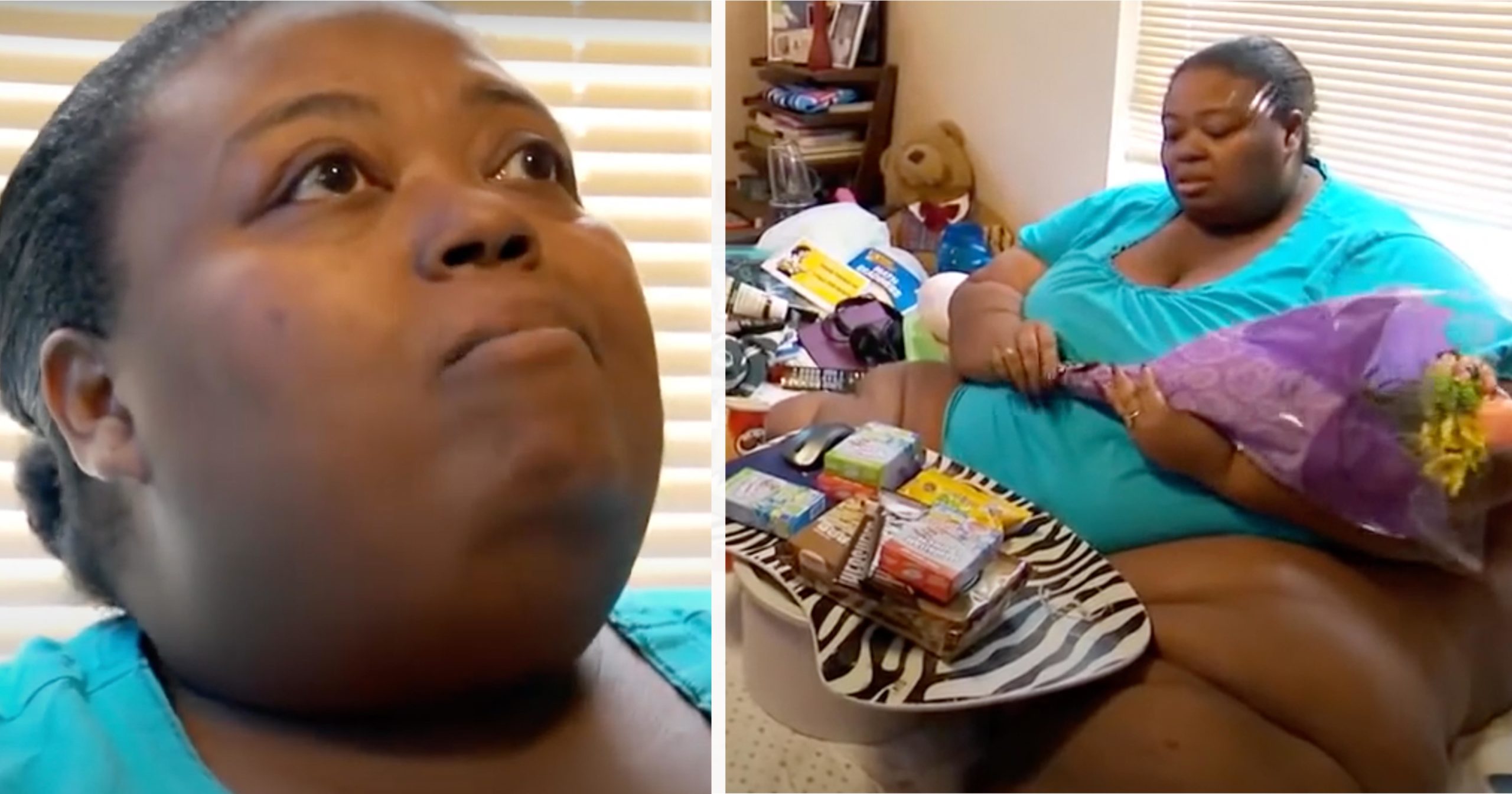
Some stories remind us that change is possible at any age, even when it feels out of reach. Marla McCants became widely known through the television series My 600-lb Life, where viewers first met her when she was struggling with extreme obesity and a life that was slipping away. At her heaviest, she weighed more than 800 pounds and could not stand or walk on her own. With medical help and an unwavering determination that grew stronger over time, Marla turned a dire situation into a powerful comeback. Today, she has lost well over 500 pounds, and her transformation is nothing short of remarkable.
Many of us know that eating well is important, yet it can be challenging to keep up with day-to-day life and still make healthy choices. Cooking from scratch takes time and planning. It can also feel more expensive, especially when the quick solution is just around the corner. Fast food, while convenient, becomes a trap when it moves from an occasional meal to a daily habit. Over time, it can chip away at our health, energy, and confidence. That is why so many health professionals encourage steady routines, balanced meals, and a bit of movement most days. The key is consistency and small, manageable steps forward.
There are plenty of fitness experts who inspire us with their routines and results. But there is another kind of inspiration that can be even more powerful: the courage of someone who starts very far from their goal and keeps going anyway. That kind of perseverance is at the heart of Marla’s journey.
Marla McCants and My 600-Lb Life
When Marla first appeared on My 600-lb Life, she was facing a health emergency. Her size had taken away her mobility, her independence, and much of her hope. Even so, she agreed to share her journey publicly, not knowing how hard the path would be or how deeply it would challenge her habits and fears.
On the show, Marla began working with bariatric surgeon Dr. Younan Nowzaradan, known to viewers as Dr. Now. From the outset, even he was uncertain that he could help her. He has been open about the reality that surgery alone cannot change a life. Patients also need to follow the program, embrace new eating habits, and commit to daily changes. Without that, the tools he provides may not bring the lasting results people hope for.
That uncertainty did not mean Dr. Now was unwilling to try. Instead, it reflected a core truth of weight-loss medicine: long-term success depends on what happens outside the operating room. Marla’s situation was severe, and it would require not just a medical procedure but a shift in mindset and daily routine.
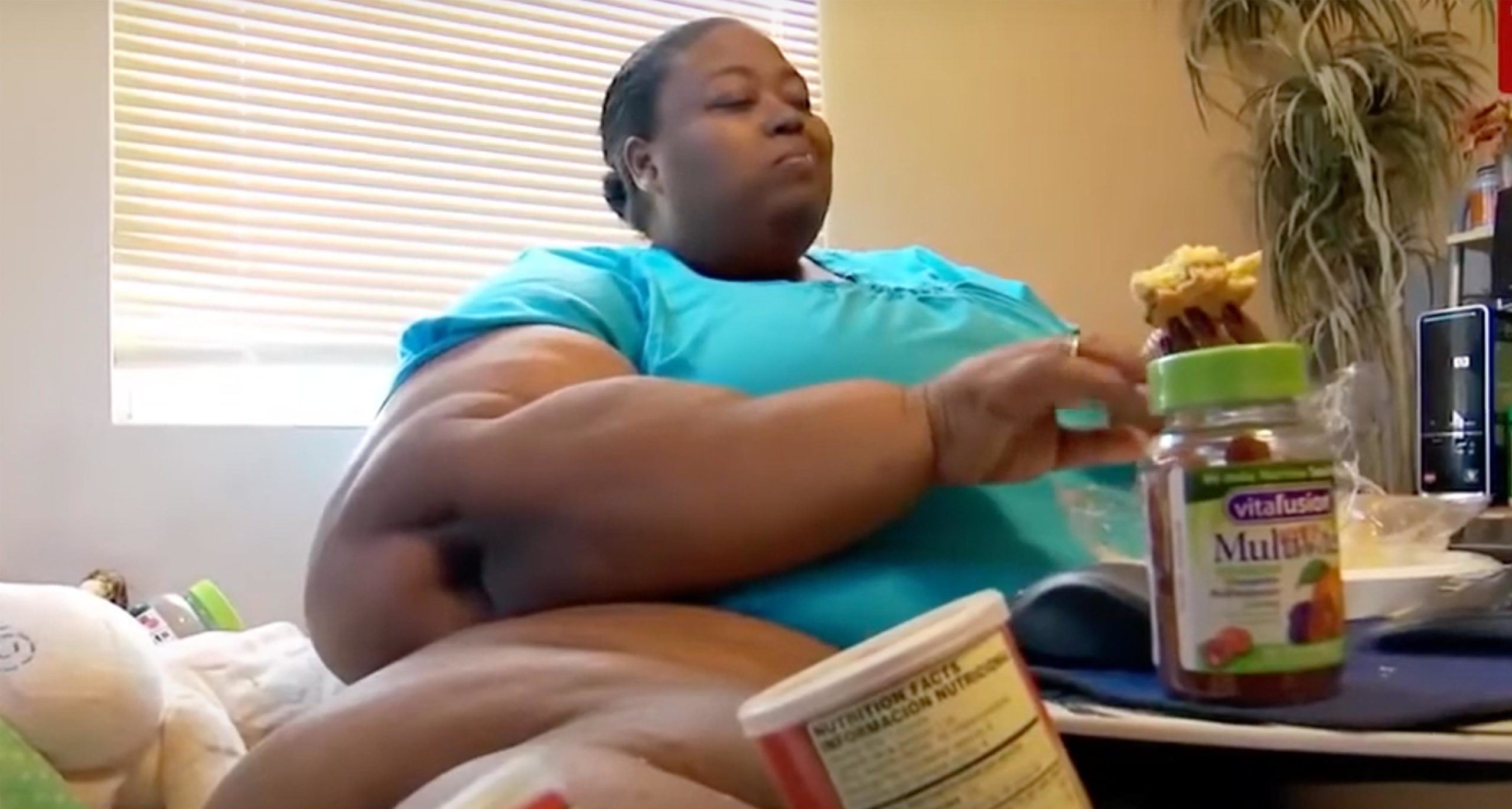
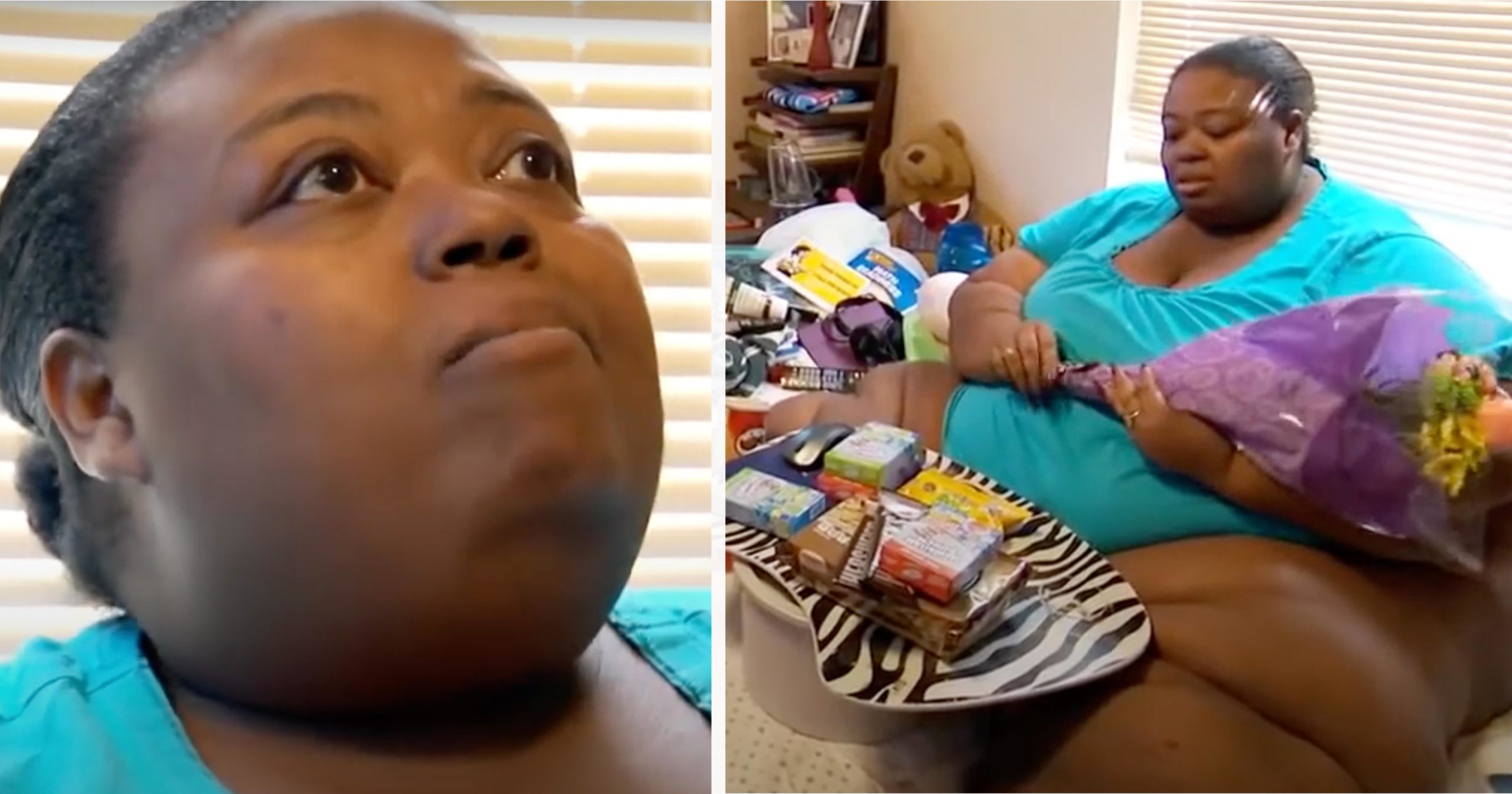
At the time, Marla’s life revolved around eating in bed. She was bedridden and even kept a small fryer nearby to cook food without getting up. It is important to understand that what we often call “willpower” is only part of the picture. For many, food can become an addiction—something that comforts in the moment but harms over time. Pulling free from that takes more than a single decision; it takes support, structure, and a reason to keep going when the old patterns feel so familiar.
Determined to give herself a chance, Marla moved to Houston, Texas, to be near Dr. Now’s practice. She had gastric bypass surgery to help start the weight-loss process. The procedure is a serious step that can reduce hunger and limit how much food the stomach can hold. But as doctors often remind patients, it is a tool—not a cure. The rest depends on daily choices, follow-up care, and the steady rebuilding of healthy routines.
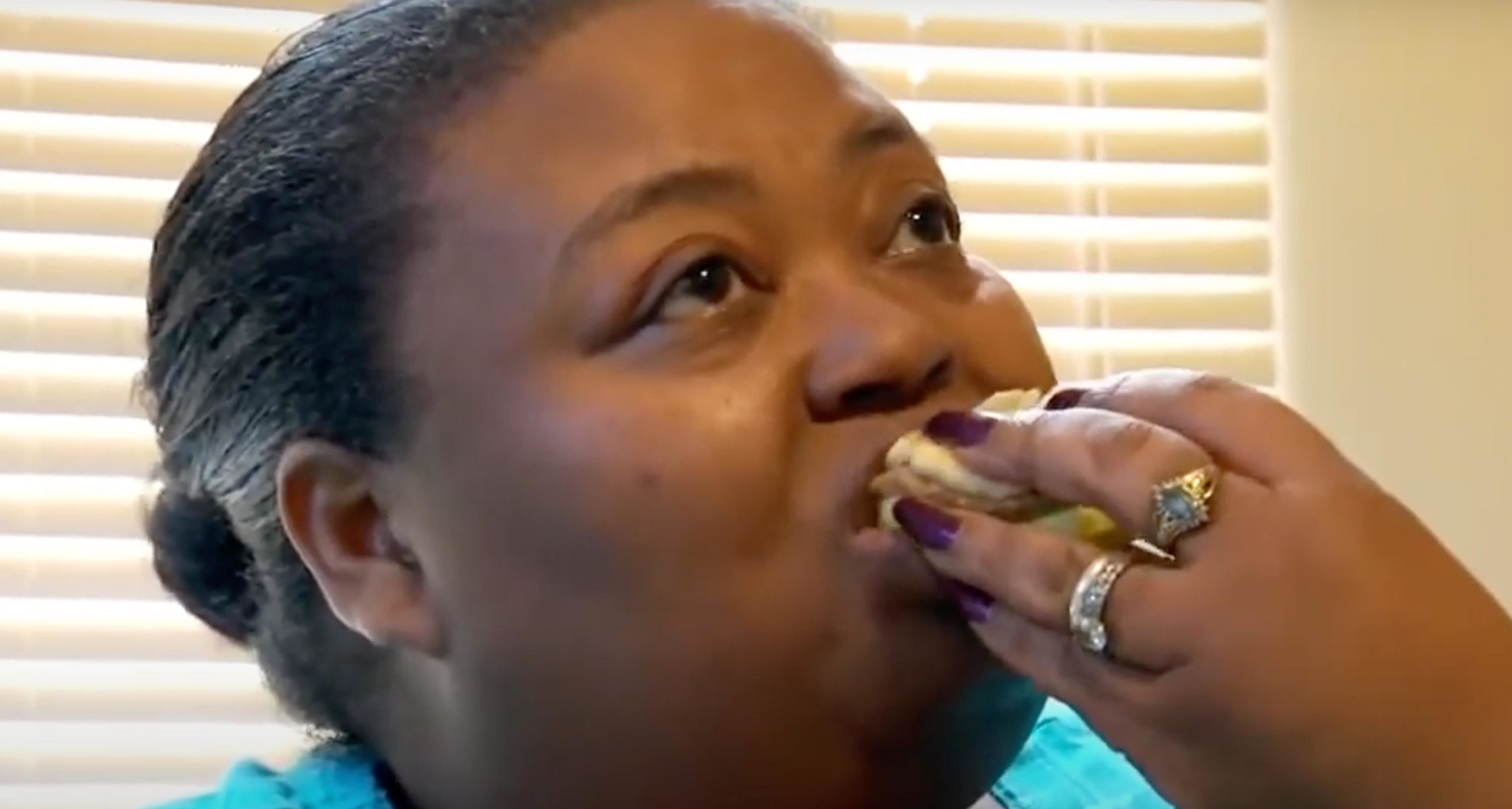
As she began her journey, Marla struggled with the early recovery steps, including standing and walking. These movements, though small, are vitally important after surgery. They help prevent complications, rebuild strength, and set the tone for the months ahead. At times, her fear and discomfort held her back. This created tension with her care team and complicated her recovery in those first weeks.
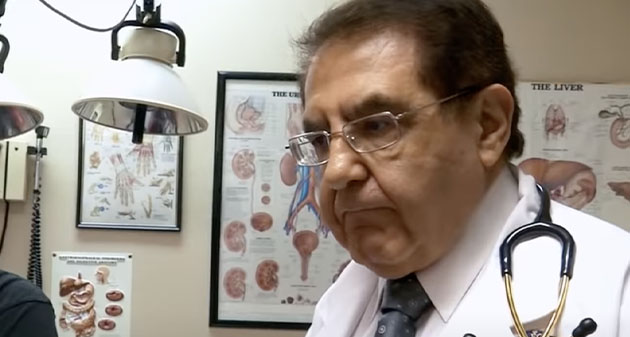
Dr. Now has spoken openly about how demanding this work can be—for both patients and the medical team. Some people struggle to stick to the program, even with the best intentions. He has explained that his goal is to offer a true second chance, focusing on people’s futures rather than on profit. He has also acknowledged that he sometimes has to use tough love, not to be harsh, but to make sure the message is clear: this is about saving a life. Still, his commitment remains the same whether the camera is present or not. The mission is to guide patients toward a healthier place, step by step.
A rocky start after surgery
In Marla’s case, those first steps were especially hard. She spent an extended period in the hospital after her procedure. When she resisted standing and walking, she was eventually discharged. It could have been the end of her story. But just when it seemed like hope was slipping away, her daughter Sierra stepped in again.
Sierra, who had moved with her mother to Houston, was a constant source of help and encouragement. After the discharge, she reached back out to Dr. Now’s team and asked for another chance. That call changed everything. It put Marla back on a path that, while difficult, would lead to the transformation we see today.
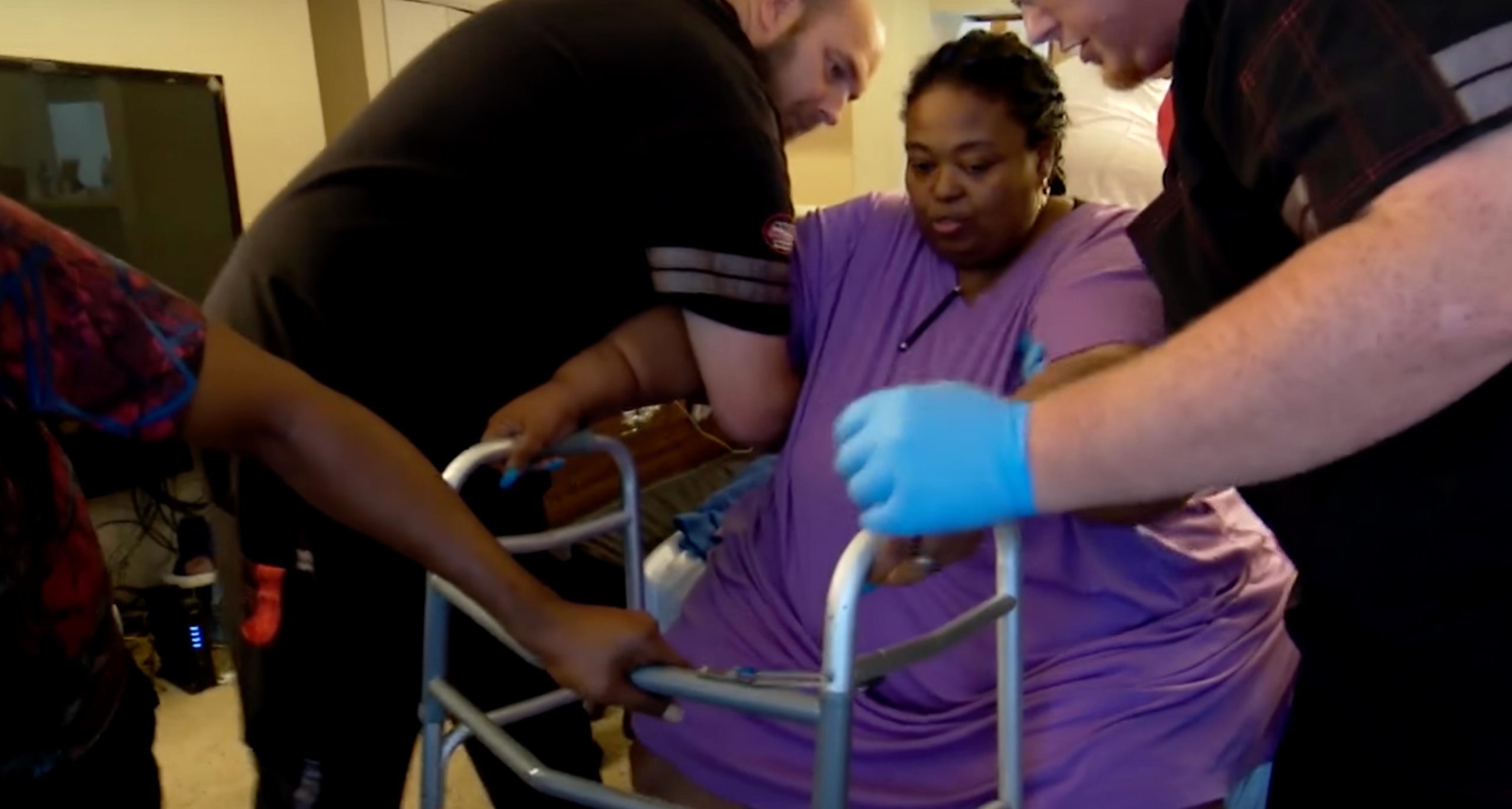
During a follow-up episode, viewers saw Marla at home, still relying heavily on Sierra for daily needs. But they also saw progress. Her weight had dropped to 534 pounds, a significant loss from her starting point. Even with that improvement, she had not yet met the target needed for her next milestone: skin removal surgery. For many who lose a large amount of weight, removing excess skin can reduce discomfort, ease movement, and support a more active life. Before that surgery can happen, though, patients usually must meet certain health and weight goals.
Marla admitted that staying on track was not easy. Old cravings still tugged at her, especially for the fried chicken she once cooked from her bed. Nearly a year after her bypass, she was stronger, but fear and habit still made it hard to stand. The emotional side of weight loss is often overlooked, yet it is one of the most important pieces. Change brings hope, but also fatigue and doubt. Marla spoke honestly about feeling down when progress did not match her expectations, and she also shared that with time, she was feeling stronger and more hopeful again.
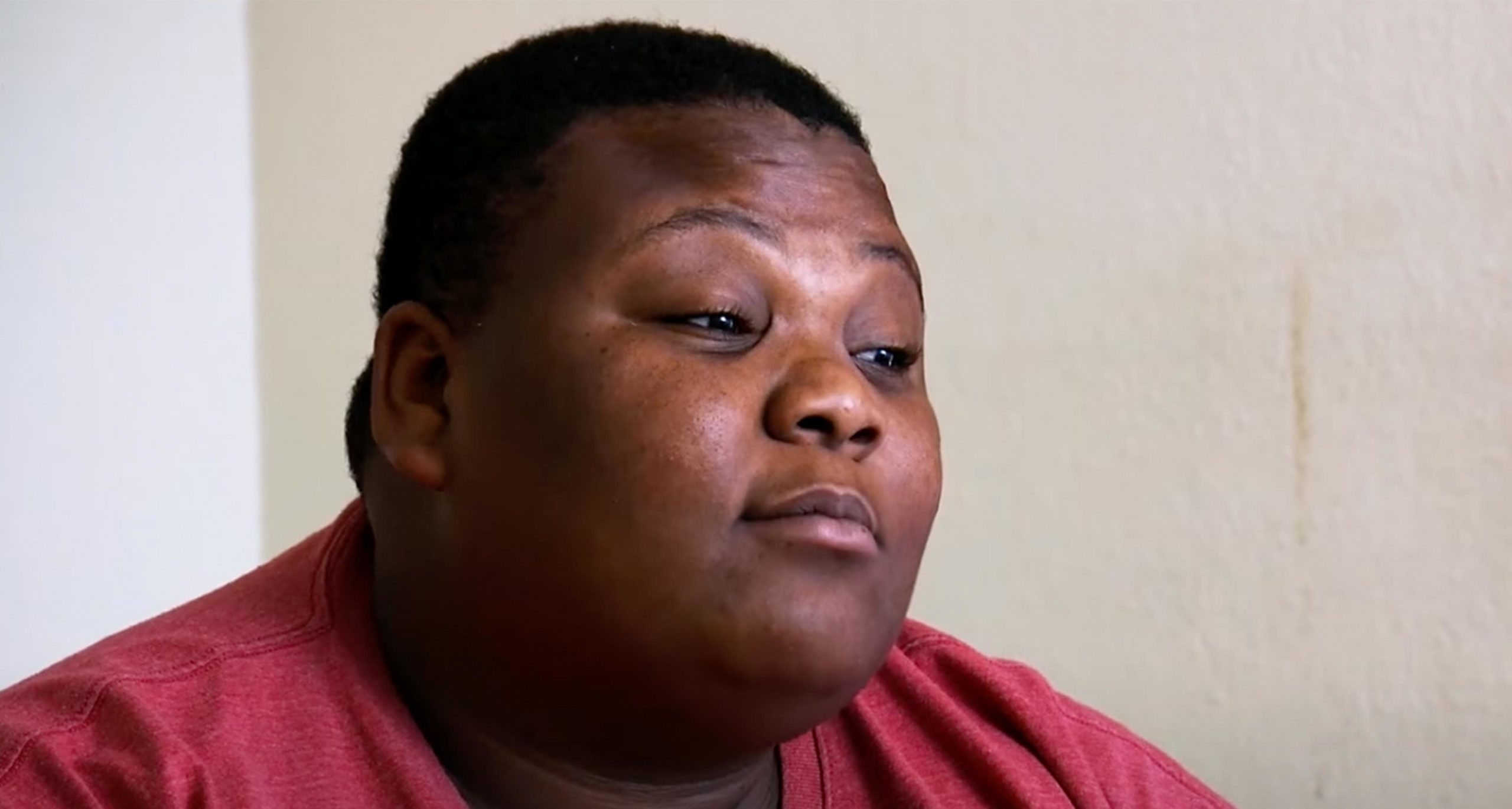
Her goals were simple and meaningful. First, stand and walk. Then, qualify for skin removal surgery. Alongside those targets was another motivation that mattered deeply to her: being able to participate fully in the lives of her grandchildren. That vision—cooking for them, attending outings, and simply being present—gave her something to reach for on the hard days.
Sierra, meanwhile, wanted to see her mother regain independence, both for Marla’s sake and for her own. Caring for a loved one is an act of devotion, but it can also be exhausting, especially over months and years. Sierra longed for the moment when her mother would stand, take a few steps, and start moving forward. That step would signal a new beginning for both of them.
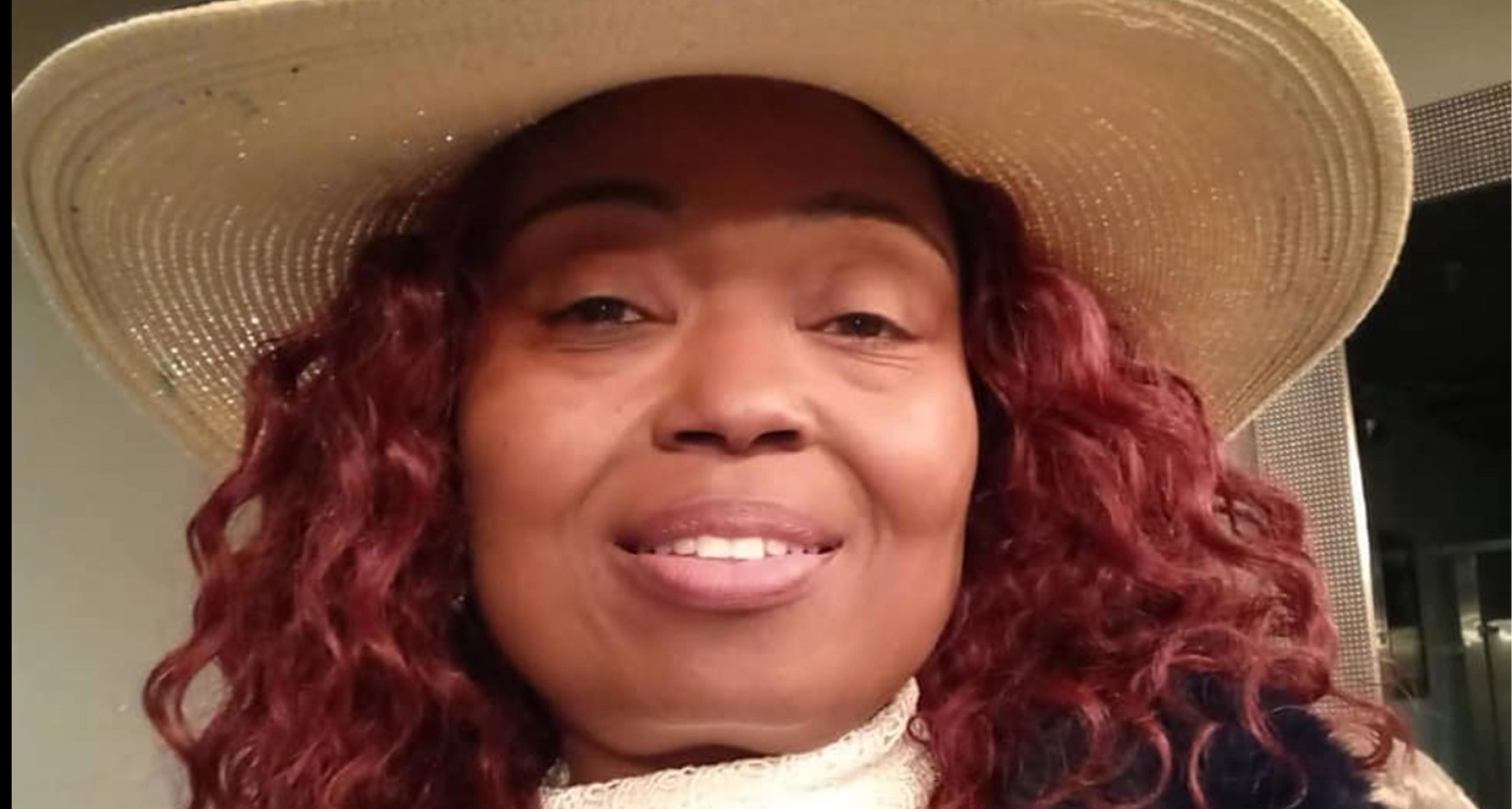
Marla continued to work with her care team and focus on what she could control each day. She talked about channeling her frustration into motivation, using the time in bed not to withdraw, but to visualize the life she wanted. She looked ahead to her next doctor’s visit, hoping to earn approval for skin surgery and take another big step forward.
What viewers did not see
As with many reality programs, what appears on screen is only part of the full story. In a YouTube interview with Rickey Smiley after her time on the show, Marla shared that the production timeline and certain moments were not exactly as viewers might have understood them. She said that some scenes were edited or presented in a way that made her seem less cooperative than she truly was during her early recovery. Specifically, she described being only one month out from surgery during a hospital scene that looked like it occurred much later, and she said she was malnourished and still healing at the time.
Her recollections highlight something many viewers suspect about reality television: real life is messier and more complicated than a single episode can show. Regardless of editing choices, the core of Marla’s experience remains the same. She faced a health crisis, made a commitment to change, stumbled, and found her way forward again.
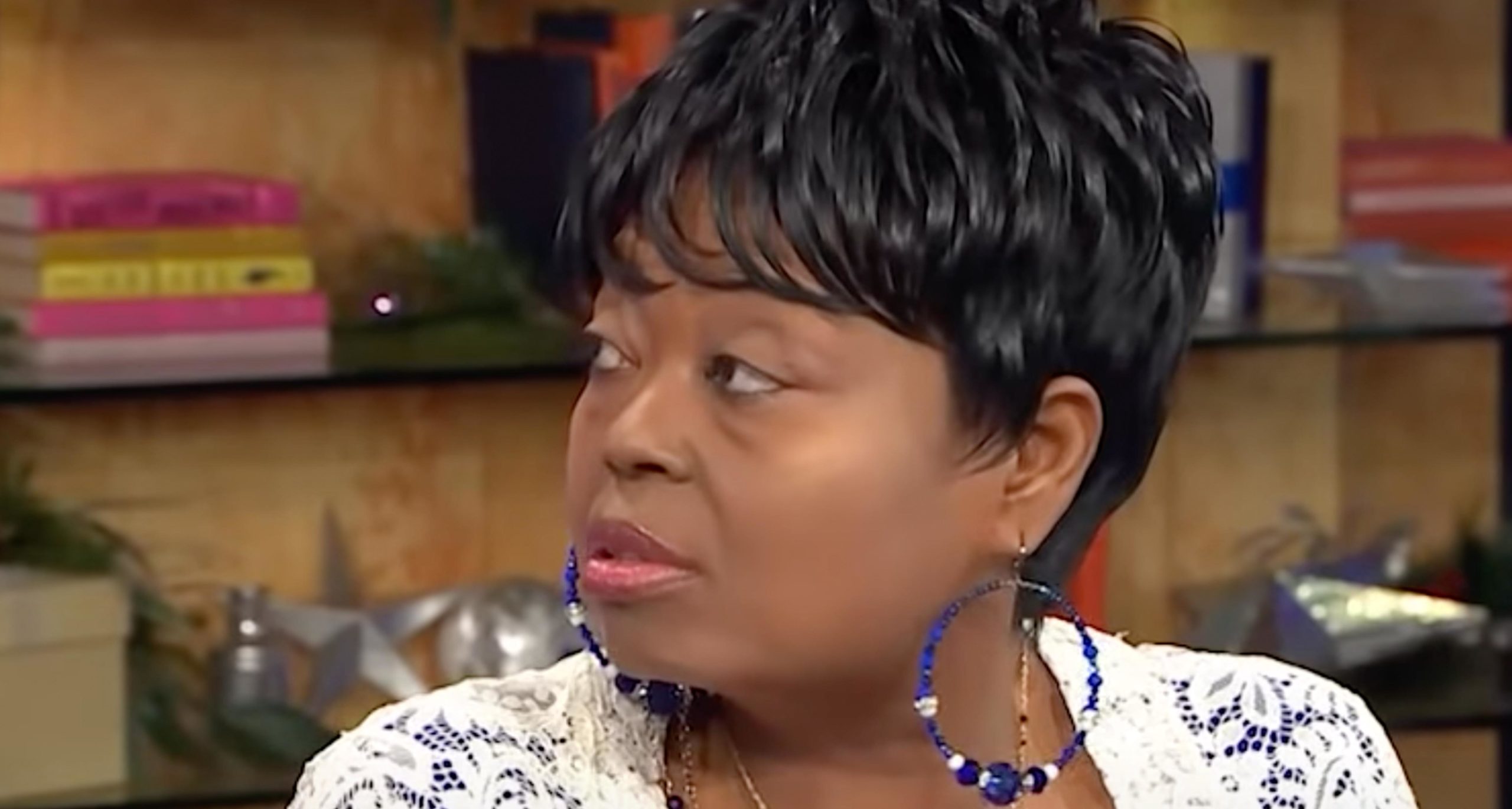
What matters most is where she went from there. With time and determination, Marla steadily rebuilt her life. The woman who once feared standing now stands as an example of perseverance. The patient who struggled to embrace a new routine became someone who lives those habits, day after day.
Where Marla is today
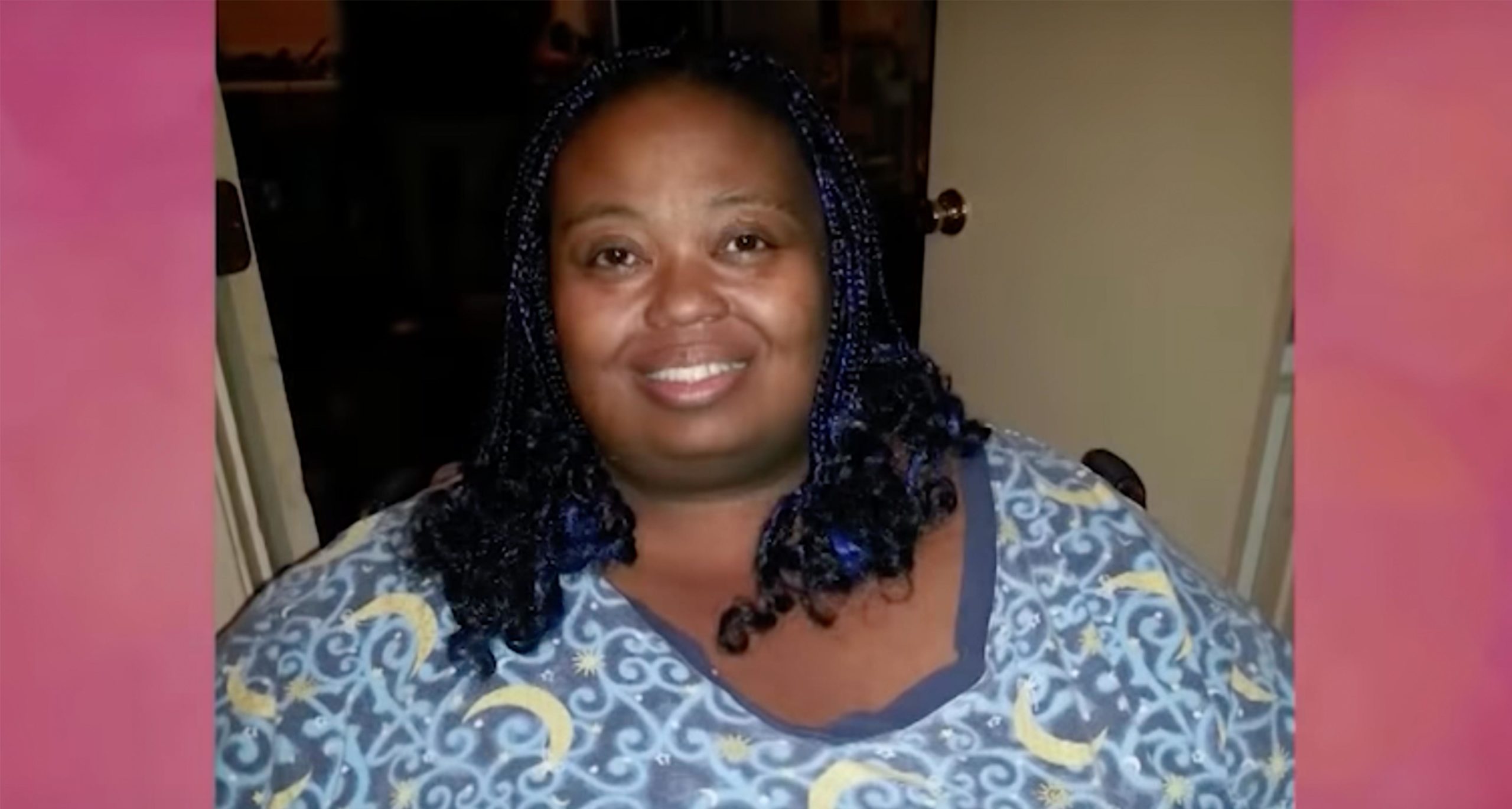
Years after her heaviest days, Marla shared her progress publicly once again. In 2019, she appeared on Sister Circle and revealed that she had lost approximately 580 pounds. That number represents more than a change on the scale. It reflects recovery of mobility, dignity, and the quiet joys of everyday life—things like choosing your own clothes, cooking a simple meal, or taking a short walk with a family member. She spoke candidly about never wanting to return to the place she had been, not only because of the physical pain, but because of the loneliness and the way people treated her when she was at her most vulnerable.
Marla has also used her experience to encourage kindness. She reminds people that food can be an addiction and that judgment helps no one. Everyone has a story and a path that brought them to where they are. For those who feel uncomfortable or even dismissive when they see someone on a show like My 600-lb Life, she offers a simple truth: ignorance is easy; understanding takes effort. She believes you can overcome fears and struggles, just as she did, by making better choices one day at a time.
These days, Marla shares photos of her life and family on social media, celebrating milestones large and small. The images tell a story of regained freedom—moments with loved ones, smiles that come from a place of peace, and a woman choosing, again and again, to keep moving forward. While the road to better health is rarely straight, her example shows that the second act of life can be powerful and bright.
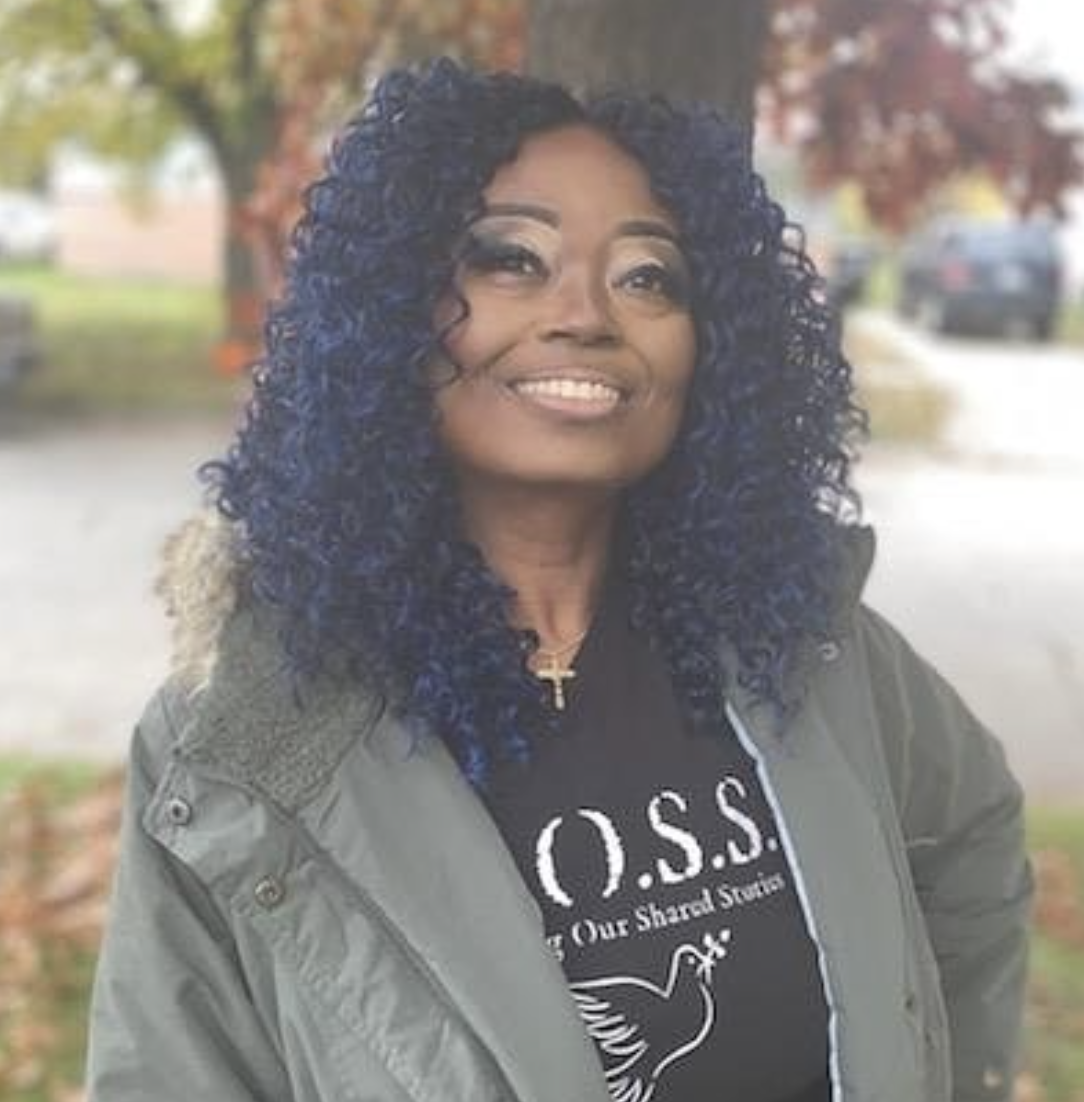
For those in midlife and beyond, her journey holds a special message. It is never too late to change course. Progress may be slower than it once was, and the body may carry years of wear and tear, but small steps still count. A short walk after dinner, choosing lean protein over fried food a few more times each week, or seeking support from a doctor or dietitian can make a real difference. If you have grandchildren, children, or close friends, let them be part of your “why.” The chance to be present for them—truly present—is a strong reason to take care of yourself.
Marla’s path also reminds us to be patient with ourselves. Setbacks happen. Cravings will return now and then. What matters is not perfection, but persistence. Celebrate the wins, even the small ones: a healthier meal, a gentle stretch, a few minutes of movement each day. These choices add up. Over months and years, they rebuild strength and confidence.
Finally, remember that it is okay to ask for help. Marla leaned on her daughter, her care team, and her own faith in what tomorrow could bring. Support does not make us weak; it makes us human. Whether your goal is to lose weight, improve your mobility, or simply feel better in your day-to-day life, a little help can go a long way.
Marla McCants once lived a life limited by her size, pain, and fear. Today, she stands as a symbol of what is possible with courage, guidance, and steady effort. Her incredible transformation—losing more than 500 pounds—shows that change begins with a single decision and continues with each new day. If her story inspires you, let it spark one small change in your own life. Then another. And another. Over time, those steps can lead to a future that feels lighter, brighter, and full of hope.