
A tough start in Boston
Before he became a familiar face on movie posters and a go-to leading man, Mark Wahlberg grew up in a part of Boston where life could be unforgiving. His early years were shaped by the Dorchester neighborhood in the 1970s and 1980s, a time and place marked by hard work, tight budgets, and the constant pressure of getting by. For many families there, each day was about making ends meet and looking after one another the best they could.
Wahlberg was raised in a working-class household with nine children sharing limited space and resources. Money was scarce, public assistance helped keep the family afloat, and daily life was full of the small compromises that come with stretching a dollar. The strain only intensified after his parents separated, leaving a young Mark to navigate a home life that, while loving, could feel uncertain. If you grew up during that era, you might recognize the rhythms of those years—the shared bedrooms, hand-me-downs, and the constant balancing act of doing more with less.
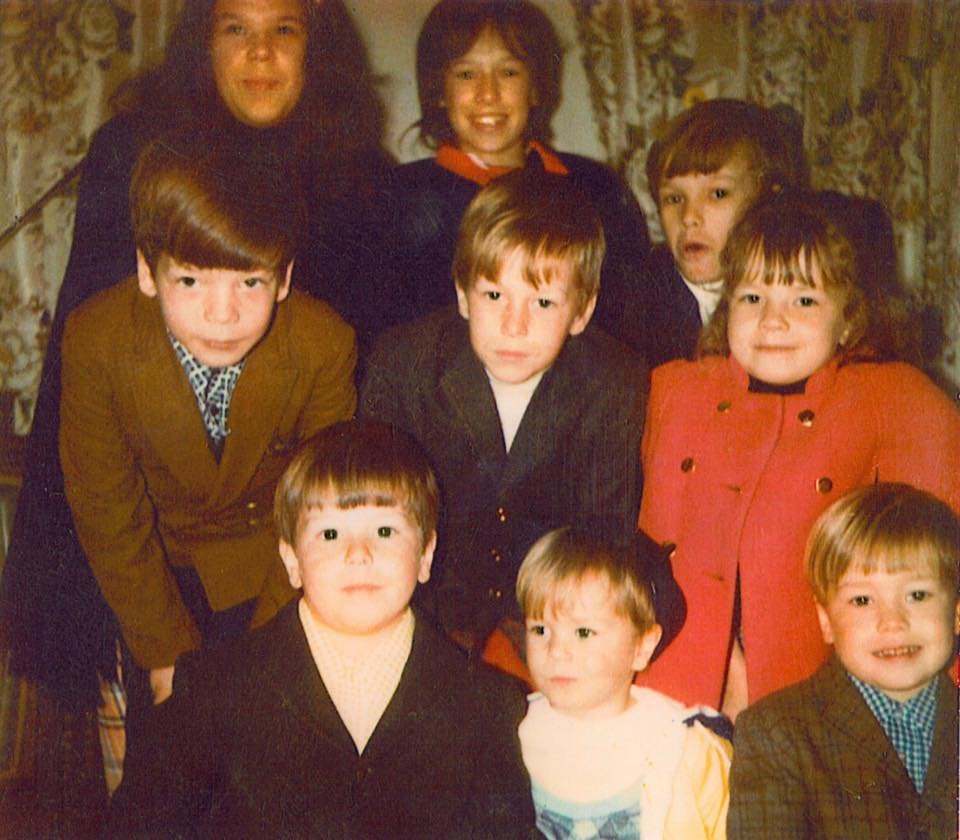
In a neighborhood where trouble was never far away, the line between a harmless afternoon and a bad decision could be thin. For many kids, the pull of the streets was powerful and immediate. With school sometimes feeling distant from the realities of daily life, structure could slip through a teenager’s fingers before anyone quite realized it was gone.
As a teenager, Wahlberg drifted away from school and toward the kinds of choices that bring serious consequences. By age 16, he was facing the legal system after a violent incident, a moment that led to time behind bars. It was the kind of turning point that can change a life for the worse if a person allows it. Sitting in a cell, he got a close look at where his life might be heading if he didn’t make a different choice. For many parents and grandparents, this chapter will sound achingly familiar—the fear that a child you love can veer off course in a hurry, and the hope that they’ll find their way back.
Choosing a different road
What happened next made all the difference. Wahlberg recognized that if he wanted a future, he had to build it, step by step. That realization didn’t appear all at once in a dramatic flash; instead, it took root the way most true change does—slowly, with a promise to do better each day and the courage to keep that promise when no one else is watching. He leaned on the people who believed in him and began looking for the next right move, even if that move was small.
Part of turning the page meant returning to the basics: discipline, accountability, and surrounding himself with voices that pushed him toward the person he wanted to become. There were no guarantees. But there was a conviction that, while he could not rewrite his past, he could choose a different future.
Entertainment became the path that offered him a foothold. It started as an opportunity and quickly became a lifeline—somewhere to channel energy and ambition in a positive direction.
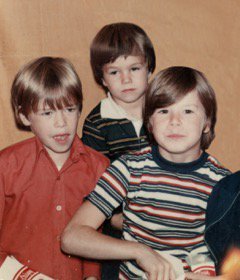
Music opens the first door
Wahlberg’s older brother, Donnie, had already found success in music, and that connection helped introduce Mark to the industry. Performing as Marky Mark, he stepped onto a new stage with Marky Mark and the Funky Bunch. The energy was raw, the beat was catchy, and for the first time in years, he had a constructive outlet for his drive and intensity.
Their debut album, Music for the People, found an audience, and the hit single Good Vibrations exploded in popularity. Practically overnight, Wahlberg went from a kid with a troubled past to a household name in pop culture. For all its flash and excitement, that period of his life provided more than a taste of fame—it gave him structure, hard deadlines, a team to be accountable to, and crowds that expected him to show up at his best. The work required stamina, humility, and a willingness to learn, sometimes the hard way.
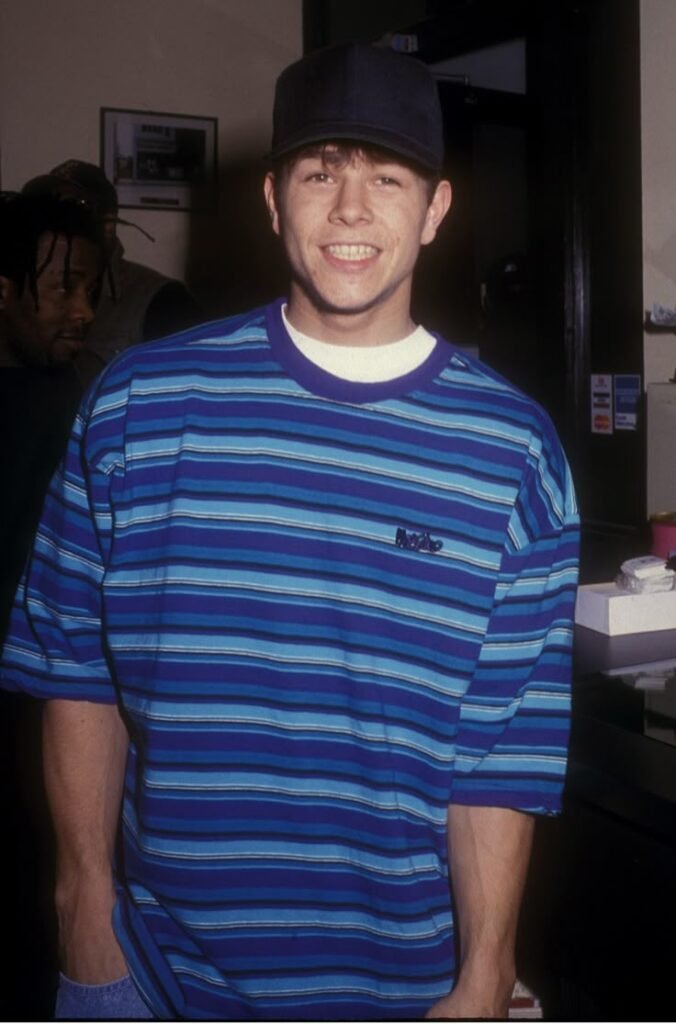
Even though the music spotlight eventually dimmed, it had already done its job by opening another door. The experience taught him how to prepare, how to perform under pressure, and how to carry himself when eyes were on him. Those lessons translated well when the next chapter—acting—came calling. The leap wasn’t simple. Plenty of people dismissed the idea that a rapper from Boston with a rocky past could become a serious actor. But Wahlberg took the doubt and turned it into fuel, investing real effort into learning the craft.
Learning the craft of acting
Wahlberg began with roles that allowed him to watch and learn, often surrounded by experienced filmmakers and performers. He studied, he listened, and he kept showing up ready to work. The transformation was not overnight, but it was steady. Before long, respected directors were taking note of his intensity and focus.
Films such as Boogie Nights, The Departed, and The Fighter became important milestones. They showcased a dramatic range that surprised early skeptics and underlined his commitment to the work. In stories about ambition, loyalty, and redemption, there was a familiar thread—a hard-earned understanding of what struggle really feels like. That authenticity translated to the screen. When Wahlberg played tough, streetwise characters or working-class heroes, you could sense that he wasn’t faking it. He understood the people he was portraying because, in many ways, he had grown up among them.
The response from audiences and critics steadily shifted from doubt to respect. Wahlberg built a reputation as someone who arrived prepared and carried his share of the load, film after film. Along the way, he stepped behind the camera as a producer as well, helping to develop projects and support the work of others. That combination—leading roles and producing—demonstrated that he wasn’t interested in one good year; he was building a sustained career.

From star performer to smart businessman
As his filmography grew, so did his responsibilities and ambitions. Wahlberg took on producing duties for movies and television, developed new projects, and explored opportunities far beyond the set. He invested in ventures that matched his interests and values, including family-centered businesses and efforts connected to fitness and wellness. The same discipline that helped him rebuild his life started to define his professional routine: consistent effort, early mornings, and a willingness to take the long view.
That approach paid off. Over time, Wahlberg became not just a recognizable face in Hollywood but also one of the industry’s top earners. His income reflected more than just acting fees—it was the product of smart choices, steady producing work, and business ventures that expanded his reach. For someone who once wondered if he had any future at all, it was a remarkable transformation.
What his journey means for families today
For many people in their 40s, 50s, and 60s, Wahlberg’s story resonates for a simple reason: it’s about second chances and the power of steady guidance. A parent or grandparent knows that every young person faces moments where the path turns slippery. Choices made at 15 or 16 can echo for decades, and sometimes all it takes is one bad decision to set a life on a painful course. But his life shows that a turning point can also be an opening—if the person decides to walk through it.
There is another part that may feel especially meaningful. Wahlberg did not pretend his mistakes never happened. He acknowledged them, learned from them, and kept moving forward. Years after leaving school as a teenager, he returned to finish his education, sending a message to others that it is never too late to do the right thing for yourself and your family. Owning the past while building a better future is an example many of us try to set for the people we love.
His path also highlights the importance of community. Family support, trusted mentors, and constructive opportunities can make all the difference. Not every door will open, and not every chance will be easy to grab. But with encouragement and accountability, a young person can steer out of danger and into a life that reflects their best qualities. For parents and grandparents, that truth brings a measure of hope.
The work behind the comeback
It can be tempting to see the headlines about success and overlook the daily work that holds it together. Wahlberg’s career is a reminder that turning your life around is not a single dramatic act. It is a string of decisions, made consistently, even when no one is clapping. It is showing up early, taking instruction, and putting pride aside long enough to learn from people who know more than you do. It is keeping promises to yourself on the days when motivation runs low.
He didn’t become a respected actor because he willed it once; he became one because he kept choosing the hard, unglamorous steps—reading scripts carefully, memorizing lines, asking for feedback, and treating each project as if it were his first and only chance to prove himself. That mindset carried into producing and business, where risks are real and outcomes are never guaranteed. The through line was simple: do the work well, and do it again tomorrow.
On-screen grit grounded in real life
When you watch Wahlberg on screen, part of what stands out is the grounded quality of his performances. He brings an understanding of working-class resilience, family obligation, and personal responsibility that feels lived-in rather than imagined. Those qualities resonate in roles where the stakes are human—protecting loved ones, fighting for a dream, or finding the courage to make amends.
That connection between life and art doesn’t guarantee success, but it creates a foundation that audiences can trust. People recognize honesty when they see it. They know the difference between a performance that reaches for emotion and one that draws from it naturally. Time and again, Wahlberg has shown that authenticity matters.
Measured by more than money
It is true that Wahlberg has risen to the very top tier of Hollywood earners. It’s a striking fact, given where he started. But there’s more to his story than paychecks and box-office totals. What makes his journey compelling is the way he used opportunity as a way to grow, not just to get rich. Producing projects that give other storytellers a platform, helping his family build businesses, and investing energy in causes that encourage young people to choose better—all of that paints a fuller picture.
Success, in this light, looks like more than personal achievement. It looks like creating chances for others and showing that redemption can be real and lasting. It looks like a man who understands that his influence can either be spent on flash or invested in something that endures. He seems to prefer the latter.
Lessons worth carrying forward
There are a few clear lessons in Wahlberg’s path that apply far beyond show business. Change is possible at any age. Responsibility is a habit, not a moment. Support systems matter, but so does the choice to accept help and make use of it. Education, whether in a classroom or on a set, is worth pursuing even if you start late. And perhaps most importantly, a single chapter does not have to define an entire life.
For anyone who has worried about a son, daughter, or grandchild taking a dangerous turn, his transformation offers encouragement. Even if the road gets rocky, there can still be a way forward. If a young person is willing to do the work and has caring adults nearby to guide them, remarkable things can happen.
A story still being written
From a small apartment in Dorchester to the world’s biggest screens, Mark Wahlberg’s story is proof that a person’s future is not fixed by their past. He made painful mistakes, paid a price, and then chose a different direction—one deliberate step at a time. Music gave him a foothold. Acting gave him a voice. Producing and business allowed him to build something that lasts.
Today, he stands as a successful actor, producer, and entrepreneur, and one of the world’s highest-paid stars. But the numbers are not the point. The point is the path—the daily, disciplined climb from a moment that could have ended everything to a life defined by purpose and perseverance. It’s a powerful example of what can happen when opportunity meets a second chance.
For those of us who remember the resilience it took to stretch a paycheck, to keep a household together, and to teach children right from wrong, Wahlberg’s journey feels familiar in its values, even if the stage is bigger. It shows that hard lessons can lead to hard-won wisdom, and that no matter where you begin, there is always room to write a better next chapter.