
Goldie Hawn has brightened movie screens and living rooms for decades, and her warmth has a way of making everyone feel like an old friend. At the 2025 Oscars, she shared a small but very human moment that resonated with many people watching at home. While presenting on stage with actor Andrew Garfield, she spoke candidly about struggling to read the teleprompter because of cataracts. It was brief, sincere, and instantly relatable for anyone who has noticed their eyes changing with time.
The moment was made even more touching by what led up to it. Andrew Garfield grew emotional as he remembered how much his late mother adored Goldie and the joy Goldie’s films brought to their family. In that tender setting, Goldie acknowledged her cataracts right there on live television. That honesty did not diminish her star power for a second. If anything, it reminded people that even beloved icons face the same changes many of us do as we grow older.
A simple way to understand cataracts
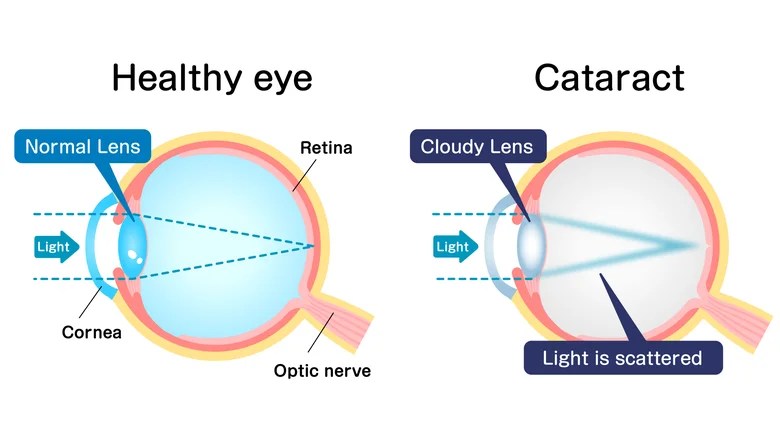
A cataract forms when the clear lens inside the eye becomes cloudy, a bit like a window that has fogged over. The change often starts slowly. You might still see well enough for a while, but over time, words can look fuzzier, colors may lose their pop, and bright lights can feel harsher than they used to. Night driving can become tricky because headlights may glare or seem to produce halos. Tasks that require crisp, focused vision, from reading to sewing to spotting the golf ball, may start to feel more tiring.
These changes are common because the lens naturally ages, just like the rest of us. Some people notice they need extra light for the same activities they used to do easily. Others find that glasses prescriptions help for a time but seem to need updating more and more often. Cataracts can affect one eye or both, and they rarely come on overnight. Most people have time to adjust, keep up with their eye exams, and plan if and when they want to consider treatment.
Why Goldie’s comment struck a chord
Hearing a familiar face speak openly about vision challenges takes some of the worry and mystery out of the subject. Cataracts are extremely common. In fact, millions of people worldwide live with them, and in the United States, well over half of adults will have a cataract or cataract surgery by their 80s. It is a normal part of aging for many, not a personal failing and not something to feel embarrassed about. Seeing someone as vibrant as Goldie be so open on a global stage reassures people that there is help, there are options, and there is nothing to hide.
It is also worth noting that while age is the biggest risk factor, cataracts are not only about birthdays. Some people develop them earlier because of genetics, certain health conditions, or medications. Others may experience them after an eye injury or inflammation. And a small number of babies are even born with cataracts. In other words, if your vision is shifting, you are far from alone.
How cataracts can affect your day-to-day life
People describe cataracts in different ways. Some say it feels like looking through a thin veil. Others talk about a constant haze or a film on their vision. Colors can seem less vivid, like a favorite painting that has become slightly dusty. Page print may look dull and blend together, so reading for long stretches is less comfortable. At night, the glare from streetlights and headlights can make judging distance and depth more difficult. For many, these changes creep in slowly, and the brain does a remarkable job of adapting along the way, which is one reason regular eye exams help catch the shift before it becomes frustrating.

Can cataracts happen earlier in life?
They can. Diabetes, long-term use of certain medications like steroids, a history of smoking, and significant UV exposure can move the timetable forward. Past eye injuries and some inflammatory eye conditions also play a role. Sometimes, no clear cause is found, and they simply appear earlier than expected. The encouraging news is that whether cataracts develop slowly over decades or show up sooner, the approach to care is well understood and steadily improving.
Getting checked is straightforward
If you suspect changes in your vision, an eye exam is the best next step. During a comprehensive visit, the eye care professional looks at your overall eyesight, checks your eye pressure, and uses a special microscope to examine the lens for any cloudiness. Eye drops may be used to gently widen the pupils so the doctor can clearly see the back of the eye. None of this is difficult, and it helps rule out other issues while confirming whether cataracts are part of the picture.
After the exam, you and your doctor can talk through what you are noticing in your daily life. Some people choose to simply wait and watch for a period of time, using brighter light at home, wearing anti-glare sunglasses outdoors, and updating their glasses as needed. Others find that vision changes are getting in the way of favorite activities, and that is when surgery becomes a welcome option.
Treatment today is precise and dependable
There are no eye drops or medications that can clear a cloudy lens once a true cataract has formed. The only way to fix the focus is to remove the cloudy lens and replace it with a clear one. This is what modern cataract surgery does, and it has become one of the most common and reliable procedures performed worldwide. Surgeons do it every day, and the process is carefully designed with comfort and safety in mind.
What cataract surgery is like, step by step
On the day of surgery, most people are in and out the same day. Numbing drops and a small amount of local anesthesia keep the eye comfortable. You are awake, but relaxed, and the care team talks you through what to expect. The surgeon makes a very small opening, gently breaks up the cloudy lens, removes it, and places a clear, permanent lens implant in its place. This new lens is called an intraocular lens, or IOL. The whole process often takes less than half an hour for each eye.
If both eyes need treatment, surgeries are usually scheduled days or weeks apart, allowing the first eye to heal and vision to settle in. Many people are pleasantly surprised by how smoothly it all goes. The immediate recovery period is typically short. You go home the same day with protective instructions and follow-up visits arranged.
Recovery and what to expect afterward
Right after surgery, vision may look a little hazy or wavy, and the eye can feel mildly scratchy or watery. This is normal and usually eases over the next few days. Eye drops are used as prescribed to support healing and reduce the risk of infection. Most folks notice colors look brighter and whites look whiter once the initial blur clears, as if a veil has been lifted. Reading and computer work often feel more comfortable again, and night driving can become easier with less glare.
There are a few sensible precautions: avoid rubbing the eye, skip heavy lifting and dusty chores for a short time, and wear a protective shield as directed during sleep. Your surgeon will let you know when routine activities like walking, light exercise, and showering are fine, which is often sooner than people expect. Follow-up visits check that healing is on track. If new glasses are needed, the prescription is usually finalized after things have fully settled.
Choosing the lens that fits your needs
Before surgery, you and your doctor will discuss the type of lens implant that suits your eyes and your lifestyle. A standard monofocal lens focuses at one main distance, often giving crisp distance vision with reading glasses used for close work. There are also lenses designed to reduce astigmatism, and some that aim to provide a broader range of focus to lessen dependence on glasses for certain tasks. The right choice depends on your eyes, your hobbies, and your goals. Many people prefer the simplicity and clarity of a single-focus lens, while others appreciate the convenience of options that stretch their range. Your surgeon will guide you through the pros and cons in plain language.
Familiar names who have faced similar challenges
Cataracts touch people from all walks of life, including well-known artists and broadcasters. The painter Claude Monet struggled with cataracts that changed how he saw color until he had them treated later in life. Actress Mila Kunis has shared that she dealt with a cataract in one eye when she was younger due to inflammation and kept it private for some time. Larry King underwent cataract surgery and even sported an eye patch during recovery. Savannah Guthrie from morning television addressed cataracts after an eye injury and talked openly about how excited she was to restore her vision. These stories underline a simple truth: facing a cataract is not the end of anything; with modern care, it is often the start of seeing the world comfortably again.
Practical ways to care for your eyes
While we cannot stop time, we can support our eyes along the way. Wearing sunglasses that block ultraviolet light helps protect the lens. A brimmed hat offers extra shade on bright days. If you have diabetes, keeping blood sugar under control is beneficial for your overall eye health. Not smoking, or getting support to quit, is kind to your eyes as well as your heart and lungs. Eating a balanced diet with colorful fruits and vegetables provides nutrients that support the eyes. And of course, regular eye checkups give you a clear picture of how your vision is changing so you can decide what feels right for you.
Setting expectations and clearing up a few myths
People sometimes worry that cataract surgery will be painful or that recovery will keep them homebound for weeks. In reality, today’s techniques are designed for comfort, with numbing drops and gentle sedation. Most people are back to normal routines quickly, easing back into activities as their surgeon recommends. Another common question is whether cataracts can “grow back.” The cloudy lens itself does not return after it is removed. However, months or years later, a thin membrane behind the new lens can become cloudy for some people. If that happens, a quick, in-office laser procedure can clear it, and you are back to clear vision, usually without downtime.
There is also curiosity about whether waiting too long makes surgery harder. Because cataracts progress gradually, it is best to talk with your doctor about timing that balances safety, your daily needs, and your comfort. Many people choose surgery once vision gets in the way of what they love doing, whether that is reading, driving, painting, or spending time with grandkids without straining to see faces and expressions.
When to call your eye doctor
If your vision is changing and you are not sure why, an exam is always a wise choice. Sudden vision loss, a curtain-like shadow, flashes of light, a burst of new floaters, or significant eye pain are not typical signs of a cataract and should be checked promptly. For the slower, hazier changes of a true cataract, a scheduled visit can help you map out your options and decide your next steps without rushing.
Why Goldie’s openness matters
Seeing a beloved star acknowledge something so many people face helps take away the fear. Goldie did not turn her moment at the microphone into a medical speech. She just spoke honestly. That is often all it takes to start a helpful conversation. Rather than hiding the reality of aging, she showed that grace, humor, and honesty shine brighter than any spotlight. And Andrew Garfield’s tender tribute to his mother reminded everyone that the joy entertainers bring can ripple through families for years, making these public moments feel personal and meaningful.
Goldie Hawn’s career stretches back to the late 1960s, and across those years she has made millions laugh, cry, and feel connected. Her candid note about cataracts does not dim that light. If anything, it adds another layer of connection for those who have squinted at a menu in a dim restaurant, avoided driving in the rain at night, or tilted their head to catch the clearest view. It says, in essence, you are not alone, and there is help when you are ready.
Looking ahead with confidence
Whether your cataracts are just beginning or already a frequent topic at your eye appointments, the path forward is well paved. Modern exams are comfortable and informative. Surgery, when it is time, is brief, precise, and designed around patient comfort. Recovery is measured in days and weeks, not months. And the result for many is a bright, clear view that makes ordinary moments feel special again, from reading the morning paper to catching a smile across the room.
Goldie’s gentle honesty at the Oscars offered a small gift: a reminder that taking care of our sight is part of taking care of ourselves. If you have been wondering whether your eyes have changed or if it might be time for an update, consider scheduling a visit with an eye professional you trust. A simple conversation can bring a lot of peace of mind, and if treatment is needed, you will have the information and support to move ahead with confidence.
This is general information meant to help you feel informed and at ease. For personal advice, nothing replaces a one-on-one discussion with your own eye care professional, who can explain what is happening in your eyes and what options fit your life best. Clear, comfortable vision is a reasonable goal at any age, and many people find themselves pleasantly surprised by how good the world looks once the haze lifts.