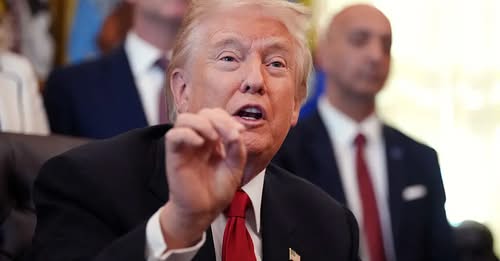
This past week, Donald Trump made an announcement on Truth Social that could bring a smile to many Americans. He declared that nearly every citizen will receive a “dividend” courtesy of the U.S. Treasury, thanks to the wealth generated from his tariff policies.
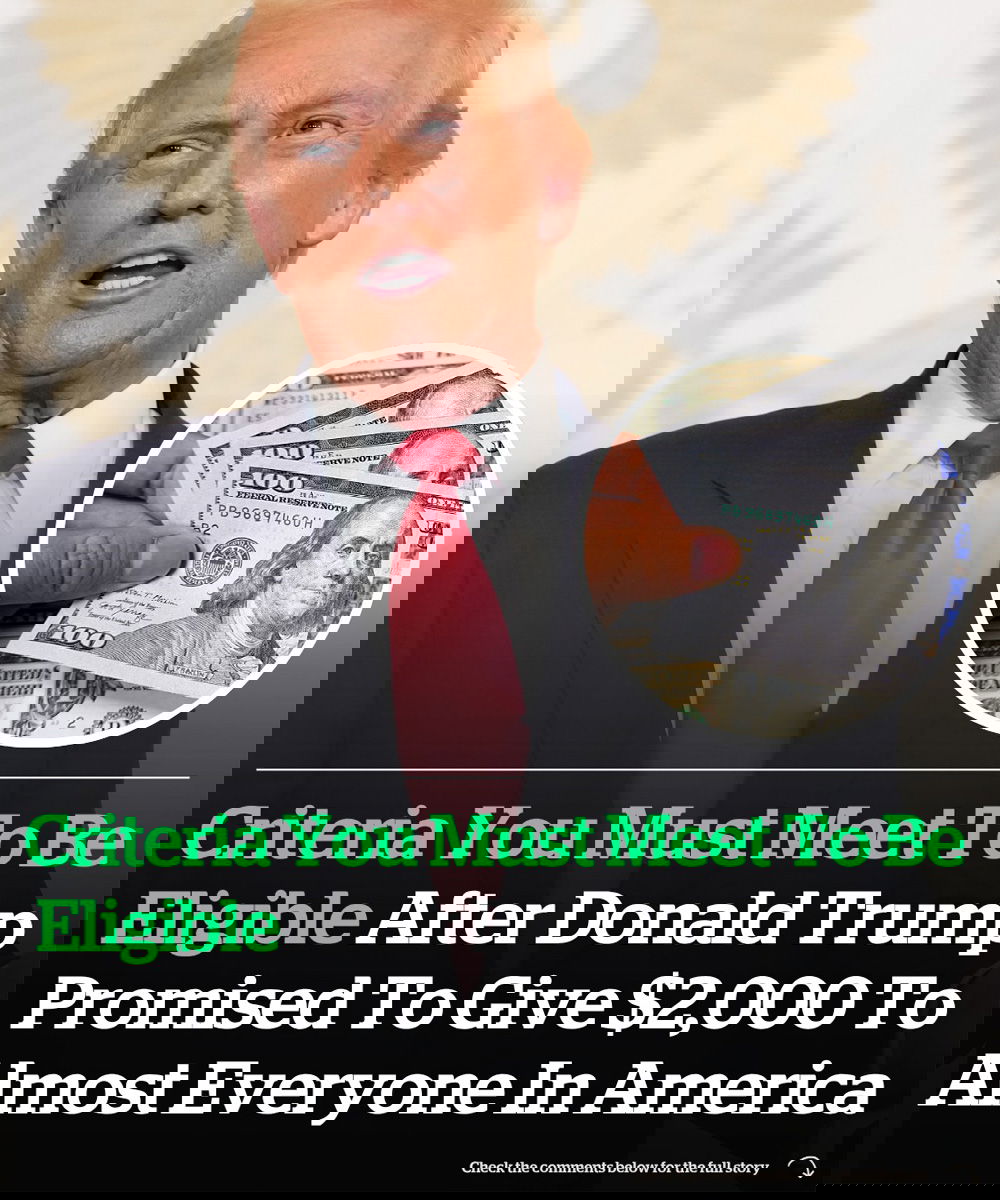
According to Trump, these payments stem from the tariffs he has put into place, proudly stating that these measures have positioned the United States as the “richest, most respected country in the world.” His confidence was clear as he quipped, “People that are against Tariffs are FOOLS!”
In a world with “Almost No Inflation and A Record Stock Market Price,” he claims the U.S. is taking in trillions and will soon start chipping away at the staggering $37 trillion national debt. Factories and plants are springing up across the nation, he added.
Who Qualifies for This Payout?
The Treasury Secretary Scott Bessent has stated that these payments might not be for everyone. They are considering limiting the checks to families earning less than $100,000 annually.
This income cap is not yet set in stone, as it’s still under discussion. Should this threshold become official, it would remarkably broaden eligibility, encompassing nearly 150 million Americans, which marks a considerable increase from previous stimulus plans that capped earnings at $75,000 for singles and $150,000 for couples.
Erica York, an analyst at the Tax Foundation, suggests that applying a $100,000 income cap would push the program’s total cost to around $300 billion.
Checks or A Different Form?
Bessent has warned against expecting the $2,000 windfall to come as a physical check.
During an interview with ABC, he remarked that this dividend could manifest in different ways, saying, “You know, it could be just the tax decreases that we are seeing on the president’s agenda – you know, no tax on tips, no tax on overtime, no tax on Social Security, and the deductibility of auto loans.” These tax advantages are already lightening the load for many Americans.
“What we did with the tax bill is finance the president’s initiatives like no tax on tips, overtime, and Social Security relief, plus the noticeable refunds folks will start receiving,” Bessent elaborated.
Press Secretary Karoline Leavitt announced that Trump remains committed to making the $2,000 payout happen, despite the lack of specific details.
“The president is keen on making this work,” Leavitt assured journalists. “His team of economic advisors are diligently exploring the possibilities.”
Funding the Ambitious Proposal
The crucial question remains: how will the Trump administration finance a program of this magnitude?
As of the end of September, U.S. tariff revenue totaled $195 billion, a sum that’s a long way from covering the promised payouts.
The Treasury projects that tariff income could reach $3 trillion over the next ten years, and there’s talk of tapping into future revenues to fund this initiative. However, this move would further balloon the already colossal national debt, which has now surpassed $38 trillion.
More tariffs are expected, including a 50% levy on imported cabinets and possibly up to a 100% tariff on branded pharmaceuticals. Trump stands firm in his belief that these aggressive tariffs are what make the U.S. the “Richest, Most Respected Country In the World.”