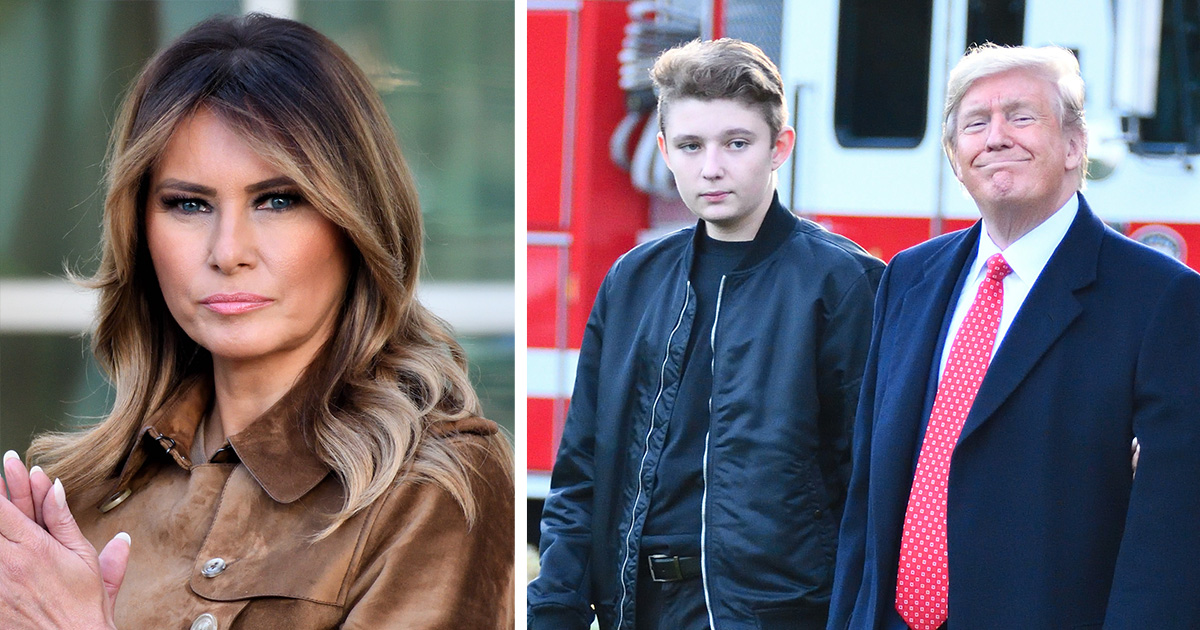
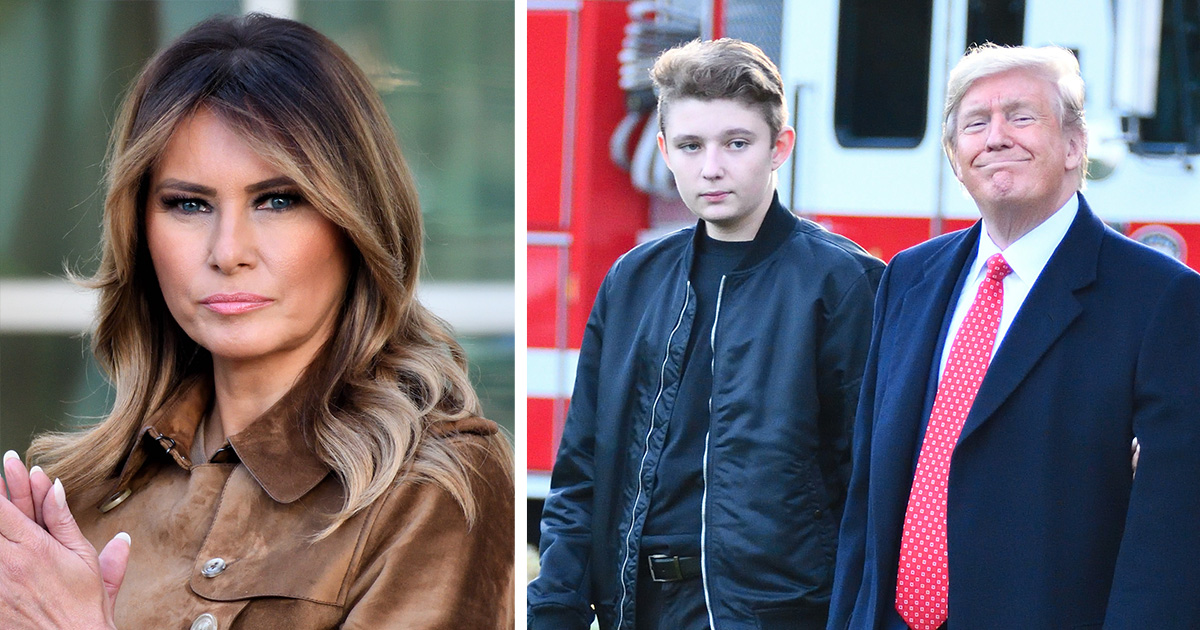
For many years, Donald Trump was one of the world’s most closely watched figures. During his time in the White House, several members of his family, including Melania, Ivanka, Eric, and Donald Trump Jr., were often in the public eye. By contrast, his youngest son, Barron, appeared far less frequently, with his parents making a deliberate effort to preserve a sense of normalcy around his day-to-day life.
Barron’s early years were spent in comfort and privacy. Growing up in New York, he enjoyed the kinds of opportunities and surroundings that reflect a family used to high-profile living. At the same time, his mother, Melania, worked hard to keep his routine grounded, steady, and, as much as possible, ordinary for a child.
This is a closer look at Barron Trump’s upbringing, his roots, his schooling, and how his parents tried to balance public life with a private childhood.
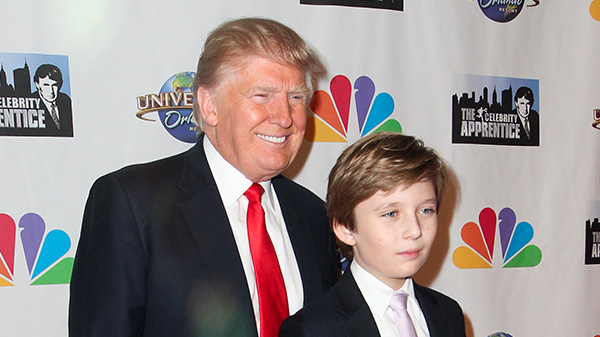
Although he is now widely recognized around the world, Barron has remained a relatively quiet presence in public. Even with the attention that comes with being the child of a president, he was rarely seen at official events, a choice that aligned with his parents’ desire to give him room to grow up out of the glare as much as possible.
Barron Trump
From the start, Melania and Donald Trump made it clear they wanted Barron’s childhood to be treated with care. Public curiosity has always been high, yet there is a longstanding understanding in American journalism to respect the privacy of presidential children, especially when they are still young. That convention helped keep the focus on Barron’s well-being over sheer visibility.
Even today, with Barron now a young adult, Melania has remained protective. For parents who have lived their lives on camera, their approach with him has been notably restrained, an acknowledgment that childhood should not become an extension of a parent’s public role.
That measured approach meant a quieter upbringing than many might expect for the son of a businessman-turned-president. It also created space for Barron to enjoy school, hobbies, and family life without the constant scrutiny that so often surrounds famous families.
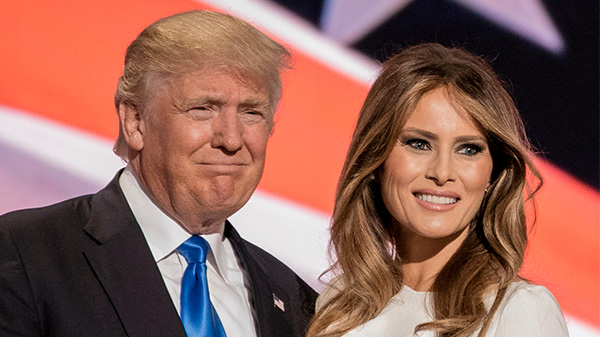
To understand Barron’s place in the Trump family, it helps to know a bit of the broader family story. He has two older half-brothers and two older half-sisters from Donald Trump’s previous marriages. Donald Jr. was born in 1977, Ivanka in 1981, and Eric in 1984. After Donald Trump and Ivana Trump divorced in 1992, he married Marla Maples in 1993, and they welcomed daughter Tiffany that same year. Donald later married Melania in 2006, and that same year, Barron was born.
Ten years later, in 2016, Donald Trump was elected president of the United States, and Barron became the first young boy to live in the White House in more than half a century, a unique distinction that brought both history and attention to his life.
Early Years in New York
Barron Trump was born on March 20, 2006, in New York City. Much of his childhood unfolded in Trump Tower in Manhattan, where he reportedly had an entire floor to himself. The surroundings were grand, yet his daily routine was intentionally kept simple and familiar. That was by design, and it reflected Melania Trump’s emphasis on hands-on parenting.
As a young boy, Barron was fascinated with anything that flew. According to Melania, he loved planes and helicopters, and she found ways to weave that interest into his world, from the toys he played with to the décor that surrounded him. Despite the family’s ability to hire a full staff, Melania made breakfast for her son and prepared his lunches. She spoke about keeping extra help to a minimum, a choice she felt helped parents and children truly know one another.
Melania has described Barron as imaginative, and she welcomed his creative streak at home. He was encouraged to build, draw, and let ideas take shape in his own space. There were times when that creativity made its way to the walls of his playroom with crayons or markers, and instead of stifling it, she simply promised they would paint over it later. It was, to her, a way to nurture exploration and confidence.
His room mixed the elegant style of the family home with the things that most delighted him. Models of aircraft and other favorite objects made the space feel personal and youthful, a haven where a child could be a child, no matter the address.
Raised by Melania
While Donald Trump’s schedule was famously demanding, Melania shouldered the day-to-day responsibilities of raising Barron. She has spoken openly about being present for him as often as possible, especially in his early years. That meant overseeing routines, joining him for homework, and simply being available. She believed consistency would help him stay grounded through times of change.
Donald Trump has admitted he was not the hands-on parent when it came to diapers or daily meals. Even so, Barron and his father carved out time together, whether at dinner or on the golf course as Barron grew older. Melania has said their family understood each person’s role, suggesting a balance that worked for them, particularly during the hectic campaign and White House years.
In those early school years, Melania kept a close eye on Barron’s studies, and she made time to help with assignments and reading. Her approach emphasized calm routines, politeness, and confidence, values that tend to resonate no matter a family’s status or schedule.
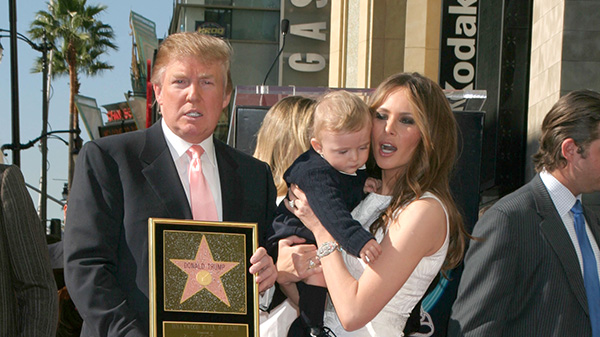
Over time, Barron and his father shared more activities as well. Simple outings like dinners together, and later rounds of golf, provided father and son a way to connect away from the cameras. Those moments, while private, reportedly mattered to the family’s sense of togetherness during unusually public years.
Heritage, Learning, and Language
In school, Barron showed an affinity for science and math, subjects that often reward curiosity and patient problem-solving. Like many children his age, he dreamed big. Melania has said that as a boy, his interests included the skies and the sports field and even business. Those early imaginings were never about mapping a rigid path but about giving him the chance to try things and discover what truly inspired him.
Melania’s Slovenian roots also shaped his upbringing. She raised Barron to be bilingual from a young age, and when he spoke with family in Slovenia, he used their language. Both parents agreed that knowing multiple languages is an advantage, opening doors and deepening connections. It is the kind of skill that often stays with a person for life, no matter where they go or what they choose to do.
As he continued in American schools, any childhood accent naturally faded, and the bilingual foundation remained a source of pride, a quiet link to his mother’s heritage and his extended family overseas.
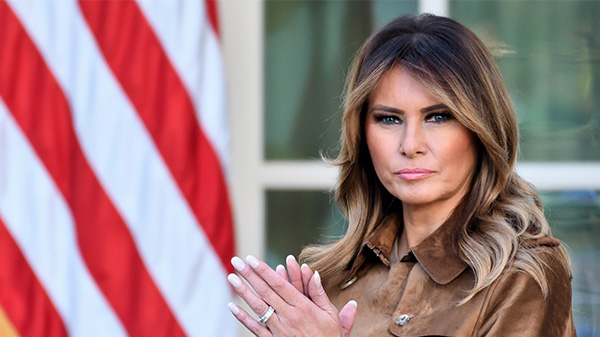
School Decisions and a Careful Move to Washington
When Donald Trump won the 2016 election, Melania made a thoughtful decision about the timing of the family’s move. Rather than uproot Barron immediately, she stayed in New York with him so he could complete his school year. It was a practical choice meant to preserve stability and the relationships he had built with his teachers and classmates.
In New York, Barron attended Columbia Grammar and Preparatory School, one of the city’s long-established independent schools known for its academic rigor and broad range of activities. The consistency of finishing his term there was important, and once that commitment was met, he and Melania moved to Washington, D.C., to join the president in the White House.
With that move, Barron became the first young boy to live in the White House since John F. Kennedy Jr. Decades had passed without a similar situation, and the moment highlighted how rare it is for a child to call 1600 Pennsylvania Avenue home. Recent presidents before Donald Trump had daughters, and those children were either older or at different stages that made their experiences distinct.
Made History in the White House
Another notable chapter in Barron’s story was his school choice in the Washington area. He attended St. Andrew’s Episcopal School in Potomac, Maryland, breaking with a more recent tradition of presidential children attending a different well-known institution. Melania praised St. Andrew’s for its diverse community and strong academic focus, qualities parents everywhere tend to value.
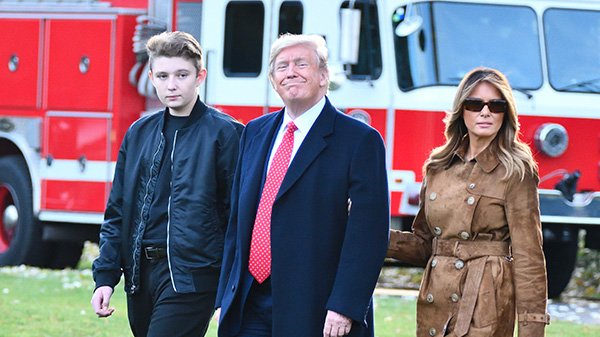
Even as his father served as president, Barron’s appearances remained infrequent. He was most often seen when the family traveled, walking to and from the presidential helicopter or boarding Air Force One. Many of those trips took the family to Florida, where they enjoyed time away from Washington’s busy pace. When Donald Trump’s term ended, the family again leaned into a quieter rhythm, with fewer public moments and more privacy.
The White House years could have easily overwhelmed a young person. Yet by maintaining routines and carefully limiting exposure, his parents did their best to let life feel steady. From school to family time, the goal was to keep his days focused on the ordinary things children and teens need most.
Like many young people, Barron has enjoyed sports. There was public curiosity about whether he would play football, a question his father addressed in an interview. Donald Trump acknowledged his love of watching the game but also expressed concern about the risks, particularly head injuries, that have become a growing topic in sports medicine. He said that while he would support his son’s choices, he would not encourage football for that reason.
Football Concerns and Other Interests
Those remarks reflected a broader conversation many families have about contact sports. In Barron’s case, his father noted that he seemed more interested in soccer anyway. Beyond that, Barron’s public moments during those years were rare, though there were a few lighthearted traditions he took part in, including the White House Easter Egg Roll, where the focus was on fun rather than formality.
This blend of caution, encouragement, and normal kid activities painted a picture of a family aiming to keep perspective. Sports were part of a larger effort to help Barron stay active, social, and engaged, all within the careful guardrails that come with living in a well-known family.
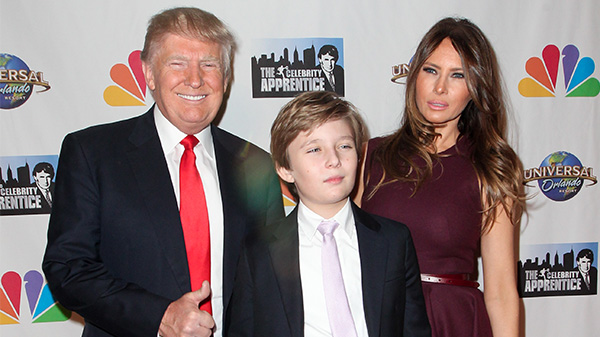
One of the most consistent themes in Barron’s upbringing has been a protective approach to publicity. Melania has been especially mindful about shielding him from unnecessary attention. Rather than issuing statements in Barron’s name or encouraging public commentary, communication around sensitive topics was handled through Melania and her office. When questions arose in the media, responses, if any, were carefully delivered by her representatives.
Guarding Privacy, Growing Up Tall, and Looking Ahead
In the period after the White House, the Trump family stepped back from the spotlight. On the occasions when Barron and his mother were photographed in New York, the images sparked conversation for a very simple reason: his remarkable height. Various reports have noted that he stands well above most of his peers, with past comments from his father once putting him around six feet seven inches as a teenager. Observers in more recent years have suggested he may be even taller now. Whatever the precise number, the takeaway is the same—Barron has had a significant growth spurt and now towers over much of his family.
Those lighthearted reactions to his height are a reminder that, despite the attention that comes with his last name, much of Barron’s story is woven from ordinary threads. He went to school, explored interests, learned another language, and spent time with his family. And through it all, his parents tried to keep the volume of public life turned down low.
Looking back, the defining features of his New York childhood were not only the lavish surroundings but also the steady routines behind closed doors. Melania’s hands-on approach—making meals, limiting outside help, keeping schedules consistent—speaks to a belief that children benefit from simplicity and presence, even in extraordinary circumstances.
From New York classrooms to Maryland hallways, from drawings on the wall to flights of imagination about planes and sports, Barron’s path has been shaped by encouragement to learn and to dream. The family’s bilingual home connected him to his mother’s heritage, and his schooling emphasized both academics and community. Those details add up to a portrait of a young man who was given room to grow thoughtfully.
As Barron steps further into adulthood, the public will likely continue to respect the boundaries his parents set early on. The lessons of his childhood—creativity welcomed, privacy respected, education prioritized—tend to prepare a person well for whatever comes next. Whether he chooses business, higher education, sports, aviation, or an entirely new direction, the foundation appears to be one of balance and care.
For families who watched the Trump years unfold, Barron’s story offers a familiar reminder. Children, no matter their background, do best with stability, encouragement, and time away from the spotlight. In that respect, his New York childhood was less about headlines and more about the quiet moments that help a young person find their footing. And sometimes, in a world that pays attention to everything, it is those quiet choices—the breakfasts, the homework help, the unhurried talks—that make all the difference.