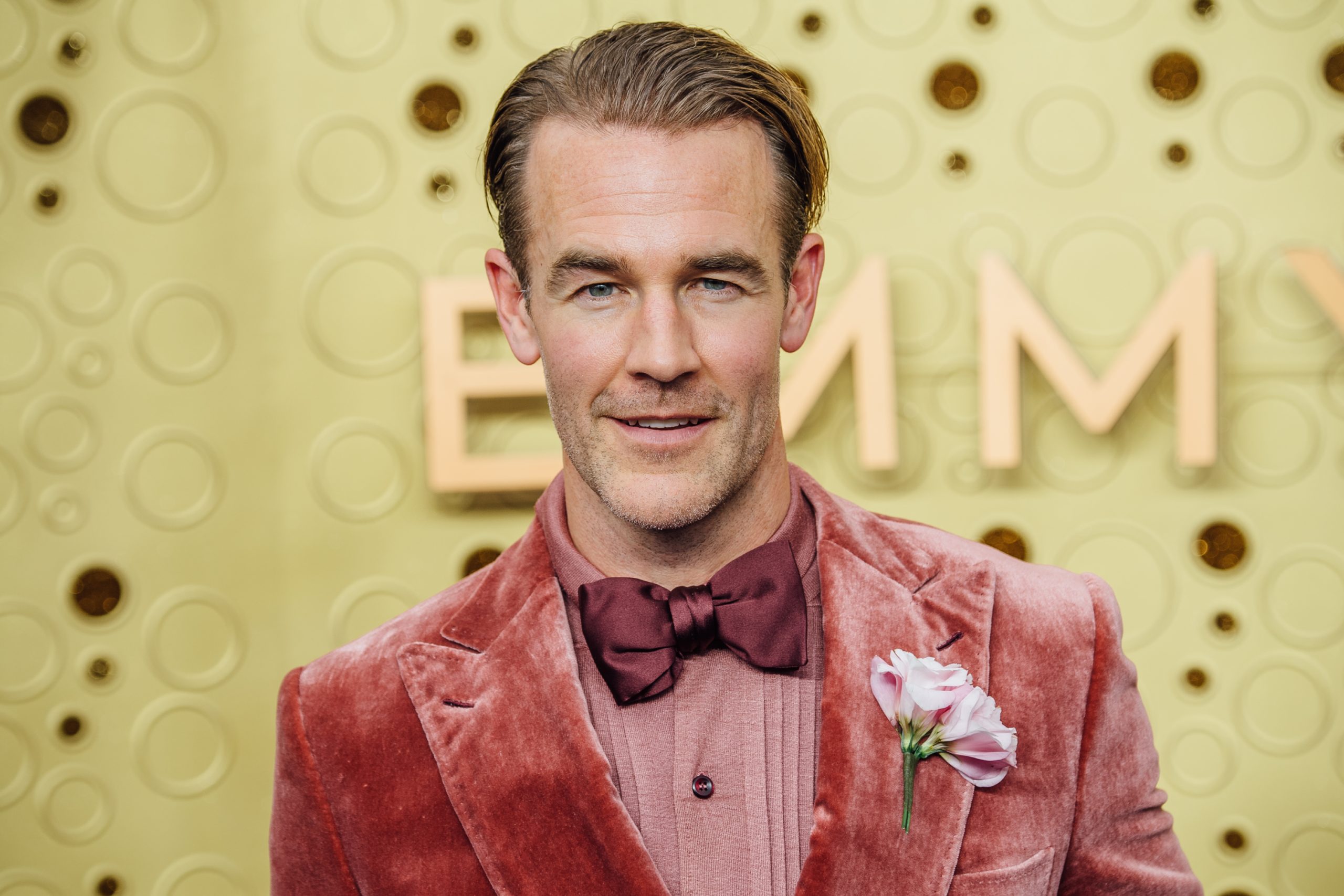
The entertainment community is mourning the heartbreaking departure of “Dawson’s Creek” star James Van Der Beek, who passed away at the age of 48.

Known to many as a cherished actor, he succumbed “peacefully” to colorectal cancer after battling the illness for more than two years. This unexpected diagnosis left his fans, who saw him evolve from a young, TV heartthrob to a dedicated father of six, in shock.
James Van Der Beek’s fight with stage 3 colorectal cancer ended on February 11th, when he was just 48. Survived by his loving wife, Kimberly, and their six children, his family shared the devastating news:
“Our beloved James David Van Der Beek passed peacefully this morning. He embraced his final days with courage, faith, and grace. As we process our loss, we remember his wishes, his care for others, and the preciousness of time. We ask for privacy to mourn our husband, father, son, brother, and friend.”
The Symptom That Almost Went Unnoticed
Van Der Beek openly shared his health journey, aiming to raise awareness about colorectal cancer, particularly among younger adults who might not consider themselves at risk.
Initially, he noticed a slight change in his bowel routines. At first, he dismissed it as something trivial, thinking it might be linked to his coffee habits.
In a conversation with People magazine, he recounted: “I thought maybe I needed to stop drinking coffee or avoid cream in it. But once I cut those out and saw no difference, I decided it was time for a medical check.”
Despite undergoing a colonoscopy, he remained optimistic, as he had no family history of the illness, maintained a routine exercise regimen, and felt healthy.
“After waking from anesthesia, I felt relieved that I had taken the step,” he shared, “However, the doctor then informed me, in a gentle tone, it was cancer. I was in shock.”
The diagnosis revealed he had progressed to stage three colorectal cancer.
This journey led Van Der Beek to reevaluate his beliefs about cancer.
“I used to see cancer as something connected to age or unhealthy lifestyle choices. But I was physically active and thought my eating habits were healthy—at least as I understood them back then.”
An Increasing Concern for Younger Adults
While traditionally seen as a condition affecting older people, colorectal cancer now touches younger generations. With around 150,000 annual diagnoses in the U.S., it has become the leading cause of cancer-related deaths among men and women under 50.
This increase motivated Van Der Beek to discuss his experience candidly, urging others to be attentive to bodily changes.
Medical professionals express deep concern over the rising incidence in younger demographics.
Dr. John Marshall from Georgetown University’s Lombardi Comprehensive Cancer Center, who has decades of experience, noted: “We’re observing more cases in individuals in their 20s, 30s, and 40s. Early in my career, patients this young with colorectal cancer were rare.”
Marshall, also a consultant to the Colorectal Cancer Alliance, highlighted the alarming trend: “This shift is deeply unsettling for all of us.”
Timely detection dramatically boosts survival chances. In its initial stage, survival rates are notably high.
Several factors may elevate the risk of colorectal cancer at any age, including excess weight, limited physical activity, diets high in red or processed meats and low in fruits and vegetables, smoking, heavy alcohol consumption, and conditions like inflammatory bowel disease. Family history also plays a role.
Signs You Shouldn’t Overlook
Health organizations emphasize the importance of recognizing signs early.
James Van Der Beek’s story powerfully illustrates that even seemingly healthy individuals are not exempt.
Leaving behind a family in mourning and a legion of fans, his legacy transcends the screen, characterized by openness, advocacy, and resilience amid immense hardship.