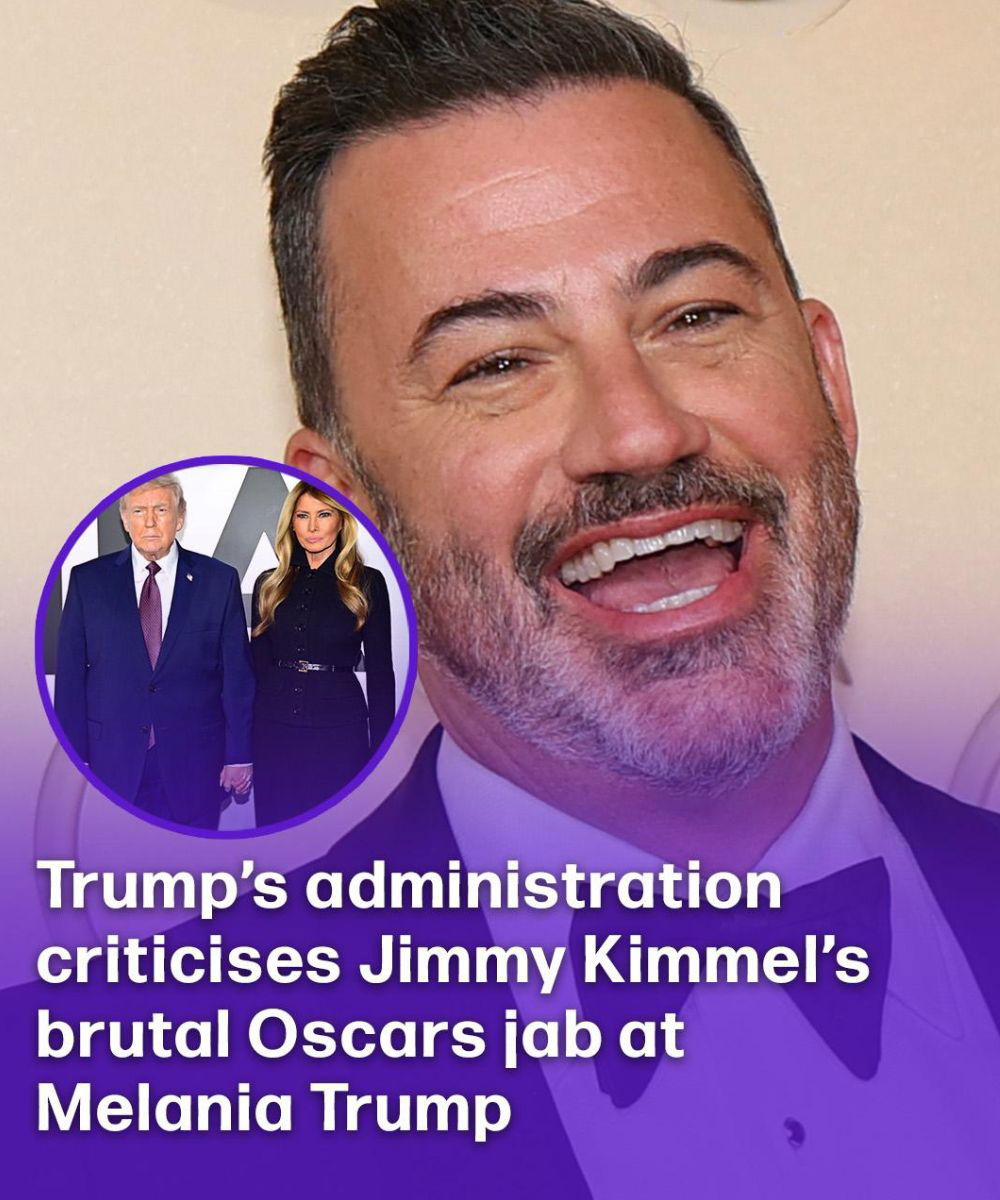
White House aides respond after Jimmy Kimmel jokes about First Lady Melania Trump during the Oscars broadcast
During a high-profile moment at the Dolby Theatre, Jimmy Kimmel sparked fresh controversy with a quip aimed at First Lady Melania Trump while presenting the Best Documentary award. The remark, delivered with the fast, cheeky timing for which Kimmel is well known, centered on the idea that someone might be unhappy that his wife was not among the nominees, a clear nod to Melania’s recently released documentary. The joke drew laughs inside the theater, but the reaction outside the ceremony was far more heated.
Kimmel’s comment tapped into a familiar Oscars pattern, where hosts and presenters sometimes fold topical political humor into their scripts. This year was no exception, and the moment quickly stood out in a show otherwise focused on films, performances, and the craft of moviemaking. By the time the telecast ended, the line about Melania’s film had already become one of the night’s most-talked-about asides, passing from the room to living rooms and onto social media within minutes.
The punch line didn’t land in a vacuum. Melania Trump’s documentary has been part of the broader cultural conversation since its release, following the First Lady in the weeks leading up to President Trump’s second inauguration. Despite a sizable budget and a great deal of media attention, the project struggled to win over critics and turned in a quieter box office performance than its backers likely hoped. Kimmel’s joke played off those realities, needling both the film’s profile and its reception.
He even alluded to the idea that the documentary felt plodding, painting a picture of a production that spent significant time on wardrobe fittings and outfit selections. The description was designed for a quick laugh, but it also doubled as a stinging assessment of what some reviewers had already said, suggesting that the project didn’t capture enough of the First Lady’s inner life or broader role to hold audiences’ attention.
The reaction from inside the administration arrived quickly and forcefully
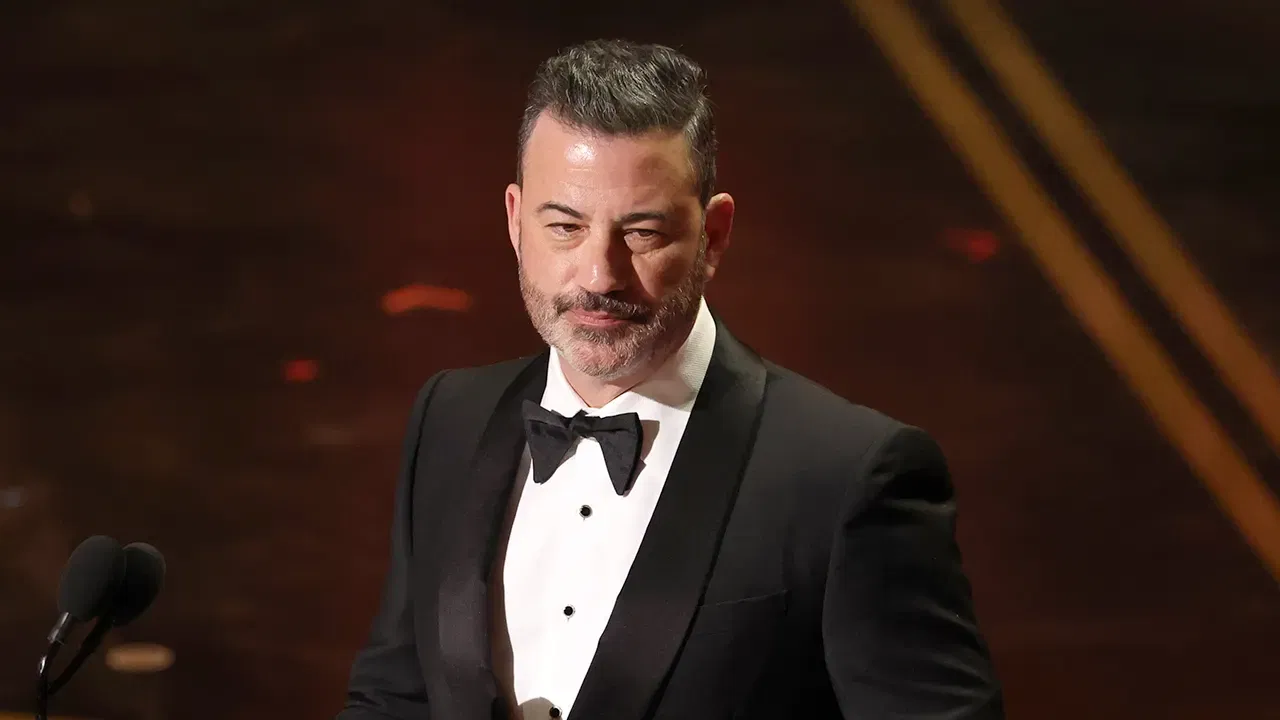
Within hours, the White House pushed back. Communications director Steven Cheung criticized Kimmel’s crack as classless and unkind, framing it as an example of a comedian projecting his own negativity onto others. He also portrayed the moment as an instance of Hollywood speaking primarily to itself, suggesting that, beyond the entertainment industry’s elite circles, the joke would not resonate or matter much to everyday Americans who had tuned in to celebrate film rather than politics.
Several conservative commentators quickly echoed that assessment, calling the jab lazy, weak, and inappropriate for a prestigious awards stage. In their view, the Oscars should be a night for honoring achievement, not for swipes at public figures and their families. They argued that going after a First Lady—regardless of party—crossed a line of respect and decorum that many believe should still have a place in public life.
This wasn’t the first time Kimmel had taken aim at Melania Trump’s documentary. Earlier remarks in the lead-up to the ceremony had poked fun at both the film and the timing of its release during a highly charged political season. For critics, these repeated references underscored a persistent pattern of show-business personalities critiquing political figures from the stage; for supporters, it was familiar late-night fare that skewers anyone in the headlines.
For viewers trying to make sense of the dust-up, it helps to remember that the Oscars have long played a dual role. On one hand, they shine a spotlight on the artistry and effort behind the year’s movies. On the other, the ceremony is a live television event with a global audience, where humor and commentary intertwine. Over the years, hosts have tried different balances—some nights tilt sentimental and celebratory, while others flirt more openly with the cultural debates of the moment.
Kimmel’s style has always included a mix of light pokes at celebrity culture and sharper notes aimed at political and social controversies. For supporters of this approach, the goal is to relieve tension and get viewers to exhale with a laugh. For detractors, it can feel like an unnecessary reminder of our divisions at a time when many would prefer to escape into the movies for a few hours. This year’s exchange over Melania’s documentary captured that divide in a single punch line.
Another part of this story is the documentary itself. The project set out to give the public a closer look at the First Lady’s schedule and responsibilities during a historic transition. As with any film centered on an intensely familiar public figure, expectations were high and opinions were strong. Some viewers hoped for candid, revealing moments and came away feeling the film stayed on the surface. Others appreciated seeing the formal, ceremonial side of the First Lady’s role and argued that such work often goes underappreciated.
In that context, Kimmel’s description of the film as overly focused on fittings stung because it reduced a complex role to a single detail. Supporters of the First Lady say that kind of simplification feeds a dismissive tone about women in public life. Comedians, meanwhile, rely on simplification to make a point in seconds rather than minutes. The friction between those two ideas—nuance and brevity—was on full display on awards night.
From the White House’s vantage point, pushing back loudly makes sense. Leaving the joke unanswered could let it define the narrative around the documentary and the First Lady. A firm response, they believe, signals that personal digs won’t go unchallenged. For Kimmel and his team, the calculus is different. Late-night hosts are hired to react to the news cycle, and a line that gets big headlines, whether praise or criticism, often counts as a successful television moment.
There’s also the broader question of whether politics and entertainment have permanently merged. In years past, many Americans viewed the Oscars and similar shows as apolitical escapes. Today, with the rise of social media and around-the-clock commentary, that boundary has blurred. A single joke can ricochet through news programs and online feeds in minutes, and the speed of that reaction can sometimes amplify both the humor and the anger.
For those who remember earlier chapters of awards-show controversies, this moment likely feels familiar. Comedians from Bob Hope to Billy Crystal, Ellen DeGeneres to Chris Rock, have all navigated where to draw the line. The responses have varied by era and by joke, but the pattern is clear: when humor touches a political nerve, the conversation quickly shifts from the joke to what it says about the culture, the host, and the target.
It’s also worth considering why the documentary market, even for well-known figures, can be tough. Audiences have access to more content than ever, and expectations for pacing, insight, and authenticity are high. When a film’s subject is already at the center of daily news, it can be challenging to reveal something new while also respecting privacy and protocol. That tightrope walk has tripped up many high-profile projects, and Melania’s film appears to have faced similar headwinds.
For viewers in the 45-to-65 age range, many of whom have watched their share of Oscars shows and political cycles, the desire for a calmer, more respectful tone is understandable. Some will feel the joke went a step too far; others will shrug and say this is what awards shows have become. What unites most audiences, though, is a wish for the night’s spotlight to stay on the work—the actors, directors, craftspeople, and the collective effort behind the movies we enjoy.
Still, the interplay between a headline-making wisecrack and a sharp official response is part of the modern media dance. One quick line leads to a press statement, then panel discussions, then more commentary, and before long the original joke becomes just a springboard for a larger debate. That cycle can exhaust viewers, but it also reflects how closely entertainment and politics now travel together.
Some Kimmel fans argue that, given his long history of ribbing people across the political spectrum, this moment was nothing unusual. They point out that public figures—especially those connected to a sitting president—are likely to be part of the comedy crosshairs. On the other side, supporters of the First Lady maintain that family members deserve a measure of respect and that focusing ridicule on creative work connected to them, particularly in a setting meant to honor others, is simply poor taste.
Even with those disagreements, there is common ground to be found. Most people understand that humor is subjective and that live television always carries the risk of a misfire or a line that lands differently than intended. Likewise, official responses are calibrated not only for the person being defended but for a broader audience, signaling priorities and values. In that sense, both the joke and the pushback were aimed well beyond the theater’s walls.
Looking ahead, it would not be surprising if Kimmel addresses the reaction on his show, perhaps clarifying his intent or choosing to lean into the controversy with more jokes. The White House, for its part, is likely to keep emphasizing its view that the First Lady’s work speaks for itself and that entertainment figures who mock it are out of step with what concerns most Americans. Whether this turns into a longer back-and-forth or fades with the week’s news cycle remains to be seen.
As for the Oscars, the episode is a reminder that even a single presenter’s aside can reshape the storyline of the night. Producers try to keep the focus on film, but memorable moments—whether heartfelt speeches or tart one-liners—inevitably claim a share of the spotlight. That balancing act is tricky, and it is made trickier when politics enters the frame, because reactions run deeper and linger longer.
In the end, this flap says less about any one person than about the times we live in. Viewers carry strong feelings into events like the Oscars, and a brief joke can act as a spark. Some laugh, some wince, and many do a bit of both. The conversation that follows is a reflection of our broader culture, one that is learning, often noisily, how to talk about public life, entertainment, and respect all at once.
Whether you sided with the joke or with those who objected to it, the upshot is clear: the boundaries between politics and pop culture aren’t moving back anytime soon. Awards shows will continue to test where that line sits, and public figures will continue to decide how firmly to respond. This time, Kimmel’s line about Melania Trump set off a fast, loud echo—and for better or worse, it ensured that a few seconds of stage time will be discussed long after the final award was handed out.
For many, the hope is simple. They want the country’s heated debates to be handled with civility, even when the humor gets sharp, and they want films—documentaries included—to be judged on their merits, not reduced to a single joke or a single headline. If there is a takeaway for both sides, it might be that quick laughs and quick rebuttals rarely tell the whole story. The fuller picture, as ever, takes time, perspective, and a willingness to see beyond the punch line.
However the conversation evolves, one thing is certain: the Oscars will keep producing moments that reflect the mood of the nation—its tensions, its humor, and its hunger for stories that connect us. And as long as that remains true, a single line from a single presenter will never be just a throwaway gag. It will be part of the ongoing story of how we watch, how we react, and how we decide what matters most on nights meant to bring us together.