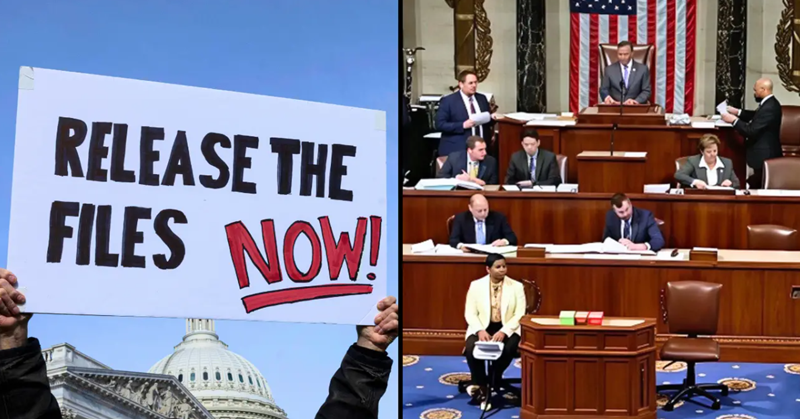
Nearly all the House Republicans cast their votes on November 18 in favor of revealing the files linked to Jeffrey Epstein, with just one individual breaking ranks. The identity of the lone dissenter has now been made public.
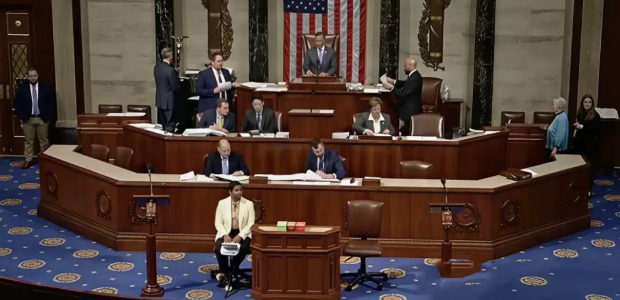
The Epstein bill was brought before the U.S. House of Representatives, granting members the opportunity to vote on whether to authorize the release of documents tied to the convicted offender.
The bill swept through with a decisive majority of 427-1, following Donald Trump’s change of heart. He encouraged party members to support releasing the documents.
Yet, there remained one Republican who decided not to follow the consensus, his identity was kept undisclosed until now.

Explaining the Epstein Bill
In recent months, the President and his administration have been under fire for their delay in releasing the Epstein files—a promise made during their campaign.
Moreover, Trump’s personal ties with Epstein have come under close examination.
Unveiled emails last week from House Democrats claimed Trump had spent extensive time at Epstein’s residence with a victim. These documents suggested the President had prior knowledge about the young women involved.
Trump has denied any awareness or involvement in Epstein’s activities, alleging that he ended up having a rocky relationship with Epstein in his latter years.
Unpacking the Epstein Files Transparency Act
The bill, named the Epstein Files Transparency Act (H.R. 4405), obligates the Department of Justice to release all unclassified records and documents linked to Epstein and the investigation.
The release would also encompass data concerning Epstein’s former associate, Ghislaine Maxwell, who is currently imprisoned for 20 years for aiding in the abuse of minors.
Moreover, the act targets making public any flight logs and travel records.
The Road Ahead
Following the House of Representatives’ vote in favor, the U.S. Senate also gave its nod to the bill.
The next and final step is obtaining the President’s approval.
Trump expressed his intention to sign the bill, leaving the public questioning when exactly it will occur.
It’s noteworthy that congressional approval wasn’t necessary for the files’ release; Trump could have sanctioned it independently.
Once the bill passes, Attorney General Pam Bondi would be tasked with releasing the files within 30 days after Trump provides his signature.

Who Stood Against the Majority?
Despite widespread support within the House, one vote stood alone in opposition to releasing the files. The individual later explained his stance.
In a tweet, he shared: “The issues with the bill remain unchanged since three months prior. It discards 250 years of America’s criminal justice process.”

Addressing Epstein’s victims, he warned: “As proposed, the bill exposes and harms thousands of innocents—witnesses, alibi providers, family members, and others.”
“Should this wide-scale disclosure to a fervent media proceed, innocent lives are bound to suffer.”
This lone voice of opposition came from Republican Clay Higgins, a lawmaker from Louisiana. He emphasized his willingness to support the bill, contingent upon amendments by the Senate, a prospect that appears improbable.