Michelle Obama Opens Up on Her Presidential Aspirations
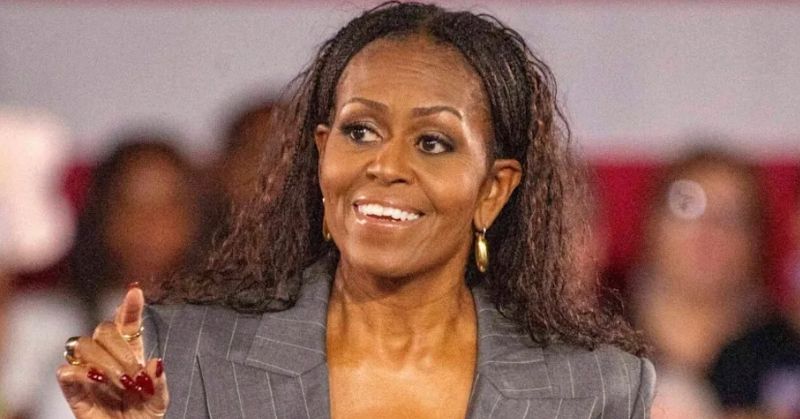
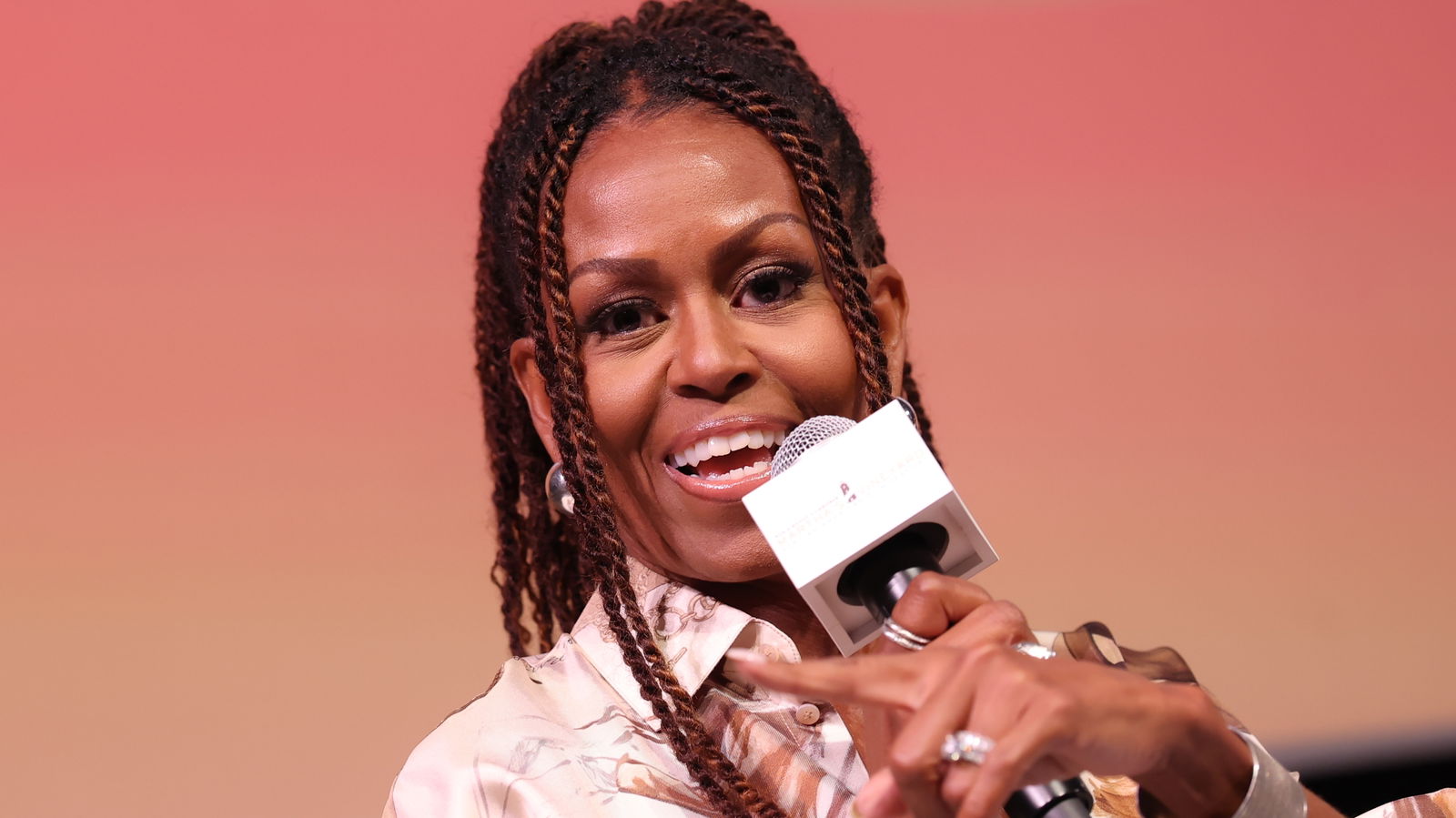
Michelle Obama, who served as the First Lady of the United States during Barack Obama’s presidency from 2009 to 2017, recently shared her thoughts on why she has decided not to pursue a run for the presidency.

The United States has not yet elected a female president, though several women, such as Hillary Clinton in 2016 and Kamala Harris in 2024, have campaigned for the position. In her discussion with actress Tracee Ellis Ross in Brooklyn, New York, Michelle Obama highlighted whether significant strides have been made toward this goal.
In her conversation, she touched upon the loss of Kamala Harris to Donald Trump, emphasizing, “As we observed in the last election, it appears that we are, unfortunately, not ready yet.”
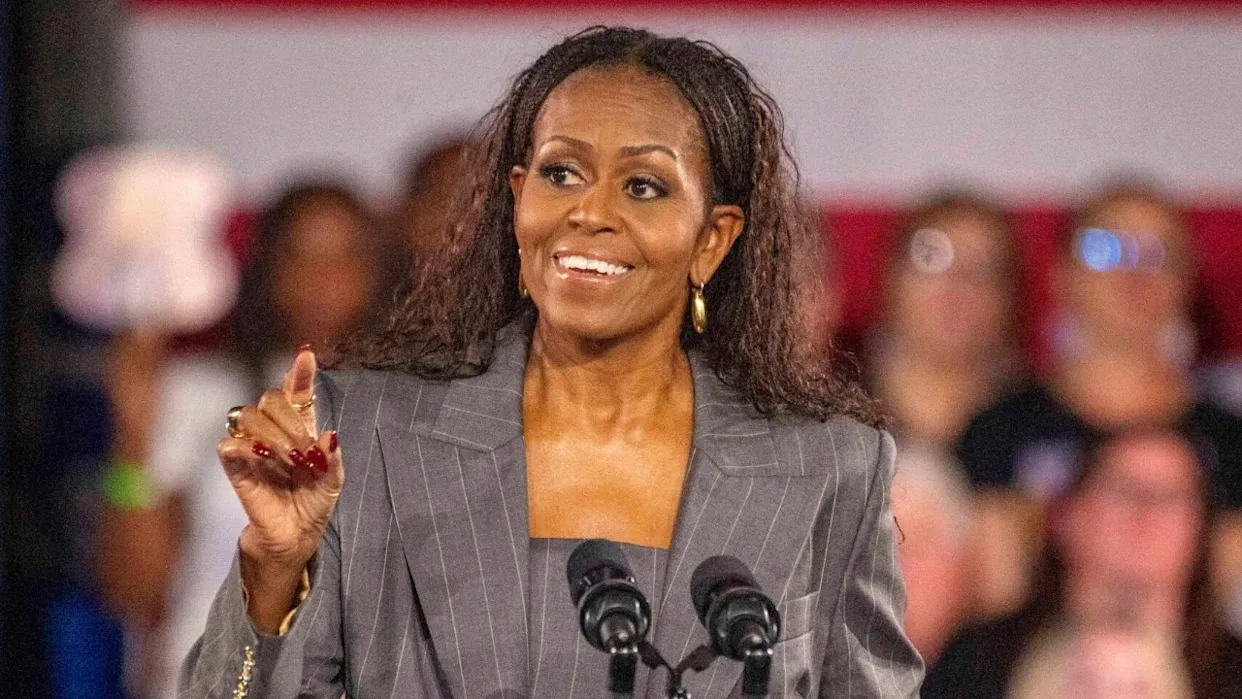
She further expressed her views, saying, “That’s why I’m not considering a run, because there’s a dishonesty in the readiness for female leadership. Many still struggle with the idea of being led by a woman, and we’ve seen the evidence of that.”
Exploring The Look and Personal Style
In her book titled The Look, Michelle Obama delves into her personal style choices and how she uses fashion to advocate for causes she is passionate about, such as education, military family support, and children’s health.
She recalled a time when the media criticized her outfit choice during President Obama’s first joint session, labeling it “too informal” and “inappropriate” due to its sleeveless design. This sparked headlines like Up In Arms and Sleevegate, which drew attention to her attire.
Obama pointed out that previous First Ladies, such as Jacqueline Kennedy, wore sleeveless dresses without similar backlash. She highlighted this scrutiny as an attempt to make her feel as an outsider.
“While I’m not the only First Lady to face criticism—others, like Hillary Clinton for her pantsuits and Nancy Reagan for her designer outfits—this felt unique,” she explained. “It was as though Barack and I, as Black individuals, were perceived as unfamiliar with certain societal norms, which made us feel unwelcomed.”