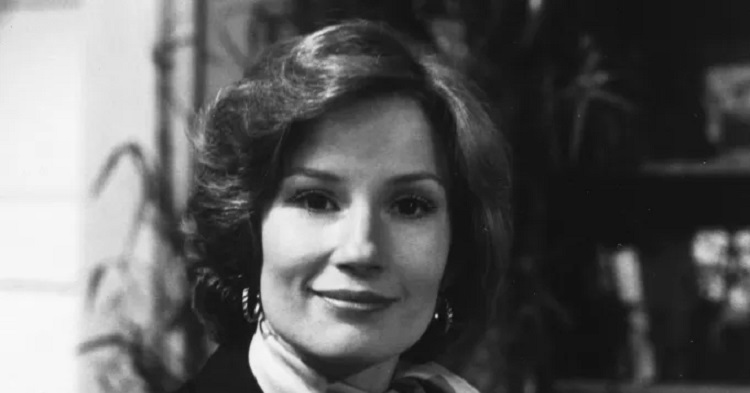
A Warm Remembrance of Jennifer Harmon
Jennifer Harmon, the gifted actress who became a familiar face to millions of daytime television viewers, has passed away at the age of 82. For many of us who grew up with the rhythm of afternoon soaps or enjoyed them with family members, her name carries years of memories and a sense of steady comfort. She belonged to a generation of performers who valued craft, preparation, and connecting with audiences, and her work remains a reminder of what thoughtful storytelling can do.
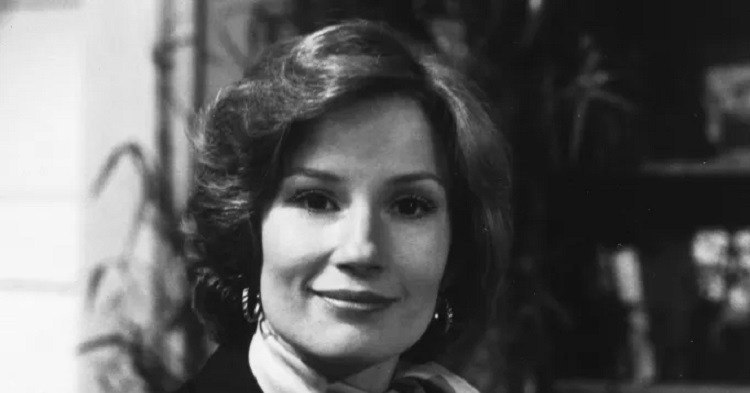
Harmon’s family shared news of her passing through a memorial website filled with photographs and personal tributes that reflect a life lived with dedication and grace. As of now, details for a memorial service have not been announced. What is clear, however, is the affection and respect she inspired in colleagues and viewers who followed her journey over the decades.
Across stage and screen, Harmon made her mark with a mix of quiet determination and professional excellence. In an era before social media and constant distraction, she built her reputation one performance at a time. She showed up prepared, respected the audience, and let the work speak for itself. That quality is part of why her passing has been felt so deeply by those who remember her best work and the thoughtful way she carried herself both on and off the set.
Roots, Education, and a Calling to Perform
Jennifer Harmon was born on December 3, 1943, in Pasadena and grew up in New Orleans. Those early years in a city known for its rich culture and music may well have helped shape her appreciation for performance and storytelling. She studied at the University of Mississippi and the University of Michigan, building a foundation that matched her curiosity with discipline. Education gave her tools, but it was the pull of the stage that called her to New York City and the world of professional theater.
That move would place her squarely in the heart of American performing arts during a time when the stage was a proving ground for serious actors. Rather than chasing quick notoriety, Harmon committed to learning, rehearsing, and mastering the essentials—voice, movement, timing, and the patient work of becoming fully present in each role.
Broadway Beginnings and a Life in the Theater
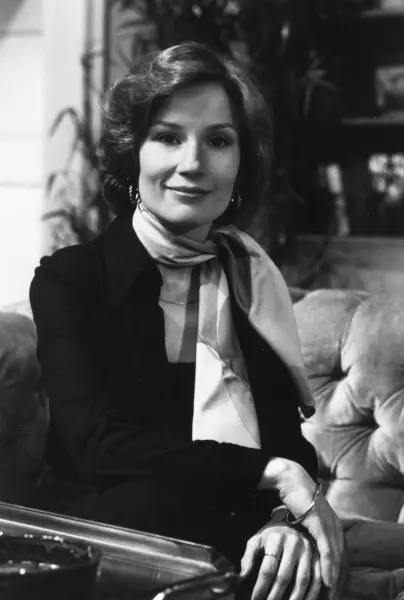
Harmon made her Broadway debut in 1965 in a revival of You Can’t Take It With You, stepping into a beloved American classic that has brightened stages for generations. That early success led to a thoughtful and varied theater career. She appeared in productions such as The Cherry Orchard, The Glass Menagerie, and The Sisters Rosensweig—works known for their depth, language, and emotional detail. These plays are not easy; they require patience and sensitivity, and Harmon brought both to each performance.
Along the way, she also served as an understudy for some of theater’s most celebrated performers, including Judi Dench, Jessica Lange, and Stockard Channing. To anyone who has lived in or around the world of theater, being an understudy is a sign of trust. It means the creative team believes you can, with little notice, carry the heart of a performance in front of a discerning audience. Harmon earned that trust, and it helped shape the steadiness that would later define her screen work.
From the Stage to America’s Living Rooms
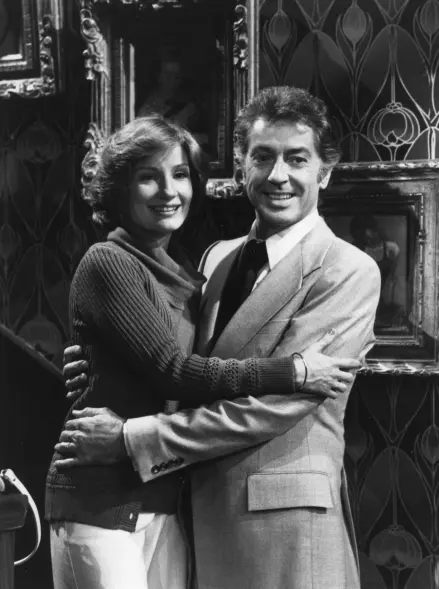
For many viewers, Jennifer Harmon’s most lasting connection came through daytime television. In the mid-1970s she appeared on NBC’s How to Survive a Marriage, playing Christine, a divorced alcoholic navigating setbacks and second chances. It was the kind of story daytime audiences understood well—life’s turns and the hard-won courage it takes to face them. Harmon approached the role with honesty and care, and viewers responded to that sincerity.
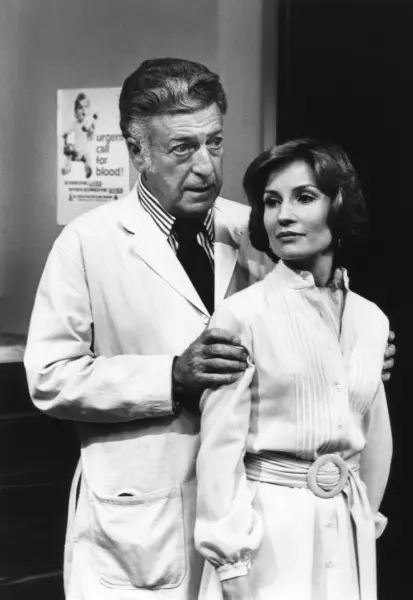
Not long after, Harmon joined the cast of ABC’s One Life to Live as Cathy Craig Lord, becoming the fifth actress to portray the character. In the often-hectic pace of daytime drama, where storylines twist and the scripts are demanding, Harmon’s work stood out. In 1978, she earned a Daytime Emmy nomination for Outstanding Lead Actress, a recognition that spoke to her presence, her skill, and the deep impression she left with audiences following the series day after day.
For those who watched during that time, the afternoon felt a little more familiar when Harmon appeared on screen. She had a way of grounding even the most dramatic moments with real feeling. Many fans later said they felt as though they knew her—not just the character she played—because of the warmth and clarity she brought to each scene.
Return Visits and Lasting Impressions
Harmon returned to One Life to Live in the early 1990s in a different role, a testament to the respect she maintained with the show’s creative team and the audience’s affection for her presence. That kind of return—being welcomed back to a familiar stage in a new capacity—speaks volumes about the professionalism she carried and the confidence producers placed in her. She understood the ensemble nature of daytime dramas, where each performer lifts the other and the pace demands grace under pressure.
While the roles and storylines shifted, the constant in Harmon’s career was her approach. She prepared, listened, adjusted, and worked hard. She did not simply perform for the spotlight; she worked for the integrity of the scene, the exchange between actors, and the audience’s belief in the moment. That ethos endeared her to colleagues and helped her remain active across decades when entertainment itself was changing rapidly.
What Made Her Work Matter
Fans who remember watching Harmon often recall the feeling of reliability she conveyed. In a world that can be uncertain, daytime television offered a steady rhythm—familiar faces, ongoing stories, and the promise that tomorrow’s episode would bring another turn. Harmon understood that promise, and she honored it. She carried complicated emotions with a sure hand, allowing viewers to feel for her characters without ever losing sight of their humanity.
It is worth noting the discipline behind all of this. Daytime actors memorize pages of dialogue on tight schedules. They deliver scenes that must land the first time, and they do so in partnership with crews and fellow performers who depend on one another. That shared trust is what makes a long-running series work. Harmon excelled in that environment because she built her career on respect—for the words, for the audience, and for the colleagues beside her.
A Career Built on Substance
Much has changed in entertainment over the years, but the heart of good storytelling never goes out of style. Harmon’s path—from her studies to Broadway, and then to daytime television—reflects an artist who valued substance and steady effort. She did not chase headlines; she cared about the work. That approach helped her connect with viewers across backgrounds and generations, and it is why her passing has prompted so many warm memories.
Those who followed her career remember more than the roles. They remember the feeling of spending an hour each afternoon in the company of characters who felt like neighbors. They remember the way a familiar face could soften a hard day, or how a thoughtful scene could invite reflection and hope. Harmon provided that, time and again, simply by doing her job with care.
Honoring the Woman Behind the Roles
When a performer like Jennifer Harmon leaves us, the first emotion is often gratitude. We are grateful for the years of company she provided, for the stories she helped tell, and for the dedication she showed to the people who watched. We are also reminded of the teams who shape these productions—writers, directors, stage managers, camera crews—and how an actor like Harmon becomes a trusted partner in the creative process.
Her family’s tributes describe a life remembered with love, and that love feels well earned. Whether you know her best from a particular season of One Life to Live or from her stage work in cherished plays, the impression she leaves is of an artist who brought light and care to everything she did.
For Viewers Who Grew Up With Daytime Dramas
For many in the 45-to-65 age range, daytime television is more than entertainment. It is part of the soundtrack of home—playing softly in the kitchen, keeping company during a lunch break, or serving as a conversation starter with friends and family. It helped mark the passage of time and made room for moments of laughter, tears, and reflection. Jennifer Harmon’s work formed part of that shared experience, and it is why her loss feels personal to so many.
If you watched with your parents or later with your own children, you may remember the ritual of tuning in, the comfort of familiar theme music, and the sense that, for an hour, you could step into a world where people worked through problems together. Harmon played her part in that world with dignity, and it is a gift that stays with us.
In Appreciation and Farewell
As we say goodbye, we hold onto what lasts. For Jennifer Harmon, that is the feeling she gave us when the camera turned to her—the steadiness, the warmth, and the sense that the story mattered. She built a career on the basics of good acting and good character, and those are the qualities we celebrate now.
Her passing marks the close of a meaningful chapter in television history, but the work remains. Reruns, recordings, and the memories shared by fans keep the spirit of her performances alive. In that way, she is still with us, reminding us that dedication and kindness make a lasting difference.
With Sympathy and Respect
We extend heartfelt condolences to Jennifer Harmon’s family, friends, and colleagues. May they find comfort in the love and gratitude of those who admired her. May fans find joy in revisiting their favorite scenes and in recalling the quieter moments when her work brightened an ordinary day.
Details about a memorial service have not yet been shared, but the tributes already posted in her honor tell a clear story. Jennifer Harmon’s legacy is one of substance, not spectacle. She gave audiences the gift of believable, compassionate storytelling—and that gift endures.
Thank you, Jennifer, for the years of dedication, the memorable performances, and the reminder that even in a fast-changing world, the simple virtues of hard work and heart still shine.