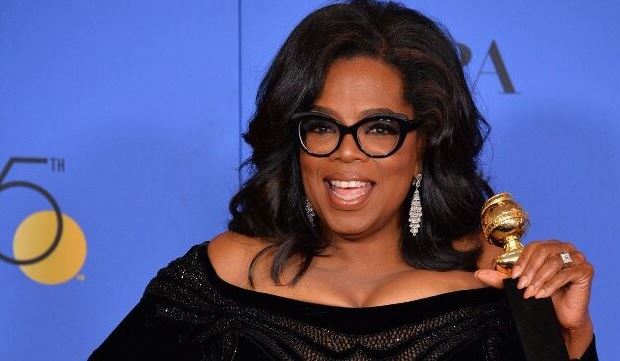
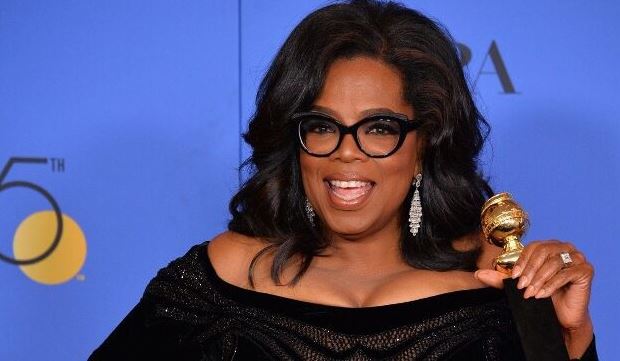
Appearing makeup-free in loungewear during a morning Zoom call from Australia, Oprah Winfrey shared a moment that, for her, symbolizes a profound shift.
“I’ve just had a croissant. And I ate the full thing,” she said casually per an article in PEOPLE. Not long ago, that choice would have spiraled into anxiety. “I would have been thinking, ‘How many calories in that croissant? How long is it going to take me to work it off?’… I’d still be thinking about that damn croissant!” This time, she felt nothing beyond the crumbs on the table.
That quiet is new—and life-changing. Two and a half years ago, Winfrey began using a GLP-1 weight-loss medication after realizing she lives with obesity and could not manage it through willpower alone.
“I thought it was about discipline and willpower. But I stopped blaming myself,” she says. The insight is central to her new book with obesity specialist Dr. Ania M. Jastreboff, Enough: Your Health, Your Weight and What It’s Like to Be Free, out Jan. 13. “I feel more alive and more vibrant than I’ve ever been.”
The transformation goes far beyond weight. Approaching her 72nd birthday on Jan. 29, Winfrey says exercise is no longer punishment—she’s “side-planking and deadlifting.”
She’s stopped drinking alcohol (“I could outdrink everyone at the table,” she laughs) and is surprised by feeling satisfied after meals. “I’m not constantly punishing myself,” she says. “I hardly recognize the woman I’ve become. But she’s a happy woman.”
Public scrutiny of Winfrey’s body dates back decades, from her breakout role in The Color Purple to her talk show’s national rise. Headlines like “Oprah—Fatter Than Ever” lingered.
She remembers feeling confident in her work yet disappointed in her body: “Was I embarrassed by it? Yes… I felt it was my fault.” That shame was compounded, she admits, by her own participation in diet culture—like the infamous 1988 episode where she wheeled out 67 pounds of fat to show her weight loss, “all to prove I could get back into a pair of size 10 Calvin Klein jeans.”
Despite extreme efforts—fasts, intense workouts, even 10-mile hikes—her body seemed to return to a set point around 211 pounds, what Dr. Jastreboff calls an “Enough Point.” “My body said, ‘We trying to get back to that 211, girl,’” Winfrey recalls. Health concerns followed: prediabetes and high cholesterol.
A 2023 special on obesity brought clarity. “I avoided the word ‘obesity,’” she says. “But I came to understand that overeating doesn’t cause obesity. Obesity causes overeating.” That reframing changed everything. Though initially hesitant, she embraced GLP-1s as “a relief… a gift,” as she told People. After briefly stopping the medication and regaining weight, she now understands it may be lifelong.
She describes GLP-1s as “a tool to help you manage the messages that are being sent to your brain about overeating.” She typically injects weekly, sometimes stretching to 10–12 days, with minimal side effects: “You need to start slow and gradual.”
What she’s gained most is freedom from “food noise.” “Everything is just calmer and stronger,” she says. She’s even helped others afford medication.
Her message is clear: “If you have obesity in your gene pool… it’s not your fault.” Relationships have deepened, alcohol no longer appeals, and movement feels essential. Her stylist notices it, too: “She’s looking better than she’s ever looked and more confident. It’s magnetic.”
Looking back, Winfrey wouldn’t change her journey. Quoting a spiritual Maya Angelou loved, she sings, “I wouldn’t take nothing for my journey now.” And today, she says simply, “I am healthier now.”