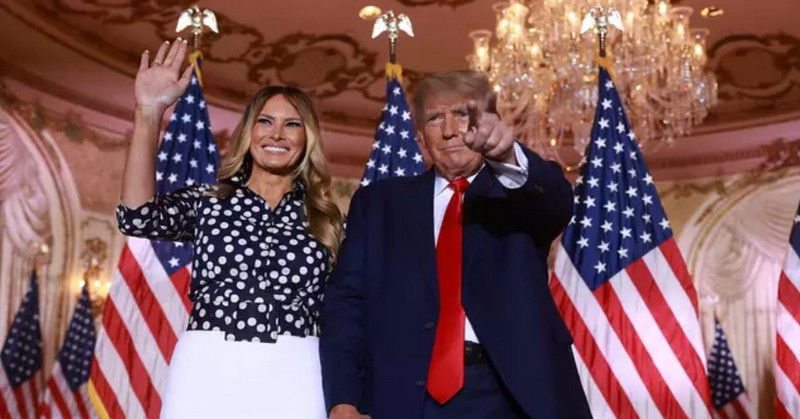
A Republican-led effort faces legal and public hurdles
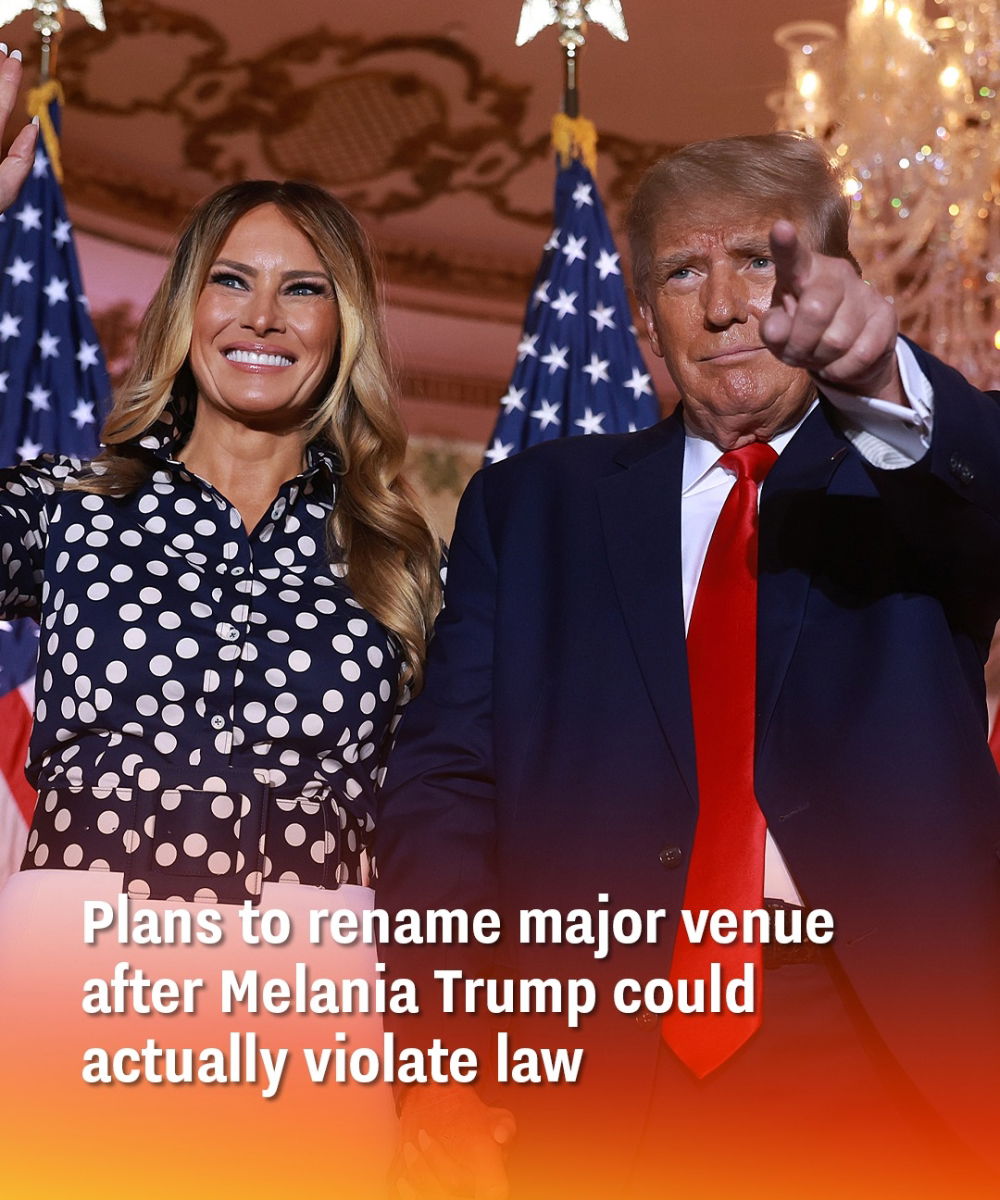
An initiative is underway in the House of Representatives, spearheaded by Republicans, to rename a renowned cultural landmark in Washington, D.C. in honor of Donald and Melania Trump. However, this proposal has triggered both legal challenges and public disapproval.
The controversial renaming effort focuses on the Kennedy Center Opera House, a distinguished venue for performing arts. Proponents argue that the rebranding pays tribute to Melania Trump’s supposed commitment to the arts and humanities. The Kennedy Center, built in 1971, originally honored President John F. Kennedy, who had a profound appreciation for the arts and had been a strong advocate for cultural enrichment during his presidency before his assassination in 1963.
Following Donald Trump’s presidency, he was appointed chairman of the Kennedy Center. In one of his initial actions, he made the contentious decision to remove numerous board members, sparking widespread public critique.
As of late, Republican representatives have put forward a plan to rename the Opera House after Melania Trump, who is 55 years old. This proposal quickly expanded to include the renaming of the entire complex to the “Donald J. Trump Center for the Performing Arts.”
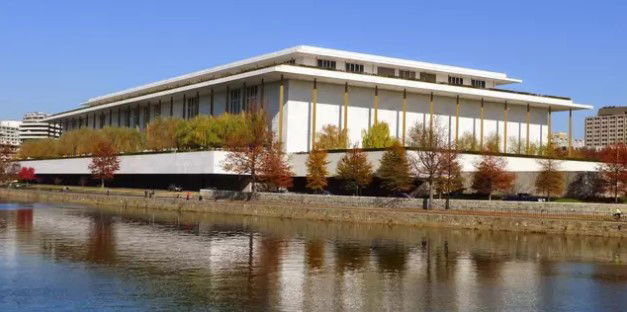
The suggestion was brought to the table by Rep. Bob Onder, a Republican from Missouri, under the “Make America Great Again Act.” Currently, this prospective change is part of a broader appropriations bill related to the Interior Department, pending approval from both the House and Senate.
Opposition to the renaming effort has come from multiple fronts. Critics, including John F. Kennedy’s grandson, Jack Schlossberg, question the Trumps’ contributions to the arts and culture, arguing they do not merit such an honor. On social media, detractors have doubted Melania Trump’s cultural achievements, often referencing her controversial “Einstein visa.”
Legal barriers threaten the proposal
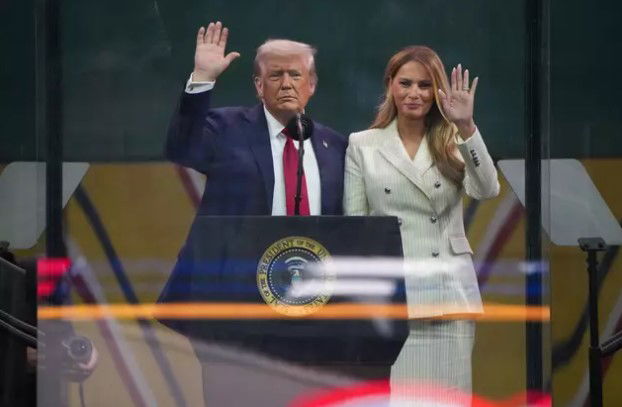
Beyond widespread criticism, the proposal encounters significant legal issues. According to a report from NBC News, renaming the venue could infringe upon existing federal regulations. Former board members of the Kennedy Center have pointed out a standing law that restricts renaming any parts of the Center, with the only exception being the Eisenhower Theater. This particular theater commemorates President Dwight D. Eisenhower, who greenlighted the center’s creation in 1958. Despite initial delays, interest was reignited by President Kennedy, leading to the center eventually bearing his name posthumously.
Federal legislation, particularly a statute enacted in 1983, explicitly prohibits any further memorials or name changes within the Kennedy Center’s public areas. The law is clear: “After December 2, 1983, no additional memorials or plaques like memorials shall be designated or installed in the public areas of the John F. Kennedy Center for the Performing Arts.”
Rep. Chellie Pingree, a Democrat from Maine and the lead Democrat on the Interior Appropriations subcommittee, has expressed fierce opposition to the proposed renaming. Representatives from her office have noted that legally, Republicans cannot alter the name of the building without full congressional approval.
According to a spokesperson, unless Republicans manage to secure passage of their complete budget package—which is historically improbable—the proposal is unlikely to advance. The spokesperson further warned that any attempt by Trump or his allies to bypass Congress would lack legal validity and could provoke a significant constitutional legal battle.
Interestingly, Rep. Mike Simpson of Idaho, who supports the renaming initiative, acknowledged that neither Melania Trump nor the White House were informed of the proposal beforehand. However, they reportedly expressed gratitude once informed.