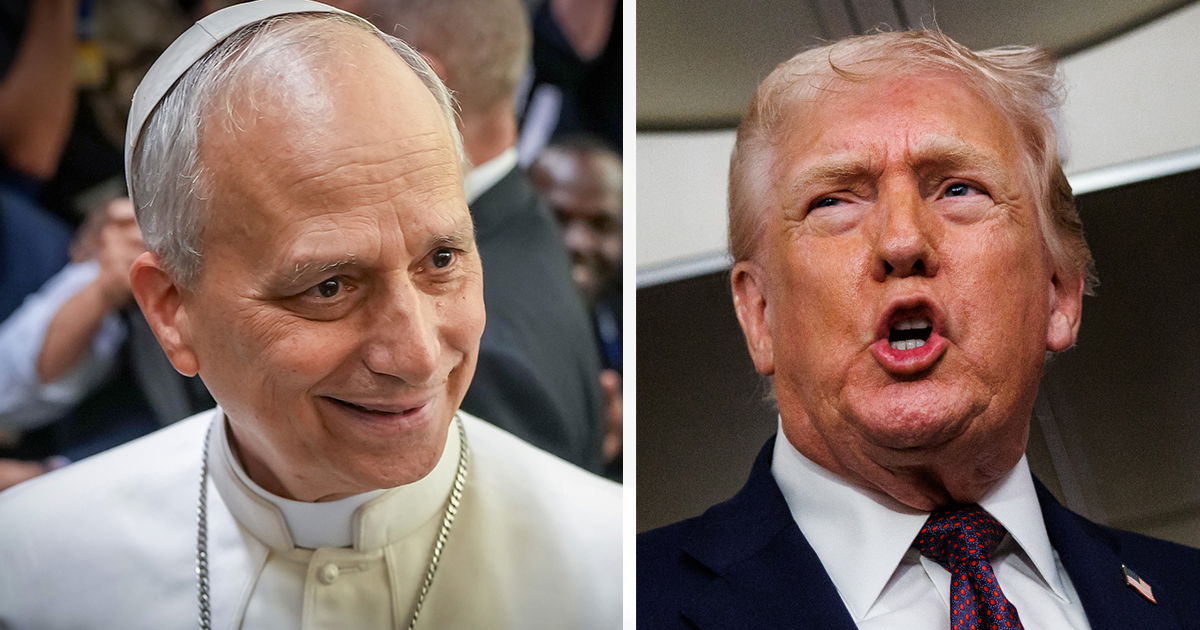
Recently, President Donald Trump took a step forward in his diplomatic initiatives by announcing the formation of what he has termed as the “Board of Peace.” This initiative aimed at fostering harmony in troubled regions like Gaza, was unveiled with the hope of global participation. Notably, Trump extended an invitation to Pope Leo alongside various national leaders. However, Pope Leo’s response was not what Trump might have expected, as it was both a refusal and a pointed critique.
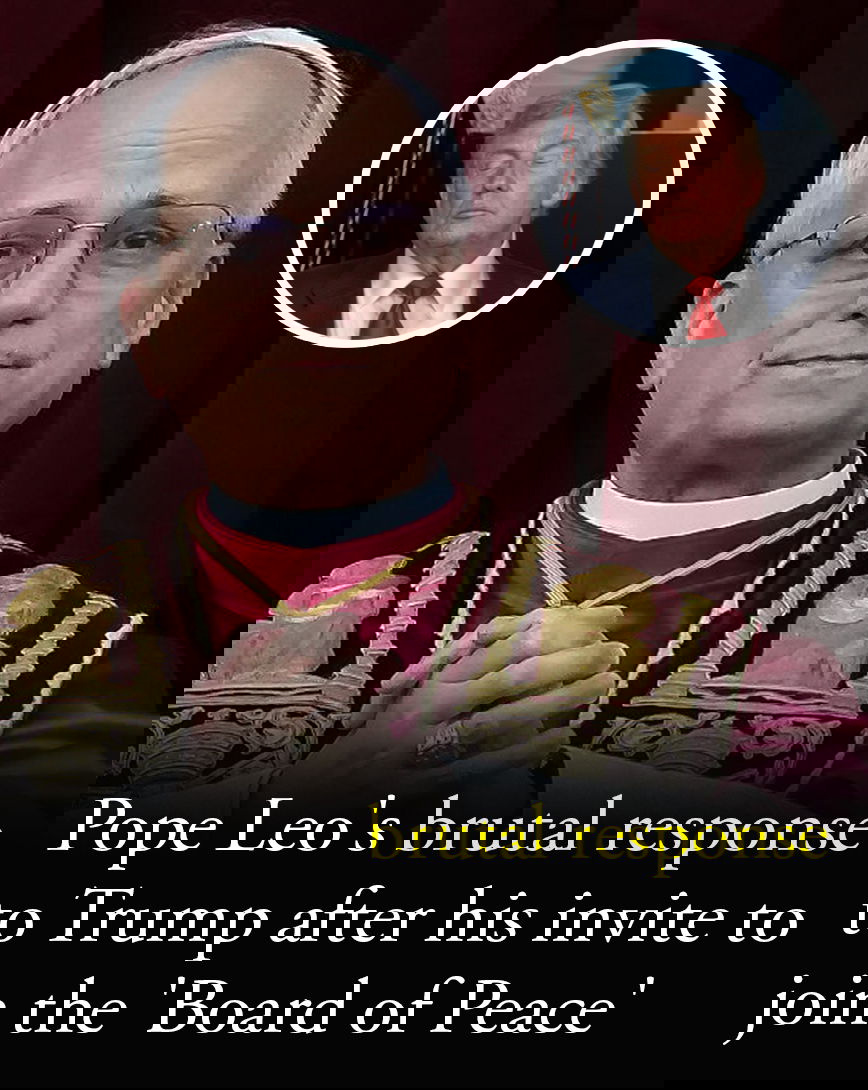
The idea behind this Board of Peace is to serve as a collaborative platform for nations willing to invest a hefty sum—$1 billion, to be precise—for permanent membership. The hope was to pool resources and ideas to bring peace to regions that have long been simmering in conflict. Yet, the reception was mixed. While some nations such as Israel, Argentina, Russia, Hungary, and Saudi Arabia welcomed the invitation, others like Germany, Canada, France, Italy, Norway, Sweden, the United Kingdom, and Ukraine opted out.
Among those invited was Pope Leo, the leader of the Roman Catholic Church, who was approached to join this novel peace endeavor. The Vatican initially took its time to mull over the invitation. However, the eventual response was a firm decision to decline.
Pope Leo’s Perspective on the ‘Board of Peace’
Initially, the Vatican’s response was reserved, allowing time for contemplation. However, in subsequent months, there was a clear decision to not partake in Trump’s board. Cardinal Pietro Parolin, acting as the Vatican’s chief diplomat, explained that Pope Leo believes that conflicts like the one in Gaza should be addressed within the framework of the United Nations rather than a board led by a single nation.
The media outlet, the Independent, reported a statement from a Vatican spokesperson, emphasizing that any administration’s efforts must align with humane practices and uphold the laws for the welfare of its people. Although Pope Leo himself kept his personal commentary brief, the decision aligns with his longstanding narrative on international peace, human rights, and the treatment of immigrants and refugees. For Pope Leo, prioritizing these principles is crucial in safeguarding human dignity and freedom.
Pope Leo has often spoken about the potential erosion of human rights if core values on freedom and dignity are undermined. His recent addresses have underscored this sentiment, rallying global leaders to not lose sight of humanity in their political endeavors.
What are your sentiments on this decision? We invite you to express your opinions below.