Prince William is being praised—and scrutinized—for taking a markedly different approach to royal communication, breaking from a principle that guided Queen Elizabeth II throughout her historic 70-year reign.
For decades, the British monarchy adhered to the famous unwritten rule: “never complain, never explain.” The strategy emphasized silence in the face of controversy, allowing time and distance to preserve the institution’s dignity. But recent events suggest the Prince of Wales is charting a new course—one that prioritizes public accountability and clear messaging.
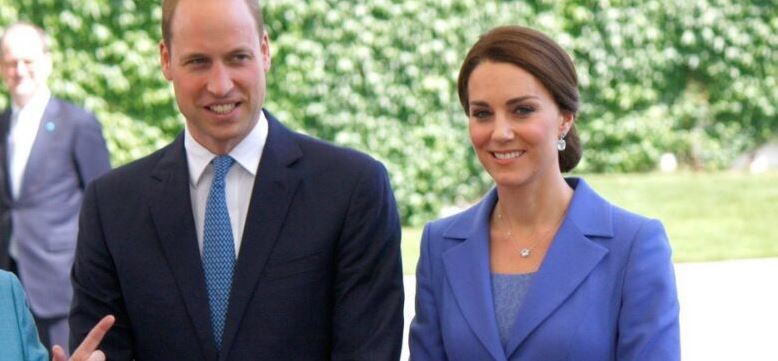
The shift became especially evident after William and Princess Catherine issued a rare public statement expressing support for victims connected to the Jeffrey Epstein case. The move stood in stark contrast to traditional royal practice, which typically avoids addressing sensitive matters directly.
According to royal commentator Hilary Fordwich, the decision reflects a broader modernization effort led by the future king and his wife. “Prince William, with the major influence of Princess Catherine, is modernizing the monarchy by clarifying their position—which is with the victims,” she explained. “This demonstrates William’s moral authority. We can expect that he will not do anything to defend his uncle.”
The statement itself was brief but unmistakably clear. Through a palace spokesperson, the couple shared their concern over ongoing revelations related to Epstein. “I can confirm that the Prince and Princess of Wales have been deeply concerned by the continued revelations,” the statement read. “Their thoughts remain focused on the victims.”
It continued: “Their Majesties wish to make clear that their thoughts and utmost sympathies have been, and will remain with, the victims and survivors of any and all forms of abuse.”
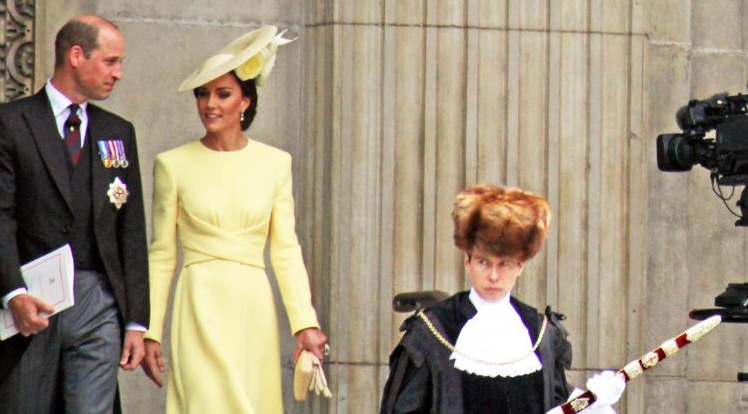
The timing of the message followed the U.S. Department of Justice releasing millions of pages of documents tied to the Epstein investigation in early 2026. While Prince Andrew—William’s uncle—has repeatedly denied wrongdoing, his name appeared in the materials, renewing scrutiny on his past associations.
Fordwich said William views silence in situations like this as potentially damaging. “He is clearly the hardliner on reputational risk, viewing silence as both damning and dangerous for the monarchy,” she noted. She also pointed out that the couple intentionally avoided mentioning Andrew by name, choosing instead to center the conversation on victims.
The royal expert added that efforts to distance the monarchy from controversy had already been underway for years. “There is no way to completely shut down this nightmare,” Fordwich said. “[The royal family] have already shifted Andrew out of the public spotlight, stripped him of his titles and patronages—all of which William wanted from the outset.”
Observers say Catherine’s background as someone not born into royal life may also influence the couple’s more direct approach. Fordwich described her as “a strong moral force by William’s side,” adding that the pair remain united in reflecting public sentiment.
“He and Princess Catherine are aligned with the public disgust towards [his] behavior,” she said. “The couple are completely united.”
As William prepares for his future role as king, many royal watchers see this moment as symbolic of a larger transformation—signaling a monarchy increasingly willing to speak openly when moral clarity is at stake.