
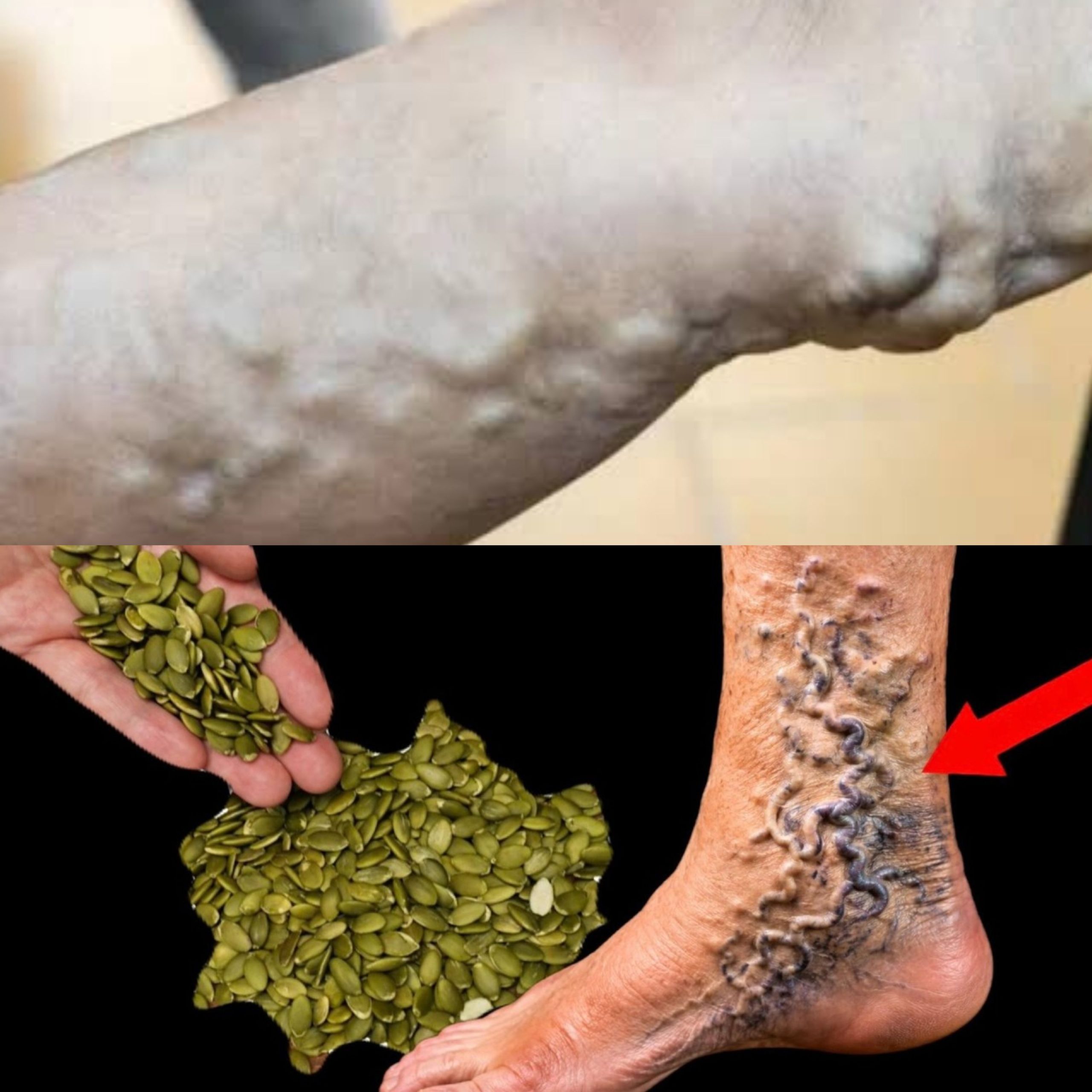
The small seed with big benefits
You may have walked right past pumpkin seeds countless times in the store without a second thought. These slim, green seeds may look ordinary, but they are packed with gentle, steady support for everyday concerns many of us feel more as the years go by. If you deal with achy joints, varicose vein discomfort, occasional swelling in the hands or ankles, or you want to be kind to your kidneys, pumpkin seeds are a simple addition that can fit easily into your routine.
Think of pumpkin seeds as a helpful food, not a miracle cure. They provide nutrients that work together to support circulation, calm minor inflammation, and help your body manage fluids. Over time, that steady support can make a noticeable difference in how you feel day to day. Best of all, they are easy to enjoy and require no complicated recipes or special equipment.
Why pumpkin seeds can be so helpful
Pumpkin seeds are rich in magnesium, zinc, healthy unsaturated fats, plant protein, and antioxidants such as vitamin E and carotenoids. Magnesium helps muscles relax and plays a key role in hundreds of processes in the body, including nerve function and blood pressure regulation. Zinc supports tissue repair, immune function, and skin health, which all matter when you want your veins and joints to feel their best. The healthy fats and antioxidants help protect your cells from everyday wear and tear.
These nutrients do not act in isolation. They overlap and support one another, creating a well-rounded nutritional package. The combination can help your blood vessels stay flexible, your joints feel more comfortable, and your body handle fluid balance more smoothly. While one handful will not change everything overnight, regular use can offer a gentle boost that adds up over weeks and months.
Another helpful note is that pumpkin seeds naturally contain the amino acid arginine. Arginine is involved in the production of nitric oxide, a compound your body uses to help blood vessels relax. That relaxation can support healthy circulation, which is especially welcome if your legs feel heavy or your veins give you occasional discomfort.
Comfort for varicose veins and circulation
Varicose veins become more common with age, and while they are not always dangerous, they can be uncomfortable. Pumpkin seeds are not a cure and they will not erase prominent veins, but their nutrients can support the areas that matter most. Antioxidants such as vitamin E help protect the delicate lining of blood vessels. Magnesium and healthy fats can calm low-grade inflammation that may add to vein discomfort. Arginine, as noted, supports the body’s own ability to keep vessels relaxed and blood moving.
Many people notice that when they eat a more nutrient-dense diet, including seeds and nuts in moderation, their legs feel lighter by the afternoon. Better circulation does not happen in a day, and pumpkin seeds are just one piece of the puzzle, yet they are an easy one to use. A small serving most days of the week can be a steady, friendly nudge in the right direction.
Joint ease and everyday mobility
Stiff or achy joints are another part of life that can show up more often with age. Magnesium is known for helping muscles loosen, which can reduce the tug-of-war around joints. Zinc contributes to tissue repair, and the healthy fats in pumpkin seeds are building blocks for cell membranes, which in turn support joint tissues. Antioxidants help counter the everyday oxidative stress that can make joints feel older than they are.
If you add pumpkin seeds to your meals consistently, you may notice less morning stiffness and a smoother start to the day. The goal is not instant relief, but steady nourishment that helps your body do what it is naturally designed to do. Many people find that a month of regular use tells the story better than a single serving.
Managing swelling and fluid balance
Swelling in the hands, feet, or ankles can have many causes, from long periods of sitting to hot weather. Pumpkin seeds offer a gentle assist because they are naturally rich in potassium and magnesium. These minerals help your body balance sodium and manage fluids. Some people describe pumpkin seeds as having a mild, natural diuretic effect, meaning they may help your body release extra fluid more comfortably.
If you tend to hold water when your salt intake creeps up, moving to unsalted pumpkin seeds and other lightly seasoned foods can be a wise, easy change. Paying attention to hydration, movement, and mineral balance works together, and pumpkin seeds fit neatly into that plan. If swelling is severe, sudden, or painful, it is important to speak with a healthcare professional promptly, since swelling can also be a sign of something that needs medical attention.
Gentle support for kidneys and the urinary tract
Your kidneys are hard-working filters. They help manage fluids, remove waste, and keep key minerals in balance. The magnesium and antioxidants in pumpkin seeds can be a friendly support to that system. Magnesium plays a role in keeping certain crystals from forming, and overall antioxidant support helps protect delicate tissues from everyday stress.
There has also been research on pumpkin seed extracts for bladder comfort, particularly in supporting healthy urinary frequency. Grocery store pumpkin seeds are a food rather than a standardized supplement, but enjoying them regularly is a practical way to include the same family of nutrients in your diet. If you have known kidney disease, especially advanced kidney disease, you should check with your clinician before increasing your intake, because seeds are naturally higher in minerals like phosphorus and potassium that may need to be limited in certain situations.
Simple, tasty ways to enjoy pumpkin seeds
Eating pumpkin seeds as they are can be the easiest approach. A small handful works well for many people. Aim for about a quarter cup, which is enough to bring in helpful nutrients without being too heavy. Chew them well and choose unsalted versions so you get the mineral benefits without excess sodium.
Grinding pumpkin seeds is another comfortable option, especially if crunchy foods bother your teeth or if you want to increase how much your body absorbs. A small coffee grinder or food processor can turn raw seeds into a fine meal. That meal stirs smoothly into warm oatmeal, can be sprinkled over yogurt, or added to a bowl of vegetable soup before serving. The mild, nutty flavor blends in easily.
Making a simple pumpkin seed milk is straightforward too. Soak half a cup of raw seeds in water for a few hours, then drain and blend with two cups of fresh water until smooth. Strain through a fine sieve or clean cloth if you prefer a silkier texture. The result is a gentle, dairy-free drink you can sip by the glass, pour over cereal, or use in a smoothie. You can leave it plain or add a dash of cinnamon for warmth.
Soaking seeds overnight in plain water can also make them a bit easier to digest. After soaking, rinse them and enjoy as is, or dry them on a towel and lightly toast them in a low oven until fragrant. Toasting brings out a toasty aroma without needing heavy oils or salt. If you prefer them raw, that is perfectly fine as well.
How much is enough
For most adults, about a quarter cup of pumpkin seeds per day is a practical target. That serving generally provides a satisfying amount of magnesium, zinc, healthy fats, and plant protein without pushing calories too high. In rough terms, a quarter cup can be around 150 to 180 calories, depending on the brand and preparation.
If you are watching calories, you can enjoy a smaller portion and still gain steady benefits over time. It is the consistency that matters, not perfection. Many people do well with a small serving most days of the week, especially when the seeds replace a saltier or more processed snack.
Buying well and keeping them fresh
Look for raw or lightly roasted pumpkin seeds that smell fresh and taste clean. The inner seed is a pleasant green color when the outer white shell has been removed. If you open a bag and notice a strong or sharp odor, the natural oils may have gone rancid, and it is best to discard them and start fresh. Quality matters, and fresh seeds are far more enjoyable.
Store pumpkin seeds in an airtight container away from heat and light. The refrigerator or freezer is an excellent option if you buy in bulk, because cooler temperatures keep the oils stable. Used this way, seeds can stay fresh for months. If you keep a small jar on the counter for easy snacking, refill it from cold storage so the main supply stays fresh longer.
Safety notes, medications, and who should be cautious
Food allergies to pumpkin seeds are uncommon, but they do exist. If seeds are new to you, start with a small amount and see how you feel. If you have difficulty chewing or swallowing crunchy foods, try ground seeds, a smooth seed butter made from pumpkin seeds, or the simple seed milk described earlier.
If you take medications that affect potassium, such as certain blood pressure medicines or potassium-sparing diuretics, speak with your healthcare professional about how pumpkin seeds fit into your plan. Because seeds are naturally richer in potassium and phosphorus, people with advanced kidney disease should also get personalized guidance before making significant changes.
Salted, heavily seasoned seeds can work against your goals if swelling or high blood pressure is a concern. Choose unsalted or very lightly salted versions most of the time. If you are on a blood-thinning medication, ordinary servings of pumpkin seeds are typically acceptable, but it is still wise to keep your diet consistent and let your clinician know about any significant changes.
A routine that fits easily into your day
The simplest way to stick with pumpkin seeds is to attach them to something you already do. Enjoy a small handful with your mid-morning tea, stir a spoonful of ground seeds into your breakfast oatmeal, or sprinkle them over a bowl of soup at lunch. Those tiny tweaks take almost no extra time and add up to steady support over weeks and months.
Pairing pumpkin seeds with everyday self-care deepens the benefit. Brief walks, staying hydrated, and gentle stretching all work alongside the nutrients in pumpkin seeds to support healthy circulation, joint comfort, and fluid balance. None of this needs to be strenuous to be effective; consistency is kinder to your body than intensity.
When to seek medical advice
While pumpkin seeds are a nourishing addition, they are not a replacement for medical care. If you have sudden or severe swelling, new or worsening leg pain, warm or tender veins, chest discomfort, or shortness of breath, seek medical attention right away. These can be signs of conditions that require prompt treatment.
For ongoing joint pain that limits your daily activities, or for kidney or urinary symptoms such as fever, severe back pain, blood in the urine, or burning that does not go away, schedule an appointment with your clinician. Getting a clear diagnosis allows you to use foods like pumpkin seeds as part of a thoughtful, complete plan.
Bringing it all together
Pumpkin seeds are a small, friendly habit with a wide reach. Their magnesium, zinc, healthy fats, and antioxidants work together to support circulation and vein comfort, ease the edges off stiff joints, help your body manage fluids, and offer gentle care to your kidneys and urinary tract. They slide easily into the meals you already enjoy, and they do not require special preparation to be effective.
If you keep your expectations grounded and your routine steady, you may be pleasantly surprised by how much better your body feels with this simple daily boost. Choose unsalted seeds, keep portions sensible, and give it a few weeks. As always, pair this food-based support with guidance from your healthcare professional when needed. Small steps, taken consistently, often make the biggest difference over time.
A gentle reminder to finish: pumpkin seeds are a supportive food, not a cure-all. Used alongside healthy movement, good sleep, and your clinician’s advice, they can be a comforting and delicious part of your day. Sometimes the smallest habits are the ones that help us feel our best.



