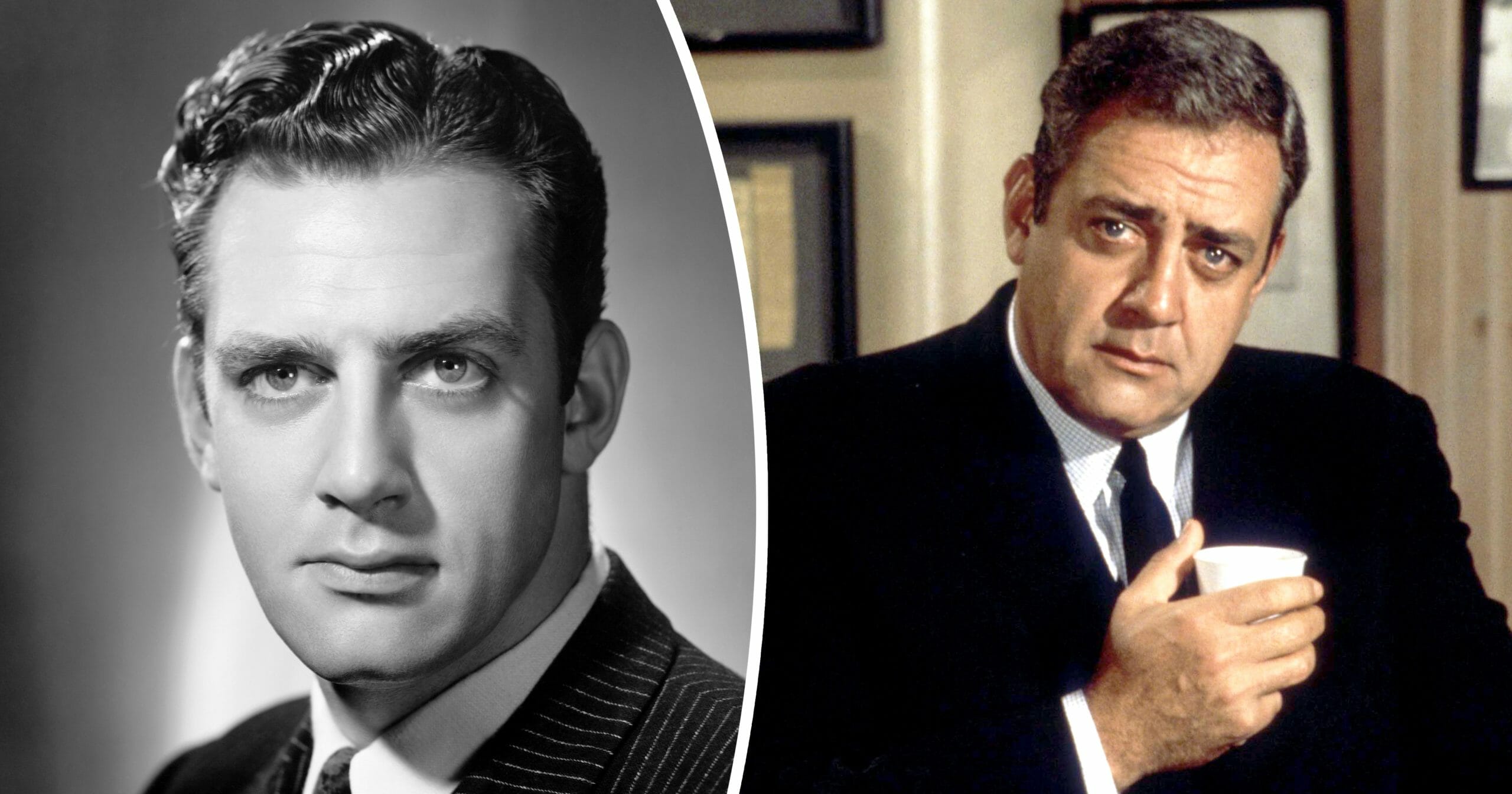
Raymond Burr, cherished by audiences for his performances, became a staple of Hollywood prominence, featuring in beloved films like Rear Window and A Cry in the Night. However, it was his role as Perry Mason, the astute lawyer and detective in the crime drama series, that catapulted him to stardom.
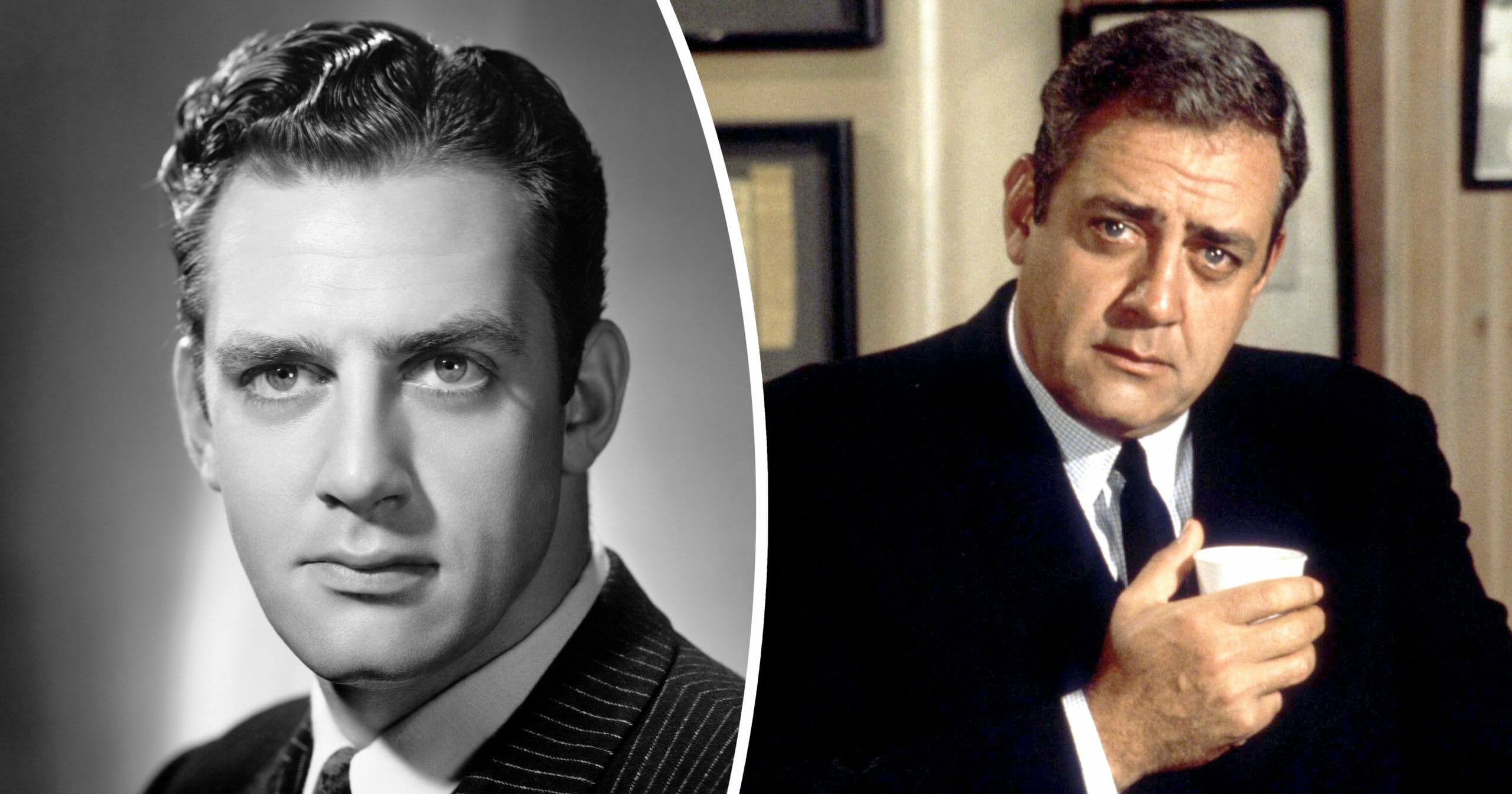
While Burr cracked perplexing cases on screen, his real life was a puzzle itself. Safeguarding his private affairs, Raymond Burr lived a life not fully known to fans: he was, in actuality, a homosexual man. The unfortunate reality of the era meant that coming out could have disastrously impacted his career.
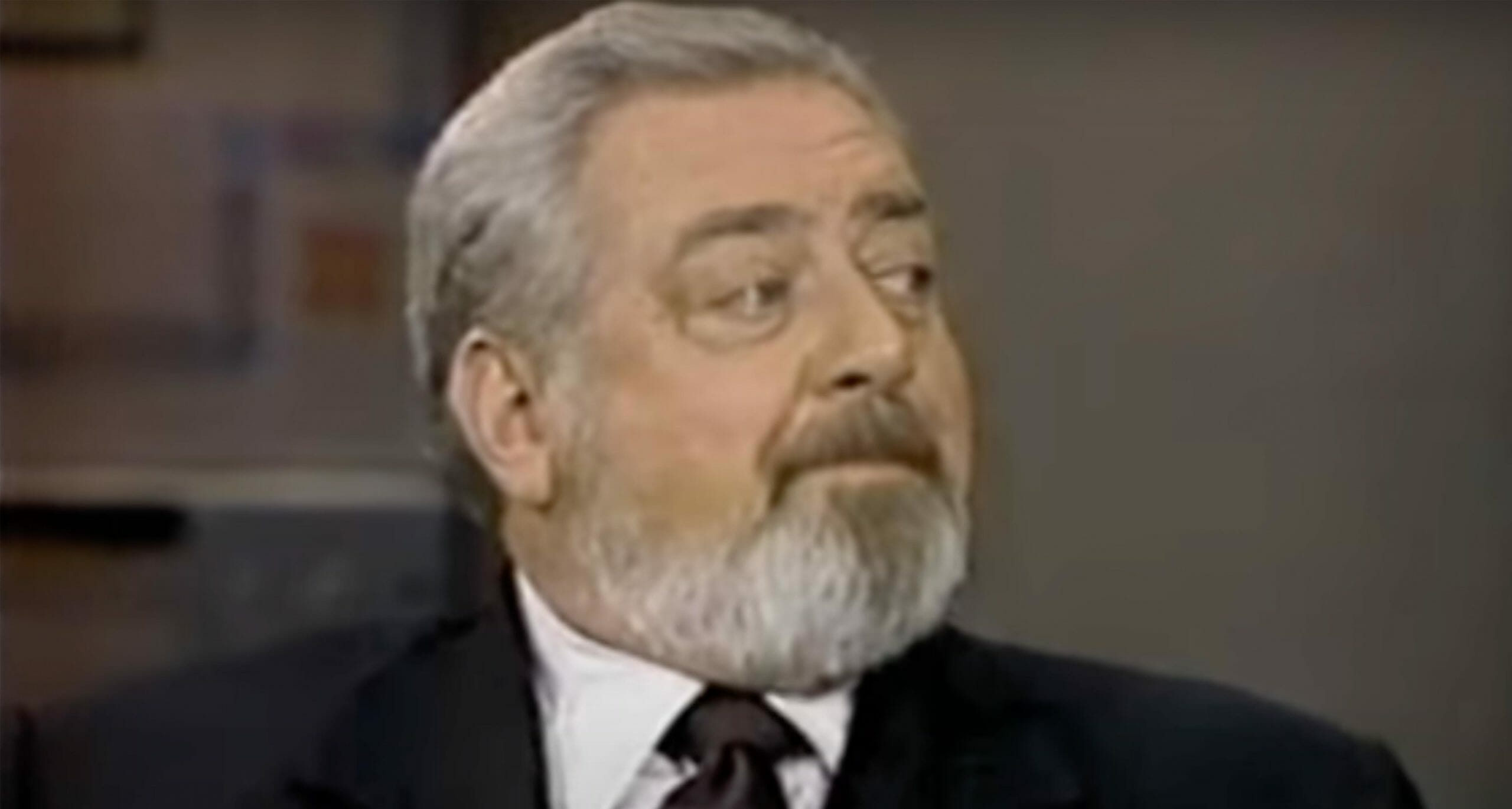
Living freely as one chooses should be a right afforded to all, irrespective of their background or beliefs. Unfortunately, history hasn’t always been so accommodating.
Raymond Burr’s Journey
Everyone should have the freedom to live without judgments. Burr faced challenges because of societal attitudes toward his sexuality, a situation that deeply affected him throughout his illustrious career in Hollywood.
Fearing the loss of his livelihood, Burr kept his true self hidden. He chose to present a facade to the world, telling tales that painted a picture disconnected from who he genuinely was. What remains important is his deep care and affection for those around him, ensuring he shared his kindness with many.
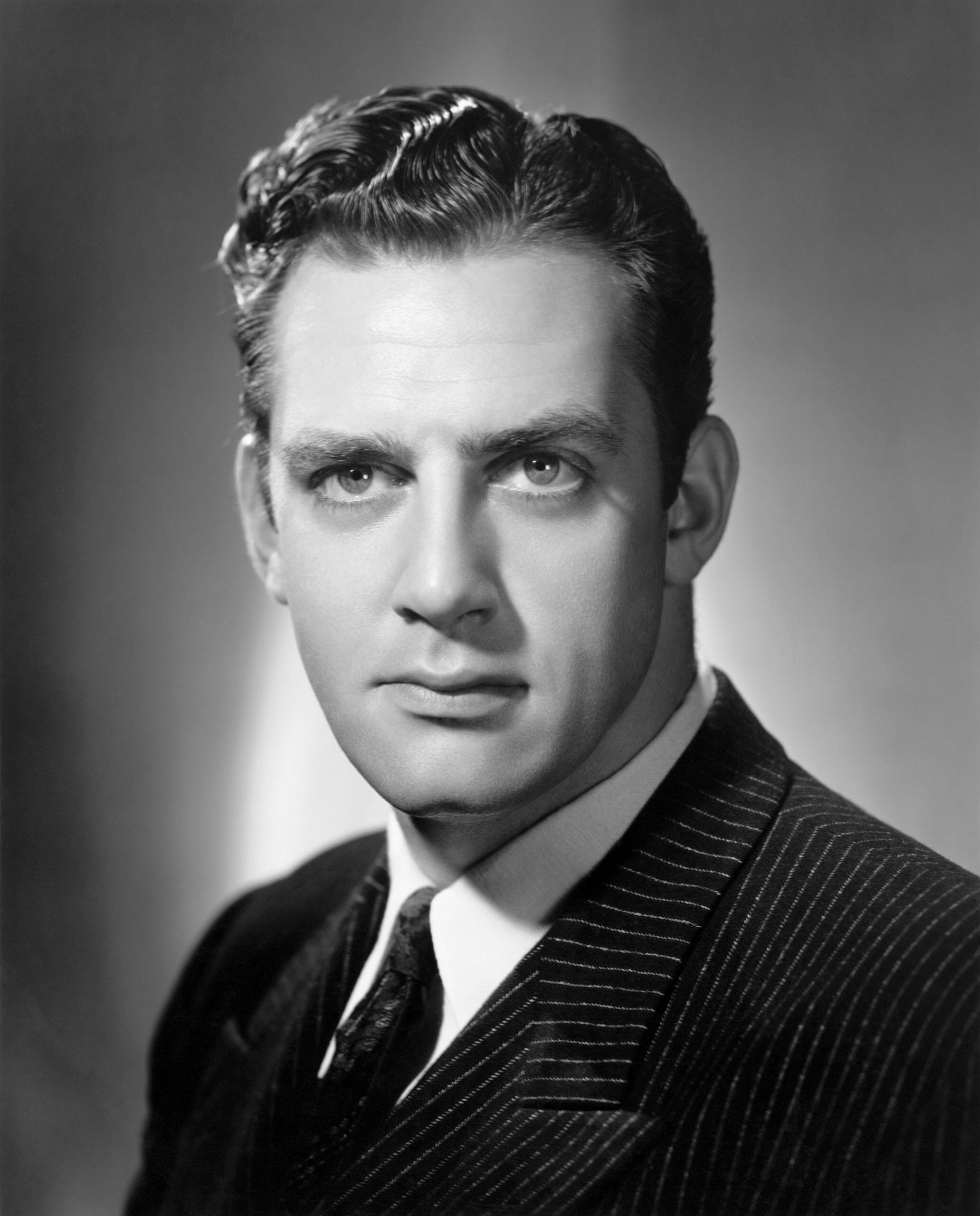
Born on May 21, 1917, in New Westminster, British Columbia, Raymond Burr’s early life was marked by significant change. His family moved to China during his early years, only for his parents to divorce when he was just six. Burr and his mother relocated to California, where, amidst the Great Depression, he took on numerous jobs to help support his family.
Early Life and Acting Aspirations
Burr’s passion for drama ignited during his junior high school years in Berkeley. By twelve, he was already acting in radio dramas. His natural talent was apparent, and at sixteen, he began formal acting training at the Pasadena Playhouse.
Despite facing various personal and financial hurdles, Burr’s determination never wavered. He explored acting opportunities in both Canada and England, developing his craft further. Eventually, he shifted to New York City, joining Columbia University as a drama teacher and appearing on Broadway.
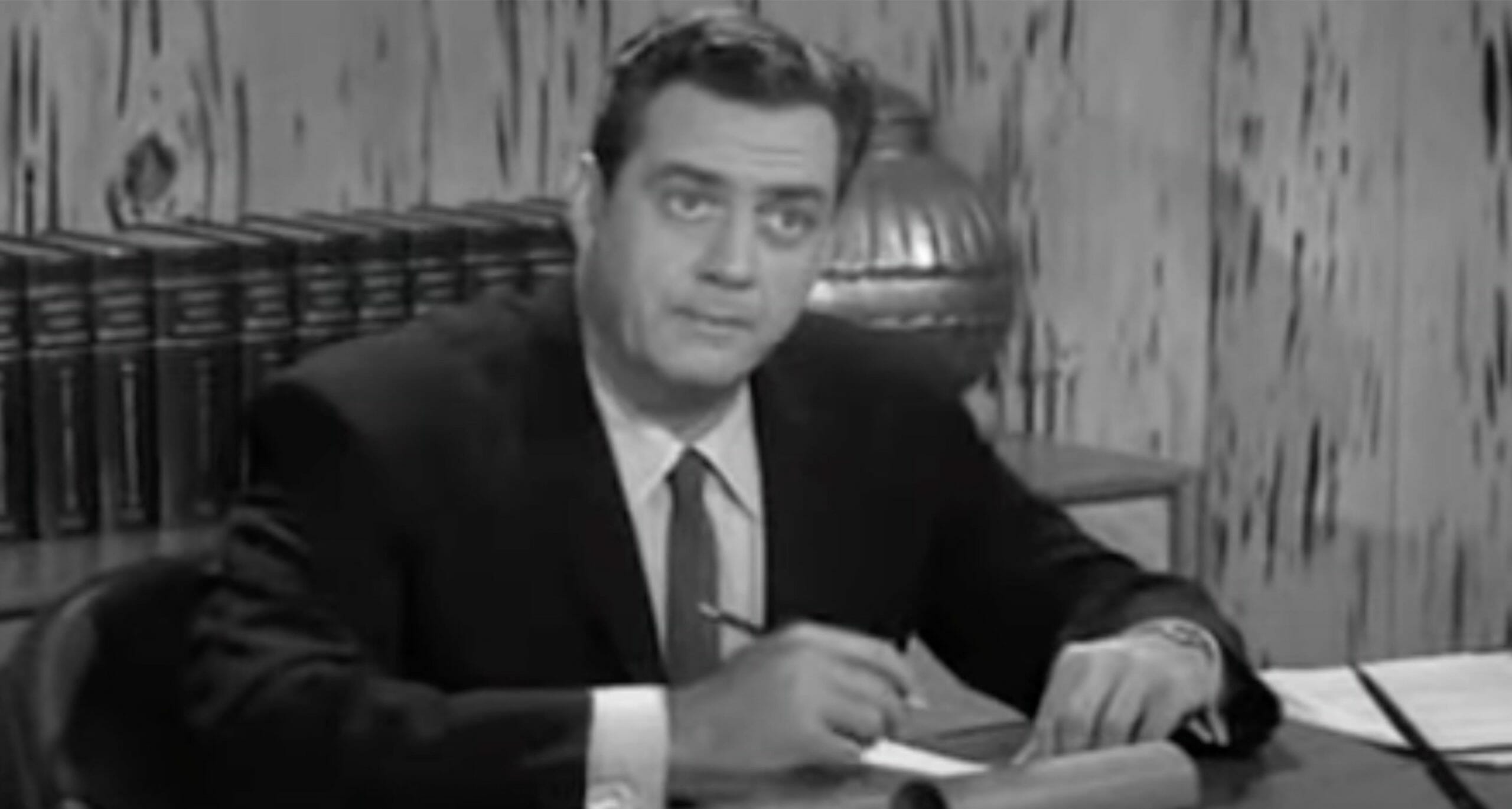
Raymond Burr took up studies at Stanford University and Pasadena before making his film debut in 1946 post World War II service. Initially playing villainous roles, he shared the screen with legends like Frank Sinatra and Natalie Wood, ultimately segueing to television with the role of Perry Mason.
Television Success and New Ventures
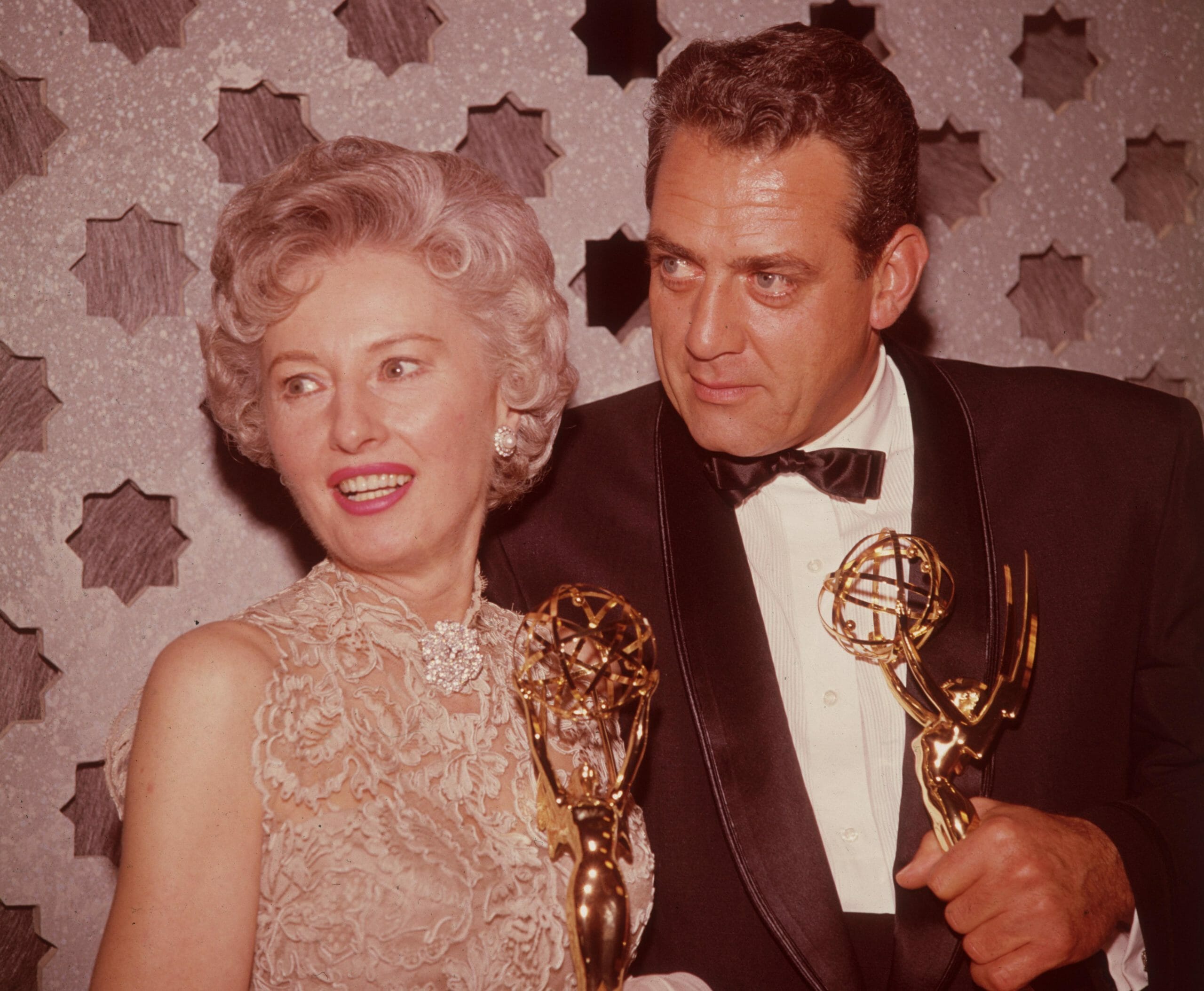
The legal dramas and mysteries of Perry Mason, inspired by Erle Stanley Gardner’s novels, captivated audiences for over 270 episodes. Burr won critical acclaim, earning two Emmy awards in the process.
Burr’s television career flourished with Ironside, where his portrayal of a detective in a wheelchair broke new ground, cementing Burr’s legacy as a television icon.
Despite his public successes, Burr lamented the constraints fame placed on his personal life. He recounted disappointment from the demanding commitment, as it impeded normal life experiences and relationships.
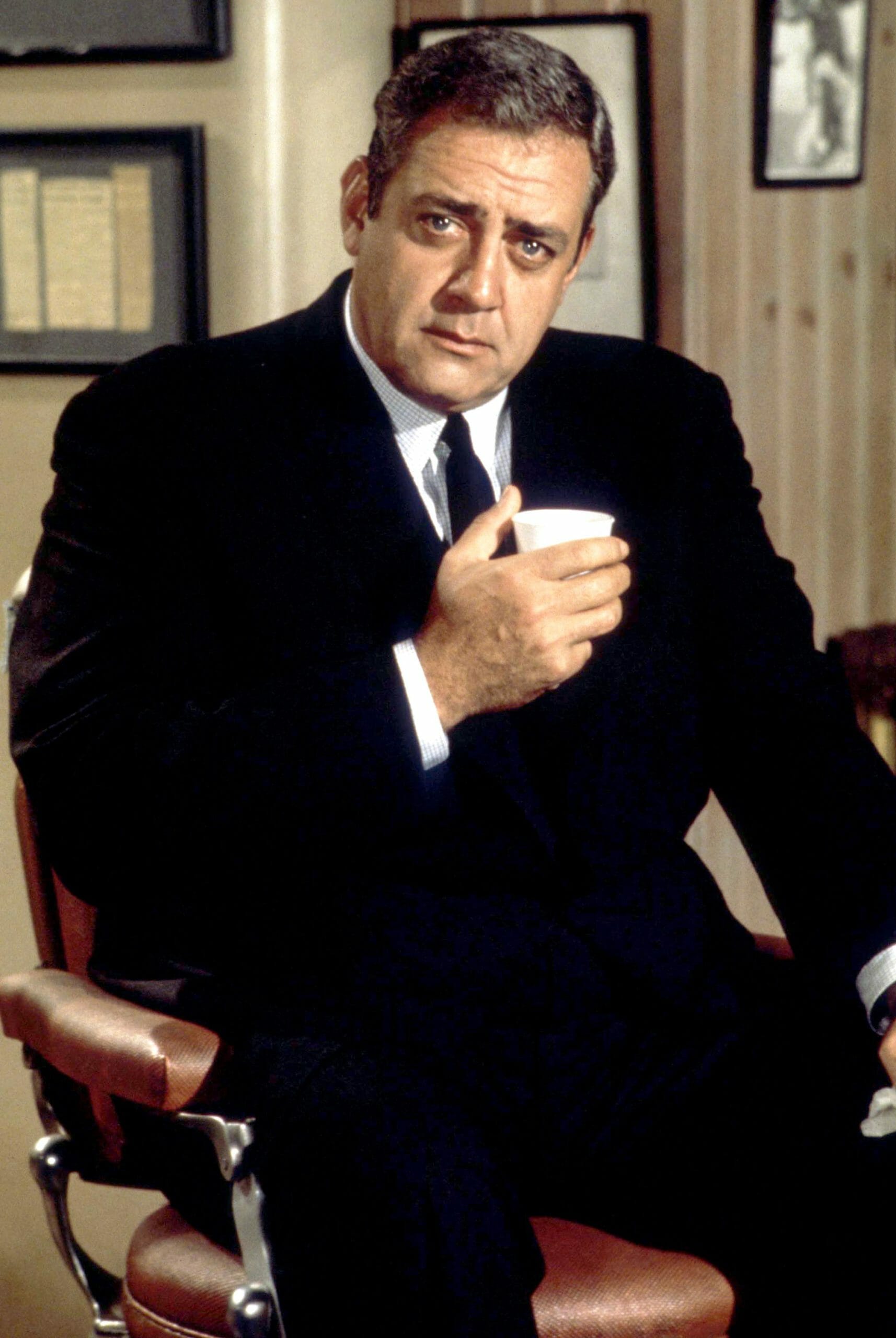
Personal Life and Hidden Truths
Throughout his lifetime, Burr eluded much about his personal affairs. However, after his passing in 1993, revelations about his true life emerged, including details in Michael Starr’s biography, Hiding in Plain Sight: The Secret Life of Raymond Burr, about his concealed sexuality.
Fictitious stories about tragic romances and familial hardships surrounded Burr’s narrative, though these tales were largely unsubstantiated by those close to him.
Perhaps surprisingly, the tale of a long-time partner was true. Burr maintained a loving partnership with Robert Benevides, who remained by his side for 33 years.
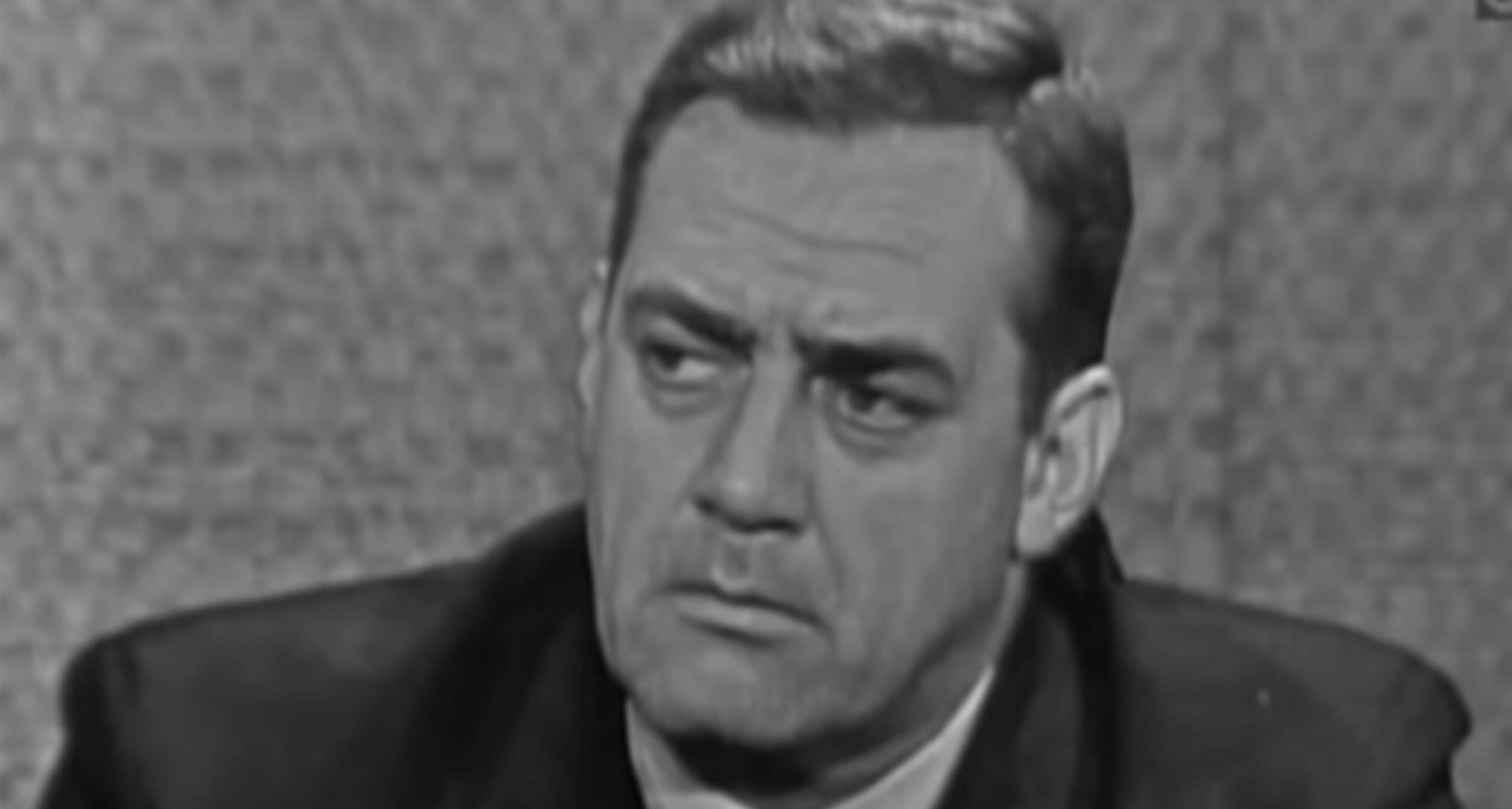
Despite the potential personal toll masking his truth entailed, Burr found other avenues to share his life’s compassion.
A Unique Legacy
Outside of acting, Burr created a nurturing support network. He offered aid through sponsorship and adoption of numerous children worldwide, ensuring their well-being.
His graciousness extended globally, as Burr provided essential support like education and healthcare, even connecting in personal ways.
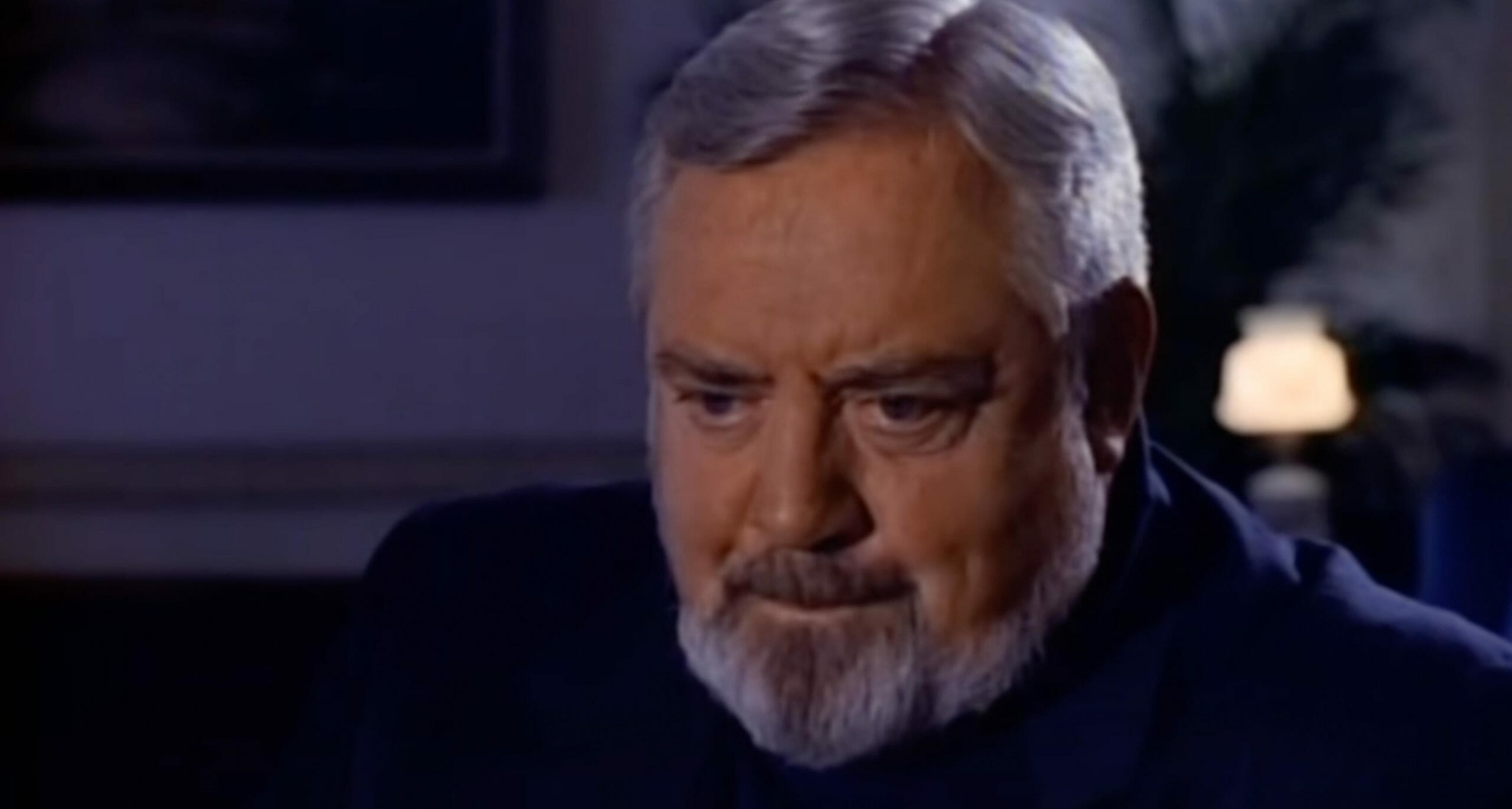
Why did Burr fabricate aspects of his life? Among other reasons, it served as a shield to preserve his career amidst uncertainties of societal perceptions.
Raymond Burr’s openness lies alongside an enduring affection for many he met, and his commitment to helping others in meaningful ways. Let us celebrate his contributions and the love he shared.
Share Raymond Burr’s story with those who remember his wonderful legacy!