In Memory of Jim Colbert, A True Original in Golf
The game of golf said goodbye to one of its most recognizable and respected figures as Jim Colbert passed away at the age of 85. For decades, Colbert was a fixture on the fairways, known not only for his eight PGA Tour victories and twenty wins on the senior circuit, but for the kind of grit, grace, and good humor that made people proud to cheer him on. He was living proof that success in sports is not only measured by trophies, but by character and perseverance.
News of his passing has stirred warm memories among fans, fellow players, and those who simply appreciated a competitor who did things the right way. While the cause of death was not made public, the reflections coming in from across the golfing world have a common thread. Jim Colbert stood for authenticity, hard work, and a steady presence—a throwback to an era when your word mattered and you let your play do the talking.
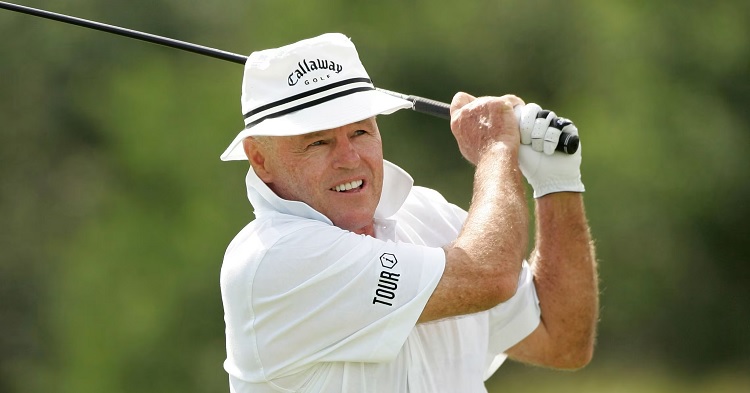
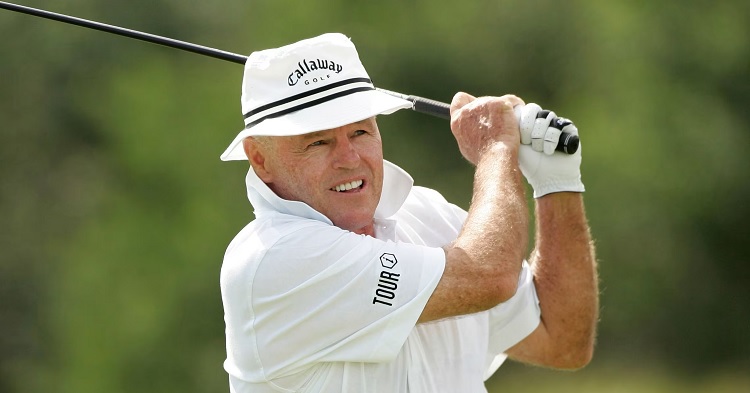
Colbert’s image on the course was unforgettable, and not because he chased trends or spotlight. He became instantly recognizable thanks to his trusty bucket hat and the unflappable calm beneath it. The look was simple, practical, and distinctive, and over the years it turned into a personal emblem for a player who never tried to be anyone but himself.
The Bucket Hat With a Purpose
To many fans, the bucket hat seemed like a style choice. In truth, it grew out of a hard lesson learned under a hot Kansas sun. As a teenager playing in a summer tournament, Colbert experienced a serious bout of sunstroke after collapsing during a round in oppressive heat. Doctors told him to take sun protection seriously, and he listened. From that day forward, the hat wasn’t an accessory—it was part of his health routine.
What began as a practical safeguard turned into one of the most recognizable looks in professional golf. That brim did more than keep the sun off his face. It came to represent a caring, down-to-earth man who valued smart preparation and common sense. For many, seeing Colbert stride down the fairway in that hat felt like catching up with an old friend. It was familiar, honest, and unmistakably him.
A Detour From Football to the Fairways
Colbert’s journey to golf stardom was hardly a straight line. Born in New Jersey, he left home for Kansas State University on a football scholarship, chasing the kind of dreams so many young athletes share. Fate had other ideas. A serious injury cut short his hopes on the gridiron and forced a reckoning that could have ended his athletic life entirely. Instead, it opened a new door.
Rather than walking away, Colbert redirected his competitive spirit to golf. He embraced the grind of a sport that rewards patience, discipline, and self-belief. In short order, he rose to become one of Kansas State’s best players. His runner-up finish in the 1964 NCAA Championship signaled that something special was building. He didn’t plan to be a professional golfer when he first stepped on campus, but by the time he left, the path ahead looked promising.
Making His Mark on the PGA Tour
Colbert joined the PGA Tour in 1966, and like many pros, he weathered a learning curve. The breakthrough arrived in 1969 at the Monsanto Invitational Open, the first of his eight PGA Tour victories. That win was more than a trophy; it was a confirmation that all the hours of practice and moments of self-doubt had led somewhere meaningful. The door was open, and Colbert walked right through it.
He earned top finishes on the biggest stages in the sport, including a tie for fourth at the Masters and a tie for fifth at the U.S. Open in 1974. Those performances showed he could hold his own under the brightest lights, and they added a rich layer to a career built as much on week-to-week consistency as on headline-grabbing Sundays. In an era stacked with talent, he steadily carved out his place.
The 1983 season stood out as one of his finest. He claimed two victories and climbed to 15th on the money list, a marker of just how well he played across a full year. There was nothing flashy about his approach. He hit his shots, managed his emotions, and let the results speak for themselves. Fans who admired straightforward, hardworking pros found a favorite in Jim Colbert.
Reinventing Success After 50
Some athletes fade as the years pass. Colbert reinvented himself. When he joined the senior circuit, now known as the PGA Tour Champions, he didn’t just hang on—he thrived. He won 20 times against the best over-50 players in the world, showing that wisdom, resilience, and relentless preparation can be just as powerful as youth and raw power.
One of the most inspiring chapters of his life unfolded in the late 1990s. After undergoing prostate cancer surgery in 1996, Colbert fought his way back into competition. Many would have been content to step away or slow down. Instead, he returned to the arena and won again, proving that determination can carry you through health scares and life’s toughest moments. That comeback resonated with countless people who saw in him not just a champion golfer, but a champion of resilience.
More Than a Player: A Savvy Builder Off the Course
Colbert treated golf as both a passion and a profession. Beginning in 1980, he stepped into the business side of the game, purchasing courses in Las Vegas and eventually expanding into an enterprise that grew to more than 20 properties. Those facilities generated jobs, attracted new players, and anchored local communities. He understood that healthy golf courses can be places where families gather, friendships form, and local economies benefit.
There was a practical competence to his off-course life that mirrored the steadiness he showed inside the ropes. He knew how to build teams, treat people fairly, and create value over time. In a sport that often celebrates the individual, Colbert showed how a single person can positively influence an entire ecosystem, from superintendents and teaching pros to the retirees who play nine holes every Tuesday morning.
What Set Him Apart
In a time when polished images and corporate branding can overshadow substance, Jim Colbert stood out for his authenticity. He looked you in the eye, played hard, and carried himself with the quiet confidence of a man who knew exactly who he was. The stories people tell about him are not about showy triumphs or choreographed moments. They are about a steady presence, a friendly word, and a player who made the game feel welcoming.
Fans often sensed an old-school spirit in Colbert. He respected the traditions of golf without being stuck in the past. He signed autographs, chatted with volunteers, and treated people like neighbors. You did not need to be a scratch golfer to appreciate Jim Colbert; you only needed to value decency, effort, and the satisfaction of doing a job well.
Lessons From a Life Well Played
Colbert’s life offers a handful of lessons that resonate beyond the ropes. The first is about health. He took sun protection seriously after his early scare with sunstroke, and his later battle with prostate cancer reminded many of the importance of regular checkups and listening to your body. In a sport that often unfolds under a bright sky, his example encouraged others to take simple, sensible steps to protect themselves.
The second is about resilience. From a football injury that shut one door to a golfing career that opened another, Colbert showed how setbacks can become turning points. He did not pretend the hard times weren’t hard. He simply kept going, with a practical optimism that carried him through.
The third is about identity. The bucket hat, the unpretentious demeanor, the reliable presence round after round—these were not acts. They were the expression of a person comfortable in his own skin. In a world that often rewards noise, Jim Colbert proved that quiet strength endures.
Remembering the Competitor
When golfers of a certain age think of Colbert in contention, they recall a player who managed his game beautifully. He understood when to be bold and when to be conservative. He played away from trouble when necessary, accepted his pars, and pounced when the course offered a chance. That strategic patience served him well from his early years through his most competitive seasons in the 1970s and 1980s and then again in his prolific run after 50.
Those top-five finishes at the Masters and the U.S. Open in 1974 stand as testaments to his poise under pressure. Major championship setups are rarely forgiving, yet Colbert’s game and temperament held steady. He may not have been the headline name every week, but he was always one to watch—especially if the conditions got tough and the moment called for a level head.
A Gentle Presence With a Lasting Impact
Beyond numbers, Colbert’s influence is felt in smaller moments. He was the kind of pro who made playing partners comfortable and gave younger players someone to emulate. He carried himself as if every round mattered, because to him, it did. The people who worked tournaments—the marshals, scorers, and volunteers—remember him fondly because he treated them with respect. The fans remember him because he felt familiar and steady, like a favorite neighbor who always had time for a friendly chat.
As tributes arrive from across the golfing community, they speak to a career that crossed generations. Those who followed him as a young man admired the tenacity that propelled him into the upper ranks. Those who found him on the senior tour discovered a craftsman who celebrated the joy of competing well into life’s later chapters. In each era, he gave people a reason to tune in and smile.
A Legacy That Endures
It is tempting to measure a life in statistics. Colbert’s totals are impressive by any standard, but they only scratch the surface. His enduring gift to the sport is the example he set for how to compete, how to adapt, and how to remain grounded while success finds you. He showed that a sporting life can be both ambitious and humane, both driven and kind.
For many, the image that will remain is simple. A sunlit fairway. A steady stride. A bucket hat shading eyes that had seen a great deal, and a slight smile that suggested gratitude for another chance to play the game he loved. That picture captures the essence of Jim Colbert as well as any highlight reel ever could.
Honoring His Memory
There are many gentle ways to honor what Jim Colbert stood for. Spending a few extra minutes on the practice green. Calling a friend for nine holes and good conversation. Wearing a sensible hat on a hot day. Scheduling a health check you have been postponing. Treating people kindly at the course, from the starter to the last group coming in at dusk. These are small gestures, but they reflect the values that defined his long and admirable journey.
Golf often mirrors life, with stretches of calm, patches of trouble, and the need to keep moving forward. Colbert embraced that rhythm and made the most of it. Whether he was battling for position on a Sunday afternoon or charting a business decision that would support jobs and communities, he approached the task in front of him with purpose.
Farewell to a True Original
Jim Colbert’s story reminds us that greatness takes many forms. Sometimes it arrives with thunder and bright lights; other times it walks quietly, tips its hat, and outlasts the noise. He was a fierce competitor, a thoughtful professional, and a kind presence. He wore his bucket hat for sound reasons and, in doing so, created a symbol fans will cherish for years to come.
As the golfing world reflects on his life, gratitude seems the natural response. Gratitude for the example he set, the moments of excellence he delivered, and the steady voice he brought to a game that values patience and tradition. He may not have planned a life in golf when he first left home, but he turned it into a mission—one that inspired countless people along the way.
Goodbye, Jim Colbert. Thank you for the lessons, the memories, and the reminder that being genuine is its own kind of greatness. The fairways are a little quieter today, but the legacy you leave behind will echo for a long time to come.