Chuck Negron, a founding member and iconic voice of the rock band Three Dog Night, has died at the age of 83.
The singer passed away Monday at his home in Studio City, California, with his family by his side, his representative confirmed to Variety. Negron had been struggling with heart failure in recent months and had lived with chronic obstructive pulmonary disease (COPD) for nearly 30 years.

Negron rose to fame as one of the unmistakable voices behind Three Dog Night’s string of hits in the late 1960s and 1970s, helping define the band’s signature sound and enduring legacy in rock music.
Chuck Negron was an American singer best known as one of the founding members and lead vocalists of Three Dog Night, one of the most successful rock bands of the late 1960s and 1970s. Born Charles Negron on June 8, 1942, in New York City, he was raised in the Bronx. He spent his early years playing basketball and singing in doo-wop groups. His talent on the court earned him recruitment to Allan Hancock College and later California State University, which brought him to Los Angeles—where he continued pursuing his growing passion for music alongside his athletic career per Deadline.
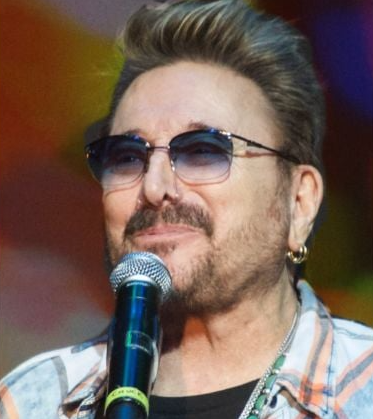
Negron rose to fame as one of Three Dog Night’s three lead singers, a unique setup that helped define the band’s sound. His soaring vocals were featured on some of the group’s biggest hits, including “Joy to the World,” “One,” “Easy to Be Hard,” and “The Show Must Go On.” The band became known for turning songs by outside songwriters into chart-topping hits, earning multiple gold and platinum records and placing more songs on the Billboard Hot 100 than almost any other act of their era.
Despite massive success, Negron struggled personally during the height of his fame, battling heroin addiction throughout much of the 1970s. His substance abuse ultimately led to his departure from Three Dog Night in 1973. After years of difficulty, Negron achieved sobriety in the mid-1980s, a turning point that reshaped both his personal life and career.
In later years, Negron rebuilt his life and returned to music, performing as a solo artist and touring under his own name. He also became an outspoken advocate for addiction recovery, sharing his story in his 1991 memoir Three Dog Nightmare, which detailed both the highs of superstardom and the devastation of addiction.