What we know right now
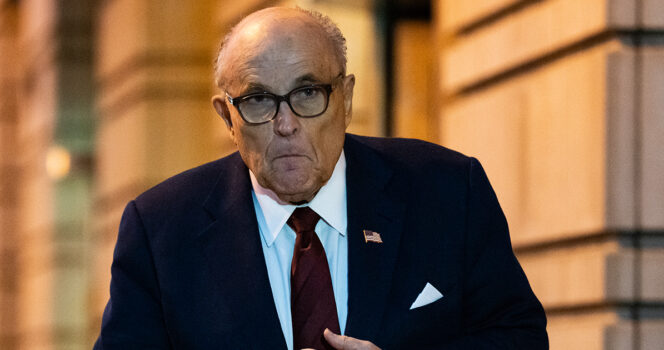
Former New York City Mayor Rudy Giuliani has been hospitalized and is reported to be in stable but critical condition. The news has drawn widespread attention and concern, not only because of his long career in public life, but also because of his age and recent years in the national spotlight. For many people who followed his time as mayor and later as a prominent figure in national politics, the update is both worrying and deeply personal.
According to a social media post shared by his spokesperson, Ted Goodman, the 81-year-old is being closely monitored by medical professionals. The phrase stable but critical can sound confusing. In medical settings, it generally means a person’s vital signs are currently being maintained by doctors, but their overall condition is serious and requires careful, ongoing care. In other words, he is not out of danger, but his situation is not rapidly worsening at this time.
Goodman did not release further information about what led to Giuliani’s hospitalization. As of now, there has been no official word on the specific cause. In situations like this, families often prefer privacy while doctors do their evaluations, and it can take time before the public receives a fuller picture. It is also worth noting that while Giuliani was involved in a car accident late last year, early indications suggest this hospitalization is not connected to that incident.
Because Giuliani has remained a well-known public figure long after leaving City Hall, any sudden change in his health naturally raises questions. For now, the most reliable information remains the official statement that he is in stable but critical condition, and that more details may follow as his care team deems appropriate. Until then, it is sensible to be patient and rely on confirmed updates rather than speculation.
Messages and reactions
Among the first high-profile reactions was a message from former President Donald Trump, who has long praised Giuliani as a loyal supporter and a central figure in his political orbit. Trump, reflecting on Giuliani’s public service and their friendship, reiterated his belief that Giuliani’s tenure as mayor left a lasting imprint on New York City. In his post, Trump described Giuliani in glowing terms and emphasized how highly he regarded his leadership during their years of collaboration.
“Our fabulous Rudy Giuliani, a True Warrior, and the Best Mayor in the History of New York City, BY FAR, has been hospitalized, and is in critical condition,” Trump wrote.
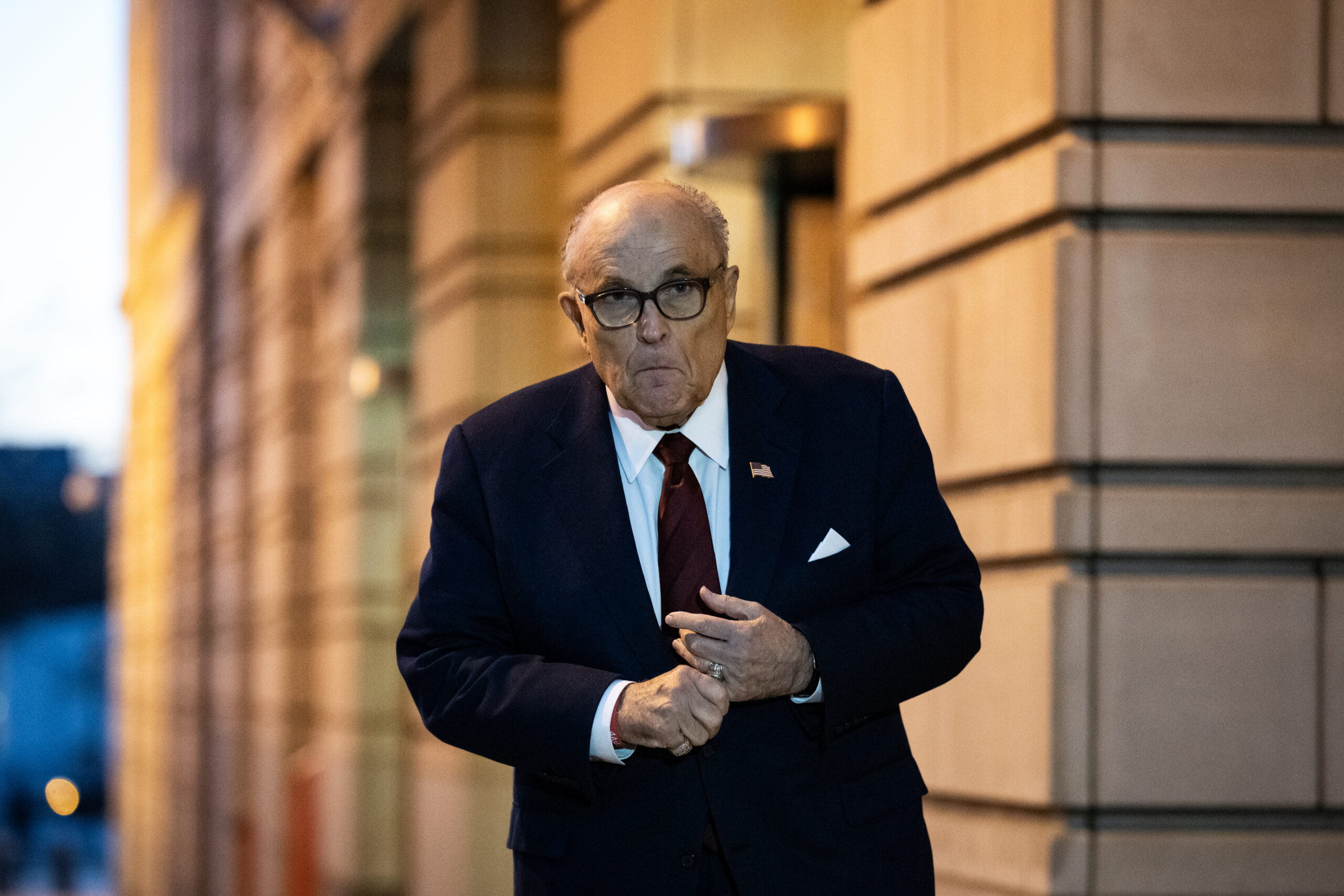
“What a tragedy that he was treated so badly by the Radical Left Lunatics, Democrats ALL — AND HE WAS RIGHT ABOUT EVERYTHING! They cheated on the Elections, fabricated hundreds of stories, did anything possible to destroy our Nation, and now, look at Rudy. So sad!”
Reactions like this tend to reflect the deep political divisions of our time, especially when a public figure is involved. However, moments of serious illness are also times when many people set politics aside, at least briefly, to wish for recovery and comfort for the person and their family. Supporters and critics alike understand that health challenges are human experiences that call for care, compassion, and patience.
A look back at Giuliani’s public life
For those who remember the 1990s and early 2000s, Rudy Giuliani’s name became synonymous with New York City’s transformation. He first gained national attention in the 1980s as the U.S. Attorney for the Southern District of New York, where he led high-profile cases that drew headlines across the country. In 1994, he became mayor of New York City and served two terms, overseeing a period of declining crime rates and significant civic changes that his supporters often credit to his policies and leadership style.
His national profile rose further in the aftermath of the September 11, 2001 terrorist attacks. Giuliani’s steady presence in those days became a touchstone for many Americans who were looking for reassurance. In the months that followed, he was widely visible and vocal, meeting with families, working with first responders, and speaking to the nation. That leadership during an exceptionally painful time is a key part of why so many people still associate him with resilience and public service.
After leaving office in 2001, Giuliani moved between private-sector work and politics. He made a run for the Republican presidential nomination in 2008 and continued to appear regularly in media and political discussions. In more recent years, he became closely identified with Donald Trump’s political movement, serving as a personal attorney and frequent surrogate in television interviews and public events.
Legal challenges and public controversy
As Giuliani’s national prominence continued, so did controversy. Following the 2020 presidential election, he was one of the most visible voices claiming that widespread fraud had affected the outcome. He appeared at press conferences, filed legal challenges, and spoke at the “Stop the Steal” rally in Washington, D.C., on January 6, 2021, prior to the events that unfolded at the U.S. Capitol later that day. His statements and actions during that period led to professional and legal consequences that remained in the news for years afterward.
Courts and professional bodies in both New York and Washington, D.C., took action against Giuliani’s law licenses, citing the nature of his claims and conduct in the wake of the 2020 election. He was ultimately disbarred in those jurisdictions. In addition, he was sued for defamation by two Georgia election workers who stated that his false assertions had caused them harm. Reports indicated that he reached a settlement with them last year, a reminder of how long legal disputes can last once they enter the courts and the public arena.
Whether one agreed with Giuliani’s positions or not, these developments show the intense scrutiny that follows public figures, particularly when their words shape opinion during sensitive national moments. The legal system moves at its own pace, and even when decisions are ultimately rendered, they can leave lasting marks on a person’s reputation and livelihood. Giuliani’s experience is a case study in how public advocacy, the courtroom, and the court of public opinion can collide.
Understanding the phrase “stable but critical”
For anyone who has had a loved one in the hospital, the language used in medical updates can feel both precise and vague at the same time. The term stable but critical does not mean a person is improving, nor does it mean they are in immediate decline. It typically indicates that doctors have the situation under control moment by moment, and that the patient requires constant observation, careful treatment, and often specialized care. Changes can happen quickly, which is why teams monitor patients so closely in these circumstances.
At 81 years old, Giuliani is in an age group where medical teams are especially cautious and thorough. Even relatively routine health issues may become more complicated for older adults, and recovery often takes longer. That is one reason families and spokespeople may choose to share limited information at first. They want to avoid raising hopes or fears before doctors have had the chance to finish tests, observe trends, and identify a clear course of action. It is a difficult period, but steady, thoughtful care can make a meaningful difference.
In the coming days, more news may emerge about his condition. It is common for hospitals to release updates once physicians and families agree on what can be shared. Until then, the most helpful approach for those following the story is to watch for official statements. Reliable information tends to come from a spokesperson, a family member, or a medical team speaking with permission. Unverified rumors, even when they sound convincing, can create confusion and anxiety without adding clarity.
Public concern and private moments
Giuliani’s situation highlights a familiar tension in modern life. On one hand, he is a public figure whose actions and words have influenced national conversations for decades. On the other hand, serious illness is an intensely private matter, and families often need time and space to make decisions. The public’s interest is understandable, especially for those who admired his leadership or who have strong opinions about his more recent chapters, but compassion suggests giving loved ones the privacy to focus on care, comfort, and hope.
In the hours and days after an announcement like this, it is typical to see a mixture of reactions. Some people will share prayers and well-wishes. Others will revisit chapters of his public life, recalling moments of pride or disagreement. Both responses are part of how communities process news about someone who has been in the national eye for so long. Whatever one’s viewpoint, most can agree that health concerns deserve a certain gentleness in tone and a respect for facts.
Reflections on a long career
Many who lived in or near New York City during Giuliani’s mayoral years remember a time of rapid change. Supporters credit him with policies that they believe helped reduce crime and revitalized neighborhoods. Critics point to areas where they felt his approach was too tough or left some communities behind. History will continue to debate those topics. But for a great many people, the memory that rises first is his calm, visible leadership during the days after September 11. That period remains one of the most defining parts of his legacy, and it is often recalled with gratitude by those who lived through it.
In the years since, Giuliani’s path took many turns. He pursued national office, took on high-profile legal and media roles, and became a fierce partisan defender of causes he believed in. The last several years, filled with legal disputes and professional setbacks, have been especially challenging and polarizing. Regardless of where one stands, there is no denying that his name has remained part of America’s ongoing conversation about leadership, law, and politics.
What to watch for next
In situations like this, future updates typically come in one of a few ways. A spokesperson might release a short statement if there is a change in condition. Family members sometimes share a more personal message of thanks to the public and medical team. Less commonly, a physician may provide a brief description of treatment plans or a prognosis, but only with the family’s consent. Until any of that happens, the most respectful course is to give doctors and loved ones the time they need to focus on care.
It is also essential to remember that early reports can shift. A condition described one way today may be described differently tomorrow, not because anyone is changing the story, but because the patient’s health is evolving. Stability can improve. Complications can arise. Medical teams respond in real time, and the language used in public updates will reflect those changes. Patience is more than a virtue in these moments; it is a practical way to protect against misunderstanding.
Setting politics aside, hoping for recovery
Rudy Giuliani has been a figure of strong opinions for decades, and it is unlikely that will change. Yet even with disagreements, illness has a way of reminding us of our shared humanity. Many people, regardless of party or perspective, are likely to pause and wish him strength, comfort, and good care. They may also think of his family, friends, and colleagues who are walking through a stressful and uncertain time. Kindness and measured words make a difference, especially in the crucible of public attention.
For those who knew him primarily as New York City’s mayor, memories may go back to community events, holiday ceremonies, or everyday briefings that helped the city feel more connected. For those who followed him more closely in recent years, the story is more complicated, layered with court rulings, high-stakes rhetoric, and continued media attention. Both views are part of the same person’s life, and both can coexist when wishing for someone’s health and well-being.
A final word for now
As of this moment, the confirmed information is straightforward. Rudy Giuliani is in the hospital. He is stable but critical. More details have not been made public, and there is no confirmed cause shared by his team. His spokesperson has asked for understanding, and prominent figures, including Donald Trump, have commented on his condition, with Trump praising Giuliani’s past leadership and voicing strong opinions about the political environment around him.
News like this tends to unfold in careful steps. When the next step comes, it will likely arrive through an official channel, and it will be worth reading closely. Until then, many will be thinking back over Giuliani’s long career, the highs and the lows, and hoping that the care he is receiving brings the best possible outcome. Whatever happens next, taking in verified updates and maintaining a spirit of consideration will help everyone navigate the days ahead with a bit more clarity and grace.