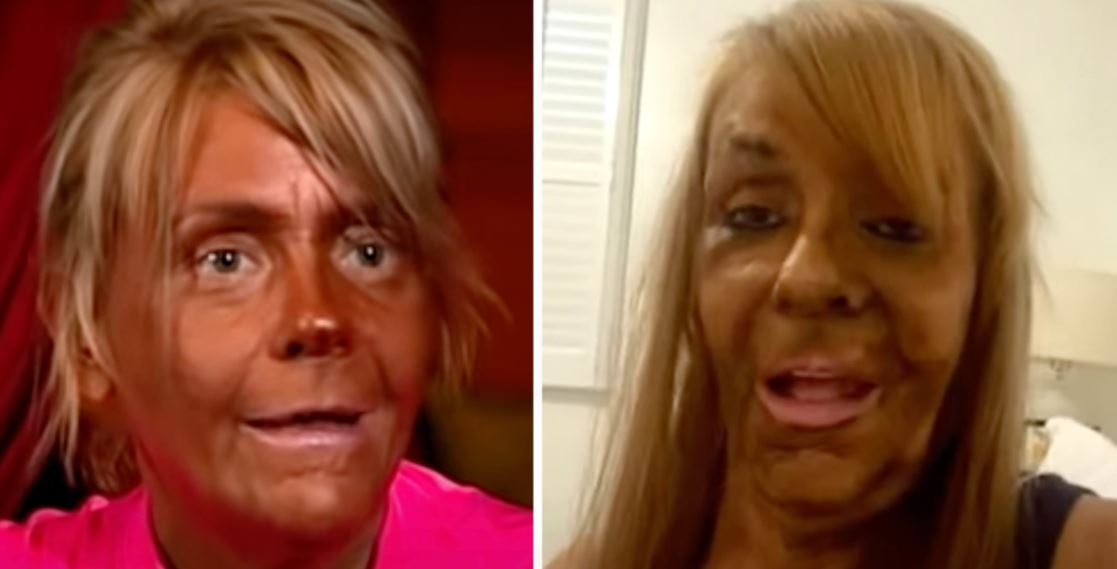
In 2012, a New Jersey mother of five named Patricia Krentcil rocketed into the spotlight after she was accused of letting her 6-year-old daughter use a tanning booth. By then, many people already recognized Patricia by a nickname the media quickly embraced, “Tan Mom,” a nod to the deep bronze color she kept year-round. The case made headlines across the country, sparked heated conversations about tanning and parenting, and followed Patricia for years.
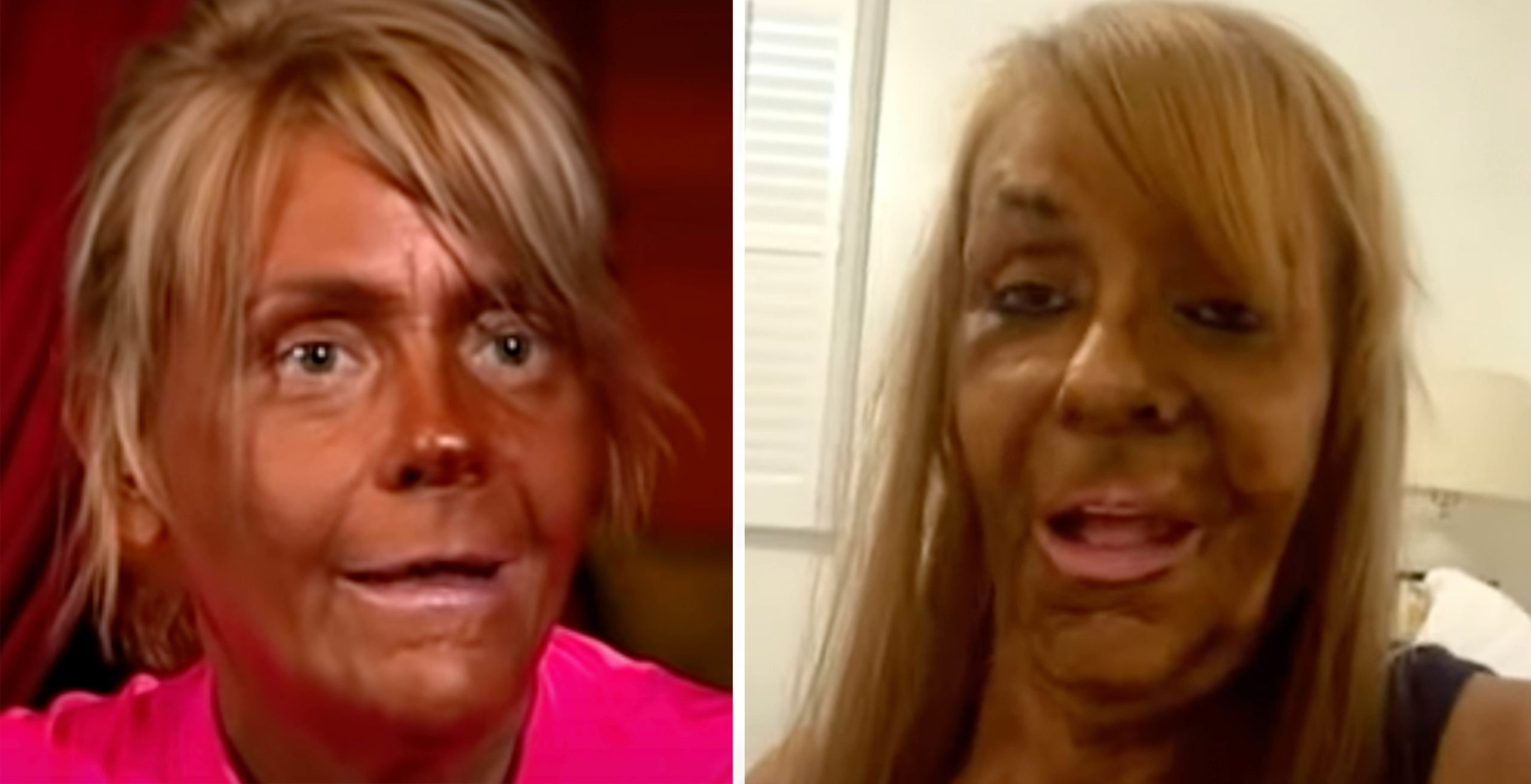
For anyone who watched the story unfold, it was hard to miss how quickly it became about more than one incident. It became a conversation about health, habits, and how an intense routine can take on a life of its own. Patricia’s tanning had started years earlier and turned into a near-daily ritual. With time and age, she came to see the broader impact it had on her appearance, her well-being, and her family. Today, she says she approaches tanning differently and tries to keep balance in mind, even as she continues to visit the salon.
Many of us have had routines that slowly grow into something more—whether it is shopping, snacking, or simply spending a bit too much time on a favorite pastime. When a habit begins to interfere with health, family, or happiness, it is worth pausing and asking for help or a listening ear. Talking with a trusted friend or a professional can make a real difference and can bring perspective during stressful times.
How “Tan Mom” became a household name
Patricia’s journey with tanning began when she was 23. Over the years, it became a dependable part of her week. According to a salon owner who knew her, she often visited a stand-up booth as many as five times a week, staying for the full session most visits. In her own words, she had long enjoyed the beach, the warmth, and the glow that tanning gave her, and it simply became part of her routine.
In early 2012, everything changed. News outlets reported that Patricia had been charged with child endangerment, with authorities alleging that she put her young daughter in a tanning booth and that the child suffered a mild burn. The accusation exploded across television, newspapers, and social media. Virtually overnight, Patricia’s face, deeply tanned and instantly recognizable, was everywhere.

Patricia strongly denied that she had ever allowed her daughter to enter a tanning bed. She said her child’s sunburn came from being outdoors at home and insisted there was no room in a stand-up booth for a child alongside an adult. New Jersey law at the time did not permit children under 14 to use tanning facilities, and teens older than 14 could only go with a parent’s permission. The allegation arose after a school nurse reportedly noticed the child’s burn and asked about it, and the child said she went tanning with her mother. Patricia maintained that “going with” did not mean the child ever got inside a booth.
The criminal case and the internet storm
As the legal process played out, the story took on a life of its own. The label “Tan Mom” stuck, and photos of Patricia became visual shorthand for a national debate about tanning and parenting. Whatever one thought of the case itself, the reaction was intense. Television comedy shows used her image, paparazzi followed her, and she suddenly found herself the subject of endless commentary from people who had never met her.
Doctors took the moment to talk publicly about tanning and a pattern some call “tanorexia,” where a person does not recognize just how dark they have become and continues to seek more color. Dermatologists warned that tanning is not simply a cosmetic choice; it has health consequences that add up over time. Some experts compared tanning bed exposure to smoking in terms of long-term harm to the skin, especially when started young.
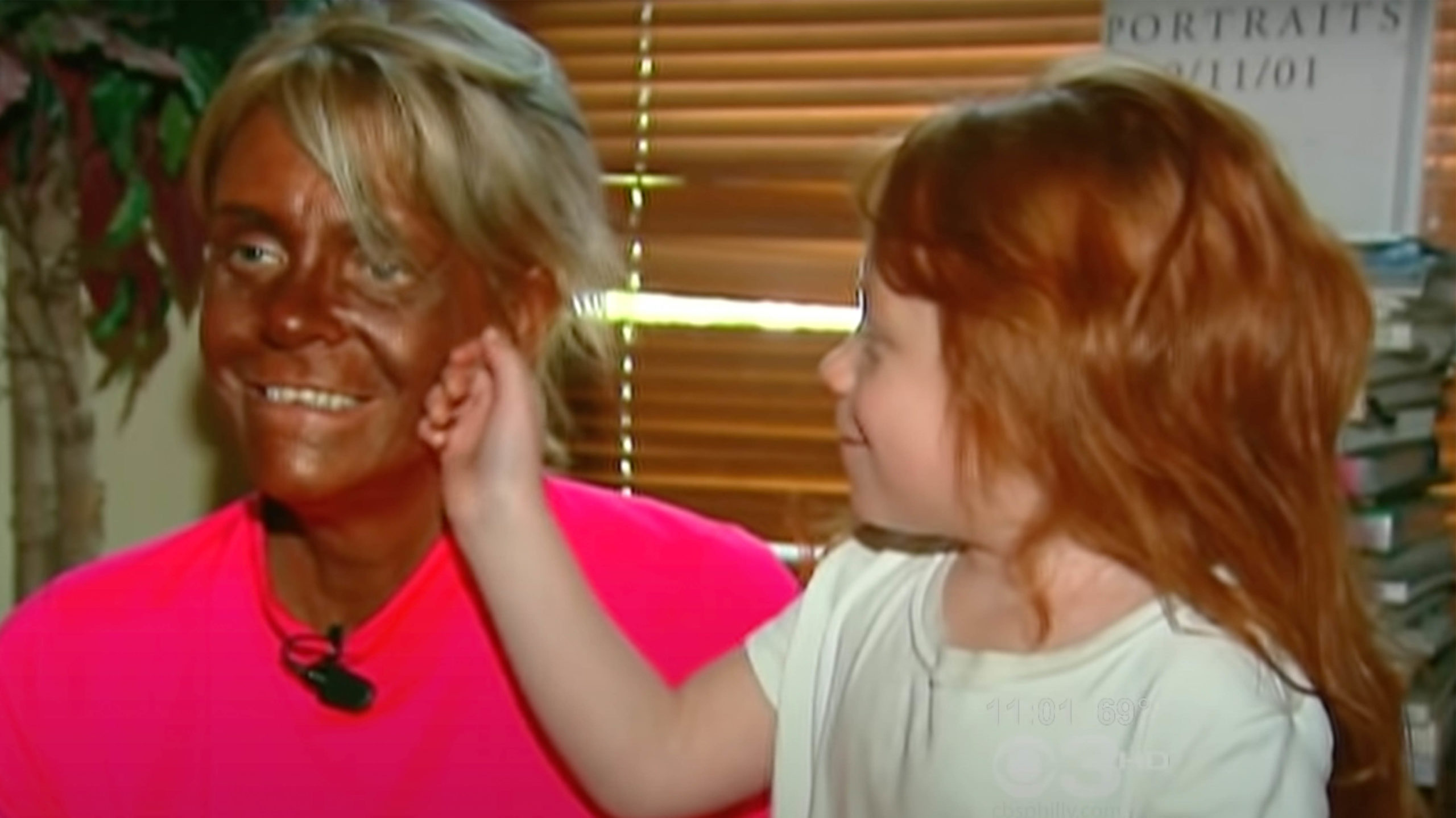
One dermatologist who spoke publicly called Patricia’s case extraordinary, citing the number of sessions she reportedly attended each month. He emphasized that beyond the cosmetic changes, frequent indoor tanning is linked to serious skin damage and a higher risk of skin cancer. Some health foundations have estimated that tanning beds can emit significantly more UV radiation than midday sun, which is why many in the medical community urge caution or avoidance altogether.
Patricia, for her part, tried to explain that tanning was her personal choice. She felt she was being singled out and argued that people are free to make other choices that are not ideal for their health too. For her, the case was built on a misunderstanding, and she believed her family was paying too high a price for it.
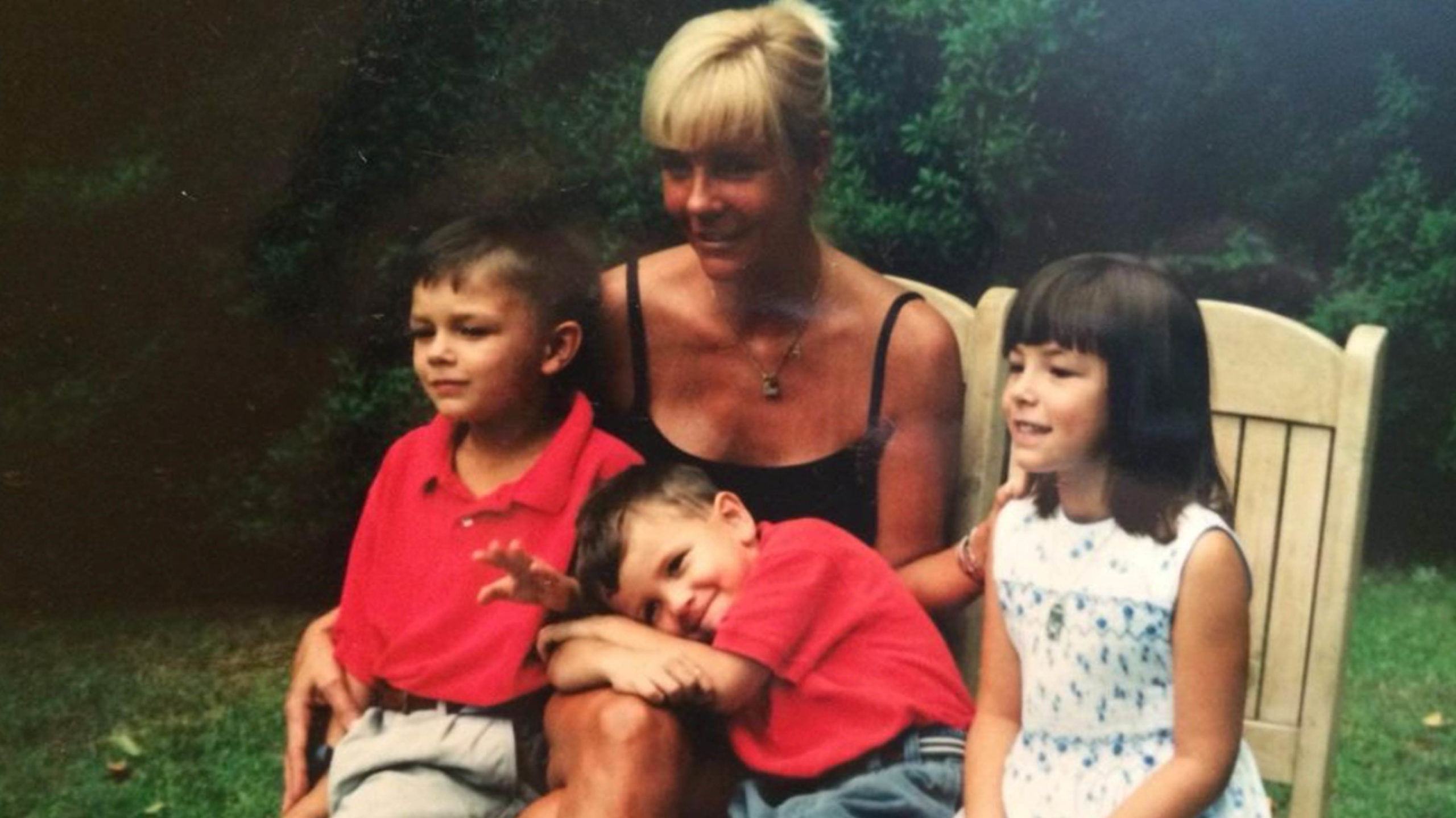
As the months passed, Patricia’s legal trouble hung over her life. She faced the possibility of a harsh sentence if convicted, even as she continued to insist that her daughter had never set foot in a tanning booth. The strain of being recognized everywhere, and often mocked, took a toll. Neighbors stared, strangers snapped photos, and her name became a punch line on national television. For a mother with a big family, that level of attention became very hard to live with.
What the experts say about tanning and health
During the public conversation that followed, doctors used the case to explain the risks of indoor tanning. Studies have found that using tanning beds increases the likelihood of melanoma, the most serious form of skin cancer. UV exposure also contributes to wrinkles, age spots, and thinning skin over time, which can be more pronounced with frequent use. Some experts described the pattern of chasing a darker and darker tan as similar to other compulsive behaviors, suggesting that support may be needed to change long-standing habits.
One physician described how people unhappy with an aspect of their appearance sometimes turn to repeated treatments or procedures in search of a quick fix, whether that is a deeper tan or something else entirely. The challenge is that quick fixes rarely satisfy for long, and over time the side effects can add up. The advice from many in the field is to aim for moderation, learn about the risks, and speak with a healthcare professional if appearance-related worries start to feel overwhelming.
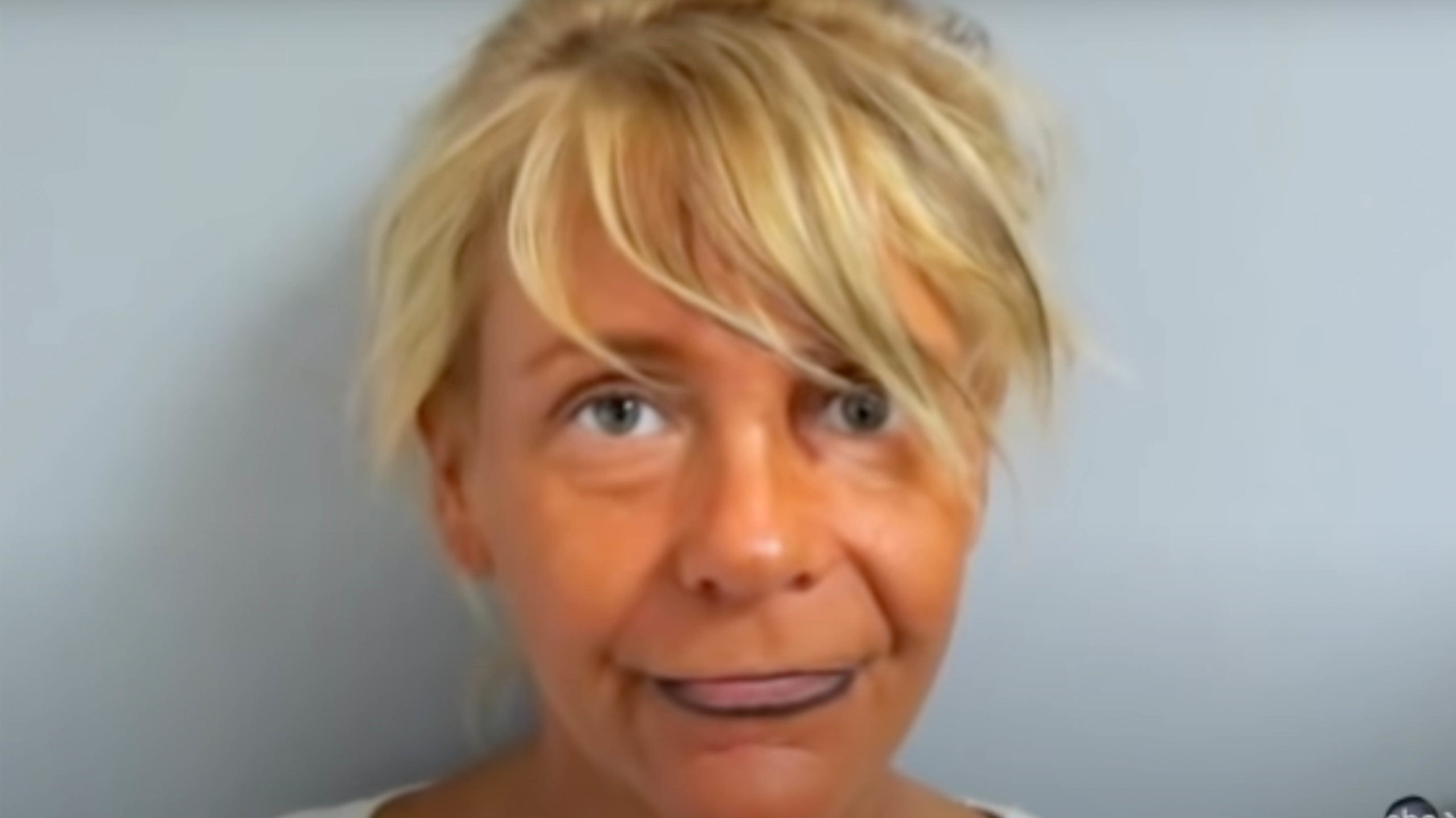
Eventually, the legal case concluded. In early 2013, a grand jury declined to indict Patricia on the child endangerment charge. Legally, the matter was over. But life did not return to normal. The same cameras that made her famous kept following her, and commentary about her appearance did not fade. She felt judged by other parents and, at times, responded sharply to the criticism. The noise around the incident had become part of her daily life.
After the case: a move, a reset, and the strain on family
Public attention is not just hard on the person in the headlines; it is also hard on loved ones. Patricia has said that her older children were teased at school after the story broke. The family eventually moved to Florida, hoping a change of scenery would help everyone find a bit of breathing room. Relocating can be a big step, especially for teenagers, but for the Krentcil family it felt like a necessary reset.
Even with the case behind her, the spotlight did not disappear. Celebrity culture often rewards notoriety as much as it does talent, and Patricia began to consider whether she could steer her moment into something that helped her family financially. She faced legal bills and hoped that telling her story on her own terms might help cover them.
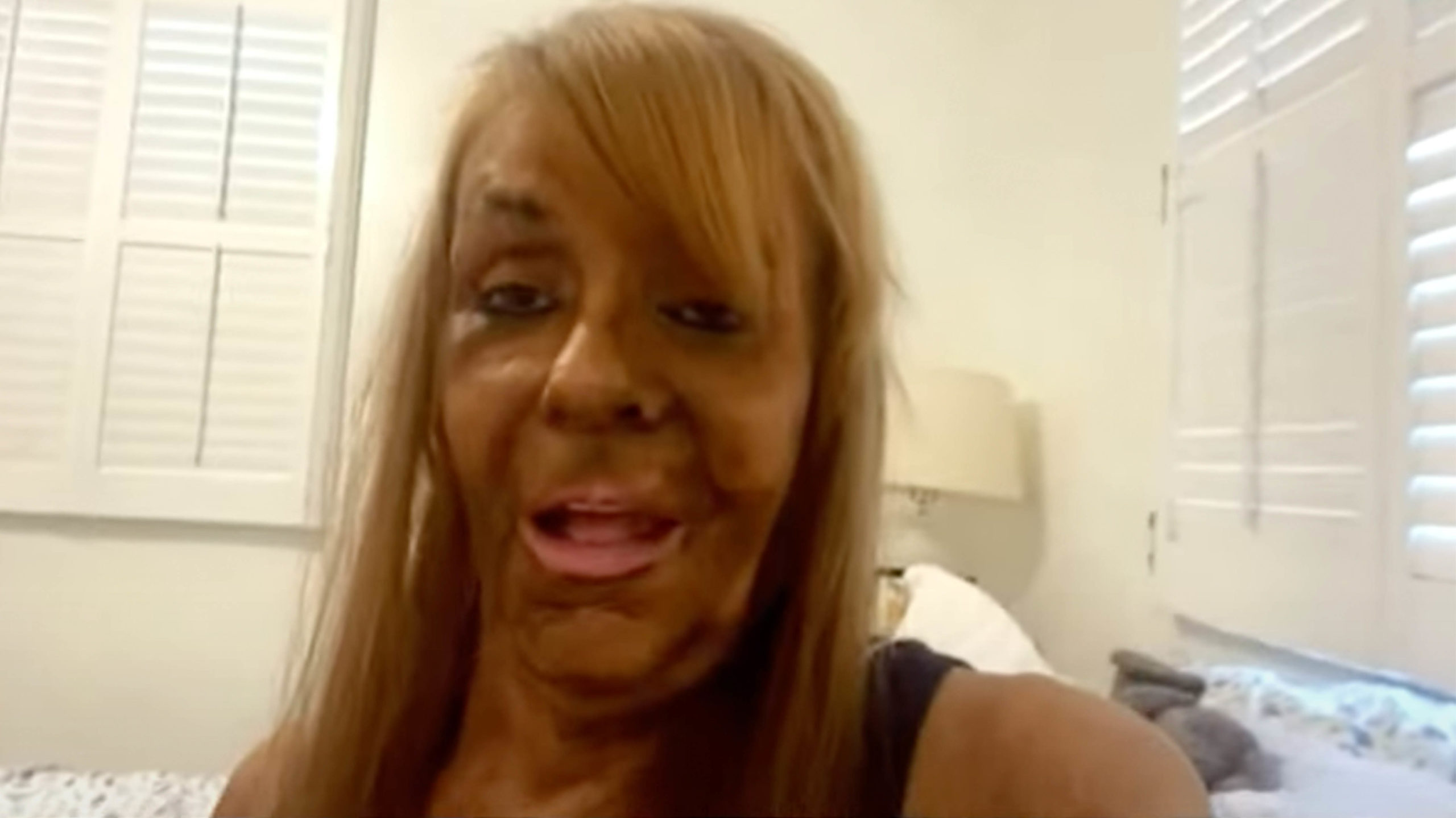
At one point, Patricia talked about making a film to explain what had happened from her perspective. She also discussed creating a line of tanning products and even mentioned modeling offers. Whether those ideas fully materialized or not, they showed her desire to move from being a punch line to being a person in charge of her own story. For parents who have weathered a public storm, that impulse is very understandable. Taking back a measure of control can be a powerful step toward healing.
A sudden health crisis that changed everything
In 2019, the family faced a far more serious challenge when Patricia became critically ill with pneumonia and related complications. Friends shared that she was put on life support while doctors worked to stabilize her. It was an alarming time for her family, who gathered to be by her side as she fought to recover.
Reports from that period described a roller coaster of medical updates. Doctors treated her with strong antibiotics while she remained sedated, giving her body a chance to heal. At one point, there was hope that the most dangerous moment had passed, but it was still a delicate situation. Later, it emerged that she had suffered cardiac arrest and that the infection had affected not only her lungs but other organs too. It was a stark reminder that health can change quickly and that recovery often requires patience and support from loved ones.
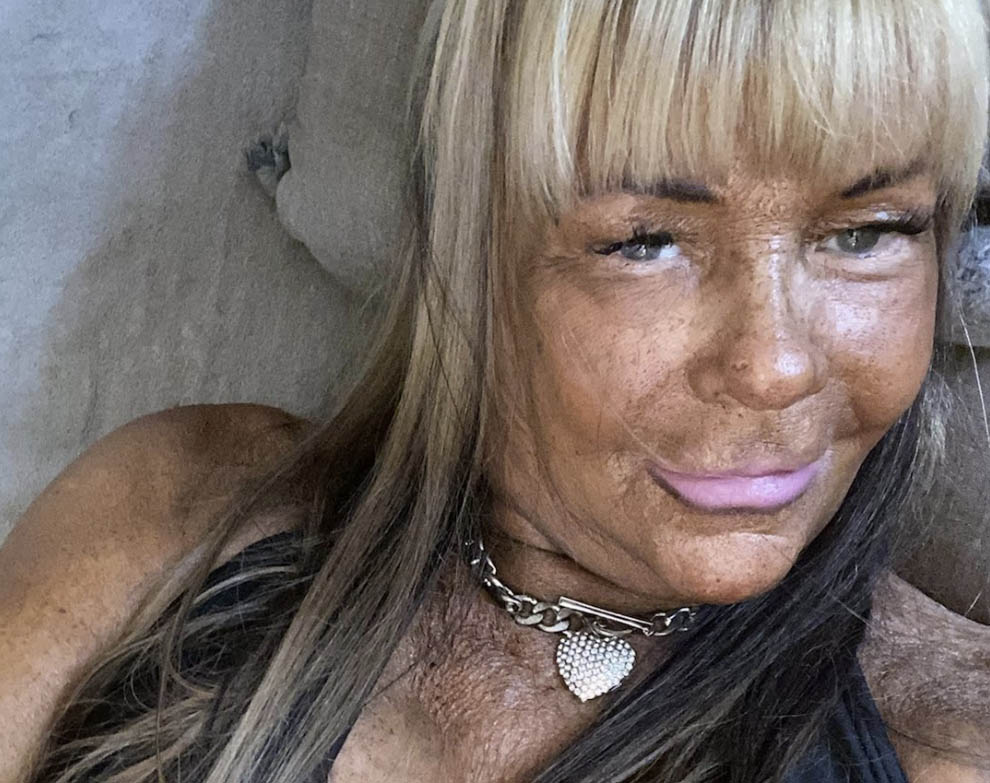
In time, Patricia pulled through. She has since shared moments from her life that show her smiling, spending time with family, and trying to keep a sense of humor about everything she has lived through. She also acknowledges that the years of tanning left their mark. The photographs tell the story plainly: the skin changes from so much exposure are there, and she does not hide them.
Where “Tan Mom” is now
In recent interviews, Patricia has said that she no longer dwells on the 2012 incident. Instead, she has chosen to embrace the “Tan Mom” identity that the world gave her, while also making a clear distinction between that public figure and the woman she is at home. She still tans, but she says she does it less often and in a more controlled way, typically a couple of times a week in her own equipment rather than in a public salon. For her, the key difference today is perspective.
She describes herself as two people of a sort: the outspoken personality that the media amplified, and the private mother, Patricia, who focuses on family and everyday life. That balance seems to have helped her move forward, even as the nickname remains part of her story.

Looking back, there are many threads to Patricia’s journey. There is the legal case, which ended without an indictment. There is the public scrutiny, which grew beyond anything she could have imagined. There is the health crisis that put everything in perspective. And there is the ongoing conversation about tanning and health, a subject that affects people of all ages, particularly those who started tanning when they were younger.
If you watched this unfold a decade ago, you may remember how powerful a single image can be. But real lives are always more complicated than a headline. Patricia’s experience is a reminder that public judgment can be harsh, families can be resilient, and change often happens in small steps. It is also a reminder that health choices add up over time, and it is never too late to pause, learn, and adjust.
For anyone who enjoys a sun-kissed look, doctors generally encourage safer habits. Many people choose to skip tanning beds entirely and protect their skin when outdoors. If you have questions about skin health or notice changes like new spots or growing moles, it is wise to speak with a medical professional. A simple check can bring peace of mind and, when needed, help you take timely action.
Patricia’s story continues, as all of ours do. She is a mother, a public figure by circumstance, and a person who has faced mistakes, misunderstandings, and major health challenges. Today, she says she is doing better and focusing on living life on her terms. For those who remember her as a viral headline, that may be the most important update of all: she is still here, still learning, and still finding her way forward.
In the end, what stands out most is resilience. Even when the world is unkind, there is room to rebuild routines, reconnect with family, and rethink old habits. Whether you tan or you do not, whether you followed the story closely or only remember the nickname, there is a simple takeaway worth holding onto: take care of yourself, give others grace, and, when life gets noisy, look for the quiet choices that keep you healthy and grounded.
As for “Tan Mom,” the chapter that once defined her no longer does. She carries the lessons, keeps the parts of her routine that feel manageable, and sets aside the rest. It is a practical approach many of us can appreciate—especially those who have learned, over time, that balance is often the best path back to feeling like ourselves.