A sharp new Chinese nickname for Donald Trump, and why it is catching on
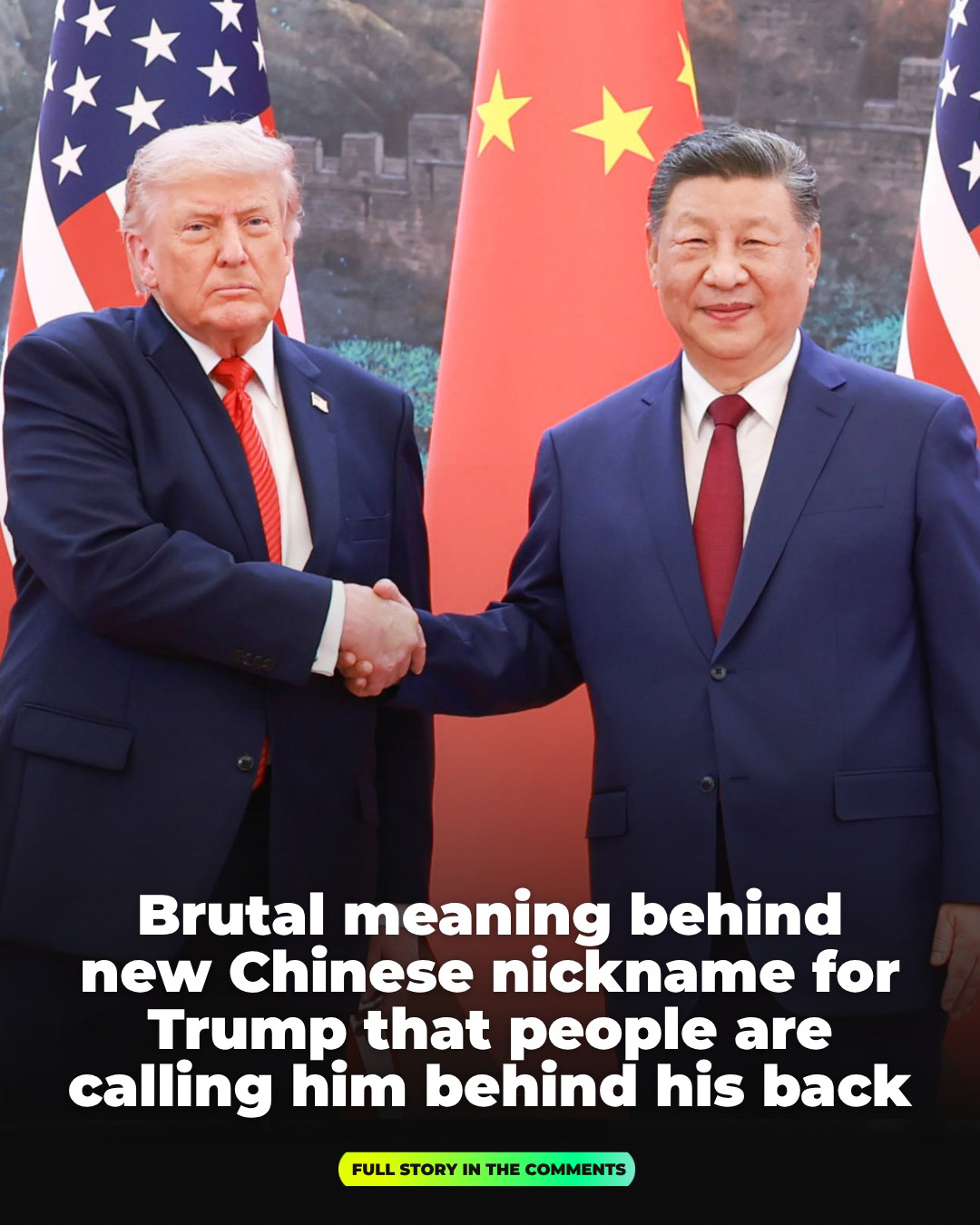
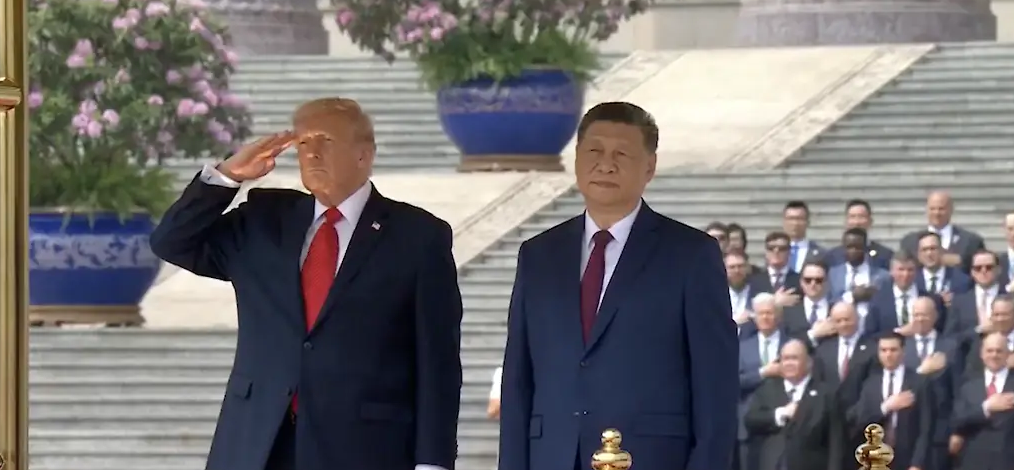
After a high-profile visit to Beijing and another sit-down with President Xi Jinping, Donald Trump has picked up a new nickname among Chinese social media users. Many there have started referring to the 79-year-old U.S. president as “Chuan Jianguo,” a phrase that translates loosely to “Trump the Country Builder.” At first glance, it sounds like a compliment. In reality, people are using it as a jab, suggesting that some of Trump’s policies have ended up strengthening China at home more than weakening it from abroad.
The nickname spread widely online in the days following the meeting in Beijing, according to multiple reports. Its edge comes from the idea that tariff battles, export controls, and broader tensions pushed China to become more self-sufficient. In this telling, by challenging China, Trump unintentionally encouraged the country to speed up work on its own technology, energy, and food supplies. Instead of leaning on imports or outside suppliers, the thinking goes, Chinese companies and government programs have been building up domestic capacity—and that, supporters of the nickname say with a wink, makes Trump a kind of “nation builder” for China.
For people in China, giving leaders and public figures nicknames is nothing new. It is a way to mix humor with commentary and to speak about sensitive issues in a more playful voice. “Chuan Jianguo” works on several levels. It carries a tone of irony, it is easy to remember, and it turns complex trade and security debates into a simple image: a rival leader whose actions, however tough they seem, end up helping China tighten its own bootstraps.
The timing of the nickname’s surge is no accident. Trump’s return to Beijing revived many of the same arguments that first emerged during the tariff fights of recent years. Factories and research centers in China that once relied heavily on foreign parts have been under pressure to adapt. In sectors like semiconductors, electric vehicles, batteries, and certain critical minerals, officials have talked more about “self-reliance.” Supporters of the nickname claim that the tougher the outside pressure, the faster that push becomes.
None of this means the trade and technology restrictions have been painless for China. They have created costs and delays, stirred up uncertainty, and challenged key industries. But the nickname’s popularity shows how online audiences can recast hardship into a story of resilience. In short, even when the joke stings, it also signals a kind of pride: we will build what we need here at home.
It also reflects a broader point many older observers will recognize from history. Rivalries often produce unexpected results. When one nation throws up barriers or flexes its muscles, the other may not crumble; it may harden. That back-and-forth explains why this phrase—“Trump the Country Builder”—has such staying power in Chinese memes and discussions right now.
What Xi signaled with talk of the ‘Thucydides Trap’
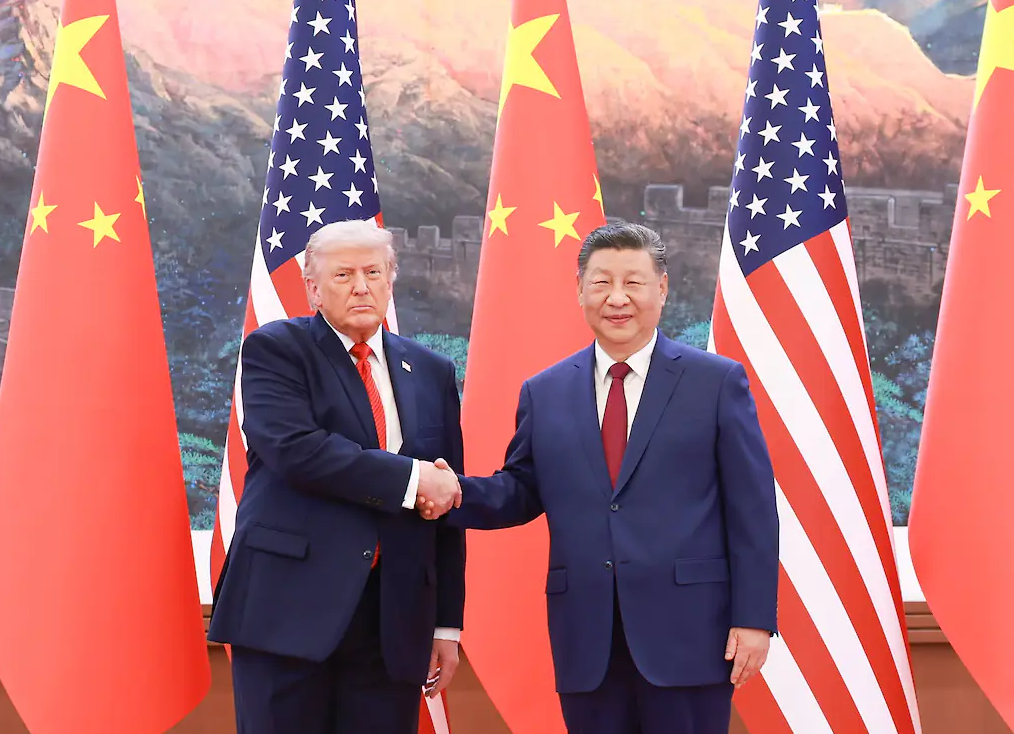
The Beijing meeting marked the seventh face-to-face encounter between Trump and Xi since they first met in 2017. Much has changed in those years. Trade disputes have deepened, the competition in high technology has grown more intense, and the two militaries have had to manage close calls in the air and at sea. Against that backdrop, the words each leader chose carried extra weight.
In the summer leading up to this meeting, President Xi raised a familiar but serious idea known as the “Thucydides Trap.” The phrase comes from the ancient Greek historian Thucydides, who observed that when a rising power challenges an established one, war can follow. Today, it is used as a warning about how major powers can slide into confrontation if they are not careful. Referring to that risk, Xi said the world would be watching to see whether China and the United States can rise above the trap and find a steadier, more predictable way to deal with each other. He tied that hope to a larger mission, speaking about “the future destiny of humanity” and the need to build “a better future for bilateral relations.”
Those are big words, but the message is straightforward. China wants to be treated as a peer and expects the relationship to be managed in a stable, respectful way. At the same time, Xi’s reference to the Thucydides Trap serves as a caution: if both sides mishandle the rivalry, the costs could be felt well beyond Asia. For many listeners, especially those who remember Cold War anxieties, the appeal for calm, rules, and reliable communication makes immediate sense.
Trump, for his part, struck a notably warm tone in public. He praised Xi as “a great leader,” acknowledging that some people at home might not love to hear him say so. He added that it was an honor to be with Xi and to call him a friend. Trump also predicted that relations between the United States and China could be better than ever. Those comments set a friendly mood and suggested a desire to stabilize ties, even as major issues remain unsettled.
Warm words do not erase hard problems. What they can do is lower the temperature long enough for diplomats, trade officials, and defense leaders to keep talking. That is often how difficult rivalries are managed. For the audience at home in both countries, the combination of Xi’s cautionary note and Trump’s optimistic tone painted a picture of leaders who recognize the stakes and are at least trying to keep the guardrails intact.
Still, the humor of “Chuan Jianguo” hovered over the conversations online, a reminder that however cordial the photo ops might be, the deeper competition—from supply chains to advanced chips—continues. Every friendly handshake is matched by another round of planning in labs, ministries, and boardrooms on both sides of the Pacific.
What Trump said about Taiwan after leaving Beijing
One of the most delicate topics in U.S.–China relations is Taiwan, the self-governed island that Beijing views as part of its territory and that Washington supports with defensive arms and unofficial ties. During his time in China, Trump did not discuss Taiwan in public. But once he had departed Beijing, he spoke with reporters aboard Air Force One and provided a careful window into the private conversation.
Trump said that he and Xi talked a lot about Taiwan. He described Xi as not wanting to see a push for formal independence on the island, warning that such a move could lead to a very strong confrontation. Trump added that he listened closely and did not make a comment of his own in that setting. The tone was measured and signaled that this subject remains exceptionally sensitive.
He also indicated that he might revisit a previously approved package of arms for Taiwan. Late last year, his administration authorized about $11 billion in weapons for Taipei, and lawmakers followed up with another $14 billion sale in January. Those decisions received close attention in both capitals. For Taiwan, steady access to defensive equipment—from air defense systems to anti-ship capabilities—has long been a pillar of its security planning. For Beijing, these sales are seen as provocative steps into what it considers an internal matter.
When pressed on whether the United States would respond militarily if China attacked Taiwan, Trump declined to give a direct answer. That position fits with what foreign policy specialists call “strategic ambiguity,” the long-standing U.S. approach of not making a public promise one way or the other. The logic behind ambiguity is to discourage both sides from forcing a crisis. China cannot be sure the U.S. would stay out, and Taiwan cannot be certain it would get automatic military help if it makes a risky move. That uncertainty is meant to keep the peace.
For many older readers who remember decades of careful wording around Taiwan, this will sound familiar. Since the United States shifted diplomatic recognition to Beijing in the 1970s, it has walked a careful line. On paper, Washington acknowledges the position that there is one China and maintains unofficial relations with Taipei. In practice, it continues to sell Taiwan arms for self-defense under U.S. law and encourages peaceful dialogue. That balance is imperfect and often tense, but for years it has helped avoid direct conflict.
Why this nickname resonates, in plain terms
The popularity of “Trump the Country Builder” inside China reflects a simple story people can follow. Start with a period of heavy pressure from outside. Add new tariffs, more restrictions on technology, and tough talk. The result, in this telling, is that local firms work harder and the government channels more support to homegrown solutions. Factories invest in their own designs. Farmers and energy companies look for domestic alternatives. Even when there are setbacks, people share examples of progress and turn them into a proud, if cheeky, message: we are standing on our own two feet.
Humor helps carry that message. A nickname travels faster than a policy paper, and it makes complicated issues easier to discuss. Older generations have seen this before in different countries and eras. During difficult times, humor can be a release valve. It allows people to vent, to cheer small victories, and to poke at leaders without getting lost in statistics. “Chuan Jianguo” plays that role perfectly. It is short, memorable, and captures the paradox of a rival’s pressure becoming a push toward independence.
It is also a reminder that public opinion shapes how policies are received. Whether or not every claim about faster self-reliance is accurate, the belief itself affects confidence, investment, and the sense of national momentum. In that climate, even hard choices can feel more bearable because they are tied to a larger purpose. That is why a nickname born online can echo through factories, research labs, and newsrooms.
Between warm words and real disagreements
Look closely at the Beijing visit and you can see two layers to the story. On the surface, both leaders emphasized respect and stability. Xi spoke about avoiding the pitfalls of great-power rivalry and building a steadier future. Trump offered personal praise and predicted better days ahead for the relationship. For many, especially those tired of constant headlines about tension, those signals were welcome.
Beneath that surface, however, the competition continues. Both sides are racing to develop next-generation technologies. Both are adjusting supply chains to be less vulnerable to shocks. And both are preparing for contingencies in places like the Taiwan Strait and the South China Sea. That is why the meeting mattered and why it did not magically solve anything. It bought time, set a tone, and revived channels of communication. But the work—slow, detailed, and often frustrating—comes afterward.
The nickname and the meeting are connected by that reality. The joke about Trump “building” China captures how people make sense of long-term trends. The cautious language about the Thucydides Trap reflects a shared desire to avoid worst-case outcomes. And the careful phrasing on Taiwan shows how leaders try to keep options open while sending signals to each other and to their own publics. Taken together, they explain why this visit produced both online laughter and sober analysis.
What to watch for next
In the months ahead, watch for signs of practical follow-through. If the friendly tone from the top leads to more working-level meetings, that is a step toward stability. If the discussions stall, then the pressure points—tariffs, technology restrictions, and military maneuvers—will come back to the forefront. Either way, the basic story will not change quickly. The United States and China are now deep competitors that also need each other in important ways, from trade and finance to climate and public health.
For Taiwan, the near-term outlook is more of the same: measured words from Washington, firm statements from Beijing, and careful planning in Taipei. Arms sales will continue to draw attention, and any hint of policy change will be watched closely. Strategic ambiguity, with all its frustrations, remains the policy of choice because it keeps a narrow path to peace open while all sides test each other’s resolve.
As for the nickname, it will likely continue to pop up whenever there is a new twist in the relationship. If China reports progress in a key industry, expect to see it shared with a knowing smile and that familiar label. If tensions flare, the phrase may take on a sharper edge. Either way, it is a small window into how ordinary people digest the moves of great powers. And for those of us following along from afar, it is a helpful reminder that policy is not just strategy and statistics. It is also the stories we tell about ourselves—and, sometimes, about our rivals.
The takeaway, simply put
Donald Trump’s latest trip to Beijing produced polite public remarks and a fresh set of talking points for policymakers. It also sparked a new wave of online humor in China, where “Chuan Jianguo,” or “Trump the Country Builder,” has become a pointed way to say that pressure from abroad has, in some cases, spurred more effort at home. President Xi used the moment to revive an old warning about great-power rivalry, urging both sides to avoid falling into predictable conflict. Trump kept things cordial and optimistic in public, then spoke cautiously about Taiwan once he was back on the plane.
None of this resolves the biggest questions. But for readers looking for the bottom line, here it is. The jokes and the formal statements point in the same direction. The competition is real, the stakes are high, and yet both leaders know that outright confrontation would be costly and dangerous. Between those two truths—rivalry and restraint—the U.S.–China relationship will continue to unfold.
For now, the most honest way to read the moment is as a pause for breath. It is a chance to regroup, to keep talking, and to make sure that sharp words do not turn into sharp actions. If that space holds, there will be more time to work through the hardest problems. And if it does not, the humor of a nickname will give way to the far more serious business of crisis management. That is why this meeting mattered, and why the story behind a simple phrase—“Trump the Country Builder”—has so much to tell us about where things stand today.