A candid explanation from Trump about NATO
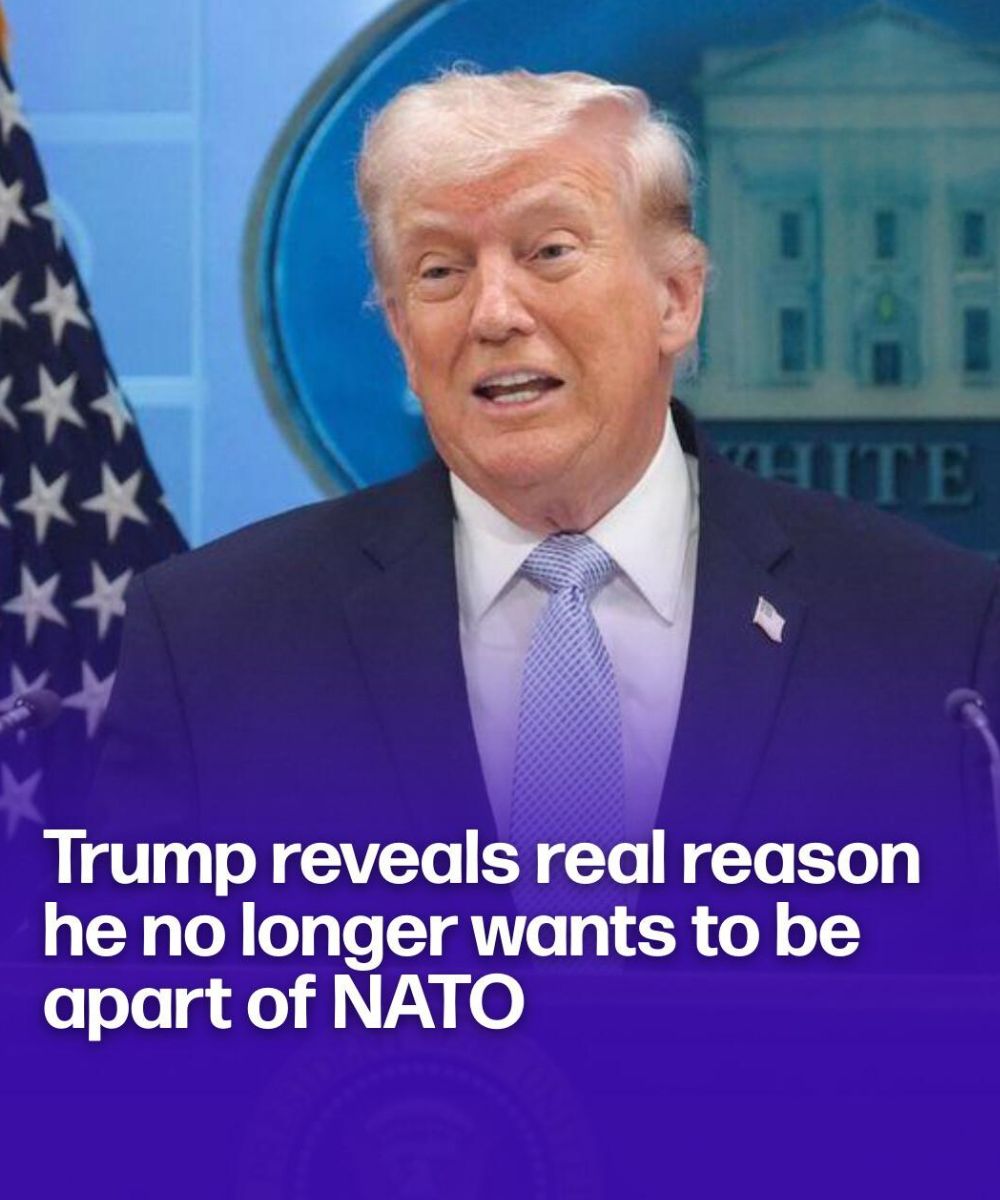
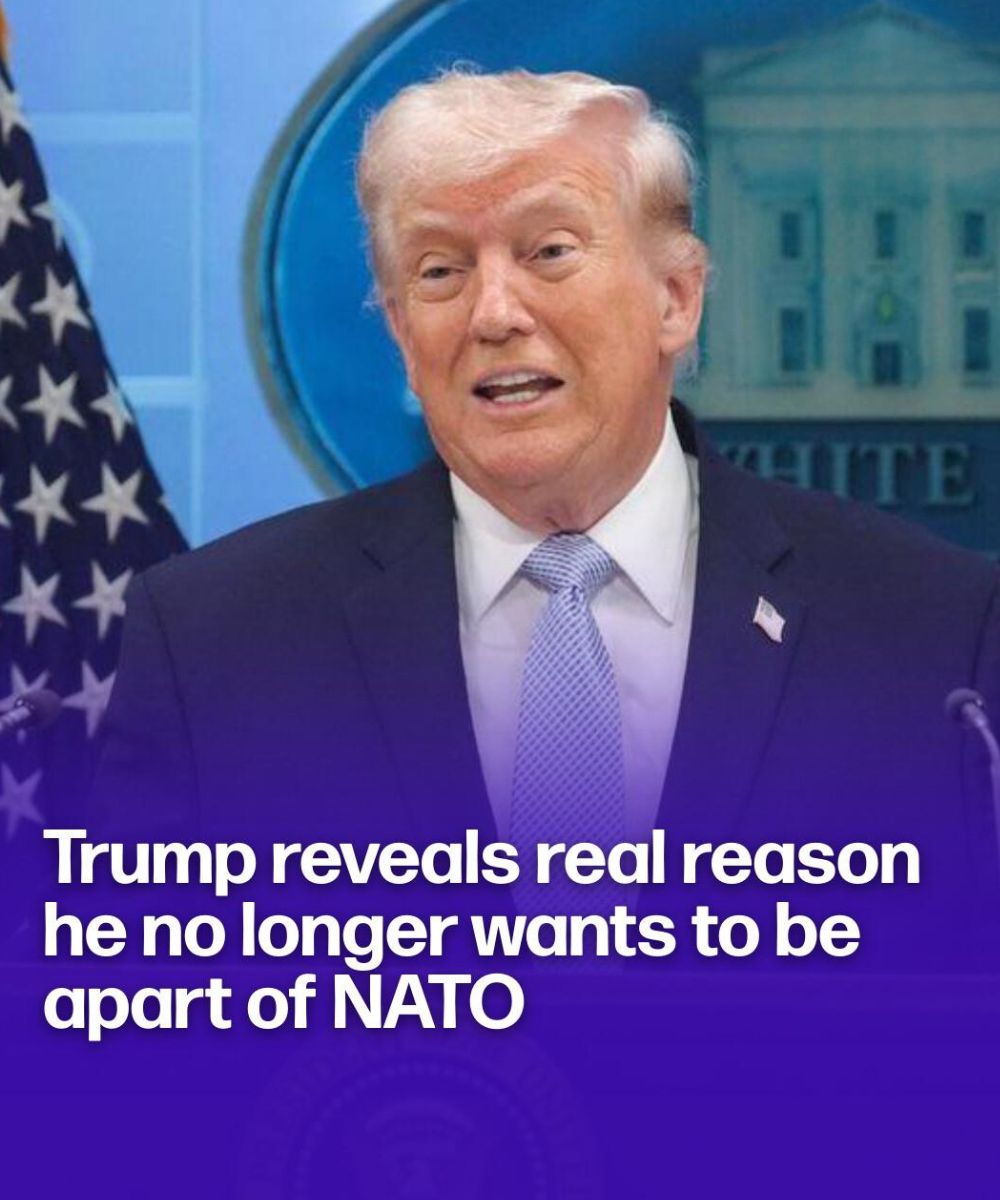
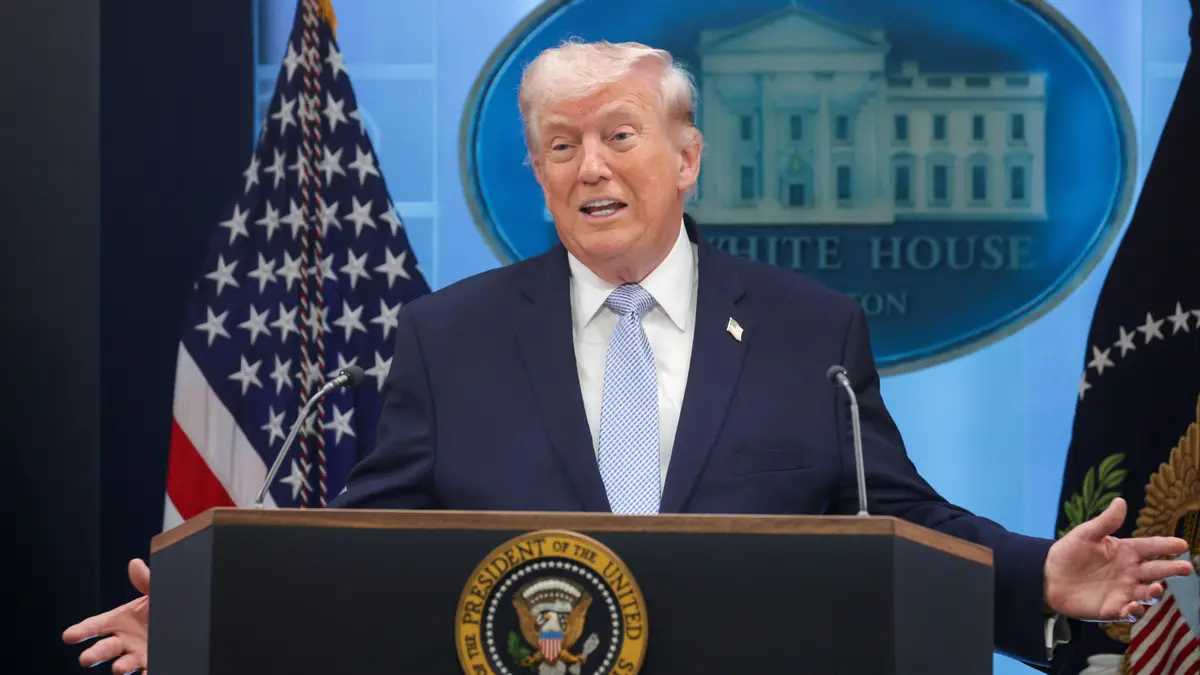
Donald Trump has outlined why he no longer wants the United States to remain in the North Atlantic Treaty Organization, better known as NATO. In a recent interview, he described his position as final, saying his relationship with the alliance is beyond reconsideration. He also said he never fully trusted NATO, calling it weak and suggesting that even Vladimir Putin views it that way.
For many Americans, especially those who grew up during the Cold War and beyond, NATO has long been a familiar name. Formed in 1949 after World War II, the alliance brought together countries from North America and Europe to ensure mutual security. The basic idea is simple to grasp. If one member is attacked, the others treat it as an attack on all. Over time, this promise of collective defense has worked like a sturdy lock on a front door. It does not guarantee absolute safety, but it makes a break-in far less likely.
Trump’s comments challenge that long-standing approach. He argues that the alliance does not work as it should, and that the United States gives more than it gets back. He has often voiced concerns that other members do not contribute enough to their own defense, leaving the U.S. to shoulder more of the cost and responsibility. In his view, that imbalance makes the partnership unfair and ineffective.
These remarks have sparked a heated debate about America’s role in the world. Supporters of Trump’s position say the United States should participate only in efforts that clearly serve its national interest. Critics warn that stepping away from NATO could weaken a network that has helped keep major wars at bay and has supported stability across Europe for generations.
What Trump says is driving his stance
Trump’s reasoning rests on two familiar concerns. First is the burden the United States carries in defense spending, operations, and planning. Second is the question of access and cooperation. He contends that if allies expect U.S. protection, they should also provide the access, facilities, and support that make that protection possible when American interests are on the line.
These are not new themes in American politics, but he presents them in a sharper way than many leaders have in the past. In simple terms, he is asking whether the arrangement is a fair deal. If the U.S. provides much of the muscle, he believes partners should not set limits that make it difficult for American forces to act when needed. He frames this as common sense, not hostility, arguing that cooperation must be two-way to be effective.
That thinking resonates with some voters who feel the United States has spent too much money, time, and lives on global commitments that do not always seem to deliver clear benefits. Others believe that what looks like a cost on paper may actually be a discount in practice. They argue that by helping to deter conflicts overseas, the alliance helps prevent crises that could be far more expensive and dangerous later.
Rubio’s remarks and the question of balance
Senator Marco Rubio has echoed related concerns, suggesting that the U.S. may need to rethink its role in NATO if the balance is off. In a television interview, he said the alliance could become unbalanced if countries want U.S. military protection but do not permit access to their bases when American interests are at stake. In that situation, he questioned whether the partnership still makes sense.
His point highlights how alliances work in real life. Security is not just about promises. It is also about logistics and timing. If a crisis erupts, the U.S. may need to move aircraft, ships, or personnel quickly. That often requires using allied bases, refueling arrangements, or shared infrastructure. If those doors are closed in a moment of need, the value of the alliance drops sharply.
On the other hand, many allies argue that access and operations are usually coordinated and that decisions reflect legal rules, public opinion, and the specifics of each situation. They say that consultation, not surprise, is the backbone of cooperation. From this perspective, disagreements or delays do not mean the alliance is broken. Instead, they reflect the reality that democratic nations weigh decisions carefully.
Trump also linked his position to tensions over Greenland
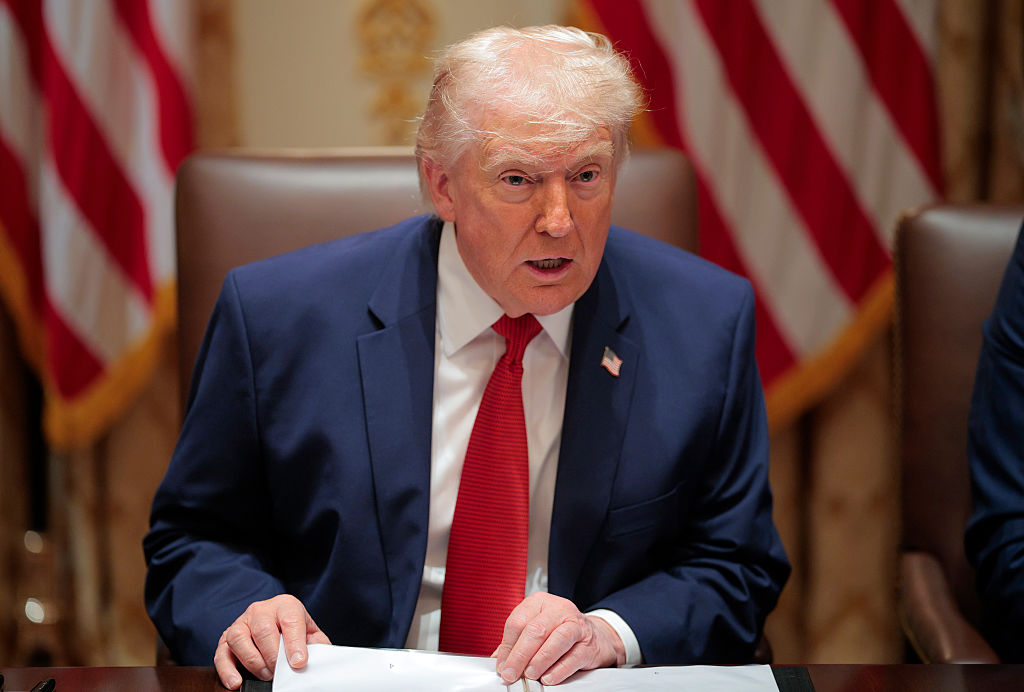
Trump has also connected his view of NATO to frustrations involving Greenland. In a video shared online, he said the issue started with Greenland. He expressed disappointment that Denmark would not consider selling the territory and stopped short of offering more details.
To many Americans, Greenland may feel far away, but its location matters. It sits between North America and Europe, touching the Arctic routes that are becoming more important as ice patterns change. The United States has had a longstanding military presence there, reflecting the area’s strategic importance for early warning systems, space operations, and transatlantic security. For that reason, Greenland has often been tied to broader discussions about NATO, the Arctic, and cooperation with Denmark.
Denmark’s refusal to consider a sale frustrated Trump years ago, and he has occasionally cited it as a symbol of broader disagreements. Supporters say his frustration makes sense if he views the episode as part of a pattern in which U.S. interests are not fully considered. Critics argue that the dispute has little to do with NATO itself and that day-to-day cooperation in the region continues regardless.
Greenland’s story reminds us that alliances are not just about treaties and speeches. They are also about geography, shared projects, and practical partnerships built over decades. When those relationships work well, they tend to fade into the background. When tensions flare, they quickly become front-page news.
Why this debate matters for Americans in midlife and retirement
For Americans between 45 and 65, the discussion about NATO is more than a headline. It touches on financial, personal, and national security questions that feel close to home. Many in this age group remember the end of the Cold War, the conflicts that followed, and the hope that stable alliances would keep the peace. They also understand the strain of long deployments on military families and the pressure defense budgets can place on other priorities.
One concern is economic stability. Global security affects trade, energy prices, and the broader financial climate. If a reliable alliance helps prevent conflicts, it can also help keep markets calmer. If that alliance weakens, some fear that uncertainty could rise. For people focused on retirement planning, steady conditions often feel safer than surprises.
Another issue is cost. Supporters of a tougher line on NATO say American taxpayers have paid too much for too long. They want allies to carry more of their own load. Critics respond that the alliance is a cost-effective way to stop small problems from becoming bigger, more expensive crises. In their view, the price of participation is far lower than the price of dealing with wars that might be deterred by a strong partnership.
There is also a human angle. Many families in this age group have children, siblings, or friends who serve or have served in uniform. For them, decisions about alliances are not abstract. They shape real missions, deployments, and risks. Any talk of changing the U.S. role in NATO naturally raises questions about where and how American service members might be called to serve in the future.
Supporters and critics see the stakes differently
Those who back Trump’s position believe the United States should insist on clear benefits for its commitments. They point to years of pressure on NATO members to invest more in their own defense and argue that progress has been too slow. In their eyes, a firm stance is the only way to get results. They also believe the United States should never feel constrained by partners when its security is at stake.
Critics counter that NATO has proven its worth time and again by deterring aggression and promoting stability. They say that walking away would undercut American leadership, unsettle allies, and embolden rivals. In their view, the alliance is not a favor to others. It is a strategic shield that protects the U.S. homeland, supports American jobs tied to transatlantic trade, and gives Washington a powerful voice in global security decisions.
Public opinion reflects this divide. Some Americans see the alliance as an outdated burden that no longer fits today’s challenges. Others believe it is still the best tool for keeping the peace with partners who share similar values and interests. The debate is not just about numbers on a balance sheet. It is about how the United States sees its place in the world and the safest path forward.
People who worry about stepping back from NATO often point to the unpredictability of global events. They note that when trouble starts, it spreads quickly. In their view, a strong alliance can keep small sparks from becoming large fires. Those who support a reduced role counter that strength comes from clarity. They believe the U.S. should focus on its own priorities first and offer help to others only when it serves clear national interests.
Is a U.S. withdrawal from NATO likely?
At this moment, it remains uncertain whether the United States will actually withdraw. Even when a leader states a firm view, big changes in foreign policy usually take time. They involve legal processes, close consultation with Congress, and conversations with allies. Elections, public opinion, and world events can also shape the final decision.
Allies would likely respond strongly to any sign of a U.S. exit, laying out the risks they see and offering steps to address American concerns. Some have already increased their defense spending and contributions to shared missions. Whether that is enough to satisfy critics is an open question. For now, the debate appears set to continue, with advocates on both sides emphasizing what they believe is the safest, smartest path for the country.
Understanding NATO in simple terms
NATO is, at its heart, a promise among 32 countries. If one is threatened, the others will stand with it. That promise is backed not just by words but by planning, exercises, and the ability to act quickly together. Each member makes decisions according to its own laws and politics, which can slow things down. Still, over many decades, that structure has helped keep the peace among members and discouraged outside threats.
People sometimes imagine NATO as a single army, but it is more like a well-practiced team. Each country keeps its own military. Together, they train, share information, and build common standards so they can work side by side in a crisis. The United States is a central player, with unmatched capabilities and a leadership role that has shaped the alliance from the very beginning.
Costs are a common point of confusion. NATO does have a small shared budget for running the organization, but most spending is national. That means each country funds its own forces and equipment. Many members have pledged to invest more, and some have done so in recent years. Supporters say this trend shows the alliance is adapting. Skeptics say the progress is still uneven.
Beyond defense, the alliance has supported disaster relief, training, and missions that bring stability to troubled areas. These efforts may not make headlines, but they strengthen relationships and build trust. For many leaders, that network of trust is the real power of the alliance, allowing quick cooperation when it matters most.
How Greenland fits into the bigger picture
Greenland’s mention in this debate is a reminder that geography shapes strategy. The island is large, remote, and strategically placed. It matters for early warning systems, satellite tracking, and access to Arctic routes that could grow more important over time. The United States, Denmark, and Greenland have worked together in various ways for decades, even as political disagreements arise from time to time.
Some observers see Trump’s frustration over Greenland as a symbol of a deeper point. They believe he views certain partners as unwilling to meet U.S. priorities, even in areas where American leaders consider the stakes to be high. Others believe the connection to NATO is limited and that cooperative projects in the Arctic continue based on practical needs.
Either way, Greenland illustrates how strategic interests can collide with politics and public opinion. What looks straightforward to one leader may feel unacceptable to another. Those differences can strain relationships, especially when they play out in public. The test for any alliance is whether it can manage those strains without losing sight of shared goals.
What to watch next
In the coming months, watch for signals from Washington and from key European capitals. Statements about defense spending, base access, and future missions will tell you how the conversation is moving. If allies step up their investments and show clear support for shared operations, that could lower tensions. If disagreements deepen, expect louder calls for change.
Keep an eye on Arctic policy as well. As interest in the region grows, cooperation—or conflict—there could influence the broader relationship among the United States, Denmark, Greenland’s local authorities, and other NATO members. Decisions about infrastructure, research, and military presence in the far north can ripple outward into the transatlantic partnership.
Above all, remember that foreign policy often looks like a tug-of-war between urgency and patience. Leaders want results quickly, but alliances move carefully because they must balance many voices. That process can be frustrating to watch, yet it is also why partnerships sometimes prove durable. They bend before they break.
The bottom line
Trump has made it clear that he does not want the United States to remain in NATO, saying his mind is made up and pointing to a lack of trust in the alliance. He has described NATO as weak and said even Vladimir Putin views it that way. He has also linked his position to tensions over Greenland, adding a personal and symbolic thread to the larger argument. Senator Marco Rubio’s comments about base access and fairness echo the broader concern that allies should do more and make cooperation easier when American interests are on the line.
Critics, meanwhile, warn that weakening or leaving NATO could unsettle global security, raise the risk of conflict, and reduce America’s influence. Supporters argue that the U.S. should prioritize alliances only when they clearly serve national interests and that a tougher stance may prompt meaningful changes among partners.
For now, the future of the U.S. role in NATO remains uncertain. What is clear is that the debate touches on deep questions about fairness, strength, and responsibility. It also affects the everyday concerns of Americans in midlife and retirement, from personal security and family service to financial stability and confidence in the future. As the conversation unfolds, many will be looking for a path that protects American interests while preserving the stability that has supported peace for decades.