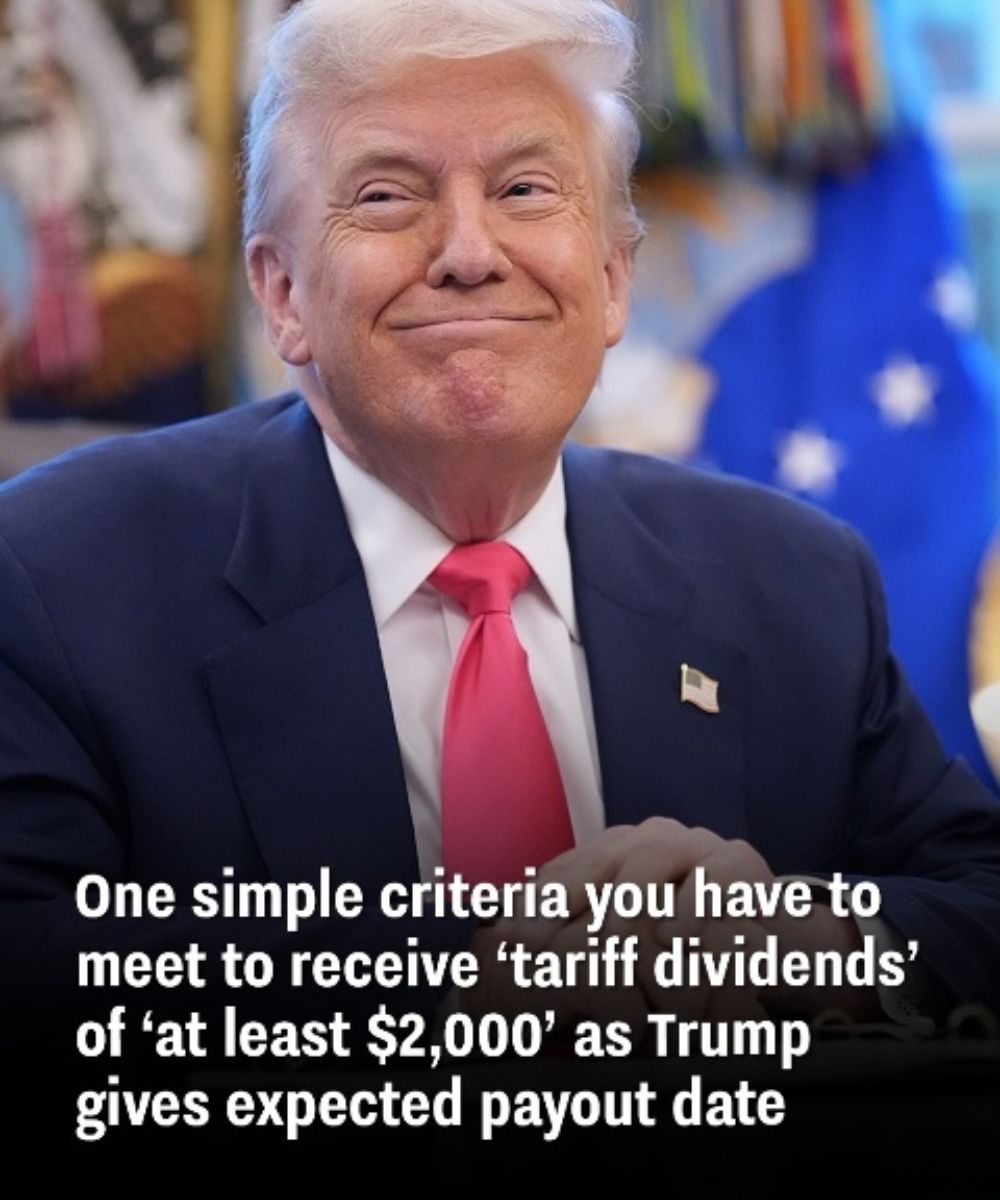
President Donald Trump has announced a plan to distribute ‘tariff dividends’ worth a minimum of $2,000 to Americans, prompting both curiosity and doubt. A pressing question lingers: When will these payments land in people’s pockets?
Winning Back Public Favor
Since beginning his presidency, Trump has enforced numerous tariffs affecting U.S. importers and the general public. However, with 61% of Americans expressing disapproval of the trade war’s effects, these proposed dividends might be an effort to sway public perception.
Trump reassured supporters about the dividends earlier this month. “We’ve amassed hundreds of billions in tariff revenue. We plan to issue dividends,” he declared, with expectations that checks might be dispatched by the middle of next year or shortly thereafter.
Targeting Lower and Middle Income Workers
According to Trump, these payments would be directed towards low-, moderate-, and middle-income earners—though he hasn’t specified details. This initiative mirrors his pandemic-era stimulus checks, which provided a minimum of $1,200 to individuals and families. Yet, the specifics of this potential payment remain elusive.
Eligibility for the $2,000 Payment
No official criteria have been disclosed yet. However, YouTuber and Social Security adviser Blind to Billionaire speculated on what eligibility might entail.
According to his insight, income would likely be the primary criterion: “Is your income below $75,000 a year as an individual? That’s the threshold,” he remarked. “Many government initiatives utilize $75,000 for single filers and $150,000 for married couples as a basis—these figures might be reused.”
Are the Checks a Reality for Americans?
Although Trump has reiterated the plan, substantial hurdles remain. Treasury Secretary Scott Bessent expressed skepticism in a conversation with Fox Business, saying, “We’ll see,” and noted that Congress would have to authorize such a costly endeavor.
Bessent further implied that the income cutoff might shift, potentially including families with earnings under $100,000.
A Potentially Costly Initiative
The Committee for a Responsible Federal Budget predicts the program could amass an annual cost of $600 billion—exceeding twice the annual tariff revenue collected by the government.