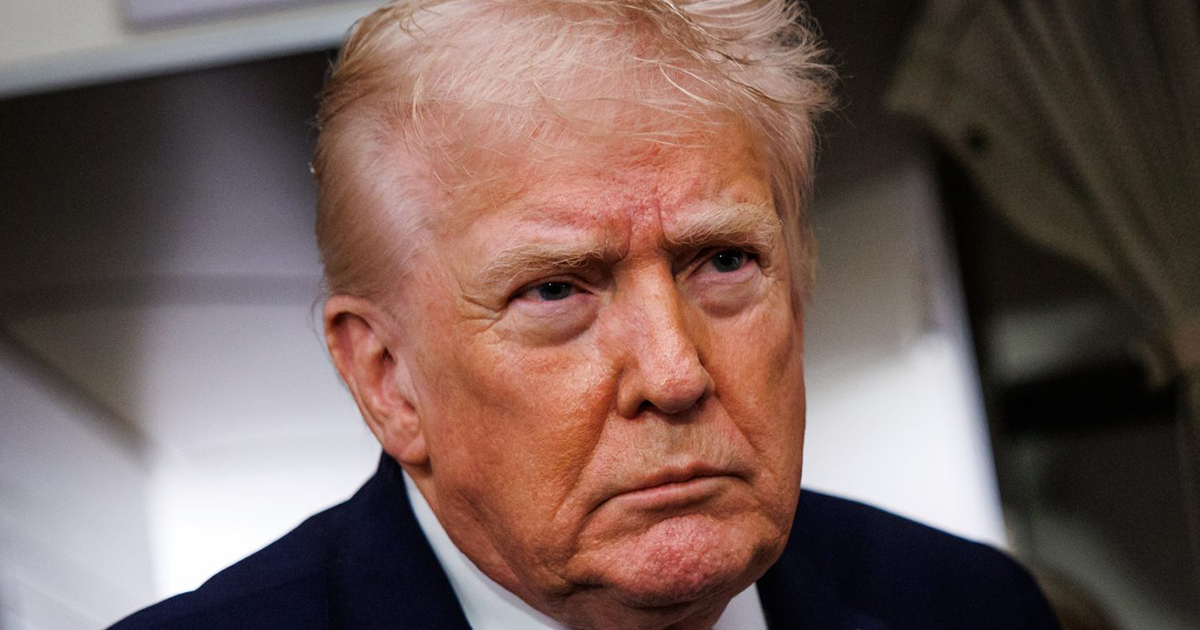
Former President Donald Trump has issued a strong warning, indicating that the United States could find itself in a real predicament should the Supreme Court decide to overturn his extensive tariff policies. According to Trump, this could leave the nation in a “complete mess.”
Trump places a great deal of importance on his tariff strategies, seeing them as crucial to addressing various economic challenges facing America. He has even gone as far as to suggest that Americans could potentially receive direct payments, potentially reaching $2,000 per individual, thanks to the revenue these tariffs generate.
This Monday, Trump raised concerns, cautioning that the country could face serious difficulties if the Supreme Court rules against him in the significant case that challenges his comprehensive tariffs.
The legal debate is centered on whether the president holds the power to implement widespread global tariffs without needing Congress’s approval. This is particularly relevant to the vigorous trade measures Trump set in motion in recent years.
The True Cost
In a detailed post on Truth Social, Trump elaborated on the severe financial repercussions he foresees if the court sides against his administration.
“The real financial burden we might face, if by any chance, the Supreme Court decides against the United States on Tariffs, would be immense. We’re talking about Hundreds of Billions of Dollars. And this doesn’t even account for potential ‘paybacks’ from countries and corporations involved in building plants and factories as a means to sidestep tariff payments,” he explained.
Further pressing the issue, he underscored that the overall cost would skyrocket once long-term investments are taken into consideration.
“Adding these investments means we’re looking at trillions of dollars! This would create a chaotic scenario, almost impossible for our country to manage financially.”
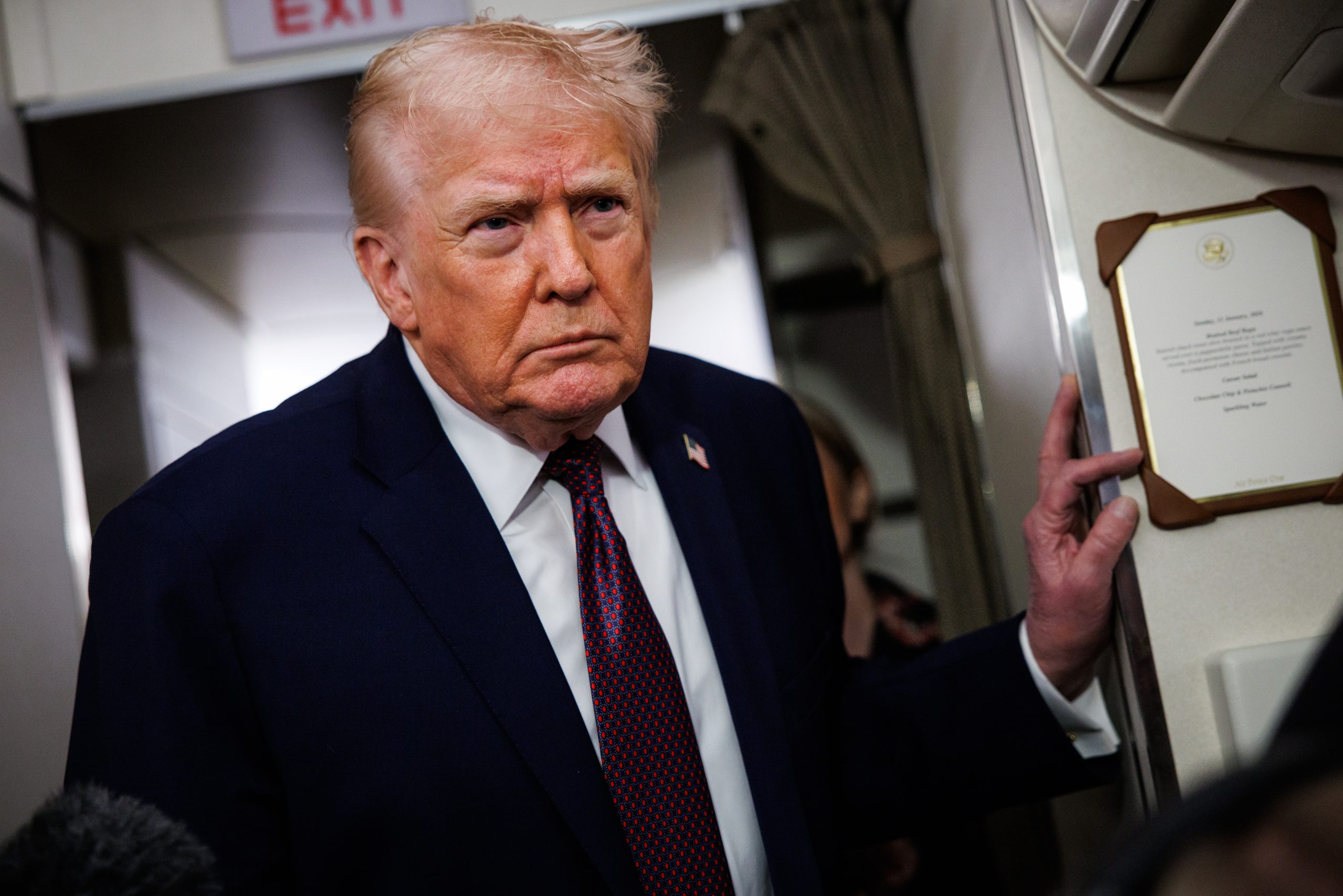
Since assuming office again, Trump has relied on the International Emergency Economic Powers Act, a 1977 law that provides presidents the ability to enact economic measures during declared national emergencies. He invoked this statute following his declaration of a national emergency due to persistent U.S. trade deficits.
Under this policy, tariffs were applied to over $150 billion worth of imports from numerous key trading partners including China, India, Canada, and the European Union. The administration has described this as a “reciprocal” approach, aimed at encouraging fairer trade practices globally and prompting companies to shift manufacturing back to the U.S.
Latest Tariff Move on Iran
In his recent tariff initiative, Trump announced a new 25% tariff on goods originating from any nation that has commercial ties with Iran.
Proclaimed as “effective immediately” on Truth Social, the president added that “This order is final and conclusive.”
Iran is already reeling from intense U.S. sanctions, with significant economic struggles including a devalued currency and food price inflation soaring by up to 70%. Considering that food represents about a third of the country’s imports, these new tariffs might intensify shortages and elevate prices further.
Iran’s major trading associates include China, Iraq, the United Arab Emirates, Turkey, and India.
The comprehensive reach of these tariffs has faced criticism. Opponents argue that smaller countries feel an unduly heavy impact, whereas U.S. consumers and enterprises deal with elevated prices, customs headaches, and strained relations with pivotal allies.
Furthermore, Trump has been scrutinized for circumventing Congress to implement such a broad economic policy. In response to these tariffs, over 1,000 lawsuits have been launched against the government, including actions by some of the largest U.S. importers.
“We’re Screwed!”
In May, the U.S. Court of International Trade ruled the tariffs illegal, a decision that the Federal Circuit upheld in August. The case has since advanced to the Supreme Court, which was slated to provide a ruling last Friday but ultimately abstained from doing so.
Trump, amidst this uncertainty, cautioned that reversing the tariffs would be a complex and lengthy process.
“Anyone suggesting a quick and easy resolution is likely mistaken or failing to grasp the complexity of the issue at hand,” he wrote.
He reiterated that even understanding the financial reverberations would be formidable.
“Pinpointing a financial total might be challenging, but should it be possible, the economic figure would be so staggering it could take years to fully assess the outcome and responsibilities.”
Concluding his post, Trump bluntly conveyed what he perceives is on the line.
“Remember, when America flourishes, the world benefits. If the Supreme Court hinders this national security triumph, well then, WE’RE SCREWED!”