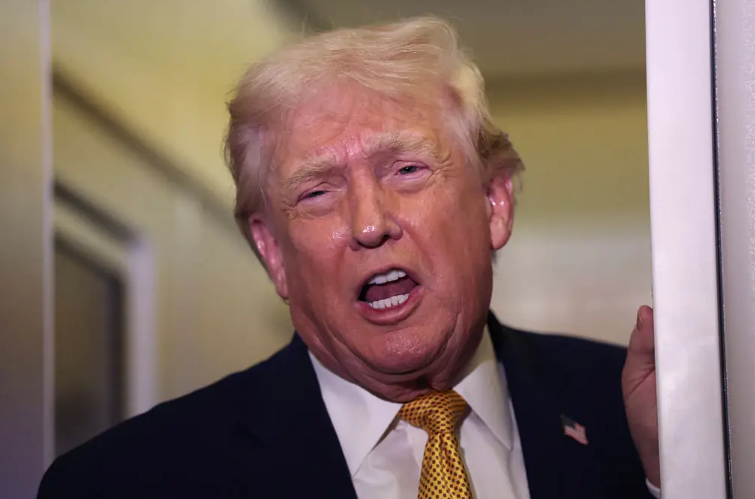
During a recent interview in the Oval Office, President Donald Trump seemed to forget a commitment he made about issuing $2,000 payments to the majority of Americans. This plan was initially linked to revenue generated from tariffs.
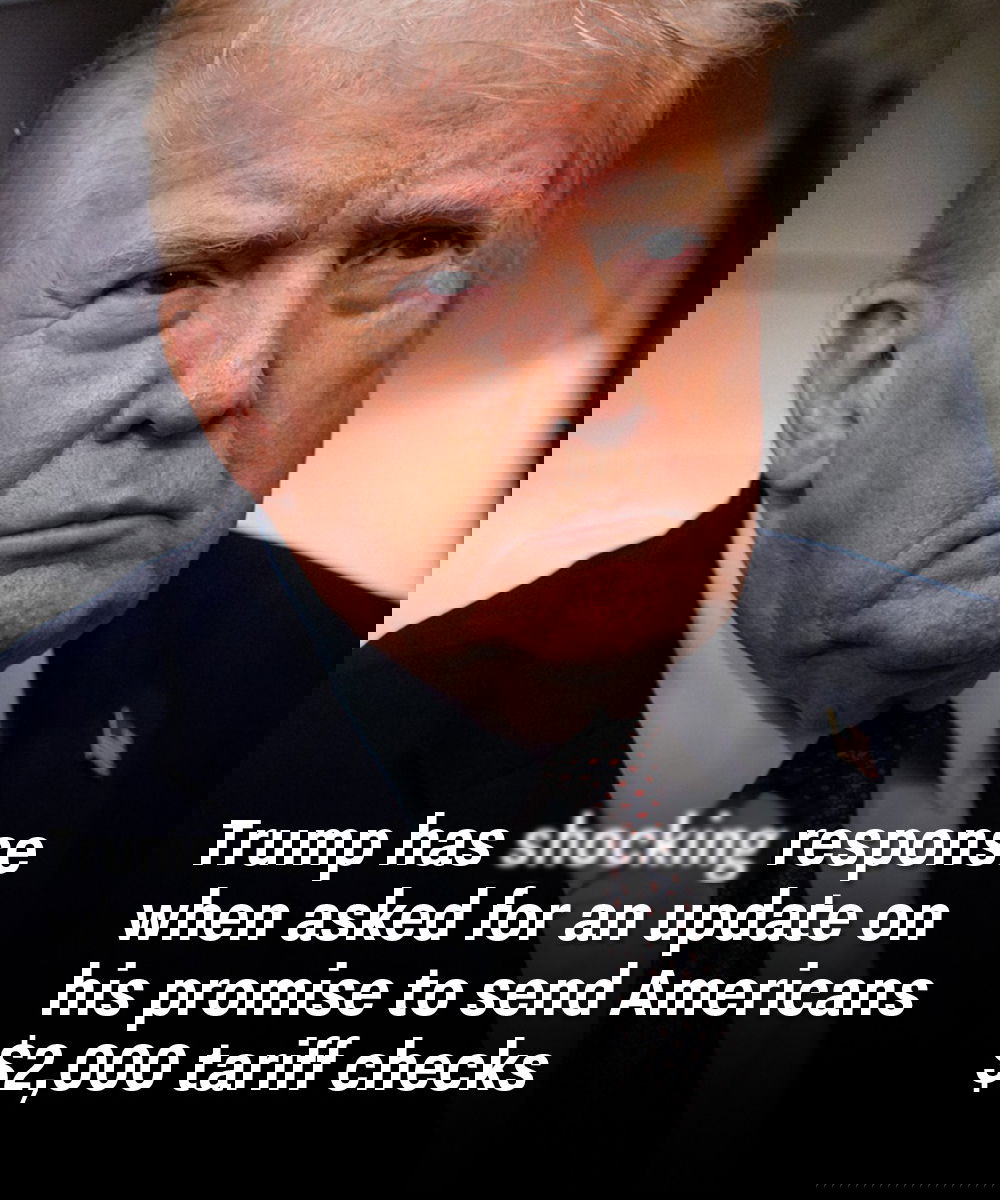
Things took an awkward turn when Katie Rogers from The New York Times brought up the promise, reminding Trump of his previous statements.
He initially suggested that these checks would be distributed ahead of the 2026 midterm elections, but appeared confused and asked, “I did do that? When did I do that?”
After a brief pause, Trump clarified he had been thinking of another initiative, which involved a $1,776 bonus for service members.
Despite this confusion, Trump assured that the $2,000 payments remained a possibility later in the year, attributing this to the significant tariff revenue he anticipates the government will receive.
Trump Discusses Tariff-Funded Payments to Americans
The promise to provide $2,000 payments to middle- and lower-income Americans was initially linked to the funds collected from tariffs implemented by President Trump.
Although the exact timing of these payments is still unclear, Trump spoke to reporters, emphasizing that the incoming tariff revenue would make these payments feasible. He remarked, “The tariff money is so substantial that’s coming in, that I’ll be able to do $2,000 sometime, I would say, toward the end of the year.”
However, there are concerns about whether sufficient funds will be generated to support this plan. According to the Committee for a Responsible Federal Budget, distributing $2,000 checks to most Americans would cost approximately $600 billion, surpassing the anticipated tariff revenue.
As of the end of September, tariffs had raised $90 billion, which is insufficient compared to the estimated cost of the proposed payouts.
Challenges: Legal Issues and Inflation Fears
The ongoing legal challenges concerning the tariffs could influence whether these promised checks will ever be delivered.
The U.S. Supreme Court is soon expected to deliver a decision on the tariffs’ legality. Should the ruling go against the administration, there is a possibility of the tariff revenue being refunded.
Additionally, the concept of using tariff revenue for funding checks has sparked concerns about inflation.
Treasury Secretary Scott Bessent has warned about the inflationary impact of such a payout, advising Americans to save the money instead of spending it, if it becomes available.
Several Republican lawmakers have echoed these concerns, noting that payments funded by tariffs could worsen the current inflation scenario, which remains an ongoing issue even if less severe than previous years.