A familiar photo returns to the spotlight
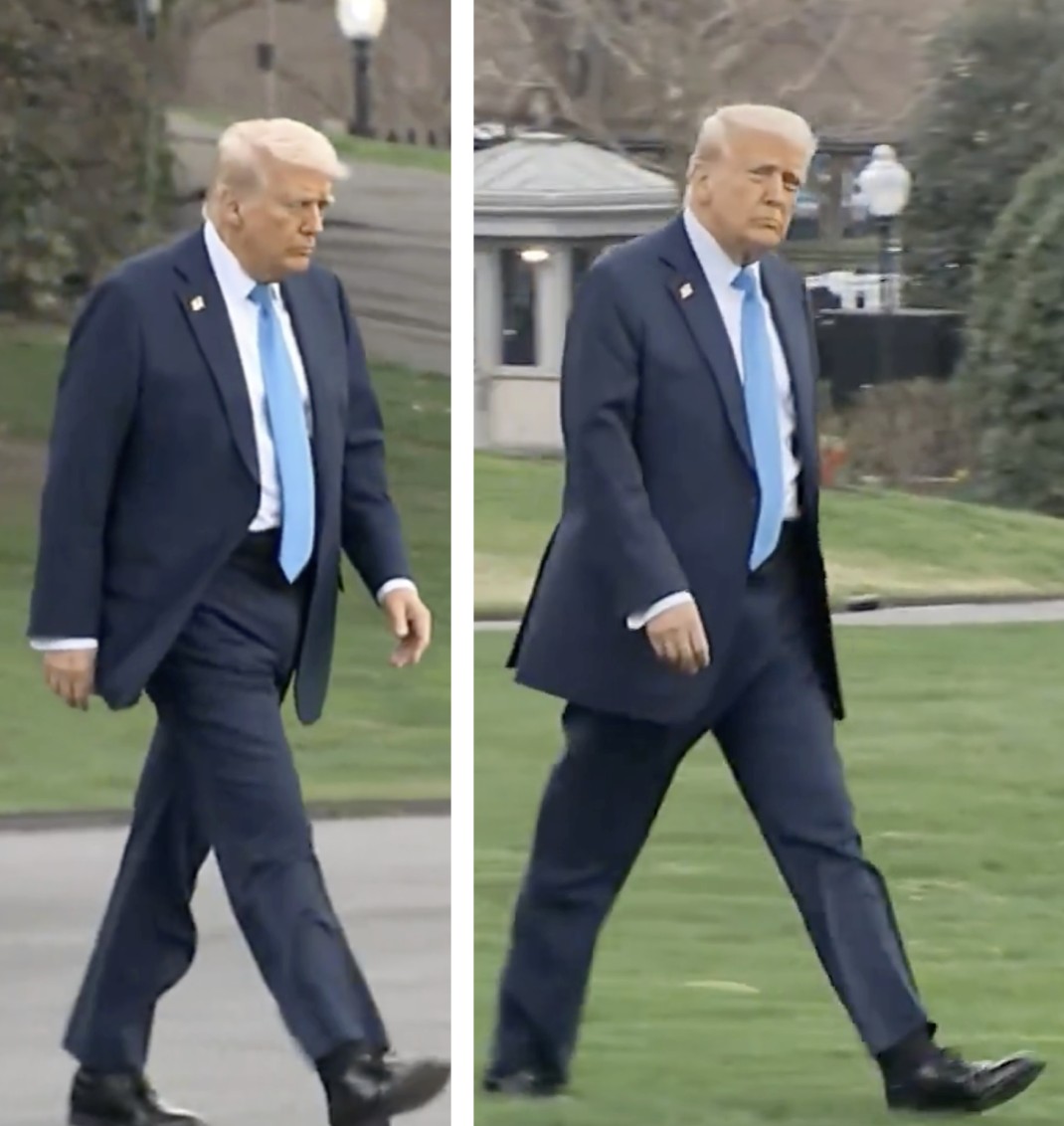
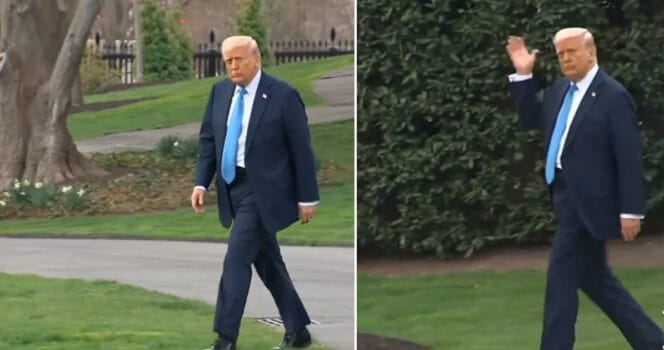
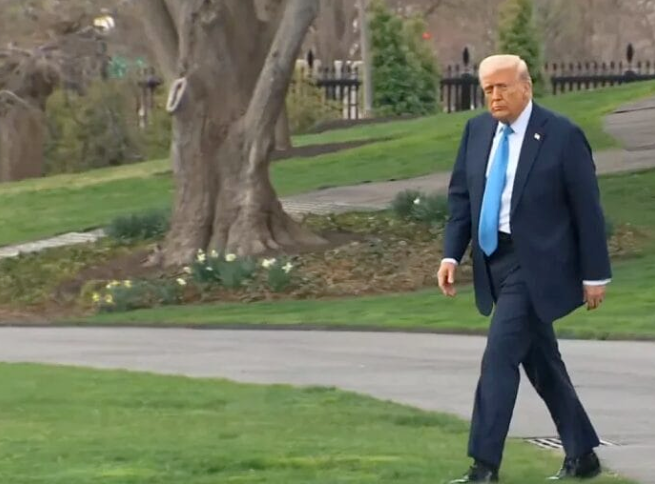
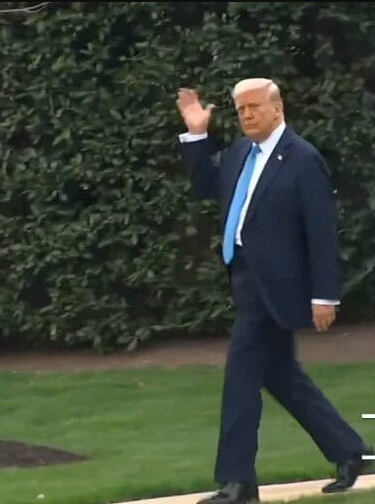
Images of Donald Trump walking across the White House South Lawn toward Marine One, first widely shared in 2025, are circulating again. What has people talking this time is the same detail that drew attention when they first appeared: to many eyes, he looks noticeably slimmer, and his suit appears to hang more loosely than usual.
When pictures from the president’s public moments resurface, they often come with fresh conversation. In this case, the renewed interest in the Marine One photos aligns with ongoing chatter about President Trump’s health in 2026. Earlier this month, an online rumor claimed he had been taken to Walter Reed Medical Center. After several hours of speculation, the White House denied that report. Trump has continued to say he is in excellent shape.
Age has been a steady part of the discussion. At 79, Trump became the oldest person to take the oath of office when he was sworn in last year. He has long been sensitive to questions about his fitness, especially after frequently criticizing his predecessor Joe Biden’s stamina and acuity. As a result, every new public appearance is scrutinized more closely than most, and photos like these carry an outsized weight in the public imagination.
Why this particular walk to Marine One stands out
There is something about the quiet, steady walk across the South Lawn that invites attention. The setting is familiar, the steps are visible, and the images are clear enough for people to look closely and form impressions. In these photos, supporters and casual observers alike say they notice a trimmer figure and a jacket that seems to drape a bit more. In a world where a single frame can travel faster than any official statement, such details can shape a storyline nearly overnight.
Photos, of course, are only snapshots. Camera angles, lighting, wind, posture, tailoring, and even the way a person holds their shoulders can make a big difference in how someone appears. Yet these Marine One images keep returning because they fit a narrative many people already carry with them—either that Trump looks energic and strong or that sudden physical changes might merit caution. Both reactions, often sincere, help keep the pictures alive online.
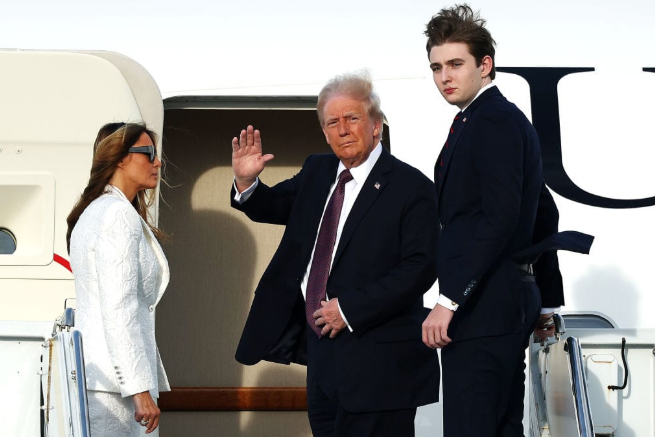
For those who believe Trump’s own assurances that he is fit and ready to serve, the images feel like confirmation. Supporters point to the brisk walk, the posture, and the seemingly leaner silhouette as signs that he is taking care of himself. They argue that these moments show a president who is focused and vigorous, in tune with the demands of the job.
Others view the same photos differently. They see a change that, while possibly positive, could also raise fair questions—particularly given the president’s age. Weight can fluctuate for many reasons, and for older adults, noticeable shifts sometimes prompt speculation in both helpful and unhelpful ways. Without medical context, the appearance of a change can be hard to interpret, and that uncertainty can fuel more conversation than clarity.
“Looking healthier” and “cause for concern,” side by side
As the 2025 Marine One photos resurface, reactions online have split along familiar lines. Many people say Trump looks healthier and more energetic, with some insisting he appears to be “aging in reverse.” Others urge restraint, noting that it is unwise to draw conclusions from a few images. Both perspectives reflect a broader truth of life in the public eye: the same picture can tell different stories depending on who is looking and what they expect to see.
A friendly and reasonable way to approach this is to remember that photographs are not medical reports. Doctors evaluate health with history, exams, and tests, not snapshots from a distance. At the same time, it is perfectly natural for people to notice changes and talk about them, especially when they involve a well-known figure. For many adults, particularly those between 45 and 65, the topic resonates because they have seen firsthand how small lifestyle adjustments—a bit more walking, a tweak in diet, fewer late-night snacks—can lead to visible results over time.
In older adults, weight can change for all kinds of reasons, from routine choices like diet and daily activity, to factors such as stress, sleep, travel, medication, and hydration. Some changes are temporary; others are part of a longer trend. Without reliable medical information, it is impossible to know the cause from the outside looking in. That is why the most practical approach is to observe carefully, avoid rushing to judgment, and wait for solid information when it becomes available.
Diet talk, rumors, and the internet rumor mill
Whenever a public figure appears to gain or lose weight, talk of diets and medications quickly follows. With these photos, much of the conversation online centers on possible dietary changes or theories about weight-loss drugs. None of those claims are verified, and most come only from commenters and social media posts—places where speculation can spread in minutes.
Trump has, at times, spoken about adjusting his eating habits. Over the years, media stories have also suggested that the First Lady encouraged a more disciplined routine around meals and general lifestyle. Those accounts sit alongside a very public image of Trump enjoying fast food, from fried chicken to burgers and fries. The two pictures—more disciplined at times, indulgent at others—are not necessarily at odds. Many people in midlife and beyond understand that eating patterns can be flexible, changing with schedules, stress, travel, or the comfort of familiar favorites.
Trump’s affection for fast food has been widely chronicled. He has been photographed on his private jet with a bucket of KFC, and posts have shown him eating McDonald’s burgers and fries. Two of his former campaign advisers once quipped that his plane carried what they called the “four major food groups”: McDonald’s, Kentucky Fried Chicken, pizza, and Diet Coke. The New York Times even reported that he drank as many as a dozen cans of Diet Coke a day, and that during his White House years he had a button on his desk to request a fresh can on demand.
Set against those stories of fast food and soda is the reality that habits can evolve. Many people, especially as they get older, try small changes first—adding a walk after dinner, cutting back on sugary treats during the week, swapping in more water, or choosing grilled over fried foods now and then. Those adjustments can lead to a modest difference in how someone looks and feels. Whether that is what explains the Marine One photos is unknown, but the idea itself is simple and familiar to anyone who has watched a spouse, a friend, or themselves make gradual, sustainable shifts.
How a single set of images keeps coming back
Part of what makes these photos endure is the way social media favors familiar content that stirs emotion. The Marine One shots were originally shared by MAGA supporter Bo Loudon and have since been reposted repeatedly, particularly on conservative Facebook pages. Each time they appear, they take on a new layer of meaning based on what is happening that week—whether it is a speech, a news event, or another round of questions about the president’s health.
On social platforms, repetition builds recognition, and recognition often builds belief. People begin to treat the images as shorthand: a quick way to signal confidence or doubt about Trump’s stamina. That is why an old picture can feel freshly relevant whenever the national conversation turns back to health and fitness. In a post that went viral, for example, the photos were paired with a short video and the caption that he appears to have lost weight and looks youthful, concluding with the line “78 is the new 28” and the phrase “AGING IN REVERSE!”
🚨BREAKING: This video of President Trump is going viral due to amount of weight he appears to have lost and his youthful appearance.
78 is the new 28.
AGING IN REVERSE! pic.twitter.com/3mbpkGR8GC
— Bo Loudon (@BoLoudon) March 28, 2025
In that sense, the photos have become more than a record of one afternoon on the South Lawn. They are a recurring reference point—a visual touchstone people pull out when they want to make a case, either for a president who looks strong or for a conversation about what changes in appearance might mean.
Reading photos with a careful eye
Anyone who has ever looked at old family albums knows how much a single picture can leave out. A still image says something true about one instant, but not always about the hours, days, or weeks around it. A brisk stride could reflect a good day, a new suit could drape differently than an old one, and a gust of wind might tug a jacket just enough to suggest a slimmer frame.
The same caution applies when rumors rise and fall online. Not every claim is rooted in fact, and many are posted without direct sourcing. The smartest habit—especially for those of us who have grown up evaluating news across television, newspapers, radio, and now the internet—is to look for what can be verified. In this case, the White House denied the recent rumor about a hospital visit, and there has been no official medical update beyond the president’s own assurances. That does not end the conversation, but it does offer a baseline for what is known and what is merely guessed at.
It is also worth remembering that most people in their late 70s experience natural ebbs and flows. Travel schedules change sleep patterns. Stress can nudge eating habits one way or the other. Medications can affect water retention. Even the simple act of walking more in a given week can show up on the scale. For many readers in their 40s, 50s, and 60s, these realities are familiar and personal. They help explain why a person might look a bit different in spring than they did in autumn, without implying anything dramatic.
What seems clear—and what does not
Here is what can be said with confidence. The Marine One images from 2025 have once again gone viral. Many viewers believe they show a slimmer, healthier-looking Donald Trump. Others look at the same photos and say that changes in appearance should not be overinterpreted, especially without medical context. The White House recently denied an internet rumor that the president was taken to Walter Reed. Trump maintains that he is in excellent health.
What cannot be confirmed from photos alone is the cause of any perceived change. Diet, exercise, tailoring, lighting, posture, camera angle—any and all might be part of the story. Without a thorough medical assessment that is made public, the rest remains speculation. That does not make the discussion illegitimate; it simply means it is wiser to treat the images as interesting rather than definitive.
For those who appreciate straightforward guidance, a gentle rule of thumb helps: enjoy the photos, note what you see, and wait for verifiable information if health becomes more than a matter of appearances. It is perfectly reasonable to hope a president looks and feels strong. It is also perfectly reasonable to avoid firm conclusions until facts take the place of guesswork.
Why the conversation keeps going
The reason these pictures keep getting shared is simple. They carry a story that people want to tell. To some, they say the president is vigorous and youthful for his age. To others, they open a door to questions and caution. In a time when images spread faster than any press conference, that push and pull is likely to continue.
Every time new photos or videos of Trump appear—whether stepping off a plane, standing at a podium, or crossing a lawn—the same pattern follows. Supporters highlight what looks strong; skeptics highlight what seems uncertain. The Marine One images have become a convenient place to start that debate because they are clear, familiar, and easy to compare with more recent appearances.
If there is a helpful takeaway for readers, it is this: aging in public is difficult, and judging health from a few moments on camera is even harder. Over the months ahead, more images will surface, more clips will circulate, and the conversation will keep evolving. In the meantime, a little patience goes a long way, and so does a bit of empathy—for public figures and for each other—as we all navigate how quickly impressions can form in a world led by photos and screens.
The bottom line
These Marine One photos endure because they offer a vivid, uncomplicated scene that people can interpret in different ways. They may show a trimmer suit and a lighter step, or they may simply capture a good angle on a breezy day. Either way, they have become part of a larger, long-running story about Donald Trump’s health and stamina—one that blends observation, hope, caution, and speculation.
For now, the most grounded view is also the simplest. The White House has pushed back on dramatic rumors. The president says he is in excellent shape. Supporters feel buoyed by what they see in these images. Others remain watchful, careful not to read too much into a single scene. As more public appearances come and go, fresh photos will add to the discussion, but the wisest judgments will still rest on clear facts rather than fleeting impressions.
Until then, the walk to Marine One is likely to keep reappearing in our feeds—a brief, familiar moment that invites us to look closely and, just as importantly, to pause before we decide what it means.