A tense moment during a high-profile meeting
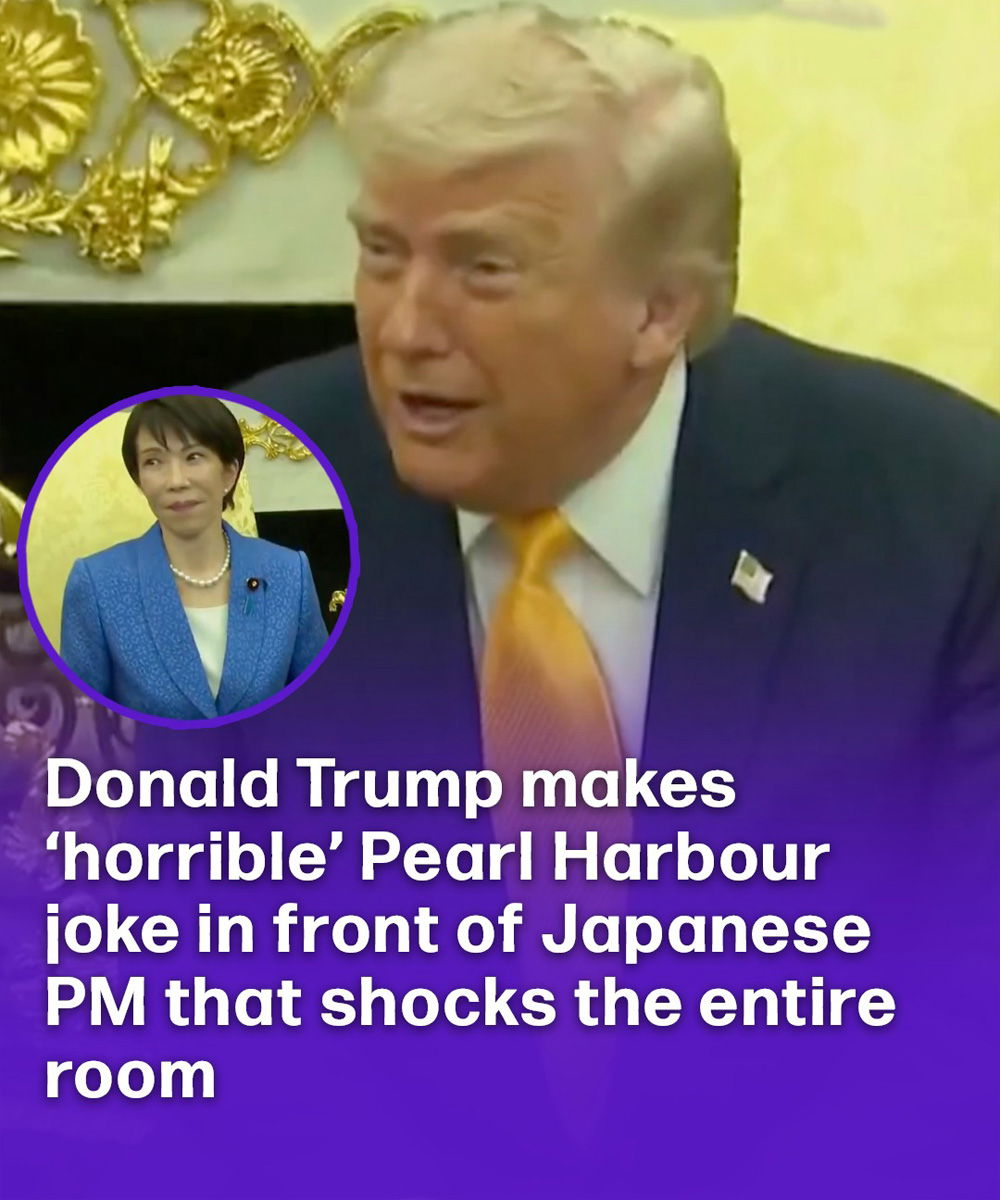
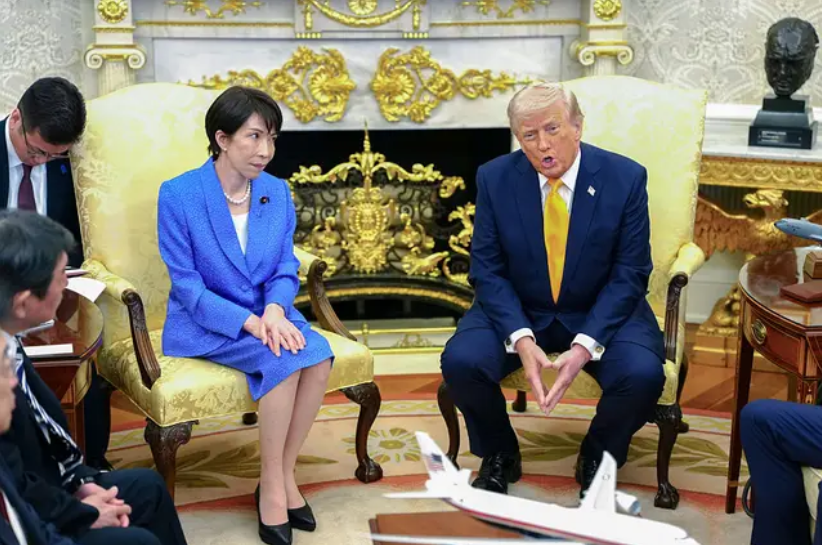
During a press briefing alongside Japanese Prime Minister Sanae Takaichi, President Donald Trump made a remark that immediately shifted the tone of the room. What began as a routine exchange with reporters turned uncomfortable when the president referenced the 1941 attack on Pearl Harbor while discussing the importance of operational secrecy in military decisions. For those present, and for many who later watched or listened to the exchange, the moment underscored how quickly history can surface in modern diplomacy—and how sensitive it remains.
The briefing had been moving along briskly when a Japanese journalist asked the president why the United States had not shared advance notice of its plans related to military action against Iran. In response, the president emphasized that secrecy can be essential to the success of certain operations. He said the United States “went in very hard” and did not inform allies ahead of time because “we wanted surprise.”
Then came the line that changed the atmosphere. The president added, “Who knows better about surprise than Japan?” The comment drew a few uneasy laughs from some U.S. officials in attendance. But what followed quieted the room. Turning toward Prime Minister Takaichi, he said, “Why didn’t you tell me about Pearl Harbor, OK?” In an instant, you could sense the discomfort. A single audible groan was heard, and then silence settled over the space.
From uneasy laughter to silence
After the comment about Pearl Harbor, the president resumed answering the original question and returned to his central point about maintaining secrecy. He spoke about how surprise can affect outcomes on the battlefield, suggesting that by not sharing plans in advance, the United States achieved more than anticipated. He indicated that if too many people had been informed beforehand, the element of surprise would have been lost. The explanation echoed a clear military principle, but the way it was framed—paired with the reference to one of the most painful days in American and Japanese history—left many unsettled.
For those who remember the gravity of Pearl Harbor and the World War II years that followed, the discomfort in the room was understandable. Even all these decades later, the events of December 7, 1941, carry deep emotional weight for Americans and Japanese alike. Mentioning the attack in a joking tone, particularly in the presence of Japan’s leader, struck many as a misstep.
Why Pearl Harbor remains a deeply sensitive subject
The attack on Pearl Harbor took place on the morning of December 7, 1941. Hundreds of Japanese aircraft launched a surprise strike on the U.S. naval base in Hawaii, leaving a trail of destruction that shocked the nation. President Franklin D. Roosevelt would later describe it as “a date which will live in infamy,” words that still resonate through history books and memorials today. Four U.S. battleships were sunk and several others were severely damaged. In the span of just a few hours, the balance of world events shifted, and the United States entered World War II in full.
More than 2,400 American service members and civilians lost their lives that day. It was the deadliest attack on U.S. soil until the events of September 11, 2001. The USS Arizona, one of the battleships struck, suffered a catastrophic explosion when a bomb pierced its deck and ignited a magazine below. The blast tore through the vessel, instantly killing 1,177 sailors and Marines aboard. Many of those who died remain entombed within the wreckage, which rests on the harbor floor. Today, the site is a sacred war grave and a place of solemn remembrance for visitors from around the world.
Despite the massive damage, the U.S. Navy mounted a remarkable recovery effort. Seven of the damaged ships were eventually refloated, repaired, and returned to service. The nation rallied, industry mobilized, and families across America adjusted their lives to support the war effort. The attack not only changed the course of the war but also the lives of millions who would go on to serve overseas and on the home front. For many families, especially those with parents or grandparents who lived through the war years, the memory of Pearl Harbor is not just a line in a textbook—it is part of family history.
How the exchange unfolded at the briefing
It was against this historical backdrop that the briefing moment took place. The journalist’s question was straightforward: Why had U.S. allies, specifically Japan, not been told in advance about the military action against Iran? The president answered by emphasizing the value of surprise in achieving tactical goals. He remarked that because of that surprise, more was accomplished than expected. He then suggested that telling everyone ahead of time would have diminished the mission’s impact.
But the brief aside—“Who knows better about surprise than Japan?”—and the follow-up—“Why didn’t you tell me about Pearl Harbor, OK?”—landed heavily in the room. Even for those well-versed in political theater, the moment stood out. Humor in diplomacy is often a high-wire act; what one person views as light-hearted, another can experience as painful or out of place.
Reactions in the room and online
In the room, the mood changed quickly. One attendee was heard groaning, and then there was quiet. Later, reactions made their way onto social platforms. One person on X described Prime Minister Takaichi as “obviously upset” and called the comment unnecessary. Another observer accused the president of openly insulting Japan. While such reactions often represent just a slice of public opinion, they illustrated that for many, invoking Pearl Harbor in this context felt inappropriate.
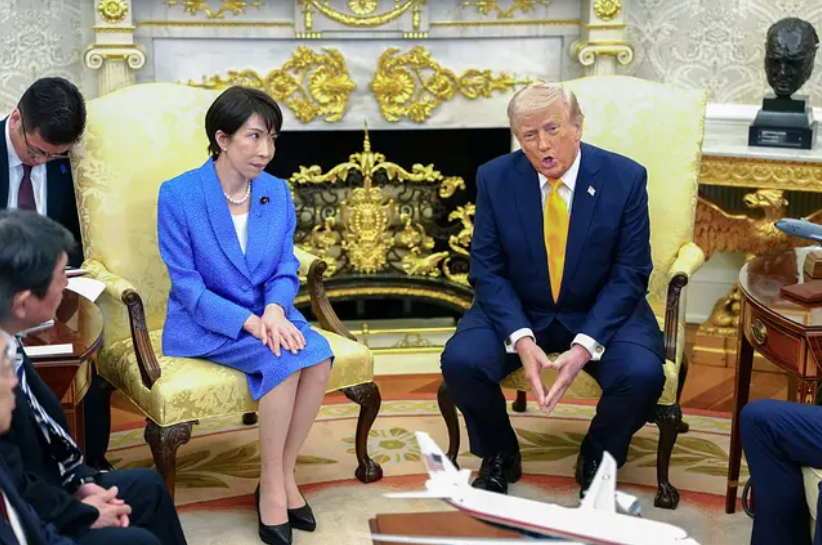
As video and audio clips of the press briefing circulated, people revisited the exchange, some focusing on the president’s underlying point about operational secrecy, others on the choice of words. For those who value decorum and the respectful handling of history—especially moments of shared tragedy—the comment served as a reminder that words can carry heavy echoes.
Why words matter in diplomacy
Diplomatic meetings are about more than policy details. They are also about tone, respect, and the signals leaders send to each other and to the world. Casual remarks can take on outsized meaning when they touch on trauma or national memory. In this case, the attempt to highlight strategic surprise by referencing a surprise attack that led to enormous loss of life was widely seen as ill-chosen. Even when intent is not to offend, historical references can reopen wounds or cast a shadow over otherwise productive discussions.
None of this erases the president’s main argument about secrecy and surprise as factors in military planning. Throughout history, commanders have weighed the benefits of sharing plans with partners against the risks of leaks and reduced effectiveness. The challenge is explaining those choices in a way that respects allies and recognizes the gravity of the history that binds nations together.
Remembering the lives lost at Pearl Harbor
For older Americans in particular, the memory of Pearl Harbor remains vivid. Many remember parents or grandparents who served during World War II, or who worked in factories, shipyards, and on farms to support the war effort. Stories of ration books, gold stars in windows, and telegrams that changed families forever remain part of our national story. The Pearl Harbor memorials are quiet places, marked by the names of the fallen and the stillness of the waters where the USS Arizona rests. Visitors often speak in hushed tones, aware they are standing where history turned sharply and where so many were lost.
When leaders speak about this chapter, their words are heard not only by diplomats and historians but also by veterans and families who still feel the weight of that day. That is why references to Pearl Harbor, especially when framed as jokes, can sting. The past is not past for those who live with its legacy.
U.S.–Japan relations today
Today, the United States and Japan are strong partners. From security cooperation to trade and cultural exchange, the relationship has grown deeper over decades. Although Japan has never formally apologized for December 7, the late Prime Minister Shinzo Abe offered “sincere and everlasting condolences” for those killed during the war. Gestures like that, along with regular meetings, joint exercises, and people-to-people connections, have helped the two nations move forward from the hostilities of the 1940s to a close alliance in the present day.
That progress rests on mutual respect and careful communication. Each country brings painful memories to the table—Americans remember Pearl Harbor, and Japanese remember the devastating end of the war. Navigating that shared past requires empathy. When leaders acknowledge history with care, it can strengthen trust. When they do not, even brief moments can linger and spark controversy.
The balance between secrecy and trust
The question that prompted the exchange—why the United States did not brief allies in advance—highlights a perpetual balancing act. On one side is the need for secrecy to protect operations and save lives. On the other is the value of transparency with partners who share risks and responsibilities. Different situations call for different approaches, and reasonable people can disagree on when and how much to share. Still, how leaders explain those choices can be as important as the choices themselves.
In his answer, the president stressed that keeping the plan tightly held increased its effectiveness. He suggested that the results were more substantial precisely because of the element of surprise. He also argued that informing many people ahead of time could have compromised the mission. Those points reflect strategic thinking that military planners have debated for generations. Yet the addition of a quip about Pearl Harbor overshadowed the intended message, reminding everyone that context and phrasing matter—especially when historical trauma is involved.
How the moment will be remembered
Some moments in public life pass quickly; others leave a mark. This one will likely be remembered for the visible discomfort it caused and for the broader conversation it sparked about respect, history, and the language of leadership. It is possible that those in the room will chalk it up to an offhand attempt at humor in a pressure-filled setting. Still, for many observers, it served as a cautionary tale: even a few words can carry the weight of the past and shape how allies feel about one another.
It also underscored how deeply interwoven the United States and Japan have become. Because the relationship is close, moments like these attract particular attention. They are reminders that partnership requires care, not only in policy but in tone. Respect is not just a matter of agreements signed or meetings held. It is reflected in the way leaders speak about each other’s histories and losses.
Looking ahead
As clips of the briefing continue to circulate, people will draw their own conclusions about what was said and how it was received. For some, the focus will remain on the merits of keeping military plans closely guarded. For others, the takeaway will be the importance of speaking about history with care, especially in front of those most connected to it. In the end, both insights are worth holding onto: strategic decisions are often made under intense pressure, and words, too, have consequences.
With that in mind, the path forward for both nations remains the same as it has been for decades—working side by side on shared challenges and honoring the past without reopening old wounds. The alliance endures not because it ignores history, but because it acknowledges it and builds something stronger in its wake. In rooms where the future is discussed, a measure of humility about the past can make all the difference.
A final word on remembrance
Seventy-five years and more have passed since the attack that changed the course of the 20th century, but the lessons remain. When we speak about Pearl Harbor, we speak about sacrifice, service, and the cost of war. We speak about families who waited by radios and read the morning papers with trembling hands. We speak about the courage of those who rushed to save their shipmates, and of those who carried the memory of that morning for the rest of their lives. That story deserves to be told with care. And for leaders, it offers a simple guide: choose words that honor the people who lived through it, and the many who did not come home.