Many individuals might experience a white coating on their tongue at some point. This condition can occasionally come with bad breath and a dry mouth.
Sometimes all it takes to clear it up is a good brushing of your teeth. But what if brushing doesn’t work?
Note: This article is intended for informational purposes only and should not be considered medical advice. Always consult with a healthcare specialist for specific concerns.
Understanding White Tongue
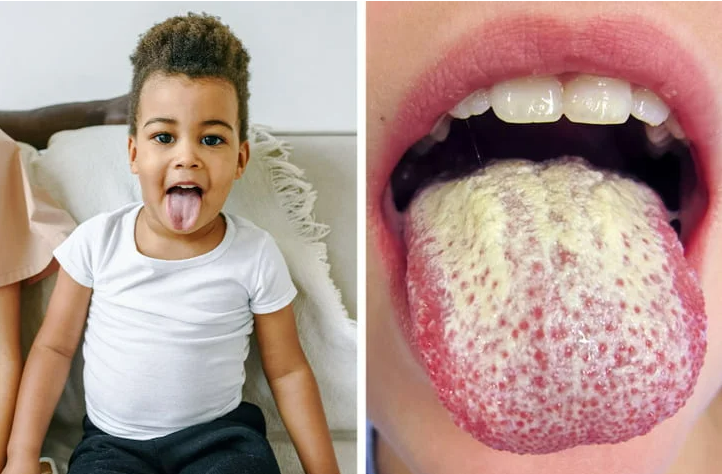
The white coating can cover parts of the tongue or appear in patches. Alongside, you might notice a peculiar taste or smell inside your mouth.
It often looks as though there are tiny white hairs on the tongue’s surface. In reality, these are the tongue’s taste buds covered with deposits from food particles, bacteria, and dead cells.
While white or sometimes yellowish plaque on the tongue may appear for various reasons, such as irritation or infection, it usually resolves on its own in a few days.
If the condition persists beyond a couple of weeks and includes pain during eating or speaking, it is advisable to consult with a healthcare professional.
It’s important to remember that the plaque isn’t always white. A pink tongue is normal; however, a brownish tongue might indicate high coffee or tea consumption, a yellowish hue could signal liver issues, and a reddish tongue might suggest a vitamin B deficiency.
Causes of a White Tongue
Typically, a white tongue results from an accumulation of bacteria, bits of leftover food, or dead cells lodged between the taste buds.
These accumulations might cause the taste buds to swell or become inflamed, leading to the appearance of white patches.
Occasionally, underlying health conditions may contribute to the development of white plaque.
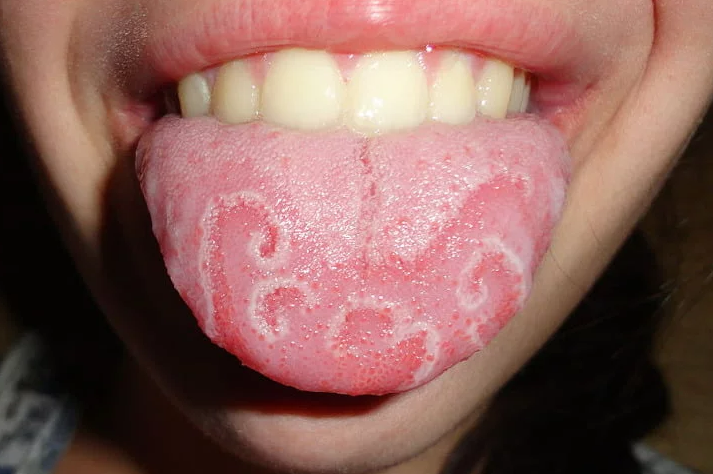
A condition known as “geographic tongue” can also cause white patches to appear. Though rare, and with causes unclear, it tends to be linked to consuming foods that irritate the tongue. It may also respond to stress, illness, or hormonal shifts.
Factors Contributing to White Plaque on the Tongue
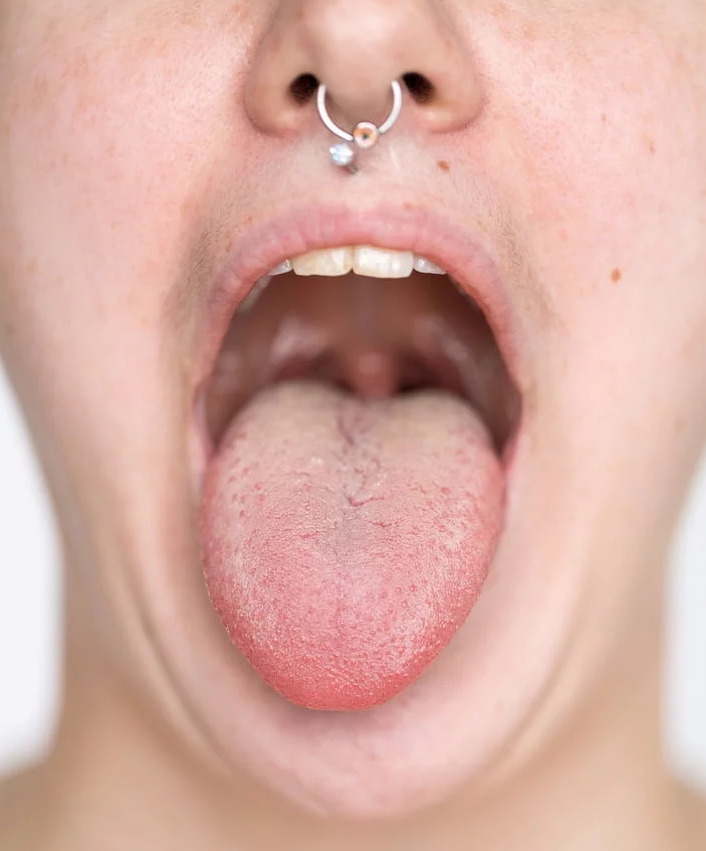
Several factors can increase the likelihood of developing a white coating on the tongue:
The Relationship Between Tongue Piercings and White Tongue

Following a tongue piercing, a white coating might initially develop.
This occurs because of an increase in bacterial presence, which is typically normal at first.
Utilizing antibacterial mouthwash can help the condition improve. Additionally, a ring around the piercing, indicative of healing tissue, may be present.
If the white coating appears following an injury or piercing, it should begin to heal in about a week and a half. During this time, it’s best to avoid irritants such as hot, spicy, or sour foods and beverages.