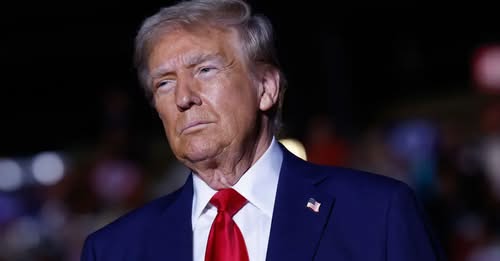
Understanding the $2,000 Payout Initiative
On November 9th, President Donald Trump, now 79, announced through social media that nearly every American would receive a “dividend of at least $2,000.” He attributes this ability to the wealth generated from his tariff policies, which he claims have positioned the U.S. as the “richest, most respected country in the world.”
Trump is emphasizing the perceived success of these tariffs, which he credits for causing almost no inflation, record stock market prices, and the highest 401k values ever recorded. He foresees these developments leading to significant steps in reducing the U.S. national debt, currently at $37 trillion, due to the influx of funds.
The president’s remarks highlight an apparent boom in investments within the U.S., with the emergence of new plants and factories across the country.
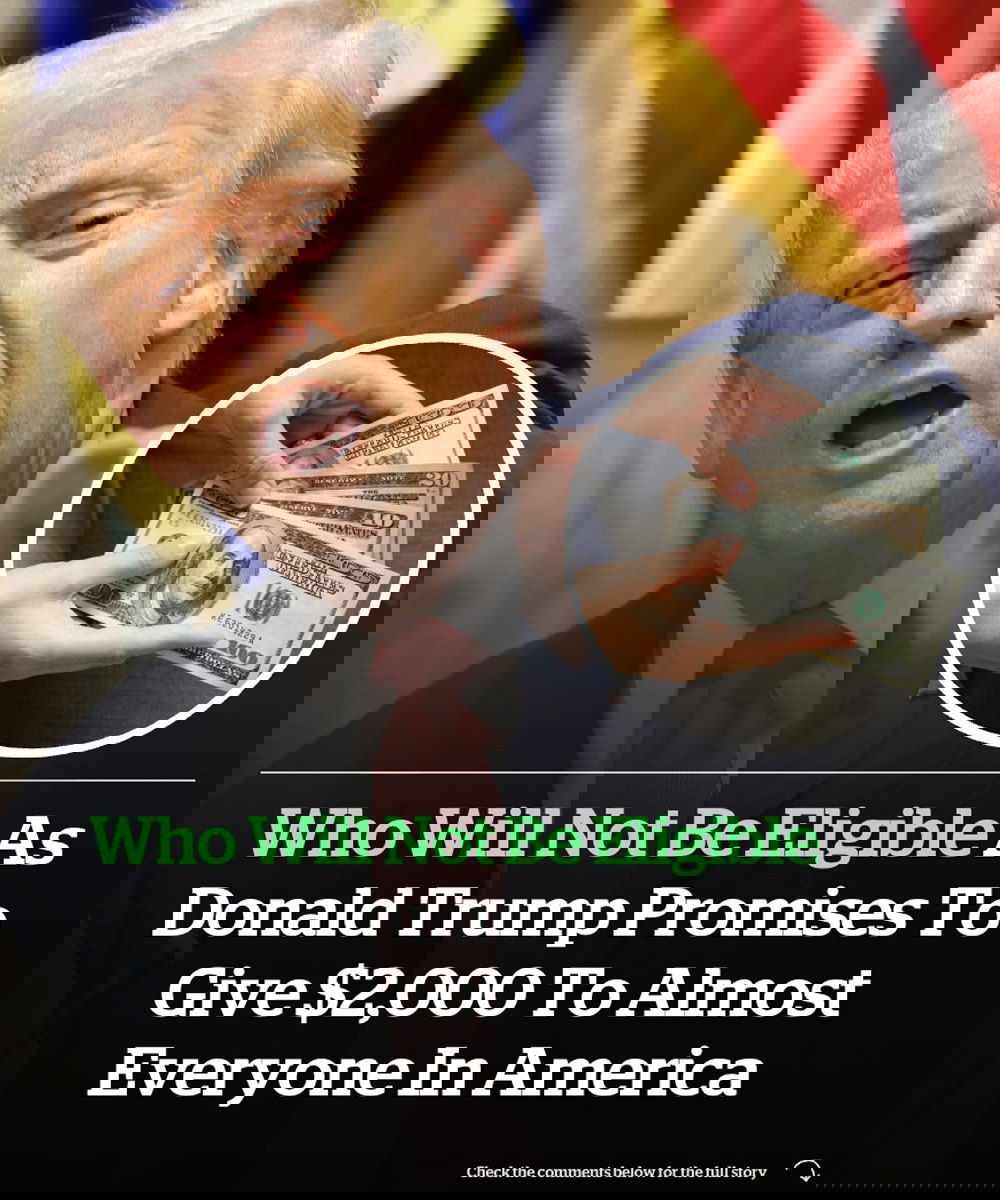
Who Might Miss Out?
While this enticing payout sounds promising, it comes with unspecified exclusions. Trump mentioned that “high-income people” wouldn’t be eligible, but he didn’t define what “high income” means, leaving many guessing.
This lack of detail keeps the public in suspense about exactly who will reap the benefits of the promised $2,000.
Relying on Tariff Revenues
The prospect of a mass payout has its roots in Trump’s controversial tariff strategy, which he argues will not only boost manufacturing and domestic investments but also serve as the financial backbone for such initiatives.
However, these tariffs have faced criticism and are tangled up in legal proceedings, as the Supreme Court is considering arguments about the validity of using emergency powers to impose broad tariffs. Some lower court rulings have already questioned the legality of these tariffs.
If these legal challenges succeed, the tariff revenues that Trump counts on to finance these payments could be jeopardized.
Cost Considerations and Legal Complexities
Though the idea of receiving $2,000 is appealing, experts warn that significant obstacles stand in its way. Financial analysts have expressed doubts about the feasibility of such extensive payouts, given their costly nature.
Preliminary cost estimates range from $300 billion to more than $500 billion, hinging on who qualifies and whether children receive payment shares.
If the threshold for “high income” were set at $100,000, around 150 million adults might qualify, resulting in an approximate $300 billion outlay, according to economist Erica York.
Yet, with the tariffs only generating about $90 billion in net revenue, there’s a clear shortfall between funds available and the promised amounts.
The financial gap isn’t the sole concern. If courts deem the tariffs illegal, the collection of the revenues crucial for these payouts could collapse.
Lingering Uncertainties
Despite this bold promise, significant information gaps persist as Trump hasn’t provided specifics on when the $2,000 payments might occur or clearly defined eligibility criteria.
The lingering uncertainty about the definition of “high income” leaves many wondering if they’ll benefit from this initiative.
Until concrete details emerge about the funding, eligibility, and payout timelines, there’s no certainty about when Americans might actually see this cash.
The feasibility of Trump’s proposal not only relies on economic conditions but also on continuing the success of his tariff policies, which are currently under intense legal examination and might not sustain future pressures.