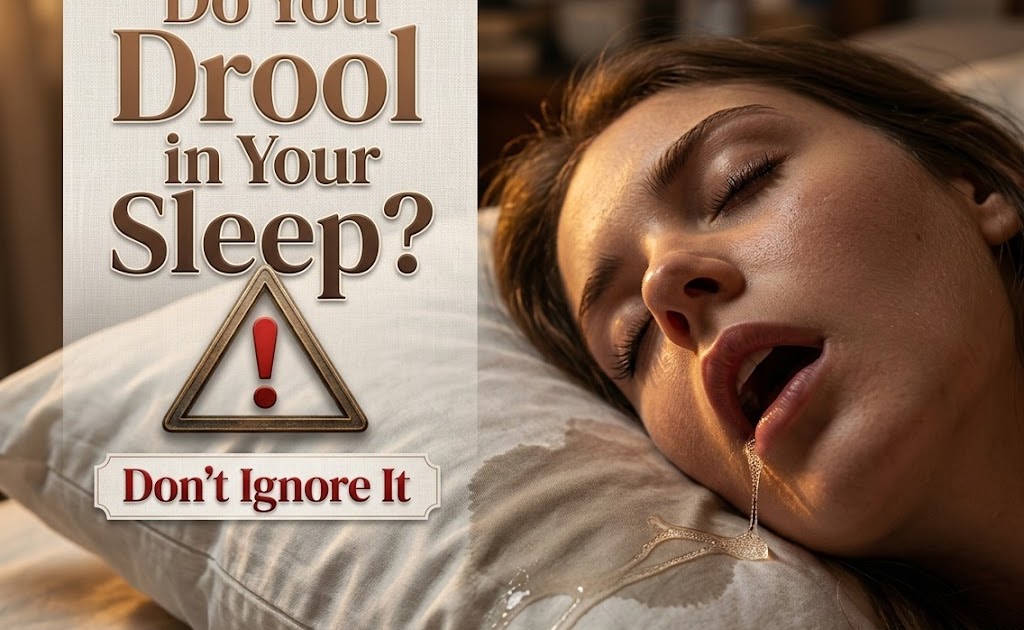
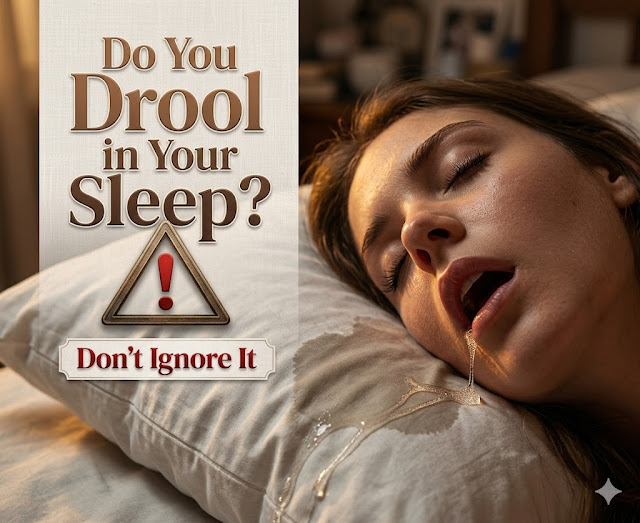
Waking up to a wet pillow can be frustrating, a little embarrassing, and surprisingly common. If you are between 45 and 65, you might notice drooling at night more now than you did years ago.
The good news is that in most cases there are simple, practical steps that can reduce or even stop nighttime drooling for the long term. This guide explains why it happens, what you can do at home, and when to talk with a professional for lasting relief.
Nighttime drooling, sometimes called sialorrhea, happens when saliva escapes from the mouth while you sleep. Everyone makes saliva, and we need it for healthy teeth, easy swallowing, and comfortable digestion. During sleep, especially in deeper stages, the swallowing reflex slows down. If the mouth falls open or saliva pools in the cheeks, it can trickle out. For many people, a few small changes in breathing, sleeping position, or bedtime habits can make a big difference.
Why drooling happens while you sleep
Saliva production is normal and healthy. Your salivary glands make about a pint each day, with the flow slowing down overnight. Even with that slowdown, gravity and a relaxed jaw can allow saliva to pool. If your nasal passages are stuffy and you breathe through your mouth, drooling becomes much more likely. If you sleep on your side or stomach, saliva can naturally find its way out of the corner of your mouth.
Many adults notice changes in saliva and swallowing as they age. Dentures or changes in the bite can affect how the lips seal. Some medicines thicken or thin saliva. Reflux can irritate the throat and stimulate more saliva. Neurological conditions can reduce the coordination of swallowing. Understanding which of these apply to you is the first step toward a lasting solution.
Common, fixable reasons for nighttime drooling
Nasal congestion is one of the biggest triggers. Allergies, chronic sinus issues, a deviated septum, or a lingering cold can force mouth breathing. When the mouth stays open for hours, saliva has an easy path out. Clearing the nose and improving nasal airflow often reduces drooling dramatically.
Sleeping position plays a major role. Side and stomach sleeping encourage saliva to collect at the edges of the lips. Back sleeping, with the head and neck supported, keeps saliva moving toward the throat where small, natural swallows handle it during the night.
Acid reflux and heartburn can also contribute. Stomach acid that backs up into the throat can trigger your body to produce more saliva to protect the tissues. Late meals, spicy foods, large portions, and alcohol in the evening tend to make reflux worse and may lead to more drooling.
Medications may affect saliva and swallowing. Some drugs used for memory, mood, or sleep can change how much saliva you make or how easily you swallow. Sedatives and muscle relaxants can loosen the jaw and tongue, leading to a partially open mouth. If you have noticed drooling after starting a new medicine, ask your clinician whether an adjustment is possible.
Dental and denture issues are common contributors. Ill‑fitting dentures, changes in tooth alignment, or gum irritation can prevent the lips from closing fully or can encourage saliva pooling. A dental checkup to fine‑tune fit or bite alignment can help more than you might expect.
Sleep apnea and heavy snoring increase drooling risk as well. Repeated breathing pauses lead to mouth breathing and an open jaw. Treating sleep apnea not only helps overall health and energy but often reduces drooling at the same time.
Neurological conditions, including a prior stroke, Parkinson’s disease, or nerve injuries, can change muscle tone and timing of the swallow. In these cases, targeted therapy and medical treatments can still offer meaningful, long‑term improvement.
Simple changes you can make tonight
Switching to back sleeping reduces the chance of saliva escaping. Use a comfortable, supportive pillow that keeps your head aligned with your spine. Some people do well with a gentle wedge pillow that raises the torso slightly, which can help with reflux too. If you are a habitual side sleeper, try starting on your back each night and adjusting your pillows to make that position feel restful.
Help your nose do the work it was designed to do. A warm shower before bed or a simple saline nasal rinse can open the passages. Keeping the bedroom air lightly humid, especially during dry seasons, soothes the nose and throat and encourages nasal breathing. If allergies bother you, reducing bedroom dust and pet dander and washing pillowcases and bedding regularly can create an easier breathing environment at night.
Give your dinner time to settle. Aim to finish eating two to three hours before bedtime so your stomach is not working overtime when you lie down. If you are prone to reflux, avoid large, spicy, or fatty meals late in the evening. Elevating the head of the bed by several inches or using a wedge under the upper body, not just an extra pillow under the neck, can also calm reflux and cut down on drooling.
Be thoughtful with evening drinks. Alcohol relaxes the muscles in the mouth and throat, encourages reflux, and can leave you sleeping with your mouth open. Cutting back on alcohol close to bedtime is a simple change that often yields quick results.
Stay comfortably hydrated during the day. It may sound odd, but steady hydration helps saliva keep a healthy consistency. If saliva becomes too thick, it can pool rather than be swallowed easily. Sip water through the afternoon and early evening and limit large drinks right before bed so you are not up in the night.
Practice gentle jaw and tongue awareness before bedtime. A few minutes of mindful breathing through the nose with your lips closed can help set a pattern for the night. Rest the tongue lightly against the roof of the mouth just behind the front teeth, which naturally encourages a better seal of the lips.
A note about mouth taping and quick fixes
Mouth taping has become a popular trend for mouth breathing, but it is not right for everyone and can be unsafe. If you have nasal congestion, allergies, a deviated septum, or possible sleep apnea, taping the mouth can make breathing difficult. If you are curious about it, discuss it with a healthcare professional first to make sure it is safe for you.
Avoid strategies that rely on getting dehydrated or over‑drying your mouth. While a dry mouth may reduce drool for a night, it raises the risk of tooth decay, bad breath, gum disease, and mouth soreness. The goal is healthy, normal saliva and comfortable breathing, not dryness.
When professional care is the right next step
If you have tried home changes for a few weeks without improvement, or if drooling is new and severe, it is reasonable to check in with a clinician. A primary care provider, dentist, or ear‑nose‑throat specialist can help identify the specific cause and match you to the right solution.
A dental evaluation is often worthwhile. Adjusting dentures for a snugger fit, smoothing sharp edges, or correcting bite alignment can restore a better lip seal. A custom night guard or an oral appliance may gently support the jaw in a position that discourages mouth opening overnight.
If snoring is loud, you feel very sleepy during the day, or a bed partner notices breathing pauses, consider an assessment for sleep apnea. Treating apnea with therapies such as an oral appliance or a CPAP machine can transform sleep quality and often reduces or eliminates nighttime drooling.
For troublesome allergies or nasal blockage, an ear‑nose‑throat specialist can evaluate for polyps, chronic sinusitis, or a deviated septum. Medical treatment or minor procedures that improve airflow through the nose often make a big difference.
Reflux that will not settle with home measures may benefit from a tailored plan. Your clinician can suggest safe medicines and additional steps that protect your throat and calm acid production, which in turn reduces saliva overproduction at night.
Medical treatments for persistent drooling
When drooling remains significant despite lifestyle and dental steps, there are medical options that can provide long‑term control. These approaches are especially helpful when a neurological condition affects swallowing or muscle tone.
Medications that reduce saliva production can be effective. Clinicians sometimes use low doses of medicines that gently decrease salivary gland activity. Because these drugs can cause side effects such as dry mouth, constipation, blurry vision, difficulty urinating, or confusion in sensitive individuals, they must be chosen and monitored carefully, particularly in older adults. A thoughtful discussion with your healthcare provider helps balance benefits and risks.
Skin patches worn behind the ear may also reduce saliva. These are prescription treatments and, like pills, can cause side effects. They can be helpful for specific situations, such as travel or special events, or as part of a broader plan.
Targeted injections into the salivary glands can offer months of relief by quieting saliva production where it starts. This approach is often used when neurological conditions are involved and can be repeated when needed. Many people appreciate that the effect is local rather than whole‑body, which may reduce side effects.
Surgical options are reserved for severe, stubborn cases. Procedures may reroute or reduce the activity of certain salivary glands. These decisions are individualized and typically considered only after other treatments have been tried.
Special considerations between ages 45 and 65
This stage of life can introduce new factors that influence drooling. Hormonal changes, weight shifts, and changing sleep patterns can affect snoring, reflux, and nasal congestion. More people in this age group use prescription medicines that may change saliva flow or muscle tone. Dentures and dental work become more common and sometimes need fine‑tuning as gums and jawbone gradually change shape. Paying attention to these details and checking in with your dentist and clinician regularly can keep small issues from becoming nightly frustrations.
If you have had a stroke or live with a condition that affects movement or muscle control, a referral to a speech‑language pathologist can be extremely helpful. These specialists teach safe swallowing techniques, lip and tongue exercises, and practical daytime habits that carry over into better nights.
What to watch for and when to seek urgent care
Most nighttime drooling is not dangerous. However, sudden drooling combined with facial droop, trouble speaking, weakness, or severe headache needs emergency attention because these can be warning signs of a stroke. Do not wait if these symptoms appear together.
Drooling that comes with frequent choking, coughing during meals, unexplained weight loss, or recurrent chest infections should be evaluated promptly. These signs can indicate swallowing problems that deserve careful assessment and treatment.
Putting it all together for lasting results
Lasting control starts with understanding your main triggers. If your nose is stuffy, focus on nasal care and bedroom air quality. If you sleep on your side or stomach, practice back sleeping with supportive pillows. If reflux bothers you, shift dinner earlier, raise the head of the bed a little, and go easy on late‑night alcohol. If dentures have not been checked in a while, schedule a refit. If snoring or breathing pauses are part of the picture, talk with your clinician about a sleep evaluation.
Consistency matters. Most people notice improvement within a week or two of steady changes. Keep track of what you try and how your mornings feel. A minor adjustment, like a different pillow height or a more humid bedroom, can tip the balance from soggy pillowcases to dry, comfortable sleep.
A final, friendly reminder
Drooling at night is common, fixable, and nothing to feel embarrassed about. With a few targeted changes and, when needed, a little help from your healthcare team, you can protect your sleep, your dental health, and your confidence. Use this guide to choose the steps that fit your situation, and give them time to work. Dry, peaceful nights are well within reach.
This information is educational and not a substitute for personal medical advice. If you have concerns about your symptoms or medicines, or if anything changes suddenly, reach out to your healthcare professional.