
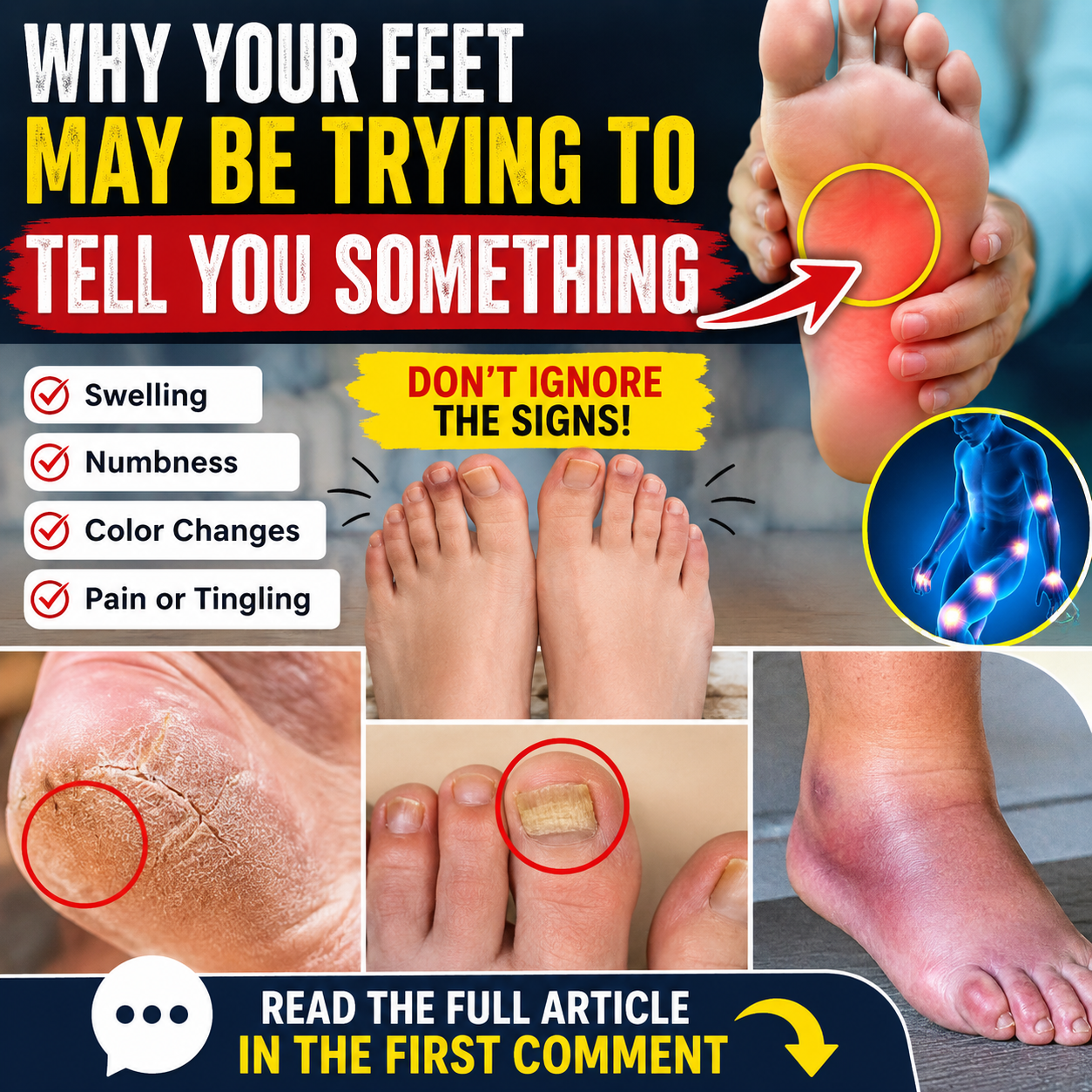
Your feet do far more than carry you from room to room. They cushion your steps, balance your body, and quietly track how the rest of you is doing. Because they have a rich network of nerves, blood vessels, muscles, and bones, even small changes can offer useful clues about your overall health. Not every change signals a serious problem, but paying attention can help you act sooner and feel better faster.
If you are between 45 and 65, you may notice your feet speak up a bit more often. Hormonal shifts, changes in circulation, past injuries, and the wear and tear of busy decades can show up in your toes, heels, arches, and ankles. A few minutes of daily care and a habit of noticing what is new or unusual can make a big difference in comfort and mobility.
Why Your Feet Are Such Good Messengers
Feet sit at the far end of the circulation line, which means they can reveal early hints of blood flow issues. They are also packed with nerves, so tingling, numbness, or new sensations may draw attention before you feel anything elsewhere. Because feet carry your full weight, they often highlight changes in joints, muscles, and bones sooner than other parts of your body.
The skin and nails on your feet can reflect your environment and daily habits as well. Dry air, snug shoes, damp socks, or new exercise routines show up quickly. That is not a reason to worry, but it is a reason to take a closer look, especially when a change sticks around.
Signs Worth Noticing
Swelling that does not fade
It is normal to have a little puffiness at the end of a long day or after a walk in warm weather. Persistent swelling, especially in one foot or ankle, deserves attention. Ongoing swelling may be tied to vein issues, arthritis, a reaction to medicine, or fluid retention related to the heart, kidneys, or hormones. Resting with your feet up, moving your ankles through gentle circles, and wearing supportive shoes can help. If swelling is new, painful, or paired with shortness of breath, warmth, or redness, it is time to check in with a healthcare professional.
Numbness, tingling, or a burning feeling
That pins-and-needles feeling can follow sitting in one position too long, but when it lingers, it may signal nerve irritation. Common causes include pressure from footwear, back problems, or changes in blood sugar that affect nerves. Gentle stretching, roomier shoes, and regular movement may reduce symptoms. If these sensations keep coming back or interfere with sleep or balance, a medical evaluation is wise.
Cold feet or color changes
Feet can feel cool in an air-conditioned room, yet unusually cold feet or toes that change color from pale to bluish and back may reflect reduced blood flow. You might also notice the skin looks shiny or hair growth slows on your toes. Staying warm and avoiding tight socks can help day to day. If color changes are frequent or one foot looks very different from the other, getting checked can rule out circulation problems.
Pain in the heel, arch, or ball of the foot
A new ache often traces back to footwear, activity level, or the way your foot meets the ground. Heel pain may be linked to plantar fasciitis, especially if mornings are the worst. Arch or forefoot pain may arise from overuse, reduced cushioning, or bunions. Gentle calf stretches, brief icing after activity, and supportive insoles can offer relief. Pain that limits walking, wakes you at night, or does not improve over a couple of weeks should be assessed.
Night cramps or toe spasms
Cramping can follow a day of standing, mild dehydration, or changes in minerals like magnesium or potassium. Easy steps such as sipping water throughout the day, stretching your calves before bed, and wearing shoes with proper support can help calm jumpy muscles. If cramps are frequent and stubborn, it is reasonable to ask a clinician whether medicines, circulation, or minerals might be playing a role.
Dry, itchy, or peeling skin
Dryness shows up quickly on the feet, especially around the heels. Moisturizing daily can smooth rough spots and prevent cracks that can become sore. Itching between the toes may suggest a fungal issue that benefits from keeping feet clean and dry and changing socks after exercise. If redness, pain, or drainage appear, or if home care does not help, a checkup is in order.
Thick, brittle, or discolored toenails
Nails can thicken with age and pressure from shoes. Yellowing, crumbling edges, or nails that lift off the bed may indicate a fungal infection or minor injury. Trimming straight across and keeping nails at a moderate length helps. If nails become painful, very thick, or hard to manage, a healthcare provider or foot specialist can guide safe treatment.
Blisters, calluses, and corns
These tender spots often point to friction or pressure. Shoes that are a bit too tight or seams that rub are common culprits. A better fit, soft socks, and gradual break-in time for new shoes reduce the risk. Do not cut corns or calluses at home. If a sore spot keeps returning, ask about padding, inserts, or shoe adjustments.
Wounds that heal slowly
Small cuts should begin to close within days. If they do not, especially on the bottom of the foot, there may be more going on with circulation or nerve sensation. People with diabetes should pay close attention here. Early care, clean dressings, and offloading pressure help protect healing tissue. Stubborn wounds deserve prompt medical attention to prevent infection.
Changes in balance or frequent stumbles
Feeling unsteady can be as simple as tired legs or as complex as nerve, joint, or inner-ear changes. Painful feet also make people take shorter, less stable steps. Supportive shoes with a firm heel counter, clear pathways at home, and a focus on strength and flexibility can restore confidence. New or sudden balance problems should be discussed with a professional.
How to Keep Your Feet Healthy
Make a quick daily check a habit
After a shower or before bed, take a quiet minute to look at your heels, soles, and between your toes. A handheld mirror helps reach the bottoms of your feet. You are simply looking for anything new, such as redness, swelling, cracks, or a place that feels tender.
Wash, dry, and moisturize with care
Warm water, mild soap, and a soft towel are all you need. Pat gently between the toes to keep that area dry. A small amount of moisturizer on the heels and soles can prevent cracking. Avoid heavy creams between the toes, where extra moisture can cause irritation.
Trim nails in a simple, safe way
Clip straight across and smooth the corners with an emery board. Keeping nails moderate in length reduces snags and pressure points. If bending to reach your feet is difficult, a podiatrist can trim nails safely.
Choose socks that help, not hinder
Soft, breathable socks that keep moisture away from the skin can prevent blisters and itching. If swelling is an issue, ask about gentle compression options that your clinician recommends. Change socks after exercise or yard work to keep skin fresh and dry.
Pick shoes that truly fit
Feet change with time, so it is wise to measure them now and then. Look for a thumb’s width of space in front of your largest toe and a snug but not tight heel. A cushioned insole and a supportive arch can ease pressure. Try shoes late in the day when feet are slightly larger, and walk on a firm surface to judge comfort.
Support your arches and cushion your steps
Over-the-counter inserts can add comfort for many people. If you have a unique foot shape or long-standing pain, custom orthotics may be helpful. Replace worn-out shoes and insoles before the support breaks down, especially if you are on your feet often.
Stretch what is tight and strengthen what is tired
Gentle moves go a long way. Rolling your ankles, pointing and flexing your toes, and stretching your calves can ease stiffness. Picking up a small towel with your toes or scrunching it toward you builds foot strength. A few minutes, most days, can improve comfort and balance.
Give your feet breaks during the day
Alternating between sitting and standing, propping your feet up when you read, and changing positions during long tasks can help blood flow and reduce soreness. Short walks also refresh tight muscles and joints.
Look after the whole you
Stable blood sugar, healthy blood pressure, and good hydration support healthy feet. If you smoke, your feet will thank you for any step toward quitting because nicotine narrows blood vessels and slows healing. Gentle, regular activity such as walking or swimming strengthens the muscles that support your feet and improves circulation.
Finding the Right Footwear
A great shoe works with your foot, not against it. A flexible forefoot lets your toes move, while a firm heel cup keeps your ankle steady. If you use inserts, bring them when you shop so you can check the fit together. Signs of a poor match include rubbing at the heel, pinching across the forefoot, and toes that feel crowded. Shoes that feel just fine in the store but bother you at home may not be the right partner for your daily routine.
Seasonal changes call for small adjustments. In hot weather, swelling can make snug shoes uncomfortable, so a bit more room helps. In cooler months, thicker socks may require a slightly wider shoe. If you enjoy gardening, walking trails, or doing projects in the garage, dedicate sturdy shoes to those tasks and reserve lighter shoes for errands or indoor wear.
Simple At-Home Foot Exercises
Small, consistent movements can reduce stiffness and improve stability. While seated, trace the alphabet in the air with each big toe to gently move your ankles through a wide range. Stand near a countertop and rise onto your toes, pause, then lower slowly to awaken your calves and arches. Place a cool water bottle under your arch and roll it back and forth for a soothing massage after a busy day. These easy routines take only a few minutes and can become a pleasant part of your morning or evening.
Special Considerations if You Have Diabetes
When blood sugar runs high for a long time, nerves and circulation can be affected, and the feet may not feel small injuries. That is why daily checks matter so much. Catching a blister or crack early prevents larger problems. Comfortable shoes, moisture control, and regular medical check-ins are especially important. If you spot any redness, warmth, drainage, or a sore spot that is not improving, contact your care team promptly.
When to Seek Medical Advice
It is sensible to ask for help when something feels new, intense, or lasting. Ongoing swelling, sharp or worsening pain, numbness that does not fade, or color changes that appear suddenly deserve a closer look. Wounds that do not heal, skin that turns black or very pale, or signs of infection such as warmth, pus, or fever need prompt care. Sudden swelling and pain in the calf, especially if one leg is affected, calls for urgent evaluation to rule out a blood clot.
Trust your instincts. You know your feet. If they do not feel like themselves, reaching out early often means simpler solutions and a quicker return to comfort.
Preparing for an Appointment
A few small steps can make your visit more helpful. Jot down when the problem started and what seems to make it better or worse. Bring the shoes you wear most often, along with any inserts, so your clinician can check the fit. If you take medicines or supplements, a current list is useful. Share any past foot injuries or surgeries, as well as health conditions such as diabetes, arthritis, or vein problems. Clear information helps your care team tailor advice to your daily life.
Staying Active Without Overdoing It
Movement keeps joints flexible and muscles strong, but pace matters. If you are starting a new routine, increase your time or distance gradually, and notice how your feet feel the next day. A mild increase in soreness can be a normal sign of progress, while sharp or localized pain is a cue to ease up and reassess shoes or surfaces. Switching between walking, cycling, and gentle strength work spreads the load and gives tender areas time to recover.
Creating a Foot-Friendly Home
Small changes can reduce stumbles and strains. Good lighting in hallways and near stairs helps you place each step with confidence. Smooth floors can be slippery in socks, so consider non-skid options where needed. A simple bench or sturdy chair near the door makes putting on shoes safer and easier, and a long-handled shoehorn can be a helpful tool to protect your heels.
The Bottom Line
Your feet are reliable storytellers. They will often whisper before they shout, offering early hints about circulation, nerves, joints, and skin. Most changes have practical fixes, from better-fitting shoes to daily moisturizing, gentle stretches, and thoughtful breaks during the day. When a new symptom sticks around or feels worrisome, timely advice from a professional can steer you back toward comfort.
Healthy feet help you stay active, independent, and at ease. A quick daily glance, a bit of care, and a willingness to listen when your feet seem to be “sending a message” can pay off in miles of better days.