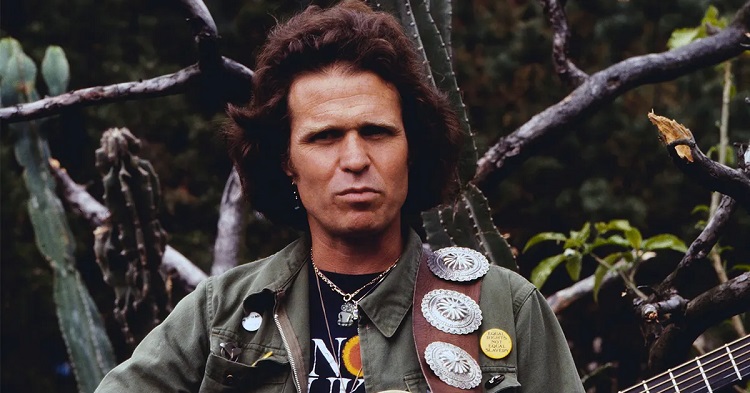
One of the most distinctive voices of the 1960s counterculture has fallen silent. Country Joe McDonald, remembered by many for his unforgettable appearance at Woodstock and his role as the frontman of Country Joe and the Fish, has died at the age of 84. Born Joseph Allen McDonald, he became a symbol of a generation that turned music into a megaphone for change, hope, humor, and hard questions about America’s direction. His passing closes a remarkable chapter in music history, yet his influence continues to echo through the songs and stories he left behind.
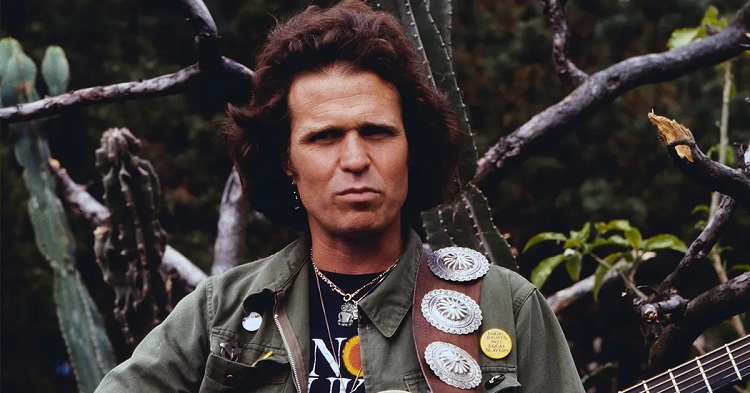
To anyone who lived through the late 1960s, the sound of Country Joe McDonald can instantly bring back a flood of memories. He was, quite simply, one of the era’s most recognizable performers—a figure who stood on some of the world’s biggest stages and spoke directly to the anxieties, frustrations, and dreams of a tumultuous time. Reports indicate he passed away on a recent Saturday evening, and while the cause has not been made public, the sense of loss among those who remember the era is immediate and heartfelt.
McDonald’s legacy is bound tightly to Woodstock, the music festival that, for many, came to define a generation. Standing before a sea of faces—young Americans grappling with war abroad and cultural upheaval at home—he struck a chord that blended wit, spirit, and defiance. His words and melodies weren’t just about entertainment; they were a mirror of the times, reflecting a country searching for its identity and its conscience.
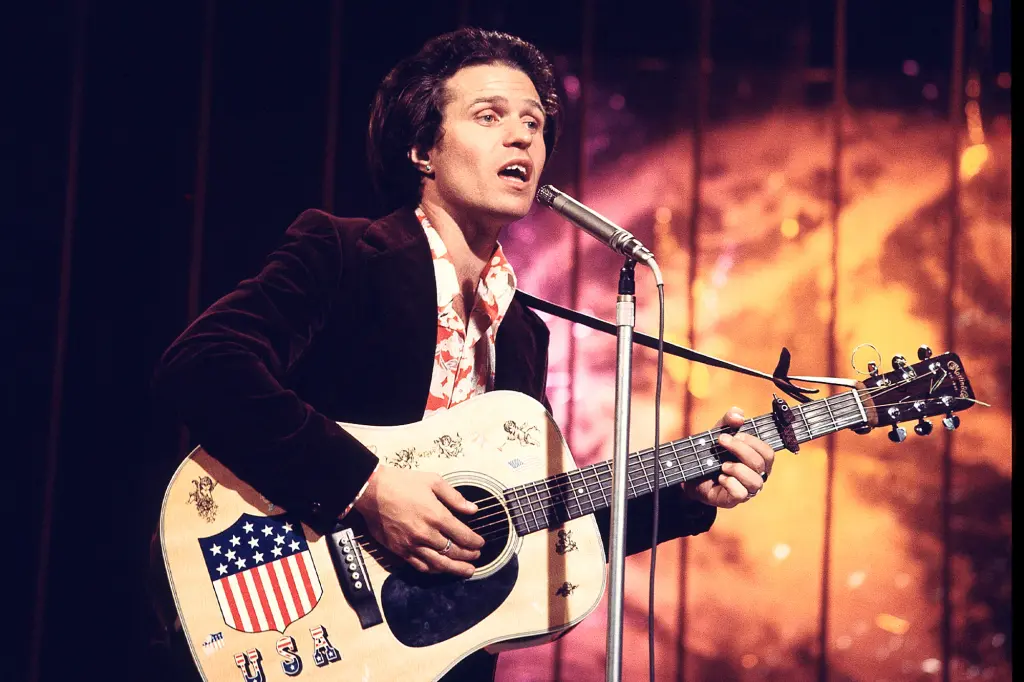
It is impossible to talk about Joe McDonald without revisiting that iconic weekend in 1969. His performance was raw yet inviting, playful yet pointed, and ultimately timeless. For many who were there—or who later watched the film and listened to the recordings—his presence encapsulated the restless energy and bold questioning that marked the late 1960s. Even today, his songs remind us how music can capture the mood of an age and carry it forward for future generations to learn from and debate.
Of course, Joe McDonald’s story, like the story of that era, is not simple. It contains contradictions, compassion, courage, and conflict. The same music that placed him in the hearts of many also drew sharp criticism from others. In that sense, his legacy mirrors the country’s own complicated path through the Vietnam years. He never ran away from those complexities; he met them head-on, even as his understanding of service, sacrifice, and reconciliation deepened over time.
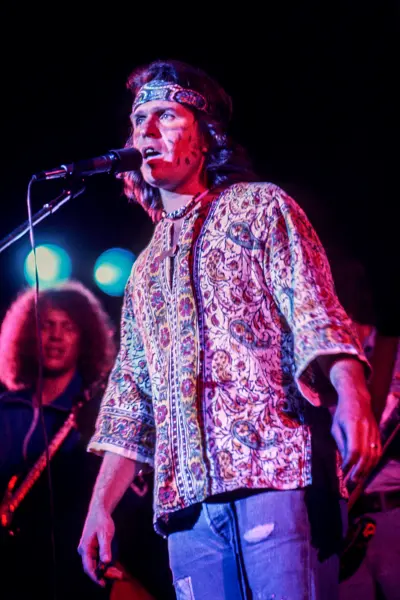
Country Joe and the Fish formed in the mid-1960s, as McDonald teamed up with guitarist Barry Melton. The group quickly rose to prominence in the San Francisco music scene, which was then a hotbed of experimentation and cultural change. Their sound was a blend of psychedelic rock and folk, topped with sharp, socially aware lyrics. It made for a powerful combination. The band’s songs resonated with young listeners who were questioning authority, examining long-standing traditions, and looking for new ways to live and think.
In 1967, the band released its first full-length album, Electric Music for the Mind and Body, a record that captured the spirit of the moment with energy and purpose. Later that year, they followed with I-Feel-Like-I’m-Fixin’-to-Die, which included what would become their best-known—and also most controversial—track: I-Feel-Like-I’m-Fixin’-to-Die Rag. That song, with its unmistakable point of view, etched the band into the story of the Vietnam era and made McDonald a lightning rod for discussion about patriotism, protest, and the power of music.
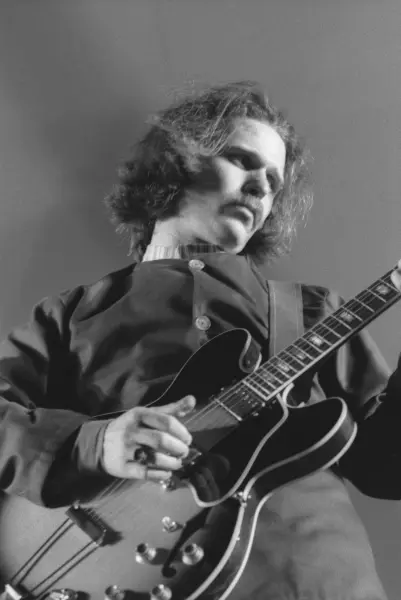
For a generation of young Americans, the song was an anthem—an expression of fear, frustration, and hope for change. It found a home on college campuses and in crowded music halls, where people felt the tug of history as it was being written. Yet for many conservatives and veterans, the song represented a deeply painful time when the nation seemed to be turning on itself. That divide did not vanish when the music stopped. It lingered, inviting hard conversations that America still revisits today.
McDonald understood that history is rarely tidy. In the years that followed, he acknowledged the human cost of the war and the burden carried by those who served. He spent meaningful time working on behalf of veterans, using his name, his time, and his artistry to honor people whose experiences could not be captured by any single song. This was not a retreat from his earlier convictions but an expansion of his empathy, rooted in a desire to bridge wounds that had remained open for too long.
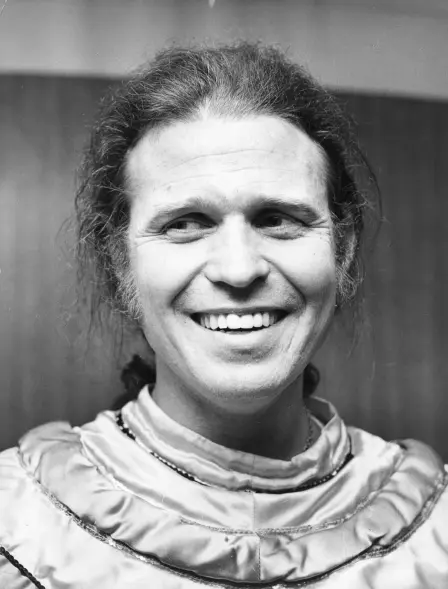
Among his efforts, McDonald became involved in projects to establish Vietnam veterans memorials in Berkeley and San Francisco. That work spoke volumes about his priorities later in life. He understood that the United States is at its best when it can sit with its contradictions, hear from those who disagree, and still find the grace to honor service and sacrifice. For many who admired his music but questioned the protests of the era, this later dedication to veterans signaled a sincere commitment to healing.
After Country Joe and the Fish disbanded in 1971, McDonald continued as a solo artist for decades. His music matured alongside his audience, weaving in themes of environmental stewardship, civil rights, and reflections on American history. He never dropped the habit of asking challenging questions, but he delivered them with a warmth and good humor that made even difficult subjects feel approachable. People went to his shows not just to hear the hits but to feel connected to a living piece of American cultural history.
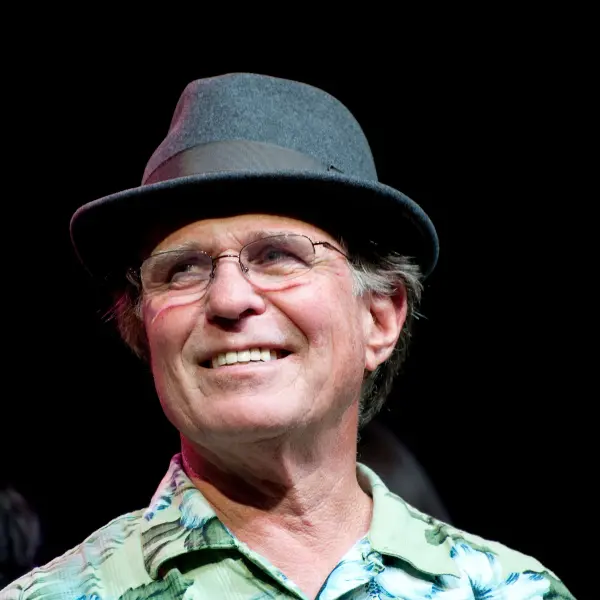
It is tempting to judge a band by its commercial peak, but in truth, the enduring measure of Country Joe and the Fish lies in the cultural imprint they left behind. Their music helped define a period when the nation’s identity was being rewritten in real time. The late 1960s changed how America talked about power, fairness, community, and responsibility, and McDonald’s voice was part of that chorus. He brought a sense of fun to heavy topics, a levity that did not diminish seriousness but made it easier to think and feel at the same time.
For many who were there—or who watched from a distance—McDonald’s passing feels like another page turning in the book of a generation. The people who turned up the volume on their record players, who showed up at rallies and festivals, who debated late into the night about the meaning of freedom, are now looking back with a mix of pride and melancholy. McDonald helped give that moment a soundtrack, and his songs invite us to revisit it thoughtfully, to recall not only the arguments but also the shared desire for a better country.
What remains so compelling about his story is how it brings us into an ongoing conversation about patriotism and protest. McDonald proved that one could love the country and still demand more from it—more honesty, more compassion, more wisdom. He never asked listeners to agree with every lyric. Instead, he asked them to engage, to listen, and to decide for themselves what kind of world they wanted to help build. For older audiences who remember the highs and lows of that era, this invitation still resonates today.
It is also worth remembering the sheer joy he brought to a stage. Joe McDonald had an easy rapport with audiences, a sense of humor that cut through tension, and a gift for turning a crowd of strangers into a single voice. People recall not just what he sang but how he made them feel—welcomed, seen, and energized. That quality is rare, and it helps explain why his legacy has endured well beyond the flashpoints of the 1960s.
As a musician, he did more than deliver a message. He also experimented with sound, brought together musical styles that did not always share the same stages, and proved that thoughtful lyrics could still be catchy. At a time when many bands were figuring out what it meant to be both artists and advocates, McDonald’s approach became a model. Later generations of performers—whether overtly political or quietly reflective—have benefited from the doors he helped open.
There is comfort, too, in the constancy of the work he pursued later in life. He continued to perform, record, and participate in community efforts. He spoke to veterans, supported commemorations, and reminded audiences of the people whose stories were too often overlooked. Those efforts never erased the tensions of the 1960s, but they showed a person capable of growth, compassion, and humility—qualities that matter in any era.
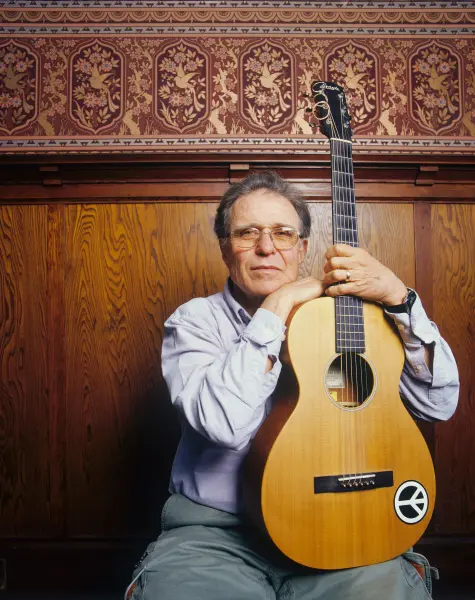
Joe McDonald is survived by his wife, Kathy Wright, and five children. For his family, friends, and the many fans who felt like they knew him through his music, his absence will be deeply felt. Grief is a measure of love, and there is plenty of love to go around for a man whose songs marked both private moments and public milestones.
When we look back on the 1960s, it is easy to focus on the headlines, the arguments, and the rifts that seemed impossible to repair. But people like Country Joe McDonald help us recall something else: the courage it takes to speak up, the generosity it takes to listen, and the wisdom it takes to bring people together after the shouting stops. His life and work remind us that music can dissolve barriers, start conversations, and offer comfort when words fall short.
For anyone who has not heard his most enduring songs in a while, now is a good time to revisit them. Listen with the ears of the present as well as the memories of the past. You might hear new notes in the melodies and find new meaning in the lyrics. And if you lived through those years, you may recognize the same spark that first drew you in—a spark of curiosity, urgency, and shared humanity.
Farewell to a Woodstock original, a musician who asked us to think and feel in equal measure. The times have changed, but the questions remain. Thanks to Joe McDonald, we still have a soundtrack for asking them.