Prime Video debut follows a reported $40 million deal
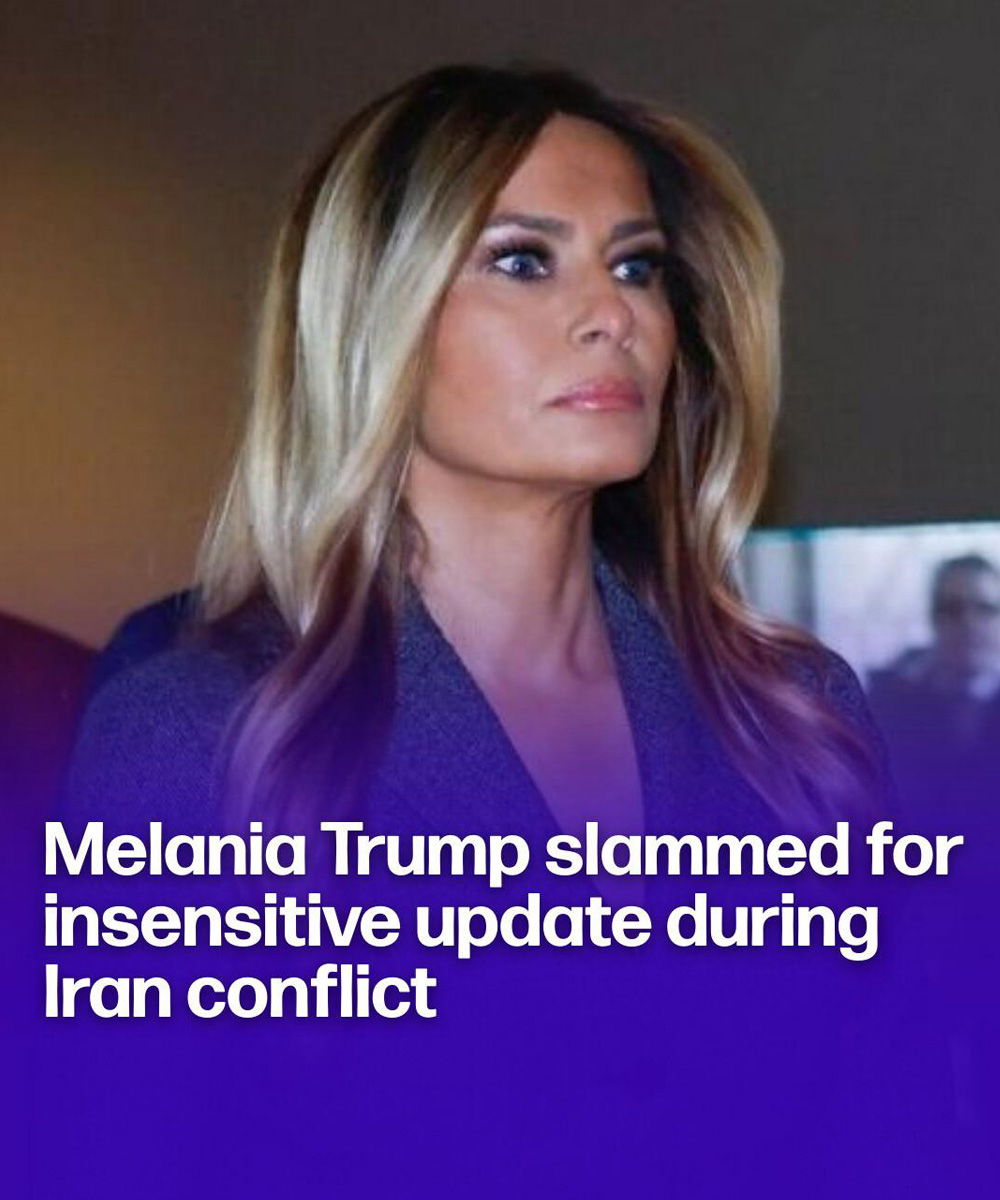
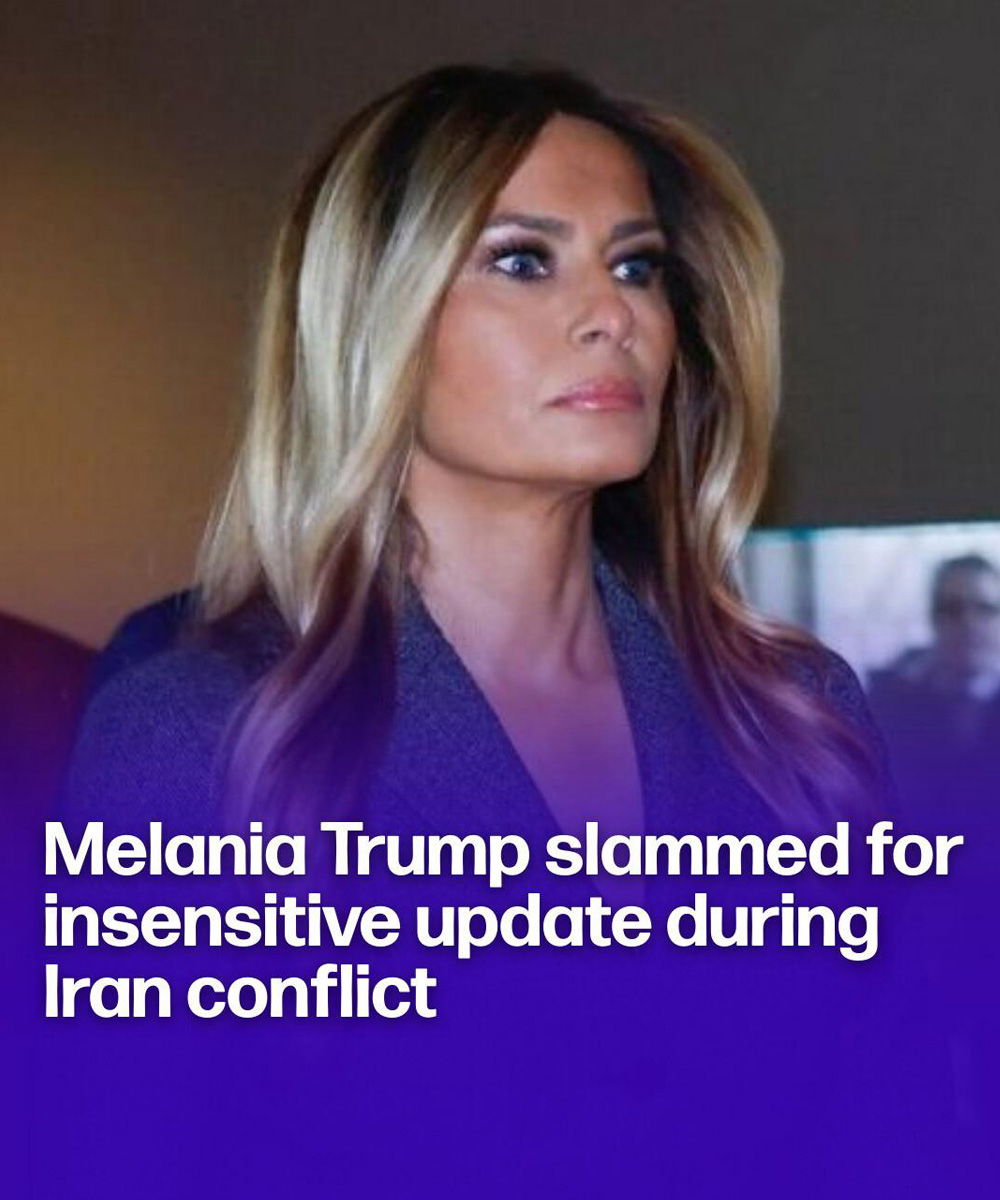
Melania Trump has sparked a wave of conversation online after sharing a proud personal update at a moment when international news has been dominated by the escalating conflict in Iran. The First Lady highlighted a milestone for her new documentary, and while many of her supporters cheered the achievement, others questioned the timing of the message.
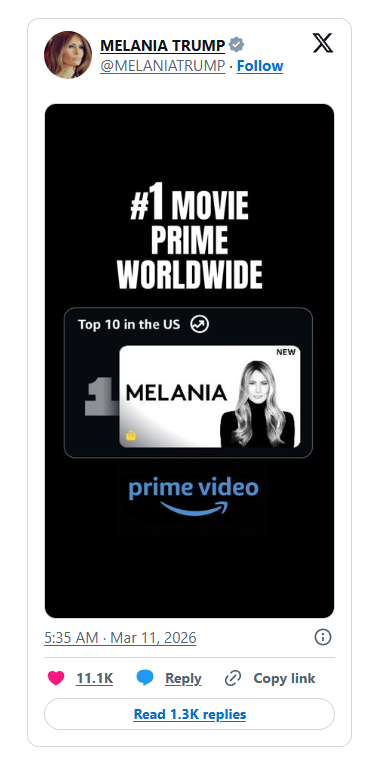
On 10 March, she posted on X, the social media platform formerly known as Twitter, to tell her 3.9 million followers that her documentary had reached the top spot on Prime Video around the world. Her post was brief and bold, featuring the words “#1 MOVIE PRIME WORLDWIDE” along with an image showing the film listed as “Top 10 in the US.”
The documentary, which premiered in cinemas earlier this year on 30 January, follows Melania Trump through the 20 days leading up to President Donald Trump’s 2025 inauguration. Framed through the First Lady’s perspective, it promises a close look at hectic planning, personal reflections, and the fast-moving decisions that accompany a change of administration in Washington.
Promotional materials for the film describe “unprecedented access” and invite viewers to step inside the First Lady’s day-to-day world. The focus is on how she guides inauguration plans, navigates the complexities of the White House transition, and manages the major logistics of moving her family back to the nation’s capital. The filmmakers say the result captures moments that are typically kept private.
According to its description, the film weaves together footage of high-stakes meetings, quieter one-on-one conversations, and settings the public rarely sees. That pitch appears to have drawn significant interest. The documentary arrived on Prime Video on 9 March following a reported $40 million acquisition by Amazon’s MGM Studios, placing it squarely in the spotlight of one of the world’s largest streaming platforms.
A proud update that stirred debate
As soon as Melania Trump shared the streaming milestone, reactions poured in. Admirers applauded the news and said they were curious to see the behind-the-scenes moments the film promises. Some thanked her for offering a personal window into a historic transition, saying it made them feel closer to the events they had watched from afar.
At the same time, a number of critics bristled at the post’s timing. For them, the celebratory tone felt out of step with an especially tense moment abroad. They argued that a message focused on a personal achievement might be better saved for a calmer day, especially as headlines about the Middle East filled newsfeeds from morning to night. Social media, being immediate and emotional, brought those differing views into sharp relief.
Part of the reaction stems from the international backdrop. On 28 February, the United States and Israel launched joint attacks on Iran, which touched off retaliatory strikes and heightened concern across the region. In moments like these, public figures often face intense scrutiny over what they say and when they say it. A celebratory note, even about a legitimate success, can land very differently depending on the global mood.
Some comments on X were blunt. One person called the project a “vanity” effort, dismissing it as a showpiece rather than a serious film. Another criticized the timing directly, asking why a message about a personal accomplishment was the focus amid “everything happening now.” These remarks reflect a familiar pattern in today’s public life. Social media compresses time and context, and messages that might have felt routine on a quieter day can take on a different weight during a crisis.
What the film actually covers
Strip away the noise around timing, and the project itself is a straightforward idea: a documentary about the final stretch before a presidential inauguration, framed through the First Lady’s eyes. That window is unusual. While Americans often see the ceremonies and speeches, the behind-the-scenes work can be intense. There are schedules to confirm, invitations and seating charts to finalize, rehearsals to manage, wardrobes to prepare, and dozens of overlapping security and logistics steps to coordinate. A film that puts a camera in those rooms promises a version of history most people never witness.
For viewers interested in how big national moments come together, the production aims to capture both the formal and the personal. Formal scenes might include briefings about events and coordination with transition staff. The personal side can include family decisions, moments of reflection, and the human toll of long days at a time when every detail matters. Even for those who do not follow politics closely, this kind of storytelling can feel familiar, because it mirrors the planning, stress, and pride that come with any major life transition—just on a grander scale.
How the Prime Video success was framed
Melania Trump’s update emphasized a global reach, using the phrase “#1 MOVIE PRIME WORLDWIDE.” Streaming services frequently showcase their most-watched titles in real-time or near real-time leaderboards. These lists can change quickly based on what viewers choose to watch that day or week. The image included with her post highlighted a “Top 10 in the US” label, the sort of promotional snapshot people often see when they open a streaming app and browse the home screen selections.
It is worth remembering that different countries may see slightly different lists based on regional interest and licensing. A film can surge to number one globally for a period, then shift down the list as new titles debut or as viewing habits change. When a high-profile release arrives, a strong first weekend is common, especially if the title already has a built-in audience or has been widely discussed in the news.
Critics, audiences, and the gap between them
As conversations about the post swelled, attention also turned to how the documentary is being scored by viewers and critics. On Rotten Tomatoes, the project has been marked with an 11 percent score on the Tomatometer from professional critics, but a far higher 98 percent on the audience-focused Popcornmeter. Meanwhile, on IMDb, the title has been given a 1.4 out of 10. That spread raises a natural question: how can ratings vary so widely?
The Tomatometer on Rotten Tomatoes reflects the share of professional critic reviews that are positive. It is not an average of star ratings, but rather a simple up-or-down tally. If most critics leaned negative, the percentage can look low even when a handful of reviewers enjoyed the film. By contrast, the Popcornmeter captures how audiences responded, and it draws heavily from verified user ratings. This means the people who chose to watch—and then decided to rate—may be especially motivated or enthusiastic, which can drive the number up.
IMDb mixes user votes from a broad audience, many of whom may or may not have the same level of interest in the subject. A number like 1.4 out of 10 suggests a very different kind of response, at least among the users who decided to score it there. These differences are not unusual when a title is closely tied to public figures. Passionate supporters and determined detractors both tend to show up, and their patterns of participation vary by platform.
Why the timing mattered to some people
Even if the film’s rise on Prime Video is newsworthy, the timing of a celebratory post can change how it is received. During a fast-moving international crisis, many people expect public leaders and their families to reflect the gravity of events. It is not a formal rule, but a matter of tone and perception. A message that might feel inspiring on a normal day can feel out of place when the world is tense and headlines are full of conflict.
In that sense, the reaction to Melania Trump’s post says as much about our modern media environment as it does about the post itself. People are consuming news and entertainment side by side in the same feed. A serious international development might appear on screen directly above a movie announcement or a family photo. The mix can be jarring. When a public figure adds a note of celebration to that stream, some will welcome the change of pace, while others will argue for restraint.
Supporters saw it differently
Not everyone agreed that the message was out of step. Many supporters said the update was perfectly normal for a release weekend, and that celebrating professional milestones does not exclude awareness or concern for the world’s troubles. They pointed out that entertainment news does not stop during difficult times and that audiences are fully capable of following both a global story and a cultural one. In their view, the film’s success was worth acknowledging, especially after months of anticipation and work.
Some also saw the post as an invitation to watch a project focused on service and duty at a defining national moment. For those viewers, the documentary’s angle—planning, responsibility, and the pressure of getting it right—matches the seriousness they expect from public life. They interpreted the update as simply sharing good news about a film that deals with weighty topics, not as an attempt to distract from international events.
How streaming rankings ebb and flow
It can help to understand how streaming charts work. Platforms generally highlight what is most-watched in a rolling window, often based on hours viewed or the number of accounts that start a title. A film may jump to number one for a day or a weekend, then settle into a lower spot as the initial rush of viewers tapers. Visibility on the home page encourages more clicks, which can create a snowball effect early on. Later, as new releases arrive, the spotlight shifts.
This ebb and flow explains why you might see a movie advertised as “number one” one week and then find it ranked seventh the next. As of now, the documentary has been noted as being “#7 in the UK,” suggesting it remains in the conversation, even as other titles compete for attention. For people deciding whether to watch, that mid-chart position often means the film is still easy to find on the platform.
What viewers might take away
For those curious about the content, the draw is the promise of access. The film’s marketing highlights meetings that are not usually televised and conversations that rarely make it into public view. If you enjoy seeing how complex events come together—the checklists, the rehearsals, the last-minute pivots—this kind of documentary can be satisfying. It may not change minds about the people involved, but it can deepen understanding of what the job demands behind the scenes.
Viewers who prefer traditional political reporting might find the emphasis on personal perspective less compelling, especially if they are looking for broader policy analysis or historical context. A first-person lens usually narrows the frame. That is not a flaw so much as a choice. It allows a film to capture details and emotions that larger, more general documentaries sometimes miss.
The conversation will keep moving
Like most high-profile releases, this one has landed in the middle of a busy news cycle. It is no surprise that opinions are strong and divided. As more people watch the film and talk about it, ratings will likely shift and so will the tone of the conversation. Some viewers will praise the access and storytelling. Others will wish the film had focused differently or arrived at a less tense moment. That is the nature of public life in an always-on media world.
For now, two facts sit side by side. The documentary quickly reached a top spot on a major streaming platform, and the decision to trumpet that success during a fraught international moment drew criticism. Both can be true. Whether people see the post as tone-deaf or entirely reasonable often depends on their expectations of public figures and their own habits of following the news.
A simple bottom line for viewers
If you are considering whether to watch, it may help to set aside the online argument for a moment and think about what interests you most. If you enjoy a close-up look at the rituals and responsibilities of high office, this film was designed with you in mind. If you are more drawn to broader analysis of world events, you may find more value in news programs and long-form reporting. Either way, the documentary has become part of the cultural conversation, and that alone makes it notable.
However the debate evolves, one thing is clear. The intersection of politics, entertainment, and social media ensures that even a short celebratory message can spark outsized reactions, especially when the world is tense. Melania Trump’s post about her movie’s streaming success is a reminder that timing shapes how every message lands, and that people bring their own experiences and expectations to the screen in their hands.