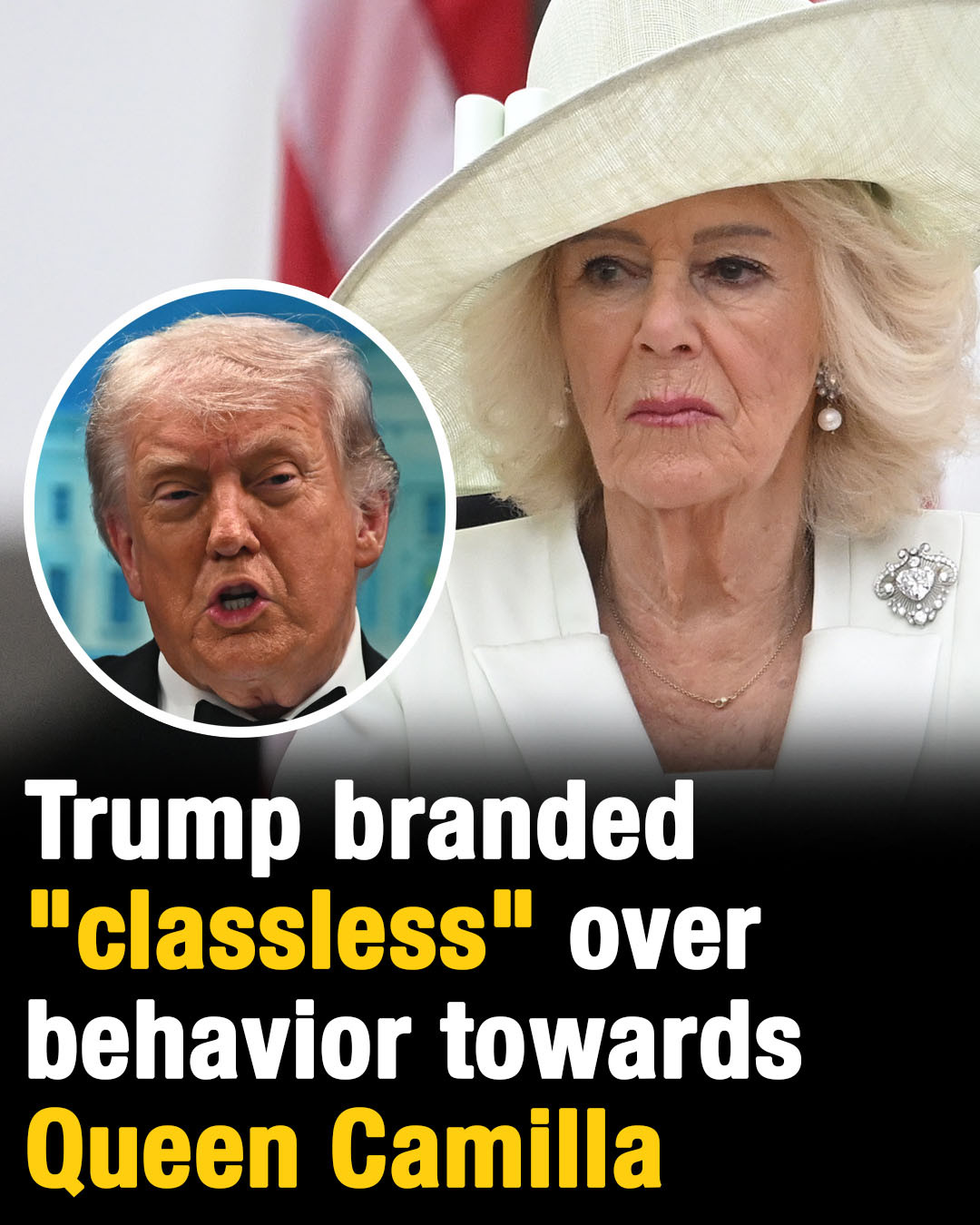
What was meant to be a warm and symbolic moment during a high-profile state visit has turned into a talking point across the United States and the United Kingdom. During a greeting outside the White House, President Donald Trump moved ahead of Queen Camilla in a receiving line, sparking criticism online and prompting many to describe the moment as classless. The brief exchange, captured on video and quickly shared across social media, became the clip of the day precisely because it happened amid an otherwise carefully choreographed occasion meant to showcase respect, partnership, and tradition.
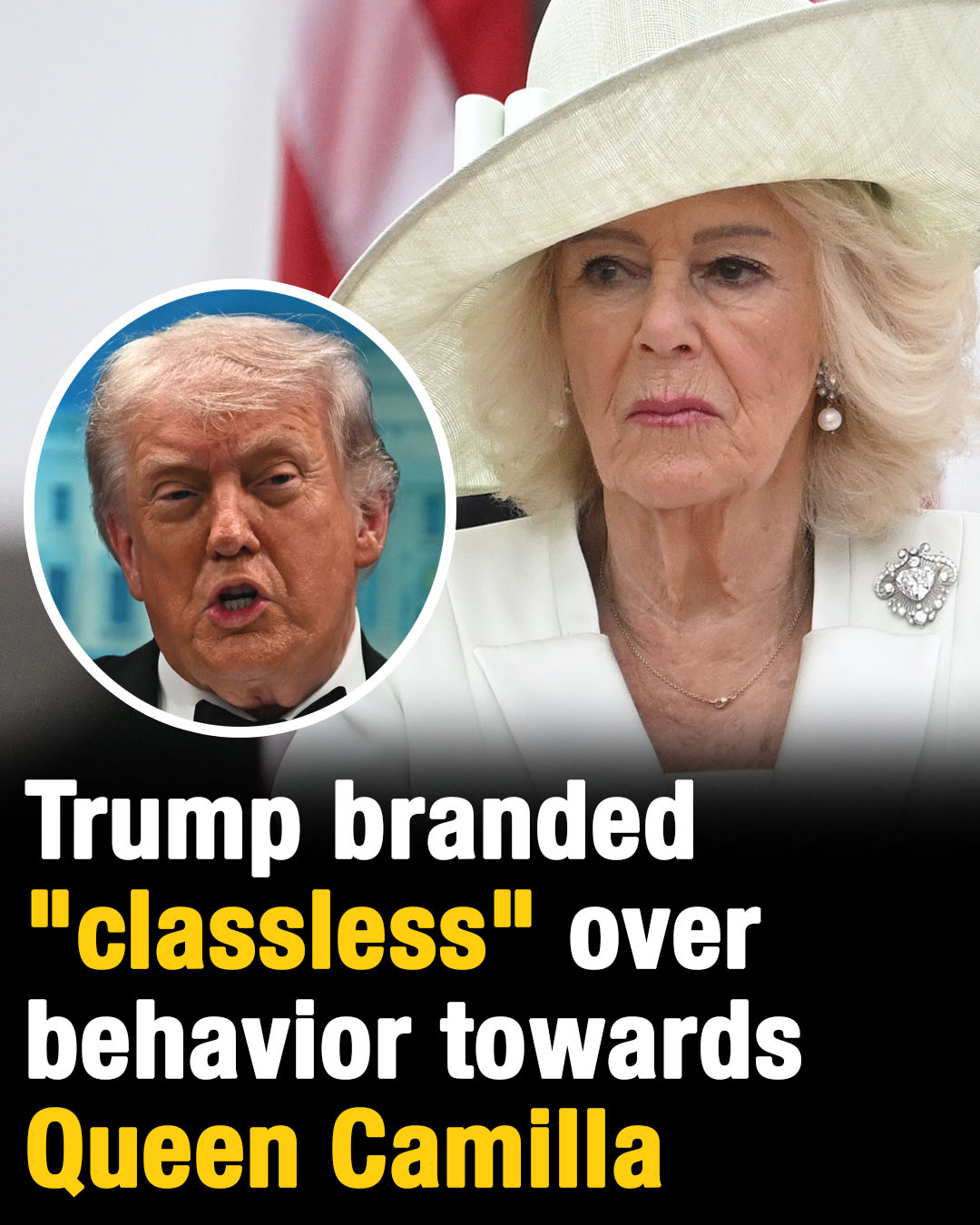
The timing made the incident feel even more sensitive. King Charles and Queen Camilla are in the United States for a four-day state visit, a trip that carries weight for both countries. After a stretch of cooler relations, the visit was planned to underline common ground and mutual interests. The schedule has included meetings, ceremonies, and opportunities for the public to see the King and Queen as representatives of a deep and longstanding alliance.
A visit designed to strengthen ties
At the heart of the visit is a simple message: the United States and the United Kingdom remain committed friends, even as the world changes around them. On Tuesday, King Charles addressed a joint audience in Washington, speaking about the centuries of connection between the two nations. His remarks emphasized continuity, shared values, and the steady work of cooperation that continues from one generation to the next.
Earlier that morning, the South Lawn of the White House hosted the formal welcome ceremony. King Charles and President Trump reviewed the troops, including the United States Marine Corps Honor Guard. The event also featured a first for the White House: the United States Space Force Honor Guard appeared as part of the ceremony. This kind of ceremonial review is reserved for visiting heads of state and is one of the highest honors the United States can extend to a foreign leader. It is a moment designed to set the tone—dignified, respectful, and steeped in tradition.
Because of that, small gestures on days like these tend to carry more weight than they otherwise might. When everything is scripted down to the minute, an unscripted moment can stand out sharply, for better or worse.
The moment that set off a debate
The brief exchange that caused the stir unfolded as Queen Camilla greeted a line of delegates outside the White House. Dressed in a bright lime-green coat and matching hat, the Queen moved down the line shaking hands, smiling, and offering a few words to each person as is customary in these settings. As she did so, President Trump stepped in front of her and began greeting the same guests himself.
The maneuver left Queen Camilla momentarily behind him, which appeared to halt her flow down the line. Onlookers could see King Charles and the First Lady nearby as the receiving line adjusted. While the entire sequence lasted only moments, the optics were not ideal. To many viewers, it looked like the host had taken the lead in a setting where etiquette often encourages the opposite.
The clip soon made its way across social media platforms, where it was replayed, slowed down, and discussed at length. The tenor of the discussion largely focused on courtesy and protocol, with many calling the move thoughtless and impolite toward a visiting royal.
Why people reacted so strongly
State visits are built on symbols. A handshake, the order of a procession, or who steps forward first—these details can seem small, yet they signal respect and cooperation. In a receiving line, it is common for the guest of honor to be presented to others first, and for the host to support and guide that process. When that rhythm is interrupted, it can come across as dismissive, even if no slight is intended.
That is part of why this particular moment struck a nerve. For those watching, it suggested that the Queen had to pause and wait while the President moved ahead. Whether one sees that as a simple misunderstanding or as poor manners, the visual effect is the same in a setting where deference to guests is expected and appreciated.
Several commenters online framed the moment as a matter of basic courtesy. One person, frustrated by what they saw, wrote that a host should let guests go first, adding that the scene showed a lack of respect and class. Others focused on the timing, pointing out that the British royals had been invited and were being formally honored, which made the apparent interruption feel all the more jarring.
Reminders of earlier protocol missteps
For many, the scene echoed an earlier episode from President Trump’s first term, when he and the late Queen Elizabeth II walked together during a state visit in the United Kingdom. As cameras rolled, Trump briefly moved ahead, appearing to block the Queen’s path before adjusting. That moment created a similar stir at the time, sparking debate about protocol, optics, and how tightly anyone can be expected to adhere to royal etiquette in real time.
In both cases, the crux of the discussion was not about grand policy, but simple courtesies. Those who took issue with the latest incident saw in it a pattern of stepping forward when it might be more appropriate to step aside. Those who were less troubled saw it as the kind of hiccup that happens in crowded, fast-moving situations where dozens of people are in motion at once.
What etiquette usually expects at a receiving line
Etiquette around public greetings is fairly straightforward, even if it looks intricate on television. When a foreign head of state or a royal is the guest of honor, they are typically introduced first to the people in line. The host’s role is to welcome, to put guests at ease, and to help the line continue smoothly. Everyone involved tries to keep things moving without anyone feeling rushed or overshadowed.
Stepping in front of a guest—especially a guest of honor—can appear to reverse that order. That is why moments like this feel magnified. Even if the intention is to share a greeting or add a welcome, the effect may look like an interruption. In highly choreographed settings, appearances matter almost as much as words. A courteous pause or a small wave forward—gesturing that the guest should proceed—often communicates volumes.
How social media framed the incident
Online reactions ran hot, as they often do. Some people used strong language to vent their frustration, accusing the President of craving the spotlight even when protocol would suggest letting the Queen take the lead. One user commented that the scene showed a lack of class, while another argued that the President should have stood slightly back and allowed Queen Camilla to finish her greetings first.
Others pointed to the Queen’s expression in the clip, suggesting she looked momentarily taken aback. A different commenter drew a line from the current visit back to the Queen Elizabeth episode, asking if anyone truly expected a different outcome this time. These reactions, whether measured or sharp, reflected a broader sense that the optics of the moment did not match the dignity of the day.
Of course, not everyone saw it as a serious breach. Some viewers argued that receiving lines can be confusing from the inside. People move unexpectedly, hands extend from multiple angles, and a camera can freeze a single awkward second that feels larger than it was. This more forgiving view treated the moment as an ordinary mix-up in a very public setting.
The significance of the day’s formalities
It is worth remembering how deliberately these ceremonies are crafted. The formal review of the troops on the South Lawn is more than pageantry; it is a public sign that the United States honors the visiting head of state. The presence of the United States Space Force Honor Guard at a White House event for the first time underscored the evolving face of American service branches and signaled respect for the visit’s importance.
Against that carefully arranged backdrop, everyone involved is expected to keep a close eye on decorum. When something unexpected happens, even for a second, it reverberates more than it might at an ordinary gathering. That is the nature of state visits: small gestures become big headlines.
Queen Camilla’s role and demeanor
Queen Camilla has steadily shaped her public role alongside King Charles, focusing on charitable work and a calm, approachable presence. Her choice of a striking lime-green ensemble was in keeping with her style for major public events, where color helps guests and well-wishers spot her in a crowd. In the footage, even as the greeting line paused and shifted, she maintained the composed expression that has become her signature at formal occasions.
Part of the public reaction centered on the contrast between that calm demeanor and the suddenness of the interruption. Viewers who admired her poise seemed protective of the quiet order that a receiving line represents, and they did not like seeing it broken—especially at the White House, during a visit meant to emphasize courtesy and goodwill.
King Charles’s message and the bigger picture
While the clip drew outsized attention online, the larger objective of the visit remained unchanged. In his remarks to American lawmakers and guests, King Charles spoke of centuries of partnership and the ways in which the United States and the United Kingdom continue to work together. From culture and science to defense and diplomacy, the relationship is deep, complex, and constantly renewed by moments of respect and shared purpose.
That is why, for many observers, the hope is that the state visit will be remembered more for its substance than for a fleeting misstep in a crowded greeting line. The themes of the trip—renewed friendship, shared values, and a forward-looking partnership—are larger than any single camera shot.
A generous interpretation versus a harsh one
It is possible to see two stories in the same few seconds of video. One story says a host should have stepped back and allowed the guest to continue first. The other says that in a complex scene, with greetings on both sides and many people moving at once, a quick miscue is understandable and soon corrected. Both readings can be true, and neither changes the essential purpose of the day.
What most people seem to agree on is that kindness and courtesy are never out of place—especially when the world is watching. A small nod, a patient pause, or a simple wave to let someone go ahead can make all the difference in how a moment feels for those present and for those viewing it from afar.
Moving forward from a viral moment
As the visit continues, attention will likely return to the broader schedule and the work of diplomacy. Public engagements, meetings with officials, and cultural stops offer plenty of opportunities to showcase the relationship’s strengths. With so many eyes on the visit, each day provides a chance to reinforce the spirit of cooperation that both nations value.
In the end, a single clip does not define a visit, a leader, or a relationship. It can, however, remind everyone involved—hosts and guests alike—how much dignity and grace matter. In settings built on tradition and respect, even a few extra seconds of patience can echo longer than any headline.
A final word on etiquette and goodwill
For those who care about manners and public example, the lesson is plain. Protocol exists not to tie people in knots, but to make shared moments smoother and more comfortable for everyone. Allowing a guest to take the lead, especially when they are the guest of honor, is one simple way to show consideration. When that order is reversed, even briefly, it may not be catastrophic—but it can distract from the goodwill the day is meant to express.
That is why this incident, small as it was, caught the public’s attention. It was a reminder that respect is most visible in little things: who steps forward, who steps aside, and who remembers that a welcome often begins with a gesture as simple as letting someone else go first. The rest of the visit offers plenty of chances to let those small gestures shine.
However one views the scene, it is clear that the United States and the United Kingdom arrived at this week ready to highlight what they share. If the tone of the remaining days reflects that spirit, the visit will be judged by its successes rather than by a few awkward seconds at a receiving line. And perhaps that is the best outcome of all: to move past a viral moment and keep sight of the values the visit set out to celebrate.