Susan Eisenhower urges patience as a high-profile makeover next to the White House draws scrutiny
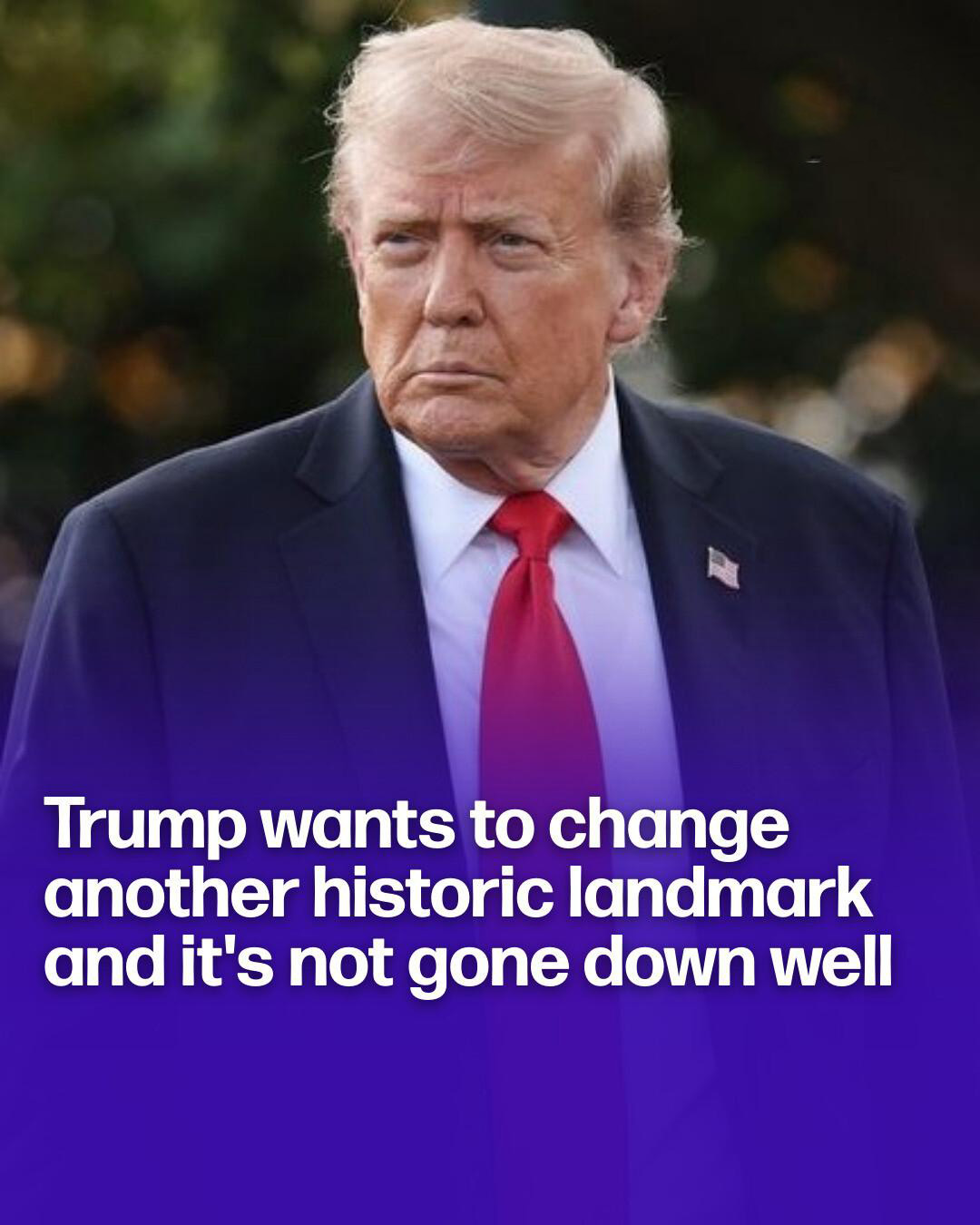
Donald Trump is once again looking to leave his mark on the nation’s capital, and the newest idea on the table has stirred strong reactions. The proposal centers on a dramatic change to a storied building that stands a few steps from the White House, and it has quickly become a lightning rod for debate.
Since returning to the White House, the President has been connected to several efforts aimed at reshaping how key areas of Washington, DC look and feel. Some of these ideas involve updates to the White House grounds and other high-visibility improvements around the city. Supporters describe the push as a way to boost pride in American landmarks, refresh their appearance, and give the capital a more polished look. Critics, though, are urging a slower, more thoughtful approach.
That call for caution has been especially loud this time. Preservationists, architects, and historians warn that the makeover being discussed could bring permanent changes to a piece of architecture that has stood for well over a century. They argue that beauty and history should be balanced carefully, especially when a beloved landmark is involved.
Central to the concern is the fact that once a historic exterior is altered, it can be difficult—sometimes impossible—to reverse the changes without leaving scars. That is why this debate has expanded beyond preferences about color and style, and into questions about long-term stewardship of a building treasured for its age, design, and symbolism.
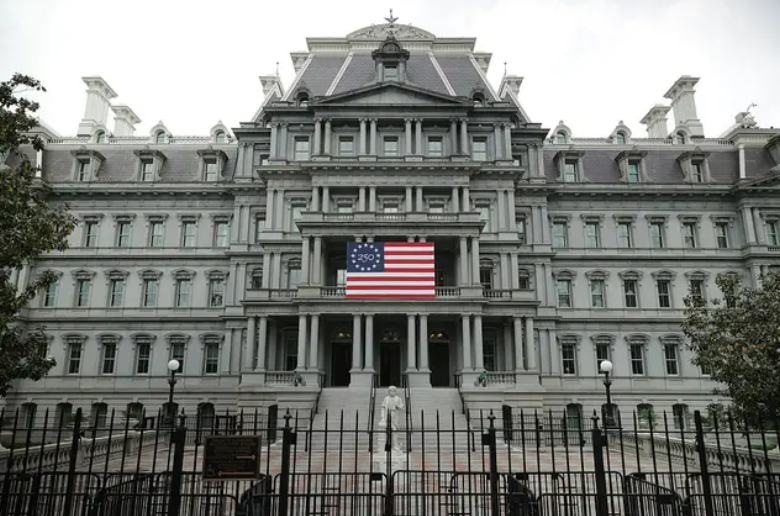
The landmark at the heart of the discussion is the Eisenhower Executive Office Building, the grand 19th‑century structure that sits immediately west of the White House. The idea reportedly favored by the President is to paint the building white. Today, the building is known for its distinctive gray granite and stately, Second Empire style architecture—features that have long made it one of Washington’s most recognizable silhouettes.
The President has been forthright about his dislike of the building’s gray color, calling it a “really bad color,” as has been reported by multiple outlets. He also offered a pointed comparison, saying “Gray is for funerals,” and suggested the building would be “beautiful” with a bright coat of white paint. To his supporters, the change sounds like a simple, refreshing facelift. To many experts, though, it raises red flags.
It is worth remembering how significant this building is. The Eisenhower Executive Office Building, completed in 1888 after 17 years of construction, has lived many lives. It originally housed the Departments of State, War, and Navy, and today supports much of the day‑to‑day work of the Executive Office of the President. It is a National Historic Landmark and is listed on the National Register of Historic Places, a sign of its architectural and cultural importance. For many who treasure American history, it is as much a museum piece as it is a workplace.
From a practical standpoint, painting the exterior would not come cheaply. The White House has indicated that the exterior work alone could cost taxpayers at least $7.5 million. That estimate does not include what would follow over time—ongoing upkeep, repainting cycles, touch‑ups, or specialized maintenance that often accompany a newly painted historic facade. Even for those who are open to the idea, the long‑term price tag is part of the conversation.
Officials have reportedly presented two options. One would cover the entire visible granite exterior in white paint. The other would take a lighter touch by painting most of the facade but leaving the granite base unpainted. While both options would create a strikingly different look, the full white version appears to be the approach that has drawn the most interest inside the administration.
The all‑white version appears to be the favorite option
On the surface, painting a building may sound as simple as choosing a color and getting to work. But when the surface is 19th‑century granite, the task becomes more complicated. Historic stone behaves differently than drywall or wood trim. It expands and contracts with temperature, and it needs to breathe. The wrong coating can trap moisture behind the paint, encourage cracking or flaking, and set off a cycle of damage that is difficult to undo.
That is the core worry among preservation professionals. They point out that a layer of paint might not only change the building’s character, but it could also shorten the life of the stone itself. Removing paint from textured granite without harming the surface can be extremely challenging. In other words, even if a future administration wanted to return the building to its original appearance, the decision made today could be very hard to reverse tomorrow.

Those concerns were put plainly by Priya Jain of the Society of Architectural Historians, who warned that painting the granite facade “will adversely and permanently alter this important landmark, and should be rejected.” Her view mirrors the comments of many in the preservation field who believe the building’s strength is not only in its function, but in the materials and craftsmanship that have endured since the 1800s.
So far, the proposal has not received a green light. The National Capital Planning Commission, the federal agency that reviews significant planning and development actions in the Washington area, has asked for more detail before making any decision. The commission wants information about the specific paint that would be used, how it would be tested, how it might be removed if needed, what sort of long‑term maintenance plan would be required, and whether there are alternatives that could achieve a similar visual effect with less risk.
Ryan Erb, who works in construction operations and facilities within the White House Office of Administration, said that testing is underway. He emphasized that this stage of the process cannot be rushed, explaining to commissioners, “Unfortunately, we can’t rush that process,” and adding, “We’re trying to get all the data first.” For those on all sides of the debate, that kind of careful study is exactly what they hope to see before any paint touches the stone.
Among the voices asking for restraint is Susan Eisenhower, the granddaughter of President Dwight D. Eisenhower, after whom the building is named. She has urged officials to step back and take their time. In a recent essay, she wrote, “There is no need to rush to paint it.” She also offered a reminder for those who may have grown used to the gray facade, writing, “The building positively sparkles.” Her message, in essence, is that a landmark of this stature deserves patience and respect.
Critics of the plan also highlight practical issues that go beyond aesthetics. Granite facades are composed of individual blocks, mortar joints, and delicate architectural details. Paint can seep into tiny cracks and textured surfaces. If moisture becomes trapped behind the coating, it can freeze and thaw with the seasons, putting stress on the stone. Over time, that can lead to chipping, staining, or even spalling—the flaking off of the stone’s surface. Once that process begins, it can be costly and complicated to halt.
There is also the reality of upkeep. A painted exterior needs routine maintenance that an unpainted, natural stone facade often does not. Sunlight, temperature swings, and pollution can cause painted surfaces to fade or peel. Repainting a historic structure is not like refreshing a living room wall; it can involve scaffolding, specialized materials, and teams trained to work around ornamental features. Those ongoing costs are usually measured in decades, not years.
Proponents of the makeover counter that many iconic buildings are painted, and that careful selection of modern, breathable coatings could address preservation concerns. They also argue that the visual unity of a white Eisenhower building beside the White House would create a stately ensemble and present a more cohesive first impression to visitors. To supporters, this is a chance to elevate the appearance of a working government complex and show pride in the seat of the executive branch.
For longtime Washington watchers, none of these trade‑offs are new. The capital has a long tradition of lively debates about architecture and symbolism. Whether the topic is restoring a monument, updating security barriers, or adjusting lighting schemes, every change prompts big opinions. That is part of what makes the city’s public spaces so meaningful—people care about how they look and what they represent.
It is also helpful to understand what comes next. Before any major work happens on a protected historic building, agencies typically conduct detailed studies. These can include paint adhesion tests on small, out‑of‑the‑way sections of stone; moisture analysis to see how the wall assembly breathes; and visual mock‑ups to show how different finishes might look in daylight and shade. If a coating is removable, experts will test whether it can come off without scratching or pitting the granite. Those steps take time, but they provide the evidence needed to make a sound choice.
Input from the public and from professional organizations often plays a role as well. The National Capital Planning Commission, preservation offices, and advisory bodies weigh the historical record, architectural character, and practical considerations. In the end, the goal is to strike a balance between keeping places usable for modern needs and safeguarding their essential character for future generations.
While these reviews play out, the conversation around the Eisenhower building remains active. Many Washingtonians, including those who work in and around the complex, have voiced sentimental ties to its gray stone, grand mansard rooflines, and ornate detailing. For them, the building’s distinctive look is part of the city’s rhythm, a constant presence through changing administrations.
The administration has defended its broader beautification plans for the White House area and the capital, saying they are intended to give the city the dignity and luster befitting a national stage. A White House spokesperson framed the effort this way: the President “continues to beautify the White House and our Nation’s Capital and is giving it the glory it deserves—something everyone should celebrate.” That statement reflects a belief that visual upgrades can inspire pride and set a tone of excellence.
Still, the tension between refresh and restraint remains. On one side are those who believe a bold, bright white facade would make the Eisenhower building feel more unified with the White House and more impressive at first glance. On the other are those who see the gray granite not as drab, but as elegant, dignified, and authentic to the building’s original design. For them, the color is not a flaw to be covered, but a defining feature that tells the story of a different era in American architecture.
For readers who may not have visited, it helps to picture the Eisenhower building’s setting. The White House, with its familiar neoclassical white columns, is compact and symmetrical. Next door, the Eisenhower building rises with layers of ornate detail—bay windows, stone carvings, and a steep roofline accented by dormers. The contrast between bright white plastered walls and cool gray stone is part of what makes this corner of the city visually compelling. Changing that contrast would change the character of the whole block.
Budget and timing will also shape what happens. Even with a preliminary estimate on the table, costs can shift once contractors assess the entire exterior up close. Access, safety, and protection of historic details add complexity. Any paint system selected for a project like this has to perform across seasons, through heavy rains, humid summers, and icy winters. If testing shows the coating is not durable or risks harming the stone, that will weigh heavily in the final decision.
For now, the most important step may be the simplest one: time. Time to test, to gather expert feedback, to study the building’s needs, and to consider whether there are ways to refresh its appearance without putting its fabric at risk. Susan Eisenhower’s message of patience captures that idea clearly. In her view and in the view of many preservationists, there is wisdom in recognizing when a building’s materials are not just background, but the main event.
As this proposal moves through reviews, the discussion is likely to continue in living rooms, offices, and committee rooms around the city and beyond. People may disagree about color, but most share the same basic hope—to pass down a capital that looks cared for and dignified, and to honor the buildings that have witnessed so much of the nation’s story. Whether that means a new coat of paint or a renewed appreciation for granite gray, the stakes are high because the place matters.
In the months ahead, look for more information about the tests underway, the materials under consideration, and any mock‑ups that might be displayed for review. If the evidence shows that paint can protect the stone, remain breathable, and be removed without harm, the case for change will be stronger. If not, the gray facade may continue to glow on its own terms—just as Susan Eisenhower suggests—sparkling in the shifting light that has washed across it for well over a hundred years.