A Mother’s Day message that sparked a national conversation
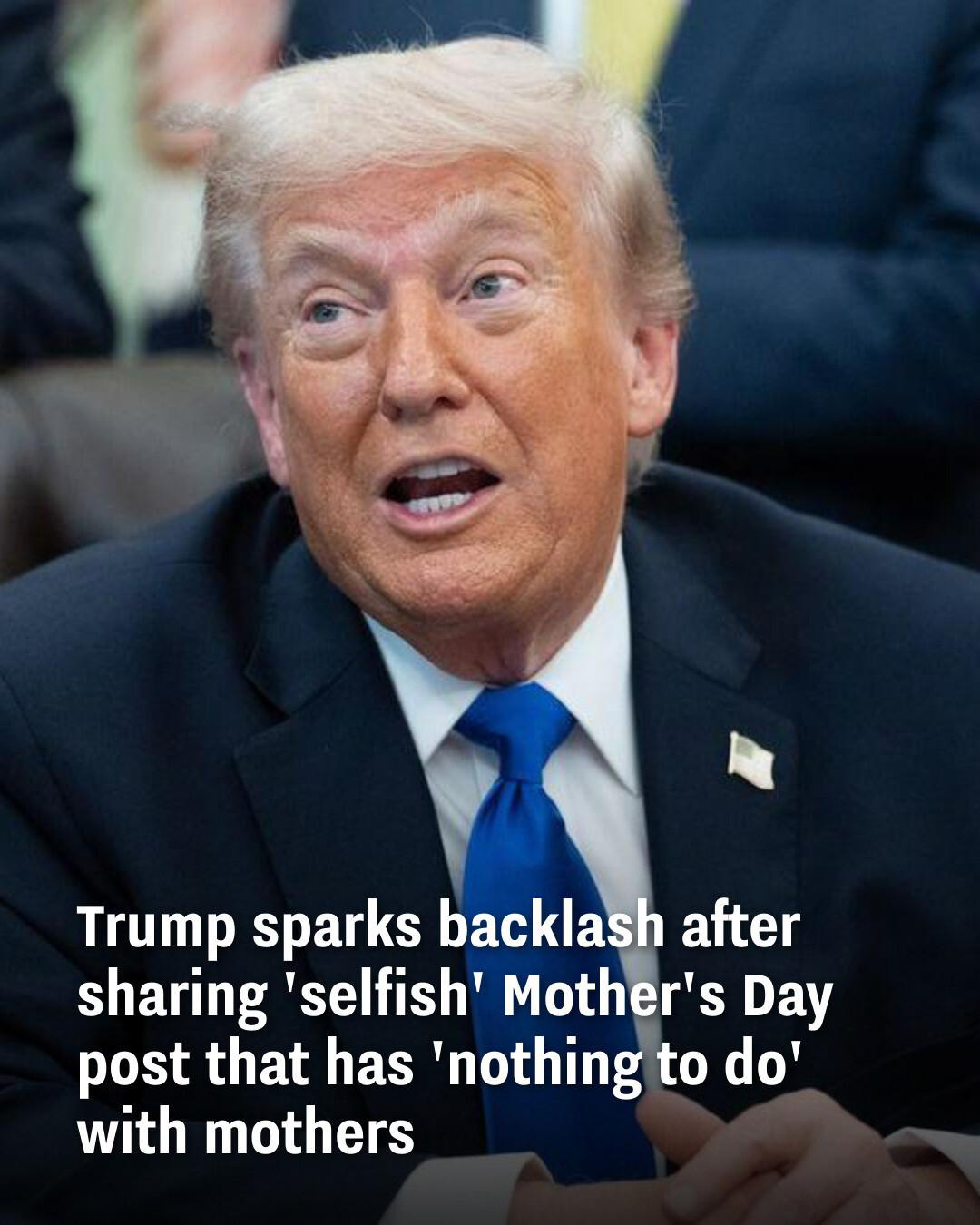
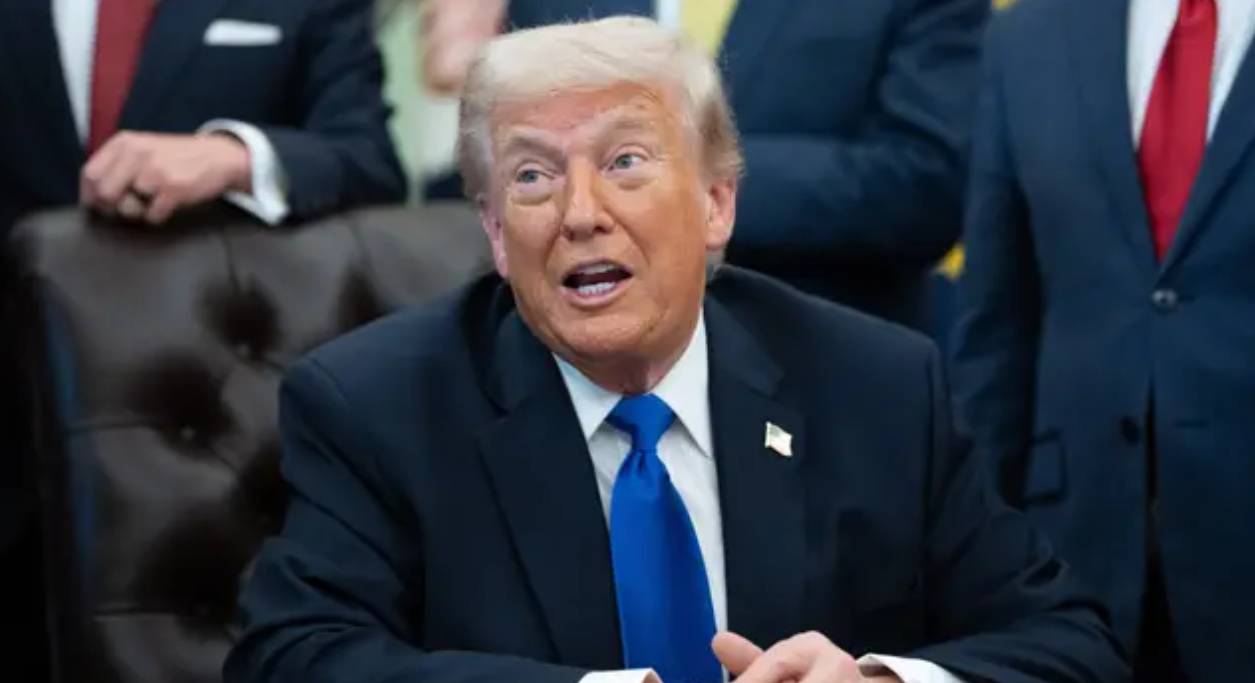
This Sunday, Mother’s Day will be celebrated across the United States, a day set aside to recognize the love, work, and sacrifices of mothers, grandmothers, stepmothers, and the many caregivers who fill maternal roles. In the lead-up to the holiday, President Donald Trump shared a message on Truth Social intended to mark the occasion. Instead of focusing mainly on mothers, his note shifted toward the economy and politics, and that turn quickly drew strong reactions online.
Truth Social, the social media platform where he posted the message, is a place where Mr. Trump regularly shares announcements, opinions, and commentary. Many longtime observers expected a Mother’s Day greeting filled with simple well-wishes. However, his message broadened into a discussion of job numbers, the strength of the economy, and pointed criticism of his political opponents. For many readers, it felt less like a reflection on the contributions of mothers and more like a campaign-style statement.
In his message, he began with a greeting for the weekend and then immediately highlighted recent employment figures, emphasizing that more than one hundred thousand Americans had found work in April. He contrasted those numbers with what he said were missed estimates by economists and then pivoted to criticize his rivals. The result was a post that sounded, to many, more like a political victory lap than a tribute to mothers on their special day.
He wrote, “Happy Mother’s Day weekend to all, especially to the 115 THOUSAND AMERICANS who found jobs in the month of April alone! As usual, over 90 percent of Bloomberg Economists (nearly all of whom have a ‘Terminal’ case of TRUMP DERANGEMENT SYNDROME!) underestimated the strength of the Trump Economy.” He continued, “Despite the best efforts of Jerome ‘Too Late and Won’t Leave’ Powell, and the America Hating Democrat Party, more Americans are working today than ever before. Happy Mother’s Day and, know that, we are MAKING AMERICA WEALTHY AND SAFE AGAIN!”
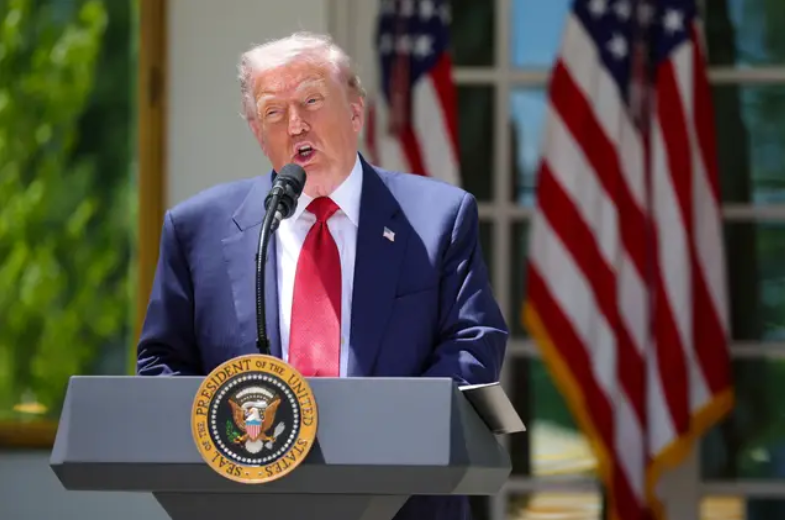
The response from many readers was immediate. Some felt the message lost sight of what Mother’s Day is meant to honor, saying it sounded like a political statement that could have been posted on any other day. One commenter observed that the note had “nothing to do with motherhood,” while another called the approach “selfish,” disappointed that the moment seemed to focus on achievements and opponents rather than on celebrating moms themselves. A third voice summarized the reaction this way: “Trump marks Mother’s Day with a post centered largely on himself. Per usual.”
It is common for presidents and public figures to offer warm, concise greetings on family-centered holidays. Traditionally, these messages reflect on the quiet, everyday strength of mothers, the lessons they pass on, and the support they provide to their families and communities. When holiday messages veer into unrelated topics—particularly politics—people often notice the change in tone. For many, Mother’s Day is deeply personal and sentimental, and even a small shift away from that spirit can feel jarring.
Supporters of the president might see his message as connecting mothers to the economy, arguing that jobs, safety, and prosperity are central concerns for families. Others, however, believe that a Mother’s Day greeting should stand on its own, offering gratitude before anything else. The contrast between those viewpoints is part of why this year’s message drew such strong reactions. Regardless of where people stand, the conversation reveals how closely Americans listen to what their leaders say on days that carry emotional weight.
Inside the White House event honoring mothers
Mother’s Day week at the White House also included a special Rose Garden luncheon held on May 8. The event brought together several groups of women with particularly powerful stories, including Gold Star mothers—those who have lost children in military service—and women sometimes referred to as “Angel Moms,” a term used for mothers whose children were killed by individuals without legal status in the United States. The occasion was solemn in parts and deeply personal for those present.
At the event, the president addressed the audience with remarks that blended tribute, policy, and sharp criticism. Speaking about immigration and border security, he referred to the mothers whose children had been taken from them by crime and conflict, connecting their grief with his views on national policy. To some listeners, it was a way of saying that honoring these women includes addressing the causes of their losses. To others, it felt like another instance of politics overshadowing a moment meant for recognition and comfort.
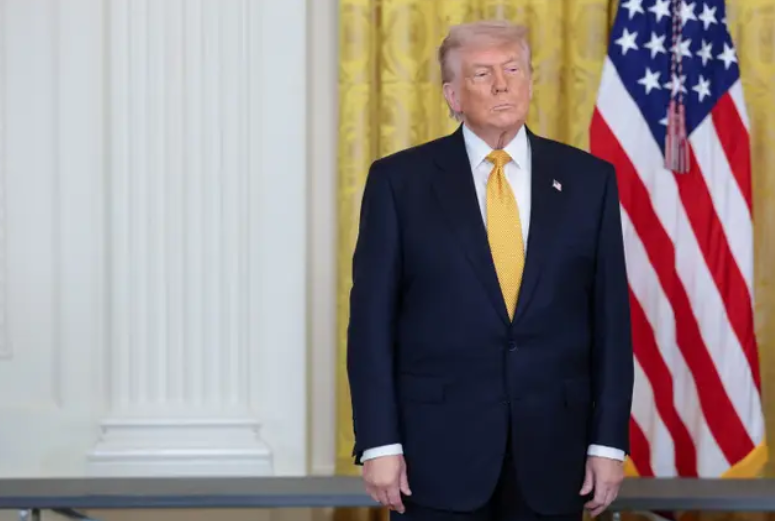
During the speech, he used pointed language to describe border policies and the people who create them. “I call them stupid borders,” he said, adding that he believed bad decisions by officials had opened the door to criminals. The tone was blunt, as is typical for him, and it brought the policy debate directly into a gathering intended to honor mothers who have endured profound loss. Moments like this can resonate strongly because they are charged with both emotion and politics.
He went further, alleging that past administrations had allowed prisoners from the Democratic Republic of the Congo to enter the United States through the Southern border. He described them as hardened criminals and criticized those he viewed as responsible for the situation. It is important to note that this specific claim has been widely disputed and, to date, has not been supported by public evidence. Still, his remarks reflected a broader theme he has often emphasized: that strong borders and firm enforcement are, in his view, necessary for public safety and for families to thrive.
Why the tone of a Mother’s Day message matters to many
Mother’s Day stirs deep feelings because nearly everyone has a story connected to a mother, grandmother, or maternal figure. For those who are grieving, the day can be tender and bittersweet. For those still fortunate to have their mothers nearby, it can be joyful and reflective. Against that backdrop, the language public figures choose takes on extra significance. A message that shows appreciation and kindness can feel like a shared moment, while a message that shifts toward politics may feel out of step with the day’s spirit.
People often look to presidents to help set the tone for national moments. On Memorial Day, they expect solemnity. On Thanksgiving, gratitude. On Mother’s Day, warmth and appreciation fit the occasion. When a greeting emphasizes numbers, rivalries, or controversies, it can appear disconnected from what many families are feeling as they gather for brunches, phone calls, and quiet visits to honor the women who shaped their lives.
None of this means that topics like jobs and safety are unimportant to mothers. In fact, they are central. Stable work, a secure community, and hope for the future are things mothers care about deeply. The question many readers wrestled with was one of timing and emphasis. On a day set aside to honor mothers, they hoped the attention would stay on gratitude—on the invisible work of caregiving, on late nights and early mornings, and on the steady guidance that helps families through hard times.
Supporters and critics saw the same message differently
The online reaction to the Mother’s Day post showed a familiar split. Supporters appreciated the reminder that the economy is growing and that, in their view, strong policies help families. They saw the message as a way to say mothers benefit when the country is doing well. Critics, meanwhile, focused on the tone and timing, arguing that the message centered on political points rather than on moms. Those who were displeased said it felt like an opportunity missed to offer simple thanks and encouragement to mothers everywhere.
Social media often magnifies these differences. A brief note can receive thousands of comments and inspire heated back-and-forth within minutes. Tone is easy to misunderstand, and in a politically divided era, even holiday greetings can become part of a broader argument. That may be one reason so many people reacted so quickly to this particular post. The contrast between the expected and the delivered was clear, and people responded from the heart.
For older Americans who have watched many presidents deliver holiday messages over the decades, the change is striking. Past statements on days like Mother’s Day were typically short and sentimental. Today, messages sometimes double as campaign reflections. This shift reflects a larger change in how leaders communicate, with social media offering a direct line to supporters and critics alike. The upside is immediacy; the downside is that nuance and warmth can be harder to convey.
A closer look at the White House event and its meaning
The Rose Garden luncheon highlighted stories that are at once personal and national. Gold Star mothers have long been honored for their profound sacrifice. Any public acknowledgment of their loss tends to draw attention and respect. Including Angel Moms in the event brought immigration and crime into the spotlight, an issue that has been emotionally charged for years. By inviting these groups, the White House framed the week as not just a celebration, but also a reminder of the costs mothers bear when communities are unsafe.
There is a delicate balance in blending tribute with policy. On one hand, many families want reassurance that their government is working to protect them. On the other, a gathering meant to honor mothers can feel overshadowed when the discussion becomes heated. Listeners reacted through that lens. Some appreciated the directness of the president’s remarks. Others wished the afternoon had stayed focused on comfort, support, and gratitude.
The sharpest lines of the speech, including the description of “stupid borders,” emphasized frustration with current and past policies. Whether one agrees or disagrees, the tone was unmistakable. That tone is a hallmark of the president’s style, and it resonates strongly with many of his supporters who prefer plain talk. Yet, on a day dedicated to mothers, plenty of people hoped for a softer register and a steadier focus on appreciation.
What many hoped to hear on Mother’s Day
When people say a message had “nothing to do with motherhood,” they often mean it missed a chance to name what mothers do and how much it matters. They want to hear about the guidance mothers give, the care they show when times are tough, and the humor that lightens family life. They look for simple words of thanks that make the day feel personal, not political. This year’s reaction suggests that many Americans still value that kind of message, perhaps now more than ever.
For families celebrating this weekend, Mother’s Day serves as a reminder to reach out with a call, a note, or a shared meal. It is about the bonds that carry us through life. Even as the national conversation turns to politics and policy, the heart of the day remains close to home. Whether a message comes from a president or from a grandchild, what matters most is that it recognizes the love, labor, and wisdom of mothers.
The bigger picture behind the controversy
Moments like this reveal how differently people experience public life. Some look to leaders to connect policy and family, arguing that jobs and safety are the practical ways we honor mothers. Others want national figures to step back from politics for a day, offering unadorned gratitude. Both instincts make sense. The friction comes when these expectations collide in a single post or speech. This week, they collided in full view, and the reaction was swift.
As Mother’s Day arrives, the discussion also reminds us that strong feelings are often a sign of care. People argue fiercely because mothers matter deeply to them. Underneath the disagreement lies a shared belief: that mothers deserve respect, support, and thanks. Whatever one thinks of the message that sparked the backlash, there is room today to set aside differences and focus on the women who have lifted us up, steadied us, and taught us how to move through the world.
In the end, a holiday greeting is just a few lines of text. What lasts are the everyday gestures—help with a chore, patience during a hard conversation, a story passed down over the dinner table. Those are the things that shape families and communities. If there is a lesson in this week’s debate, it may be that even in a noisy political season, simple appreciation still carries the farthest. And on Mother’s Day, that is more than enough.