
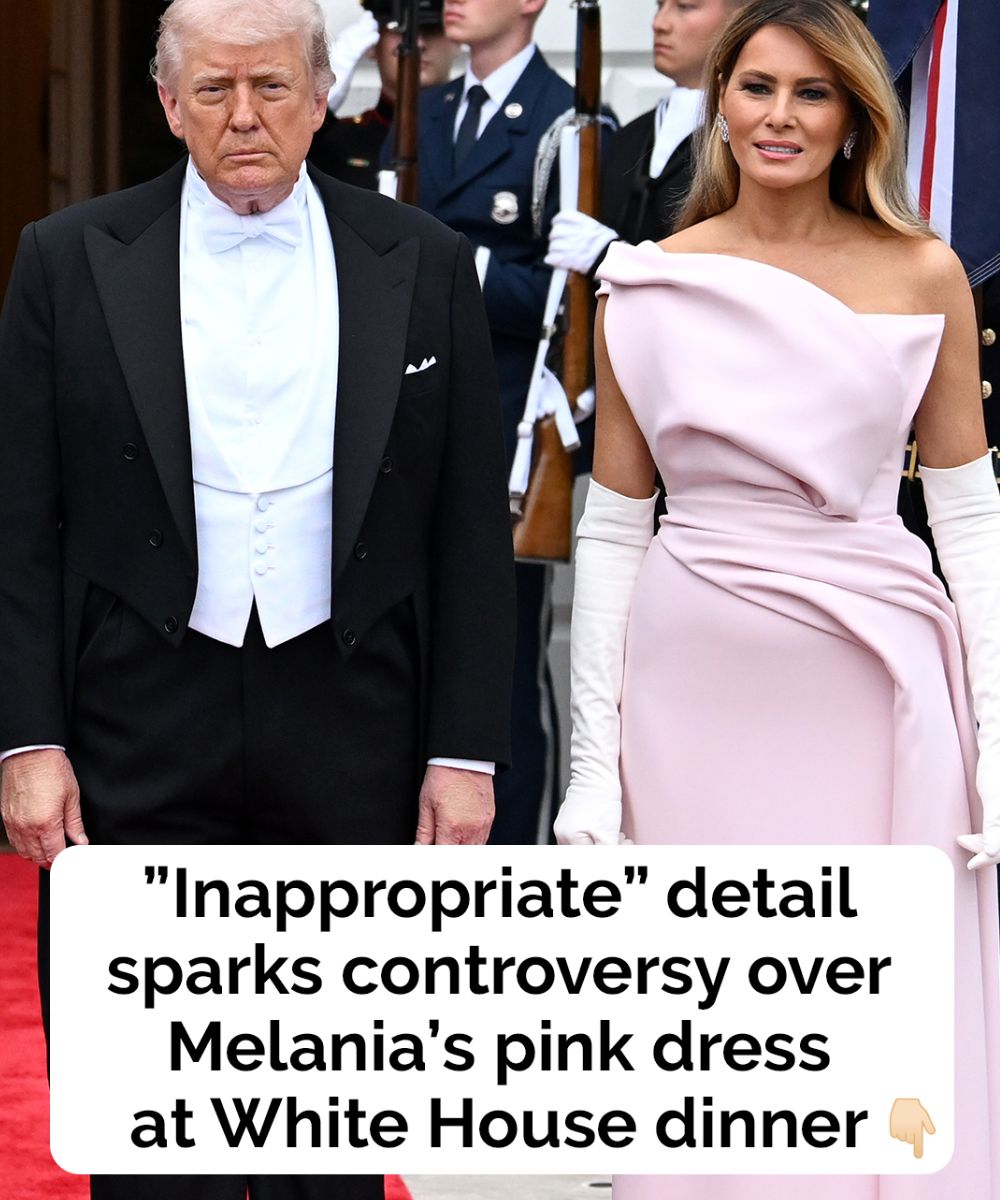
A dazzling state dinner, a couture dress, and a question of etiquette
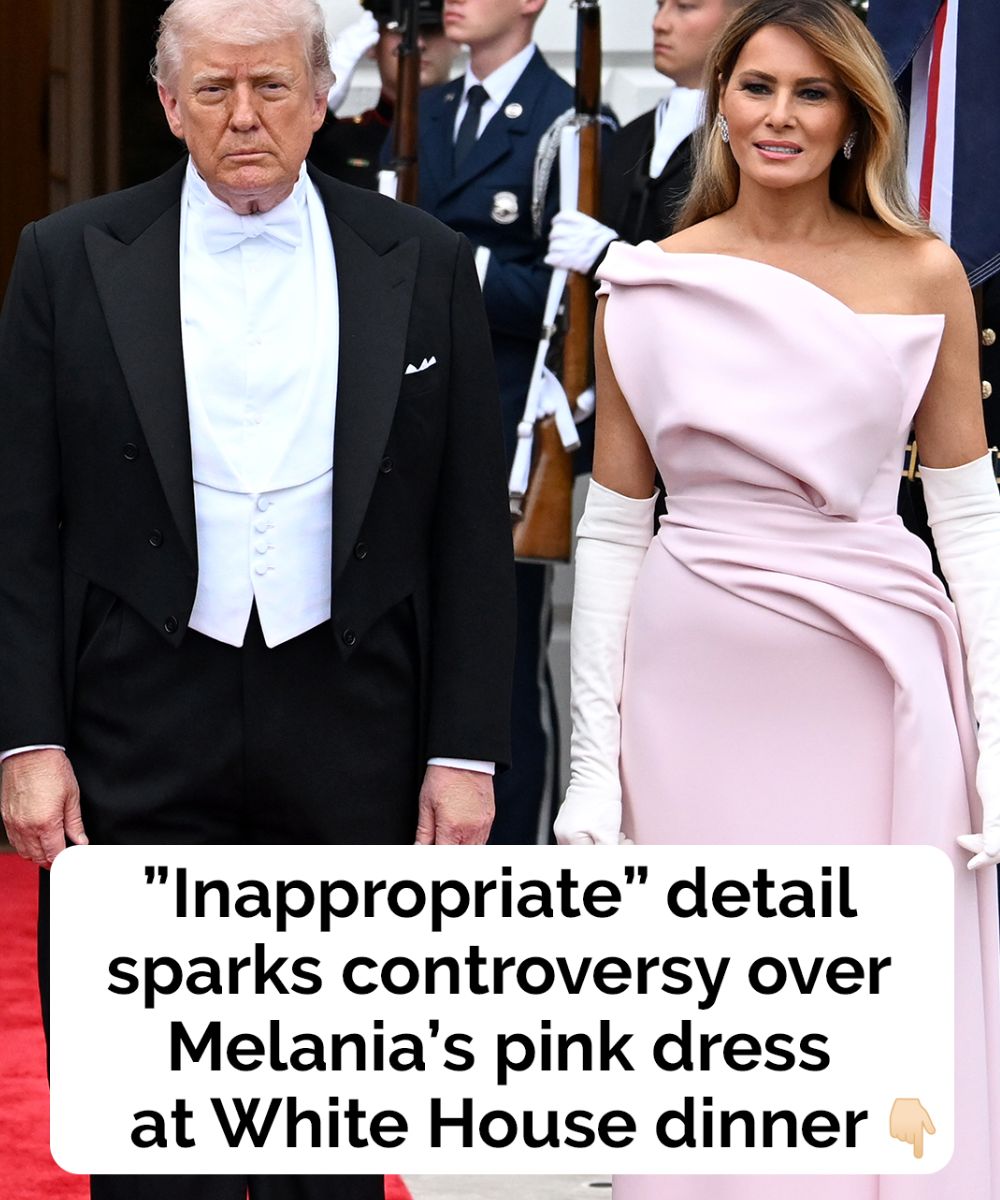
At a grand White House state dinner on April 28 held in honor of King Charles III and Queen Camilla, Melania Trump stepped into the spotlight wearing a pale pink Christian Dior Haute Couture gown. The strapless design turned heads immediately and set off a lively debate that has carried on well beyond the evening itself.
Many admired the dress as a graceful and striking choice. Others wondered if it was the best fit for a white-tie occasion closely tied to royal customs. Those two reactions—applause for elegance on the one hand, and concern about tradition on the other—framed a discussion that kept growing as more photos from the evening circulated.
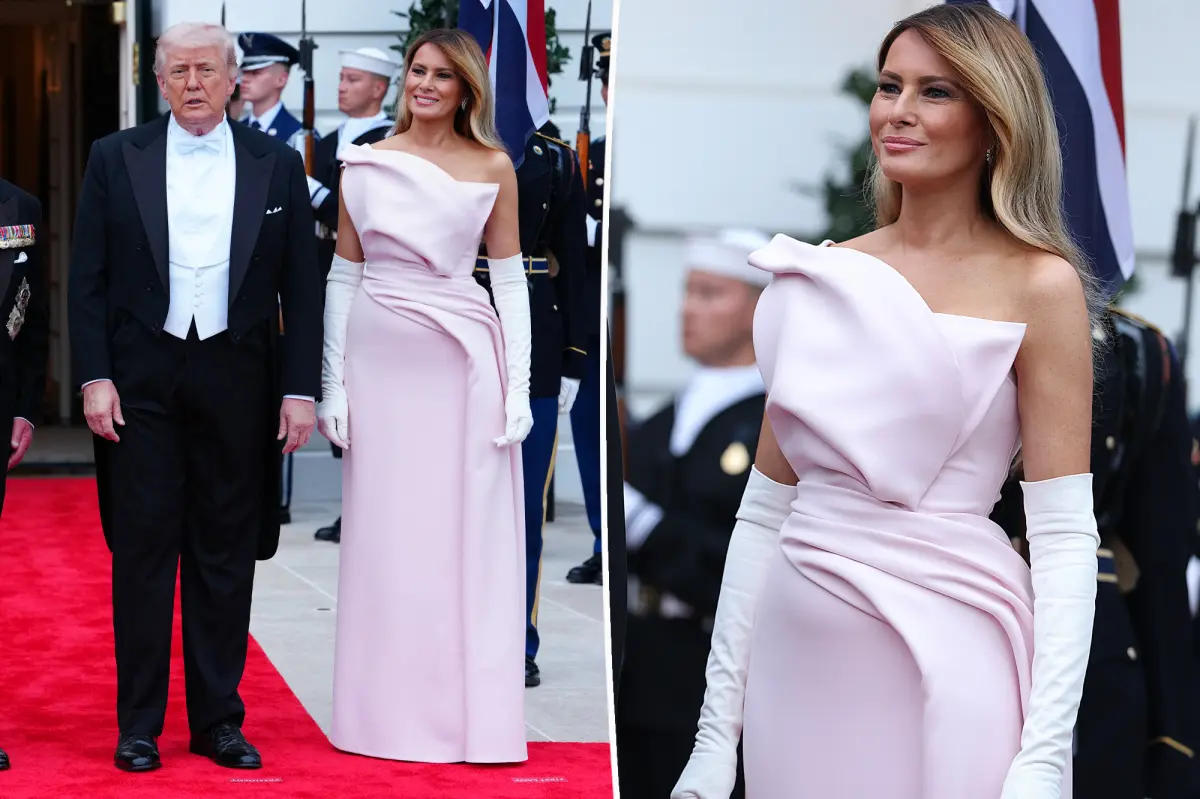
Whether one loved the look or felt it diverged from custom, there was no mistaking its sophistication. The sculpted bodice, the soft pink shade, and the precise tailoring reflected the handiwork of a top couture house. Reports placed the value of the gown at up to $80,000, a figure that underscored the garment’s high-fashion pedigree and the attention it was always bound to attract.
Yet amid the compliments and critiques, one detail rose above the rest as the main talking point: the strapless, shoulder-baring neckline. For a highly formal, white-tie state banquet—especially one honoring a British monarch—that single element became the center of a spirited conversation about where personal style meets ceremonial protocol.
What white tie means, and why tradition looms large
White tie is the most formal dress code typically used in Western evening events, and royal banquets in the United Kingdom have long held to its strict standards. Even if the dinner is not held in Britain, the symbolism of the occasion—honoring a reigning king and queen—often leads guests to adopt a similarly elevated level of formality out of respect for the moment.
For men, white tie historically entails a set of very specific elements. Traditionally this includes a white bow tie, a stiff-front white shirt, a low-cut white waistcoat, black patent leather shoes, and a black tailcoat worn open with peaked lapels. Black trousers with braided side seams complete the look, and formal decorations or honors can also be worn when appropriate. The overall effect is deliberate and ceremonial.
For women, white tie has typically called for a floor-length evening gown that leans toward formality and structure. Over time, the strictest rules have softened—long gloves, for instance, are no longer a firm requirement—but the spirit of the dress code remains. The expectation is usually a refined, modest presentation suited to a highly traditional setting, with gowns that often feature covered shoulders, a shaped bodice, and a full or elegantly draped skirt.
These guidelines are not just about appearance; they are part of a larger picture of etiquette. Royal banquets and state dinners function as diplomatic milestones where formality is meant to honor guests, institutions, and history. As a result, many observers pay close attention to what is worn, reading choices as signals of tone and respect.
Color carries meaning, and pink made a statement
Another reason Melania Trump’s look drew notice was the color. At past state banquets, white has been a frequent choice for high-profile female guests. It is a timeless, elegant option that photographs beautifully under grand chandeliers and pairs well with formal jewelry. During a Buckingham Palace state dinner in 2019, for example, Melania and Ivanka Trump both wore white, and several senior royals chose similarly classic shades. Former First Lady Michelle Obama also chose white for a comparable event in 2011. There is tradition behind these choices, and many guests have followed suit.
Against that backdrop, a gentle pink stood out. It read as soft and feminine, and yet also modern in the setting. Choosing pale pink rather than white does not break a rule in any formal sense, but it does shift the mood away from the most conventional palette. That alone was enough to spark comments, and when paired with a strapless neckline, it made the overall look feel more fashion-forward than some expected at a white-tie banquet.
Interestingly, Queen Camilla also wore pink that evening, suggesting that color, at least, allowed for a broader range than tradition might imply. The fact that both women chose pink indicates that personal preference and contemporary styling have a place even at highly formal events. Still, color was only part of the conversation; the shoulder-baring cut kept drawing the eye—and the commentary.
The strapless neckline became the focal point
Among all the opinions floating around, the strapless design emerged as the single detail people discussed most. In a setting where modesty and structure are often prized, showing bare shoulders can feel bold. Some felt the gown’s outline was sculptural and elegant, spotlighting the wearer’s poise and posture. Others thought a covered shoulder or a subtle sleeve would have read as more traditional and, in their view, more in step with white-tie formality at a royal-leaning event.
The gloves, in a soft off-white suede, introduced another layer of discussion. Decades ago, opera-length gloves were a near-essential element of very formal evening dress for women. Today, they are optional and appear more as a stylistic choice than a requirement. Paired with a strapless gown, the gloves created a profile that mixed classic and contemporary cues—a high-fashion silhouette rather than a purely traditional one.
Because state dinners sit at the crossroads of ceremony and modern life, this kind of blending is bound to draw reactions. Some viewers praised the precision of the tailoring, noting the way the hem skimmed the floor and the bodice held its shape flawlessly. Others, while still complimenting the dress overall, said they were unsure about the gown’s architectural lines and how they balanced with the absence of straps or sleeves. In short, the cut itself—and the bare shoulders—became the heart of the debate.
How social media saw it, from admiration to hesitation
As images circulated, responses ran the gamut. A number of people loved the dress and described it as stunning, memorable, and perfectly suited to a First Lady who often favors polished, fashion-forward looks. They felt the pink was fresh, the fit was impeccable, and the overall impression was worthy of a major state occasion.
Others asked whether it was the right choice for such a ceremonious event. A few comments compared the gown to an inaugural-style piece, simply reimagined in pink, suggesting it felt more like a red-carpet moment than a white-tie banquet. Some admired the craftsmanship yet admitted the structure of the gown left them puzzled. A handful of remarks were blunter, praising Melania’s beauty while saying the dress itself looked unusual or out of place for the evening.
That tension between fashion and formality is not new. High-profile occasions always invite close scrutiny, and tastes vary widely. What looked modern and chic to one viewer could feel unconventional to another. In a forum as visible as a state dinner, those differences become part of the public conversation.
Styling sparked a secondary debate, especially around shoes
Beyond the gown itself, some attention shifted to the styling. One recurring point was footwear. A few observers felt that the shoes looked too tall or too sleek for a white-tie banquet and suggested that a lower heel might have read as more traditionally appropriate. Others countered that the pale silk pumps were an elegant match for the gown and gloves, keeping the whole look cohesive and polished.
These are the kinds of small details that can shape how a formal outfit is perceived. The hem length, for example, drew praise for appearing to float just above the floor—neither puddling nor sitting too high. The glove choice reframed the strapless neckline, bringing a hint of old-world glamour to a contemporary couture silhouette. Subtle changes in these touches could have shifted the mood from bold to conservative and from modern to classic.
As is often the case with notable fashion moments, there was no single consensus. The look invited both appreciation and critique, each response colored by personal taste and by the individual’s sense of what a white-tie event honoring a monarch should feel like.
Context matters: royal etiquette and evolving expectations
The United Kingdom’s royal traditions have long shaped the meaning of white tie, but customs do evolve. A generation ago, rules were more rigid. Over time, while the core of white-tie dressing remains intact, many strict expectations have softened. Long gloves are now optional, necklines vary more widely, and color palettes have broadened. Even so, a degree of modesty and formality continues to be the default, which is why bare shoulders and a strapless cut drew such intense focus.
It is also worth remembering that state dinners in Washington often reflect American interpretations of formality. While the event honored the British monarch, the setting and host nation bring their own traditions to the table. The result can be a blending of codes: classic white-tie elements mixed with American fashion sensibilities and the personal style of key figures attending.
Against this backdrop, a strapless Dior gown in a refined pink reads as very modern. It respects the grandeur of the evening through craftsmanship and silhouette while also expressing an individual point of view. Depending on where one stands on protocol, that balance will either feel refreshing or a touch too daring.
Beyond the dress: other moments that drew attention
The evening produced a few other viral talking points. Earlier in the day, an outfit featuring a dramatic hat sparked lighthearted commentary, with one observer joking that the headpiece resembled a floor lamp. While playful, the remark showed how even a small element of a high-profile wardrobe can become a conversation piece.
Separate from fashion, there was also debate about greeting protocol. Some viewers felt that President Donald Trump’s greeting of the royal couple included physical contact that did not align with tradition. Etiquette concerns around interacting with a monarch can be sensitive, and people watching at home often interpret such moments through the lens of what they believe the rules to be. Whether or not an official protocol was breached, the reactions reminded everyone how closely gestures and attire are watched at these events.
None of the discussions—about the dress, the shoes, or the greetings—disrupted the flow of the evening. The ceremony proceeded with full pageantry, complete with a military color guard and formal photographs. But the buzz underscored how easily fashion, in particular, can become the headline at occasions meant to be defined by diplomacy.
Why the neckline keeps coming up
So why did the strapless neckline, more than the color or the price tag, become the lasting point of discussion? In the world of white-tie attire, the silhouette around the shoulders sets the tone. Covered shoulders often signal tradition and a conservative mood. A strapless cut, by contrast, immediately reads as contemporary and confident. It is neither right nor wrong in an absolute sense, but it shifts the visual language of the outfit. For supporters of a stricter reading of protocol, the bareness felt at odds with the spirit of the evening. For those more comfortable with modern formalwear, the neckline looked elegant, composed, and perfectly in step with couture.
That push and pull—between the pull of custom and the push of personal style—is precisely why the conversation endured. Everyone was looking at the same dress, yet people were seeing different things. Some saw a sculpted piece of art tailored to perfection. Others saw a notable departure from the most traditional playbook. The neckline became a shorthand for that broader debate.
Fashion at a crossroads: tradition and individuality
State dinners live at the intersection of ceremony and personality. The goal is to honor the guests while also allowing the hosts and attendees to present themselves authentically. In practice, that means fashion choices carry real weight. They communicate respect, taste, and sometimes national identity. They also invite interpretation, which is why a pink strapless couture gown can inspire admiration and questions in equal measure.
What remains clear is that the evening’s look was deliberate. From the choice of Dior to the pairing of off-white gloves and pale silk pumps, the outfit was composed with care. It acknowledged the demands of a major formal event while letting a modern sensibility shine through. Agree or disagree with the choice, it was a statement—one that was always going to be noticed.
In the days since, the conversation has settled into a familiar pattern: tradition-minded voices emphasizing white-tie modesty and custom, and fashion-forward voices celebrating a refined, contemporary take on eveningwear. Both perspectives have merit. Royal protocol has meaning; so does personal style. The art of dressing for such moments lies in finding a balance that respects the past while speaking to the present.
The takeaway
In the end, the look will be remembered for its poise, its polish, and above all its strapless neckline—the detail that kept critics and admirers talking. The pink Dior gown stood out not because it shattered rules, but because it nudged at the edges of tradition with confidence. For some, that felt like a risk. For others, it was a welcome touch of modern elegance at a deeply formal occasion.
As with most high-visibility fashion moments, opinions will vary and memories will linger. The evening’s pageantry achieved its purpose, yet the dress became a conversation that traveled far beyond the ballroom. Perhaps that is the real power of a well-chosen gown at a state dinner: it becomes part of the story of the night, a reflection of how style, ceremony, and public life intersect—and how one small detail can capture everyone’s attention.



