Trump attended a marathon Bible reading this week
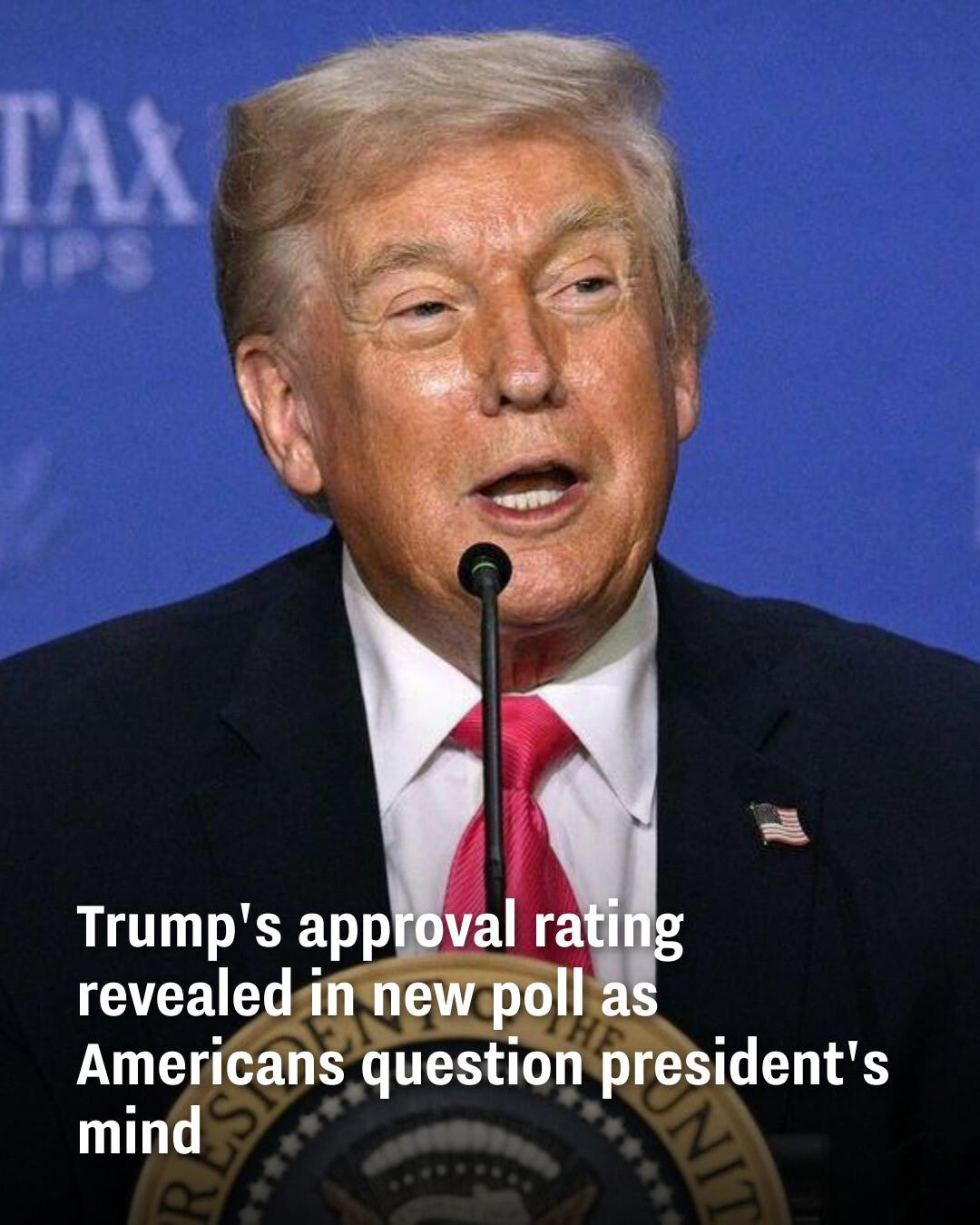
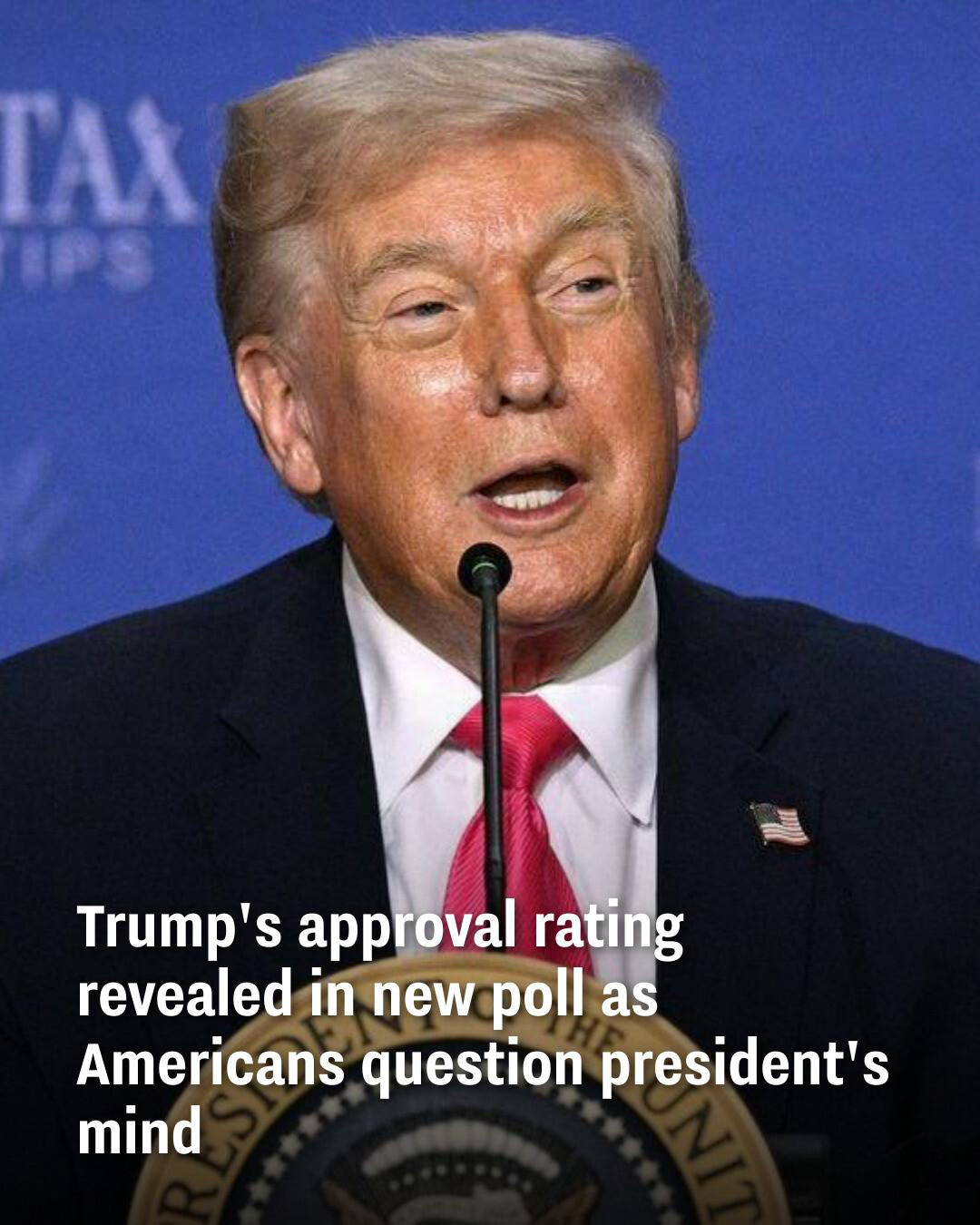
A new national poll has shed light on President Donald Trump’s current job approval, landing at a moment when many Americans, including some within his own party, are openly wondering about his mental sharpness and temperament.
Concerns about his judgment have intensified alongside the conflict involving Iran, which has placed the White House under a bright spotlight. While foreign policy pressures often test any administration, this period has also stirred broader conversations about whether the president appears steady in tone and focus when addressing high-stakes decisions.
In recent weeks, questions flared after Trump shared an AI‑generated image that many viewers interpreted as portraying him in a Christlike way. He later said it was meant to depict him as a doctor, but the post drew disapproval from multiple conservatives who felt the message was confusing and unhelpful. The incident fed into a wider narrative among critics that his communications can seem erratic at key moments.
Adding to the noise was a reported public quarrel involving a reference to Pope Leo XIV, a mention that itself sparked confusion and criticism. Against a wave of conservative backlash, Trump told reporters on April 17 that he has a right to disagree with the Pope and described him as weak on crime and terrible for foreign policy. Supporters defended the president’s right to push back on religious leaders when policy is at stake, while detractors argued that the remarks were needlessly combative.
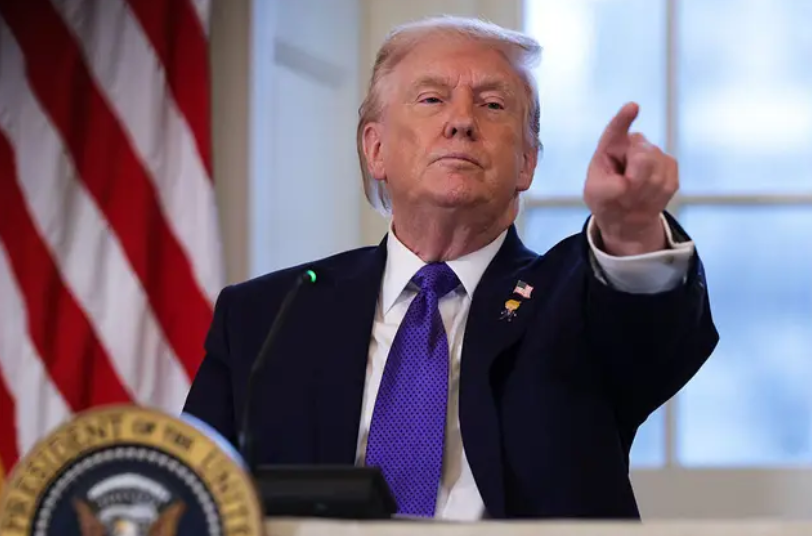
Despite the controversy, the president appeared eager to reconnect with Christian conservatives this week. On Tuesday evening, April 21, he attended a marathon Bible reading event in Washington, where he read from 2 Chronicles as part of the America Reads the Bible program at the Museum of the Bible. For many faith‑minded voters, such public expressions are a welcome reminder of shared values; for others, they come across as more about optics than policy. Either way, the appearance signaled an attempt to keep religious conservatives in the fold.
Even with that outreach, the freshest approval numbers provide a sobering snapshot. A six‑day public opinion survey from Reuters/Ipsos found a notable dip from the president’s earlier highs, highlighting the complicated political landscape he faces this spring.
Donald Trump’s latest approval rating
After taking the oath of office for his second term on January 20, Trump briefly reached his strongest approval level of the term at about 47 percent. Early honeymoons are common in national politics, but they rarely last long, and this one proved no exception.
According to the most recent Reuters/Ipsos figures, just 36 percent of Americans currently approve of the job he is doing as of April 2026. That number, while not unprecedented in modern politics, represents a meaningful slide from January and underscores the uphill climb any administration faces when navigating war, inflation concerns, and volatile global markets.
Pressure has been mounting for the White House to seek an end to the hostilities with Iran, launched in partnership with Israel earlier this year, as the price of oil has surged to new highs. Rising fuel costs work their way into the price of groceries, utilities, and travel, straining household budgets and retirement incomes. For many older Americans watching their monthly bills, the squeeze is real, and it often shapes how they assess Washington’s performance.
The poll also found that only 26 percent of respondents described the president as even‑tempered. That finding dovetails with a recurring theme in the national conversation: supporters praise Trump’s blunt style and willingness to confront adversaries, while critics worry that sharp words can complicate diplomacy and create new problems with longtime allies.
From uncompromising talk on Iran to a series of very public disputes with some of America’s closest partners, including the United Kingdom, the tenor of recent exchanges has revived questions about the president’s judgment and mental acuity. The White House has pushed back on such concerns, emphasizing his stamina and experience; nevertheless, perceptions in politics can be as consequential as the underlying facts.
How the poll was conducted and why it matters
Reuters/Ipsos surveys typically draw on a broad national sample and report a margin of error, providing a snapshot rather than a final verdict. Approval ratings move with events. A major diplomatic breakthrough, a drop in gas prices, or visible progress in Congress can all help a president’s standing. Conversely, signs of escalation overseas, economic shocks, or unforced rhetorical slipups often drag the number down. For those between 45 and 65, who have seen many administrations come and go, it is a reminder that approval ratings tend to ebb and flow with the headlines.
Still, a slide from the mid‑40s to the mid‑30s in just a few months is not trivial. It suggests that some independents and soft supporters are stepping back. The reasons seem to cluster around the cost of living, the pace and tone of foreign policy, and a lingering unease about whether the president’s communication style matches the moment’s seriousness.
Why his cognitive health is in the spotlight
Presidents of all parties face scrutiny for gaffes, late‑night posts, or inconsistent messages. In this case, the AI‑image controversy and a series of pointed remarks have become touchstones. Critics frame these moments as signs that the president can be impulsive. Allies counter that he is forceful rather than hesitant and that strong language can deter adversaries. The competing interpretations place unusual weight on every quote, post, and aside, creating a feedback loop in which each new remark is examined more intensely than the last.
The presidency is a grueling job, and the public typically expects regular updates about a leader’s health and fitness. Administration officials have emphasized that the president remains fully engaged, but polls indicate that a sizable share of voters still want reassurance through steadier tone and clearer messaging, especially during wartime and turbulent markets.
Faith, symbolism, and political optics
The Washington Bible reading was part of a larger, ongoing effort to show solidarity with religious voters. Reading from 2 Chronicles carries a message of national reflection and renewal that resonates with many churchgoing Americans. The event’s symbolism matters, especially to older voters who put stock in public expressions of faith and moral grounding. Even so, symbolism alone can go only so far; sustained improvements in tone, clarity, and policy results are what ultimately influence long‑term approval.
For the president’s team, the evening served two purposes. It reminded conservative Christians that their concerns are heard, and it offered a visual shift from the drumbeat of wartime news. Whether that shift endures will depend on what comes next in foreign policy and at the gas pump, as well as whether future remarks bolster a sense of calm leadership.
Reactions from across the political spectrum
Republican leaders have split between staunch defenders who applaud Trump’s confrontational style and skeptics who want a steadier hand and fewer avoidable controversies. Democrats, predictably, are highlighting every sharp remark as proof of unfitness. Independents appear divided, expressing agreement with some of the administration’s goals but unease with the rhetoric, especially when it risks fraying ties with traditional allies.
Among older voters, many say they want two things at once: toughness in defense of national interests and a measured, even‑handed tone that reduces uncertainty. They have lived through inflation spikes, foreign conflicts, and partisan food fights in Washington, and they understand how swiftly perceptions can change when real‑world conditions improve or deteriorate.
Memorable and controversial moments from Trump’s second term
He won’t deport Prince Harry because he has enough problems with Meghan
In early 2025, when asked by the New York Post whether he might move to deport Prince Harry amid questions about the royal’s immigration status, Trump brushed aside the idea. He said he would leave Harry alone and added a jab about Meghan Markle, saying she is terrible. Supporters described the comment as lighthearted. Critics saw it as undiplomatic. Either way, it fit the president’s habit of wading into celebrity‑royal storylines that most leaders avoid.
Remarking that Volodymyr Zelenskyy was all dressed up in military attire
Before a 2025 Oval Office meeting, Ukrainian President Volodymyr Zelenskyy arrived wearing his familiar black, long‑sleeved polo with the Ukrainian trident, a choice he has maintained during wartime. Trump greeted him by saying, Oh look, you’re all dressed up. Some observers took it as a joke about Zelenskyy’s wartime attire; others said the timing was off, given the gravity of Ukraine’s ongoing defense against Russia. It was another illustration of how tone can become the story, overshadowing substance.
Saying Denmark does not have a right to Greenland
During renewed chatter over the status of Greenland, Trump asserted that Denmark did not have the right to the island. The comment stirred confusion, since Greenland is a self‑governing, autonomous territory within the Kingdom of Denmark and has been associated with Denmark for centuries. The episode revived memories of earlier disputes over Greenland’s strategic importance and reminded audiences that such statements can ripple through alliances that depend on careful diplomatic language.
A promise to bring back plastic straws
In 2025, Trump again criticized paper straws as ineffective and said he preferred plastic versions, echoing a theme from his 2020 campaign merchandise. He argued that paper straws get soggy and break, while supporters cheered a small but symbolic stand against regulations they consider excessive. Environmental advocates, in turn, emphasized the waste concerns that led many cities and companies to switch away from plastic in the first place. The debate captured a familiar clash between convenience, cost, and conservation.
Claiming the Biden administration spent $8 million making mice transgender
At a March 2025 address to Congress, Trump alleged that the prior administration funded $8 million in experiments to make mice transgender. That claim was later scrutinized by PBS and found to be inaccurate. PBS NewsHour’s White House correspondent Laura Barrón‑López explained that the studies in question examined the effects of gender‑affirming hormones on asthma and looked at whether such hormones might influence breast cancer risk. The episode highlighted how quickly a dramatic line can spread and how essential it is to separate catchy claims from the underlying research.
Renaming the Gulf of Mexico
On his first day back in the Oval Office in January 2025, Trump signed an executive order to refer to the Gulf of Mexico as the Gulf of America in federal communications and maps. The move was symbolic and limited in scope, applying only to U.S. government materials. Supporters saw it as a nod to American pride, while critics regarded it as unnecessary and confusing, since geographic names have longstanding international use. The practical effect was narrow, but the headline drew broad attention.
Saying a day like The Purge would curb crime
During the 2024 campaign, Trump argued for a one real rough, nasty period of intense law enforcement activity to end crime immediately, a description many compared to the movie The Purge. He told a crowd in Pennsylvania that even one rough hour would send a message and stop crime quickly. Admirers praised the tough talk; critics warned that such rhetoric risks encouraging heavy‑handed policing that could erode civil liberties. The controversy again centered on tone versus policy detail.
Calling Kamala Harris a s**t vice president
Also on the trail in 2024, Trump blasted former Vice President Kamala Harris, calling her a s**t vice president and the worst. The slur was condemned by opponents as unnecessary and demeaning, while supporters largely dismissed it as typical campaign bravado. For undecided voters, such language often becomes a test of temperament and judgment as much as of policy differences.
What could move the numbers next
Approval ratings do not stay frozen in time. Developments in Iran, visible progress on energy and inflation, or a fresh push for bipartisan work on domestic priorities could all shape public opinion in the weeks ahead. For many older Americans balancing retirement plans with day‑to‑day costs, the most urgent question is whether policymakers can lower prices and steady the economy without further shocks abroad.
Communication style will also matter. Carefully framed speeches, fewer off‑the‑cuff jabs, and a steadier social media presence could strengthen the White House’s hand with independents who like assertiveness but not drama. On the other side, if controversies continue to pile up, the political cost could grow, especially among voters who value predictability during uncertain times.
For now, the latest poll offers a clear if incomplete portrait: the president retains a loyal base but has lost ground among persuadable Americans who want firm leadership delivered with calm, clarity, and respect. Whether the Bible reading and other symbolic gestures help rebuild trust will depend on what follows—on the battlefield, at the gas pump, and in the cadence of the president’s own words.
The bottom line for older voters
If you have watched Washington for decades, you know moments like this come and go. What tends to matter most is whether leaders can calm markets, keep allies close, and communicate with discipline. The newest poll reflects a public that is uneasy about war, worried about prices, and alert to how a president speaks under pressure. As events unfold, those concerns can be either eased or intensified by what people hear and feel in their daily lives.
Political fortunes change quickly. A breakthrough abroad, a steady drop in energy costs, or even a stretch of measured, unifying language can lift approval. The reverse is also true. For now, the numbers serve as both a warning and an opportunity: a warning that impatience is growing, and an opportunity to reset the tone and demonstrate steadiness when it counts most.